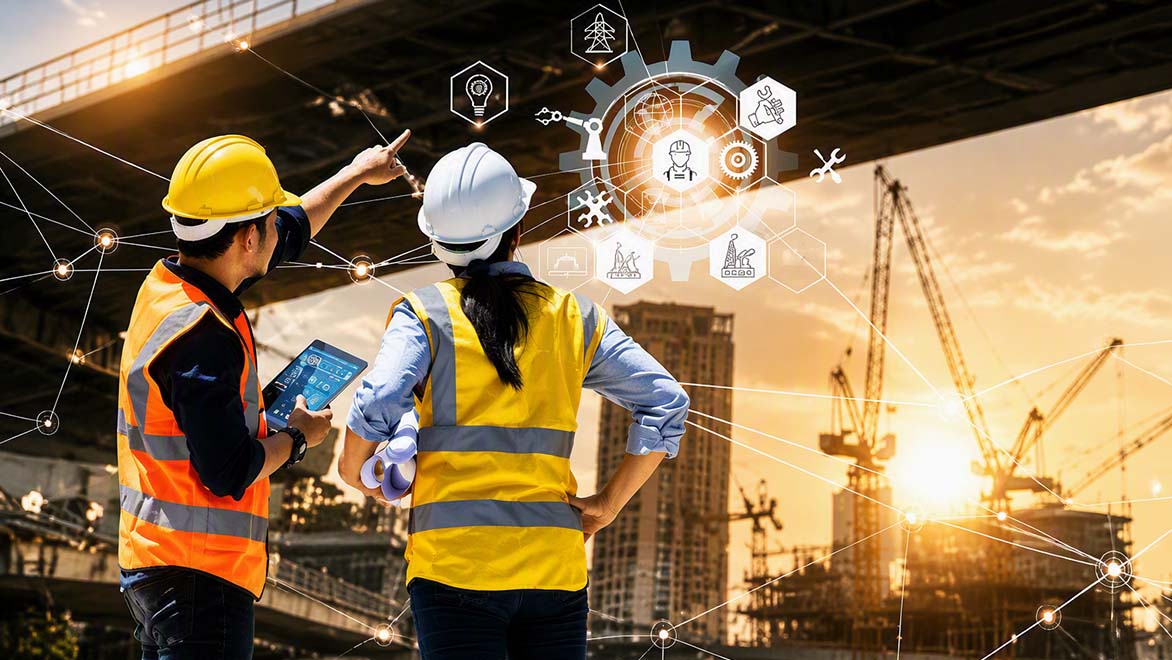
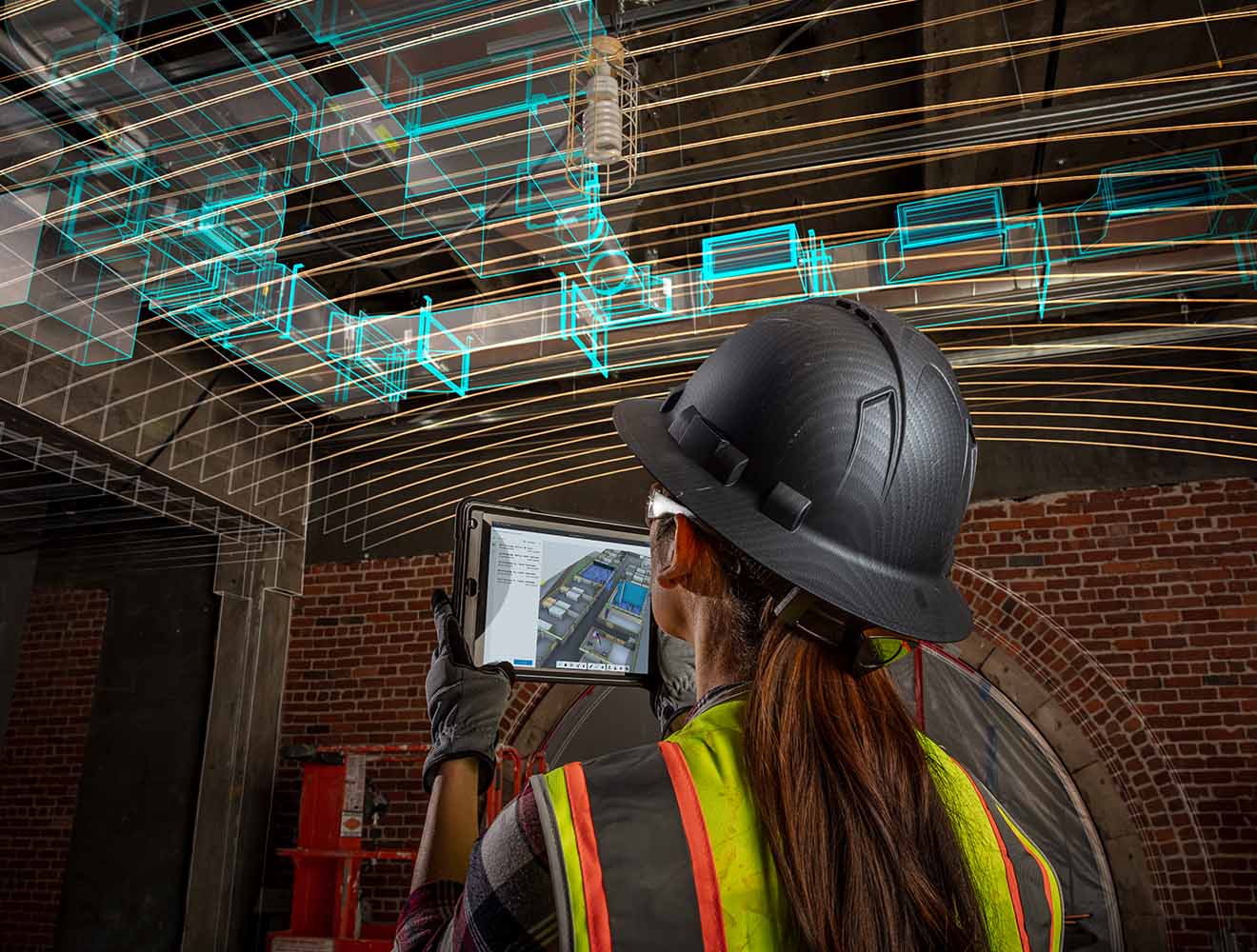
& Construction

Integrated BIM tools, including Revit, AutoCAD, and Civil 3D
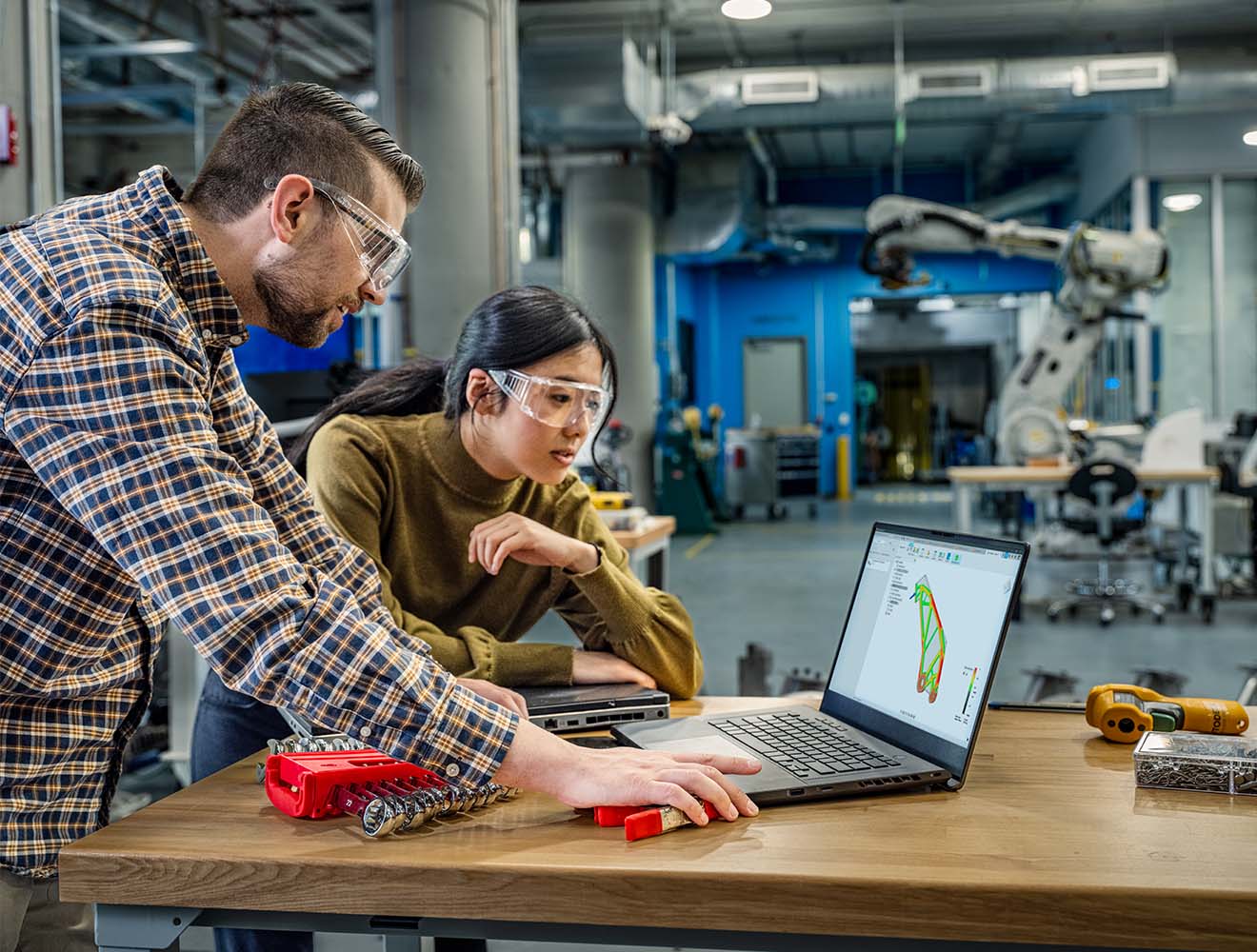
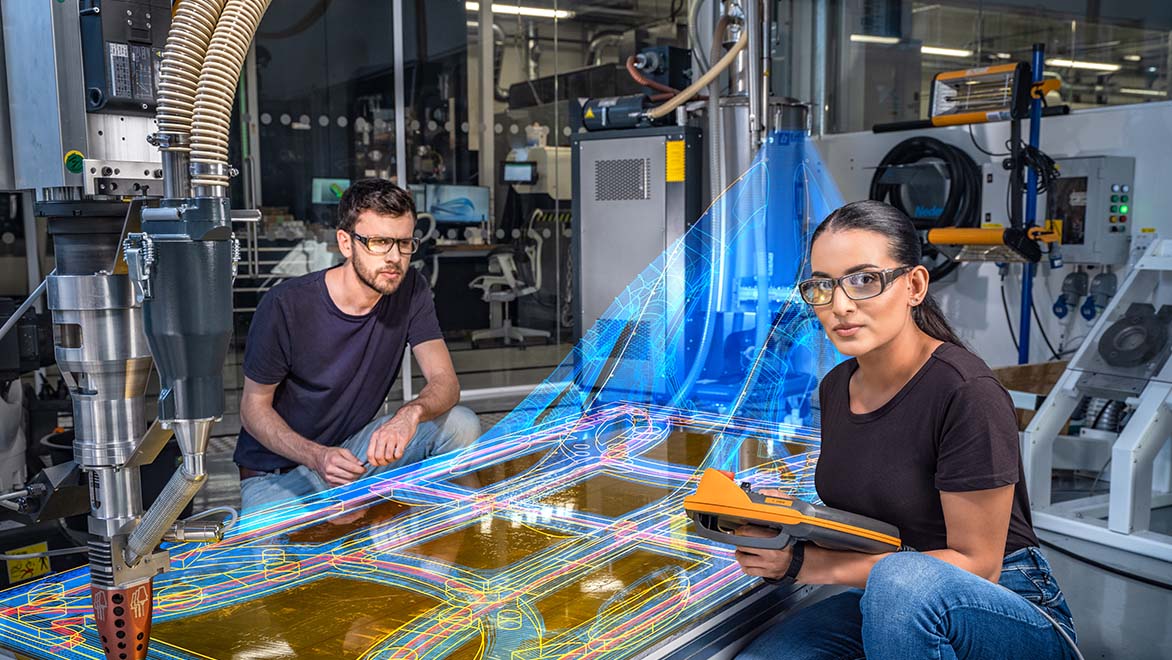
& Manufacturing

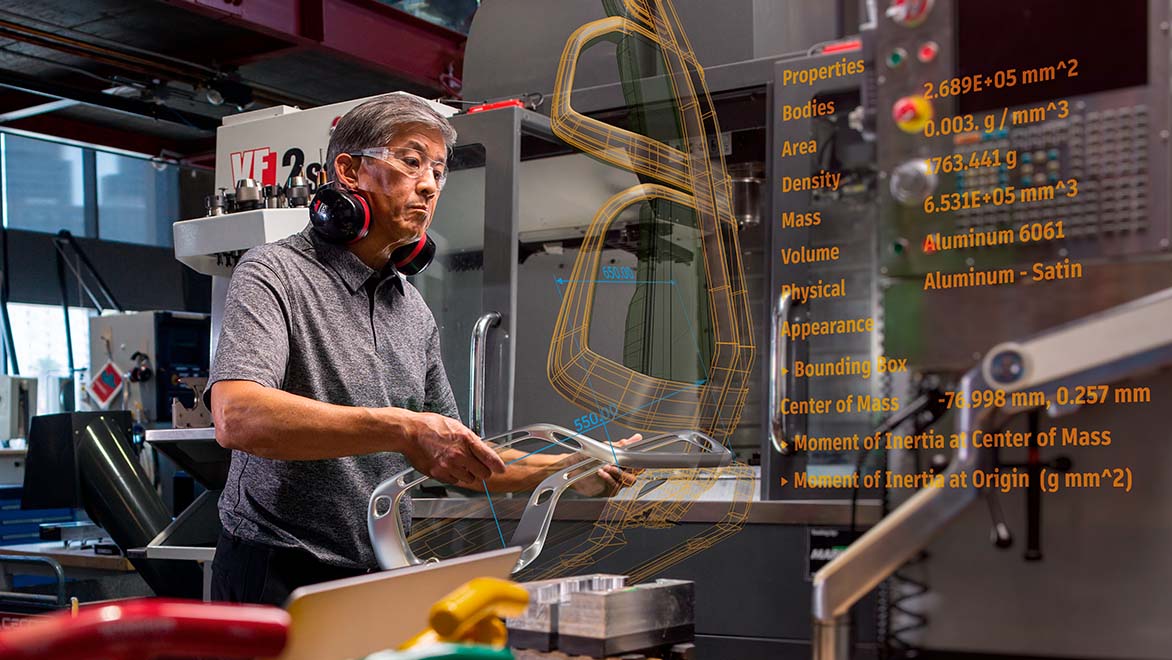
Professional CAD/CAM tools built on Inventor and AutoCAD
Convergence integrates the data, tools, and teams behind design and make on the shared foundation of a design and make platform. With connected workflows and real-time collaboration, work no longer happens in isolation—it flows continuously, helping organizations move faster, scale smarter, and digitally transform, so that they can respond to disruption with confidence.
When design and make are connected, the impact shows up across every part of the design and make lifecycle—from how teams collaborate to what they’re able to deliver.
Convergence removes friction from the system. Connected workflows reduce rework, eliminate redundant steps, and keep projects moving—so teams spend less time coordinating and more time delivering.
With shared data as a foundation, teams across disciplines—and across industries—can work in sync. Everyone operates from the same source of truth, making collaboration more seamless, whether they’re across the office or across the globe.
As demand rises and resources stay constrained, convergence helps teams do more with what they have. By connecting design and make, organizations can scale output, take on more complex work, and deliver at a pace that wasn’t possible in siloed environments.
When data, tools, and expertise come together, new possibilities emerge. Convergence enables teams to apply ideas in new contexts—sparking innovation, accelerating iteration, and opening the door to entirely new products, services, and ways of working.
With connected data flowing across every phase, teams gain deeper visibility into their work. That insight supports faster, more informed decisions—whether adjusting a design, optimizing production, or improving operations in real time.
Better insight leads to better decisions—especially around impact. Convergence makes it easier to reduce waste, optimize materials, and integrate sustainable practices across the lifecycle—helping organizations meet environmental goals while improving performance.
Convergence happens when connections form—between data, workflows, and ways of thinking. AI is accelerating those connections at a scale and speed we haven’t seen before.
Convergence isn’t new, after all. But until now it has been limited by complexity—too many tools, too much data, too many gaps between disciplines. AI is removing those limits.
Modern AI systems can move across disciplines, analyze complex data sets, and surface insights that would otherwise remain hidden. They help teams find the right information, at the right moment, in the right context—reducing friction and expanding what’s possible.
As AI becomes more embedded in the design and make process, it begins to reshape how work happens. More possibilities can be considered. Decisions accelerate. And the distance between idea and outcome continues to shrink.
Convergence has always been where breakthroughs happen. AI is making those breakthroughs arrive faster.
The Autodesk Platform brings design and make together on a shared data foundation. By connecting the industry clouds Forma, Fusion, and Flow through a common data layer, teams can work across disciplines and project phases without losing context or continuity.
The result is a more continuous way of working—where data flows freely, collaboration happens in real time, and feedback loops between design, production, and operations stay connected. Together, these capabilities help organizations accelerate digital transformation across the design and make lifecycle.
Across design and make, convergence is transforming how industries operate—connecting workflows, accelerating innovation, and expanding what teams can deliver.
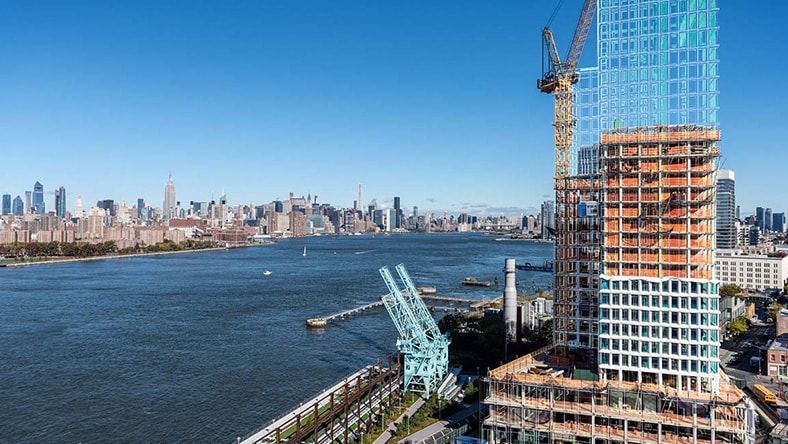
Show moreIn AECO, convergence is connecting design, construction, and operations into a more continuous process. Technologies like industrialized construction and extended reality (XR) are improving coordination and supporting more sustainable, efficient building practices, while digital twins pass along the benefits of digital delivery to building owners and operators.
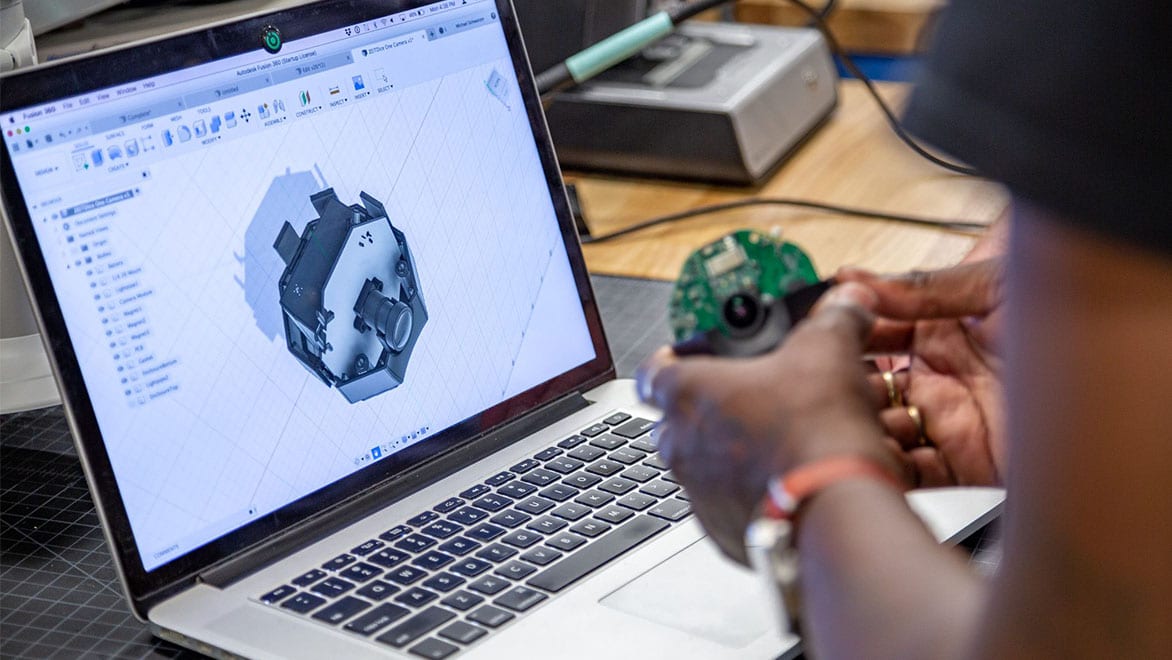
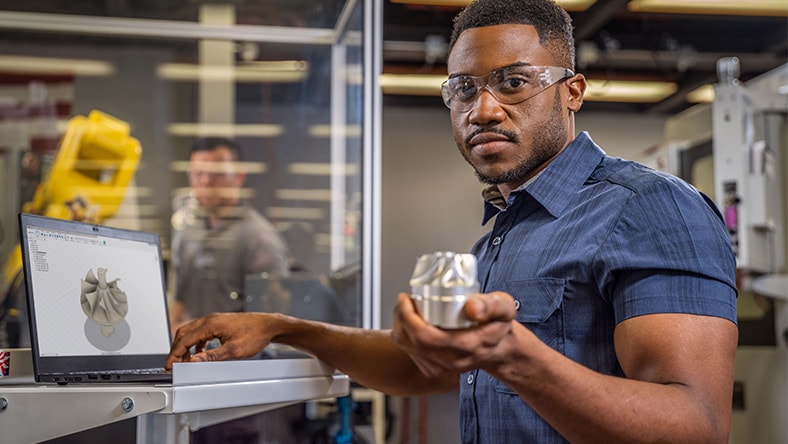
Show moreIn product design and manufacturing, convergence is linking design directly to production. Digital factories, intelligent automation, and advances in AI in design and manufacturing are streamlining workflows and enabling faster iteration, while immersive technologies enhance collaboration and training—helping teams deliver higher-quality products with less waste.
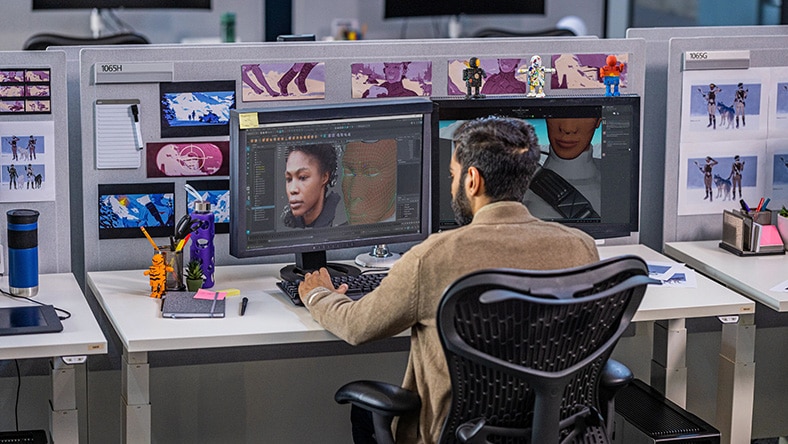
Show moreIn media and entertainment, convergence is blending physical and digital production. Real-time engines, virtual production, and cloud-based workflows are transforming how content is created—enabling more flexible collaboration, faster iteration, and richer, more immersive storytelling on leaner budgets.
Show moreDigital twins bring together data from across design, make, and operations into a living, evolving model. As physical and digital systems converge, they offer new ways to understand, optimize, and manage the world around us.
Get a deeper look at how digital twins work—and why they’re becoming a critical part of modern design and operations.
From factory floors to full production systems, digital twins help manufacturers simulate, monitor, and optimize operations before and during production.
Utilities are using digital twins to better understand complex water networks—improving resilience, efficiency, and long-term planning.
One of the world’s largest ports is using a digital twin to connect global transport networks and improve coordination across complex operations.
By building a digital twin, Denver International Airport is planning for future growth—using data to guide smarter infrastructure decisions.
Convergence isn’t just a theory. It’s already shaping how organizations work—and how they plan for the future.
In Autodesk’s State of Design & Make Report, 63% of leaders say they are actively adopting digital tools and techniques from other industries. And the more digitally mature an organization is, the more likely it is to take advantage of these cross-industry opportunities.
At the same time, two-thirds of respondents identify common data environments as critical to building trust between collaborators—highlighting the role of connected data in making convergence possible.
Convergence isn’t new. It’s how many of the most important innovations came to life—by combining what already existed to create something entirely new.
The same pattern has shaped the industries behind design and make.
Convergence is already reshaping how organizations design and make. The question is no longer if it will happen—but how to be ready for it.
Preparing for convergence doesn’t require a complete transformation overnight. It starts with a few deliberate shifts in how your organization works.
It’s not about predicting the future—it’s about building the flexibility to shape it.
Blending game engines, real-time rendering, and physical production, virtual production is transforming how content is created—enabling faster decisions, remote collaboration, and more flexible workflows—not only in media and entertainment, but other industries as well.
Using immersive technologies, Sweco is rethinking design review—bringing teams into shared 3D environments where they can experience projects at full scale and make more informed decisions together.
From AI to extended reality, emerging technologies are reshaping how work gets done—creating new roles, new skills, and new opportunities across design and make industries.
Convergence is the integration of data, technologies, and workflows across design and make. It connects previously separate phases and disciplines into continuous, collaborative processes. As these connections grow, organizations can create new products, services, and ways of working while responding more effectively to changing demands.
Autodesk supports convergence by connecting design and make through its cloud-based design and make platform. The Autodesk industry clouds—Forma, Fusion, and Flow, along with Autodesk Platform Services—bring data, workflows, and teams together on a shared foundation, enabling real-time collaboration across disciplines and phases. With Autodesk AI embedded throughout, teams can automate tasks, surface insights, and make more informed decisions. This connected approach helps organizations work more continuously, reduce friction, and deliver better outcomes.
Convergence helps organizations work more efficiently, collaborate more effectively, and unlock greater capacity. By connecting data and workflows across design and make, it reduces friction, minimizes rework, and enables teams to take on more complex projects. It also fosters innovation by bringing together ideas from different disciplines, supports more sustainable outcomes, and provides deeper insight—helping teams make better decisions and adapt quickly in a changing environment.
Convergence is transforming the industries that design and make—from architecture, engineering, construction, and operations (AECO) to product design and manufacturing, media and entertainment, and beyond. By connecting data, technologies, and workflows, it enables more continuous collaboration across design and make. This allows teams to work more efficiently, adopt ideas from other industries, and deliver more innovative and sustainable outcomes.
Companies can start leveraging convergence by building a strong data foundation. Moving data to the cloud creates a shared source of truth that improves visibility and collaboration. From there, connecting workflows across tools, teams, and phases helps turn isolated tasks into continuous processes. Finally, organizations can focus on outcomes rather than traditional industry boundaries—unlocking new ways to collaborate, innovate, and deliver value.