CHARACTER DESIGN SOFTWARE
Bring iconic characters to life with character design
Bring iconic characters to life with character design
Explore the infinite possibilities of character design. From legendary heroes to unforgettable villains, create characters that inspire awe and use character design software to optimize the process.
Image courtesy of Anushka Tina Nair and Lauryn Anthony
 Character design software improves the depth and quality of animations. Image courtesy of IGNITE Animation.
What is character design?
What is character design?
Character design transforms unique ideas into memorable characters, whether they’re quirky sidekicks, mysterious figures, or anything in between. The process crafts a visual identity that captures a character’s personality, backstory, and role in a story or brand. Great character design goes beyond appearance—it creates a connection with your audience.
From animation to games and other digital content, well-designed characters help make the narrative. They engage audiences, convey emotions, and become the faces of stories that people love and remember.
Whether you’re creating a protagonist for a game or a mascot for a brand, character design is the foundation of powerful storytelling. It’s the difference between a character who blends in and one who stands out, leaving a lasting impression.
Character design transforms unique ideas into memorable characters, whether they’re quirky sidekicks, mysterious figures, or anything in between. The process crafts a visual identity that captures a character’s personality, backstory, and role in a story or brand. Great character design goes beyond appearance—it creates a connection with your audience.
From animation to games and other digital content, well-designed characters help make the narrative. They engage audiences, convey emotions, and become the faces of stories that people love and remember.
Whether you’re creating a protagonist for a game or a mascot for a brand, character design is the foundation of powerful storytelling. It’s the difference between a character who blends in and one who stands out, leaving a lasting impression.

Character design elements
Character design elements
Designing a character means doing more than just making it look good—you need to craft an identity that resonates with the viewer or player.
Your character’s personality will be its main attribute. Every detail, from facial expressions to posture, should perfectly reflect who the character is. A strong silhouette ensures your character is instantly recognizable, even in shadow.
The color scheme also plays a role in setting the mood and your character’s traits. Bold colors can signal confidence, while muted tones might suggest mystery. Proportions and shapes are important, too—exaggerated features emphasize certain quirks, like super strength or agility.
Clothing and accessories add that lasting depth to your character. Whether it’s battle-worn armor or a strange hat, what you choose your character to wear helps tell its story at a quick glance.
Together, these character design elements create characters that are seen and felt, having an impact on anyone who encounters them.
Designing a character means doing more than just making it look good—you need to craft an identity that resonates with the viewer or player.
Your character’s personality will be its main attribute. Every detail, from facial expressions to posture, should perfectly reflect who the character is. A strong silhouette ensures your character is instantly recognizable, even in shadow.
The color scheme also plays a role in setting the mood and your character’s traits. Bold colors can signal confidence, while muted tones might suggest mystery. Proportions and shapes are important, too—exaggerated features emphasize certain quirks, like super strength or agility.
Clothing and accessories add that lasting depth to your character. Whether it’s battle-worn armor or a strange hat, what you choose your character to wear helps tell its story at a quick glance.
Together, these character design elements create characters that are seen and felt, having an impact on anyone who encounters them.

From ideation to creation with character design software
From ideation to creation with character design software
Character design follows a structured process from ideation to final creation, using software tools like Maya or 3ds Max. It begins with brainstorming to define the character’s purpose, role, and visual attributes, supported by concept art and research gathering visual references. Subsequent stages involve sketching and iterative development using software tools for 3D modeling, sculpting, texturing, shading, rigging, and animation. Feedback, testing, and iterative refinement are integral to the process before rendering. The software facilitates each step, providing essential tools for artists to create and refine efficiently, guiding the entire design process to bring characters to life.
Character design follows a structured process from ideation to final creation, using software tools like Maya or 3ds Max. It begins with brainstorming to define the character’s purpose, role, and visual attributes, supported by concept art and research gathering visual references. Subsequent stages involve sketching and iterative development using software tools for 3D modeling, sculpting, texturing, shading, rigging, and animation. Feedback, testing, and iterative refinement are integral to the process before rendering. The software facilitates each step, providing essential tools for artists to create and refine efficiently, guiding the entire design process to bring characters to life.
How to design a character

Brainstorming and Sketching
Brainstorming and Sketching
It all starts with a burst of creativity, where ideas are transformed into visual concepts. You define the character’s purpose, role, and distinctive traits. Explore different possibilities by sketching various poses, expressions, and outfits to bring the character to life on paper.
It all starts with a burst of creativity, where ideas are transformed into visual concepts. You define the character’s purpose, role, and distinctive traits. Explore different possibilities by sketching various poses, expressions, and outfits to bring the character to life on paper.
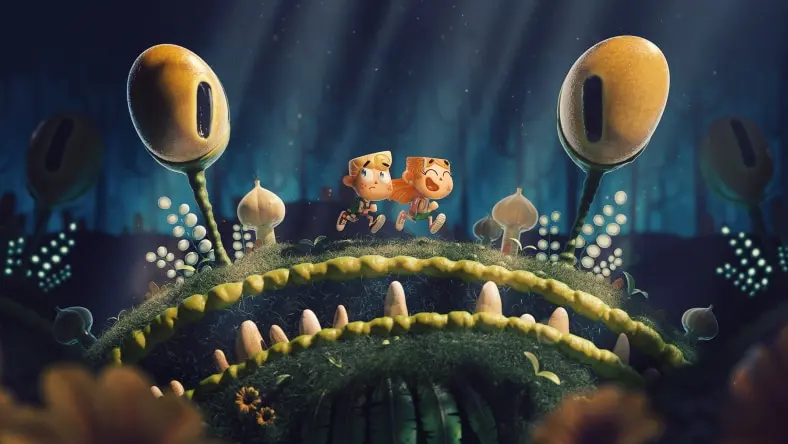
3D modeling and Sculpting
3D modeling and Sculpting
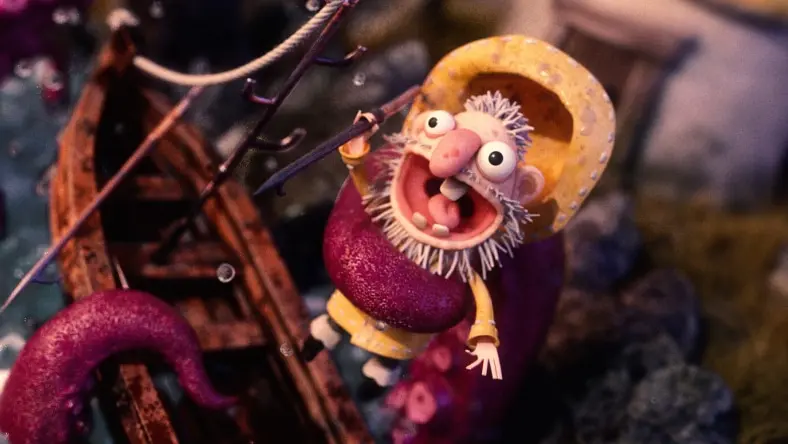
Texturing and Shading
Texturing and Shading
Apply colors, patterns, and surface details to give your character depth and realism. Shading takes its visual appeal further and ensures your character design fits with your environment, whether it’s a game, film or other media.
Apply colors, patterns, and surface details to give your character depth and realism. Shading takes its visual appeal further and ensures your character design fits with your environment, whether it’s a game, film or other media.
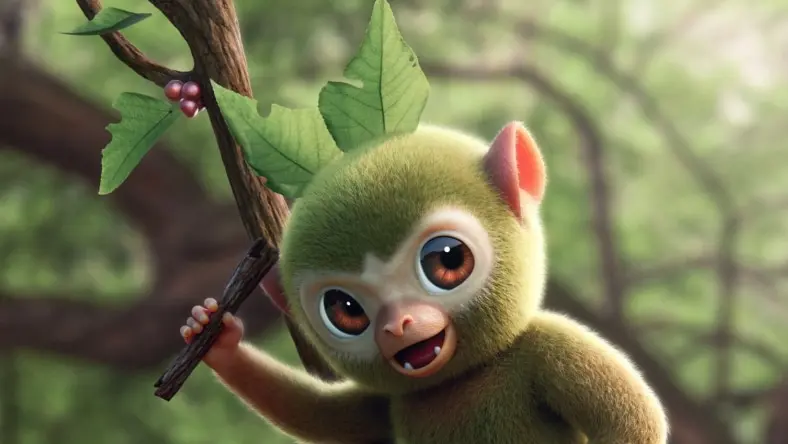
Rigging and Animation
Rigging and Animation
Rigging involves creating a skeleton of your character and making sure it's ready for action. You then animate the figure, creating fluid, natural movements and small gestures that cement its personality. Fine-tune every detail with character design software until your character is fully ready to step into their world.
Rigging involves creating a skeleton of your character and making sure it's ready for action. You then animate the figure, creating fluid, natural movements and small gestures that cement its personality. Fine-tune every detail with character design software until your character is fully ready to step into their world.
 You can build immersive worlds for your characters using Autodesk 3ds Max. Still image of Grand Space Opera courtesy of Tim Burroughs.
How has character design software changed animation?
How has character design software changed animation?
Character design software has transformed the animation industry, making the design process faster, easier, and more creatively flexible. These tools enable you to quickly build on ideas and effortlessly transition from traditional 2D drawings to intricate 3D animations.
With the ability to experiment with styles and access to rigging, movement, and physical simulation, you can create more lifelike animations that captivate your audience.
Collaboration and workflow optimization features help streamline production, ensuring everyone works together and stays consistent throughout the project.
Ultimately, 3D character design software lets you make better, more detailed, impactful characters while keeping costs down.
Character design software has transformed the animation industry, making the design process faster, easier, and more creatively flexible. These tools enable you to quickly build on ideas and effortlessly transition from traditional 2D drawings to intricate 3D animations.
With the ability to experiment with styles and access to rigging, movement, and physical simulation, you can create more lifelike animations that captivate your audience.
Collaboration and workflow optimization features help streamline production, ensuring everyone works together and stays consistent throughout the project.
Ultimately, 3D character design software lets you make better, more detailed, impactful characters while keeping costs down.
Exploring the mechanics of character design software

Animate characters
Animate characters
Maya lets you model, rig, and animate everything from digi doubles to lovable cartoon characters. Its visual programming environment, Bifrost, allows you to create stunning special effects that make your character designs truly shine.
Maya lets you model, rig, and animate everything from digi doubles to lovable cartoon characters. Its visual programming environment, Bifrost, allows you to create stunning special effects that make your character designs truly shine.

Build worlds
Build worlds
3ds Max is your ticket to building breathtaking worlds for your characters to explore. Design cool props for them to interact with and create immersive environments that tell a powerful story.
3ds Max is your ticket to building breathtaking worlds for your characters to explore. Design cool props for them to interact with and create immersive environments that tell a powerful story.

Render details
Render details
Whether you want your scene to look just like real life or more like a storybook, Maya and 3ds Max’s integrated renderer, Arnold, helps perfect your character design. Play with shading, lighting, and texture to make every moment pop off the screen.
Whether you want your scene to look just like real life or more like a storybook, Maya and 3ds Max’s integrated renderer, Arnold, helps perfect your character design. Play with shading, lighting, and texture to make every moment pop off the screen.
Benefits of character design software
Character design software offers many impactful benefits for the creation and development of characters in animation, gaming, and visual storytelling, including:
Character design software offers many impactful benefits for the creation and development of characters in animation, gaming, and visual storytelling, including:
Efficiency
Character-making software helps streamline the design process, allowing faster iterations and modifications while eliminating the constraints of traditional methods.
Character-making software helps streamline the design process, allowing faster iterations and modifications while eliminating the constraints of traditional methods.
Versatility
The software offers a range of features for diverse designs and easy modifications for a more adaptive design process.
The software offers a range of features for diverse designs and easy modifications for a more adaptive design process.
3D capabilities
Character design software enables artists to create detailed and realistic three-dimensional characters with unique textures and details.
Character design software enables artists to create detailed and realistic three-dimensional characters with unique textures and details.
Advanced animation tools
The software includes rigging and skeletal animation features that help create lifelike character movements and expressions.
The software includes rigging and skeletal animation features that help create lifelike character movements and expressions.
Special effects and dynamics
Character design software incorporates tools for creating special effects and physics-based animations, allowing dynamic elements like hair movement, cloth, and environmental effects.
Character design software incorporates tools for creating special effects and physics-based animations, allowing dynamic elements like hair movement, cloth, and environmental effects.
Collaboration and workflow
The software supports collaboration for a smoother workflow using file sharing and integrating various elements in the animation pipeline.
The software supports collaboration for a smoother workflow using file sharing and integrating various elements in the animation pipeline.

NEW OFFER - Flex now starting at $99
Autodesk Flex lets you prepay with tokens for flexible access to 100+ Autodesk products for a daily rate. Rates vary based on the product used. Flex is a great option for team members or solopreneurs who want to explore a product or only need project-based access. Combine Flex tokens with Autodesk products on select projects to:
Access 3D capabilities, BIM modeling and industry-specific toolsets.
Run advanced simulations, generate photorealistic renders, and access specialized manufacturing tools.
Scale software access up during production peaks without extra seats or long-term commitments.
Autodesk’s best software for character design
See how Autodesk’s customers use 3D character design software
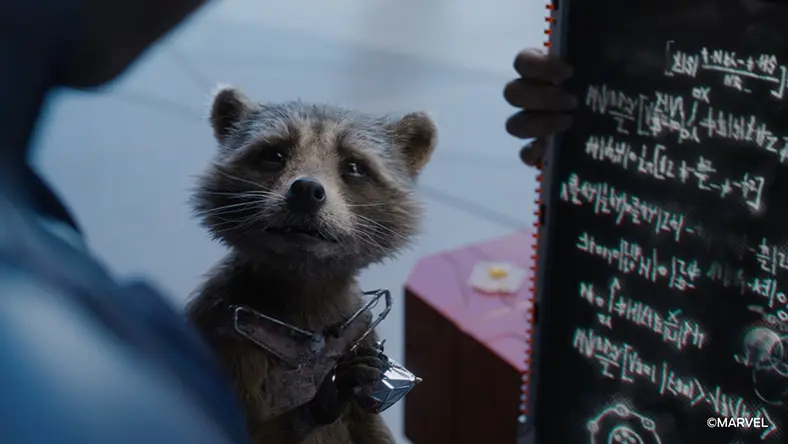
How to create believable character animation in Maya
How to create believable character animation in Maya
This award-winning studio shares an exclusive look into the development of visually stunning creature and character animations for Guardians of the Galaxy Vol. 3 using Autodesk Maya.
This award-winning studio shares an exclusive look into the development of visually stunning creature and character animations for Guardians of the Galaxy Vol. 3 using Autodesk Maya.
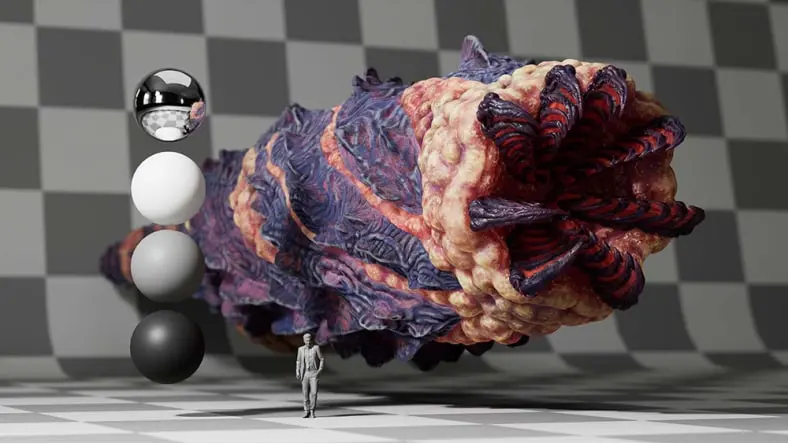
Bringing a giant sandworm to life
Bringing a giant sandworm to life
A leading educator in game development, VFX, and animation, CG Spectrum, created a Dune-inspired commercial entirely in-house.
A leading educator in game development, VFX, and animation, CG Spectrum, created a Dune-inspired commercial entirely in-house.
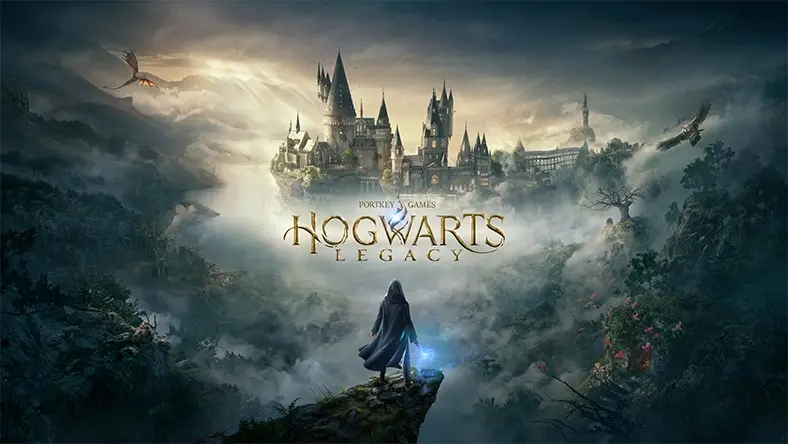
Crafting an immersive open-world RPG
Crafting an immersive open-world RPG
Video game publisher creates breathtaking characters, animations, and cinematics with Maya and MotionBuilder.
Video game publisher creates breathtaking characters, animations, and cinematics with Maya and MotionBuilder.
Free character design resources
Explore additional Autodesk resources for character design software.
Explore additional Autodesk resources for character design software.
Animation and rigging in Maya
Learn how recent additions to Maya can help you unlock performance gains when designing characters.
Learn how recent additions to Maya can help you unlock performance gains when designing characters.
Character designers, demystified
Go behind the scenes with character designer Stephen Silver, who worked on hit shows Kim Possible and Danny Phantom.
Go behind the scenes with character designer Stephen Silver, who worked on hit shows Kim Possible and Danny Phantom.
Captivating audiences with animation
Discover how Mikros Animation imprints on viewers with innovative animation styles through its iconic films.
Discover how Mikros Animation imprints on viewers with innovative animation styles through its iconic films.
Autodesk Media & Entertainment YouTube channel
Subscribe to Autodesk’s Media & Entertainment YouTube channel for valuable digital content creation how-tos, insightful artist and studio profiles, and jaw-dropping showreels.
Subscribe to Autodesk’s Media & Entertainment YouTube channel for valuable digital content creation how-tos, insightful artist and studio profiles, and jaw-dropping showreels.
Autodesk Media & Entertainment blog
If you’re working in Maya, 3ds Max, Autodesk’s Media & Entertainment blog keeps you abreast of industry trends, events, artist stories, tutorials, and more.
If you’re working in Maya, 3ds Max, Autodesk’s Media & Entertainment blog keeps you abreast of industry trends, events, artist stories, tutorials, and more.
Capcom's RE ENGINE tools for Dragons Dogma 2
Discover Capcom's enhancement of RE ENGINE tools used to create the stunning Dragon’s Dogma 2.
Discover Capcom's enhancement of RE ENGINE tools used to create the stunning Dragon’s Dogma 2.
Frequently asked questions (FAQs) on character design software
What makes a character design stand out?
A unique and memorable appearance characterizes standout character design, reflecting distinct visual attributes that set the character apart. It encompasses depth and personality, creating a compelling backstory and individual traits that engage the audience. Visual appeal through balanced colors, shapes, and proportions is crucial, as is functionality for clear movement and expression. A cohesive and consistent design, combined with the ability to evoke emotions or create an emotional connection, distinguishes a character and helps ensure a lasting impact.
How can software help design characters?
Character design software greatly benefits designers by offering efficiency, speed, and a versatile toolkit for exploring multiple design possibilities. These digital tools enable the creation of three-dimensional, detailed characters with depth and realism while incorporating animation features to bring characters to life through movement and expression. Additionally, software like Bifrost for Maya includes tools for special effects and simulations, enhancing a character’s visual appeal. Collaboration and workflow optimization features simplify file sharing and integration, streamlining teamwork on larger projects.
How long does it take to design a character?
The time needed to design a character can vary widely based on the design’s complexity, the artist’s experience, the project’s scope, and the character’s intended use. Simple character sketches might take a few hours, while more intricate, detailed characters for 3D animation or games could span several weeks or months. Experienced artists might work more efficiently, but extensive revisions and iterations are typical in character design and can extend the timeline. The tools and technology used, like specialized character design software, can significantly impact the speed and efficiency of the design process.
How do you become a character designer?
Start by honing your artistic skills through practice and study, focusing on creative, diverse, and distinct characters. Build a strong portfolio showcasing your best work and explore various styles and techniques. Stay engaged with industry trends and network with other character designers to find opportunities and grow in your field.
Where to find inspiration for character design?
Inspiration for character design can be found everywhere—explore art, movies, and games to see how different characters are crafted. You could even look at nature, fashion, and history for unique traits and styles. Tap into online communities and social media to discover new ideas and share concepts with fellow character designers.