
Bill of materials (bom) software
Manage product data more efficiently with BOM software
Manage product data more efficiently with BOM software
Streamline production, reduce costs, enhance product quality and efficiency with bill of materials (BOM) management.

What is a bill of materials (BOM)?
What is a bill of materials (BOM)?
A bill of materials (BOM) is a comprehensive list of raw materials, components, and parts needed to manufacture a product. It serves as a blueprint for the production process, detailing every item needed to assemble the final product. A BOM includes part names, descriptions, quantities, and specifications. Manufacturers gain a clear understanding of what is needed for each stage of production and is necessary for inventory management, procurement, and production planning.
BOMs can vary in complexity and can range from simple lists for more basic products to intricate multi-level BOMs for complex assemblies. They're typically categorized into different types, such as single-level BOMs and multi-level BOMs. Single-level BOMs list components directly required for assembly, and multi-level BOMs break down sub-assemblies into further detail. By capturing, configuring, and managing all product data, BOMs play a critical role in maintaining product quality. They enhance communication among departments, support change management, and regulatory compliance.
A bill of materials (BOM) is a comprehensive list of raw materials, components, and parts needed to manufacture a product. It serves as a blueprint for the production process, detailing every item needed to assemble the final product. A BOM includes part names, descriptions, quantities, and specifications. Manufacturers gain a clear understanding of what is needed for each stage of production and is necessary for inventory management, procurement, and production planning.
BOMs can vary in complexity and can range from simple lists for more basic products to intricate multi-level BOMs for complex assemblies. They're typically categorized into different types, such as single-level BOMs and multi-level BOMs. Single-level BOMs list components directly required for assembly, and multi-level BOMs break down sub-assemblies into further detail. By capturing, configuring, and managing all product data, BOMs play a critical role in maintaining product quality. They enhance communication among departments, support change management, and regulatory compliance.
Why is BOM management important in manufacturing?
Why is BOM management important in manufacturing?
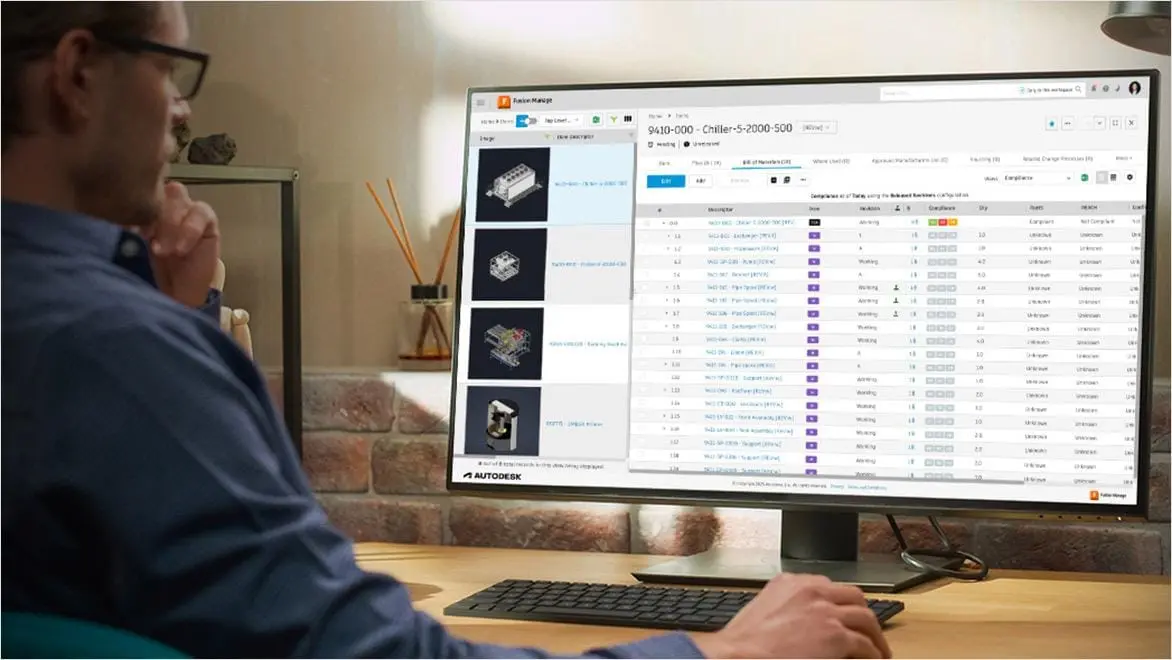
Real-time BOM management gives all departments access to the latest and most accurate information. This reduces the risk of errors, such as ordering incorrect parts or assembling products with outdated components, that often lead to costly production delays and known issues. By providing up-to-date BOM data, real-time management helps sync efforts across design, engineering, procurement, and manufacturing teams, enhancing overall coordination and efficiency.
Real-time BOM management supports rapid adaptation to changes in design, customer requirements, or market conditions. As modifications occur, they are instantly reflected in the BOM. This agility is a must in today's fast-paced manufacturing environment, where the ability to innovate and personalize products quickly can be a significant competitive advantage.
Real-time BOM management gives all departments access to the latest and most accurate information. This reduces the risk of errors, such as ordering incorrect parts or assembling products with outdated components, that often lead to costly production delays and known issues. By providing up-to-date BOM data, real-time management helps sync efforts across design, engineering, procurement, and manufacturing teams, enhancing overall coordination and efficiency.
Real-time BOM management supports rapid adaptation to changes in design, customer requirements, or market conditions. As modifications occur, they are instantly reflected in the BOM. This agility is a must in today's fast-paced manufacturing environment, where the ability to innovate and personalize products quickly can be a significant competitive advantage.
How does bill of materials software work?
How does bill of materials software work?
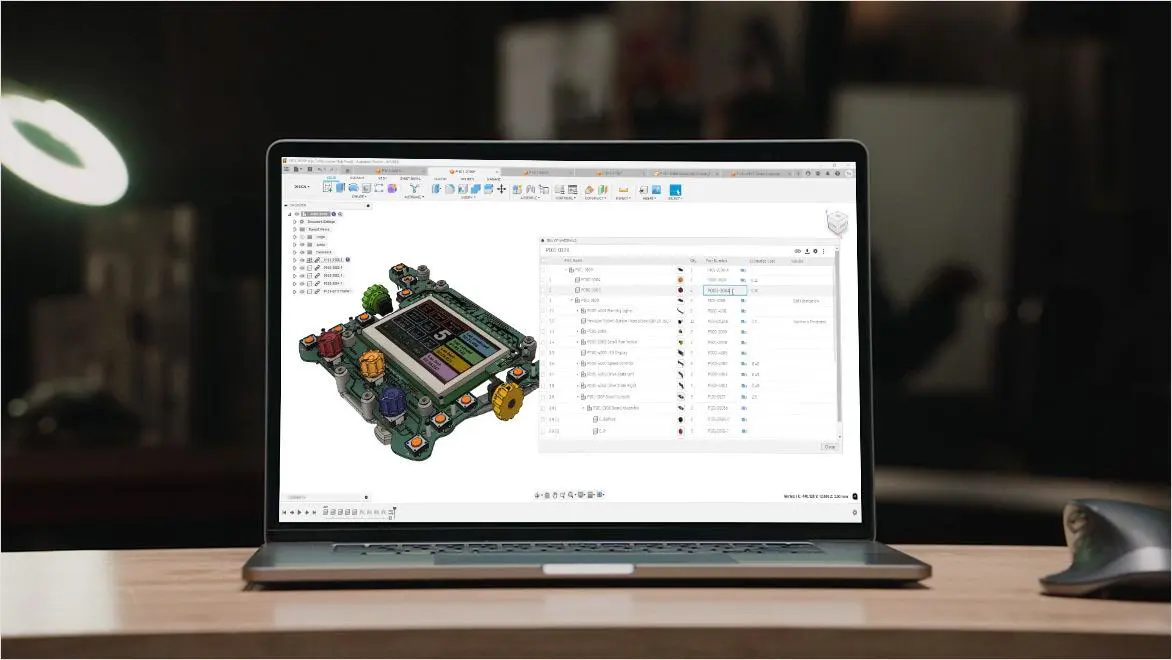
Bill of materials (BOM) software organizes the creation, management, and revision of BOMs within manufacturing processes. It automates the gathering of all necessary materials, components, and parts required for product assembly. BOM software also typically integrates with other enterprise systems such as ERP (Enterprise resource planning), and inventory management systems, for seamless communication and data exchange across departments.
Bill of materials software also allows manufacturers to easily update BOMs, track changes, and maintain consistency throughout the product lifecycle. By using BOM software, companies can better manage costs, optimize inventory, improve production planning, and maintain compliance with industry standards.
Bill of materials (BOM) software organizes the creation, management, and revision of BOMs within manufacturing processes. It automates the gathering of all necessary materials, components, and parts required for product assembly. BOM software also typically integrates with other enterprise systems such as ERP (Enterprise resource planning), and inventory management systems, for seamless communication and data exchange across departments.
Bill of materials software also allows manufacturers to easily update BOMs, track changes, and maintain consistency throughout the product lifecycle. By using BOM software, companies can better manage costs, optimize inventory, improve production planning, and maintain compliance with industry standards.
What are the benefits of bill of materials management?
Implementing BOM software offers numerous benefits to organizations, including:
Implementing BOM software offers numerous benefits to organizations, including:
Improved accuracy
Improved accuracy
BOM management makes certain that all components and materials required for production are listed accurately, reducing the risk of errors and omissions during manufacturing.
BOM management makes certain that all components and materials required for production are listed accurately, reducing the risk of errors and omissions during manufacturing.
Enhanced efficiency
Enhanced efficiency
By providing a detailed and organized list of materials, BOM management streamlines the production process. This leads to faster and more efficient operations.
By providing a detailed and organized list of materials, BOM management streamlines the production process. This leads to faster and more efficient operations.
Effective cost control
Effective cost control
BOM management helps track material costs and usage. This allows for better budgeting and cost management, leading to significant savings.
BOM management helps track material costs and usage. This allows for better budgeting and cost management, leading to significant savings.
Simplified troubleshooting
Simplified troubleshooting
BOM management can be invaluable during troubleshooting and maintenance, providing a detailed reference for identifying and replacing defective parts.
BOM management can be invaluable during troubleshooting and maintenance, providing a detailed reference for identifying and replacing defective parts.
Better inventory management
Better inventory management
BOM management helps organizations better manage inventory by knowing exactly what materials are needed and in what quantities, thus minimizing excess stock and shortages.
BOM management helps organizations better manage inventory by knowing exactly what materials are needed and in what quantities, thus minimizing excess stock and shortages.
Improved communication
Improved communication
BOM management streamlines the production process by providing a detailed and organized list of materials. This leads to faster and more efficient operations.
BOM management streamlines the production process by providing a detailed and organized list of materials. This leads to faster and more efficient operations.
Enhanced product quality
Enhanced product quality
By making sure that all necessary components are included and correctly specified, BOM management helps maintain high-quality standards in the final product.
By making sure that all necessary components are included and correctly specified, BOM management helps maintain high-quality standards in the final product.
Regulatory compliance
Regulatory compliance
BOM management accurately documents materials and components used in production to help make sure that products meet regulatory standards.
BOM management accurately documents materials and components used in production to help make sure that products meet regulatory standards.
Autodesk bill of materials software solutions
What are the different types of BOMs?
There are many kinds of BOMs, including purchasing BOMs, service BOMs, assembly BOMs, and others. The most familiar types of BOMs typically include
There are many kinds of BOMs, including purchasing BOMs, service BOMs, assembly BOMs, and others. The most familiar types of BOMs typically include
EBOM (Engineering bill of materials)
EBOM (Engineering bill of materials)
Engineering BOMs outline all items, parts, components, subassemblies, and subassemblies in the product. These are typically used by engineers and designers or use CAD or ECAD tools.
Engineering BOMs outline all items, parts, components, subassemblies, and subassemblies in the product. These are typically used by engineers and designers or use CAD or ECAD tools.
MBOM (Manufacturing bill of materials)
MBOM (Manufacturing bill of materials)
Manufacturing BOMs account for any parts that require processing or preparation before assembly. It's a go-to document for every part and assembly needed for a finished product.
Manufacturing BOMs account for any parts that require processing or preparation before assembly. It's a go-to document for every part and assembly needed for a finished product.
SBOM (Service bill of materials)
SBOM (Service bill of materials)
The service BOM is a comprehensive inventory of all serviceable components required to maintain an asset during its operational lifecycle and is primarily used by mechanics, technicians, and other maintenance professionals.
The service BOM is a comprehensive inventory of all serviceable components required to maintain an asset during its operational lifecycle and is primarily used by mechanics, technicians, and other maintenance professionals.
History of bill of materials (BOM)
Manual systems and mainframe computers
Manual systems and mainframe computers
During this time, BOMs were still primarily managed manually, however the introduction of typewriters and early computing machines helped streamline documentation.
Large manufacturing companies began using mainframe computers to manage inventory and production schedules, proving the framework for computerized BOM management.
During this time, BOMs were still primarily managed manually, however the introduction of typewriters and early computing machines helped streamline documentation.
Large manufacturing companies began using mainframe computers to manage inventory and production schedules, proving the framework for computerized BOM management.

Industries that benefit from bill of materials (BOM) management
Here are some top industries that benefit from improved efficiency, reduced errors, and enhanced collaboration provided by effective BOM software solutions.
Here are some top industries that benefit from improved efficiency, reduced errors, and enhanced collaboration provided by effective BOM software solutions.

Consumer products
Consumer products
BOM helps consumer goods companies optimize production and inventory. It also improves collaboration between design, procurement, and manufacturing teams.
BOM helps consumer goods companies optimize production and inventory. It also improves collaboration between design, procurement, and manufacturing teams.

Automotive
Automotive
Bill of materials software helps automotive manufacturers manage complex assemblies and sub-assemblies. It also aids in maintaining compliance with industry standards and regulations.
Bill of materials software helps automotive manufacturers manage complex assemblies and sub-assemblies. It also aids in maintaining compliance with industry standards and regulations.

Aerospace
Aerospace
The aerospace industry relies on BOM software to manage highly detailed and regulatory components. It also helps with traceability and compliance with strict quality standards.
The aerospace industry relies on BOM software to manage highly detailed and regulatory components. It also helps with traceability and compliance with strict quality standards.
Manufacturing
Manufacturing
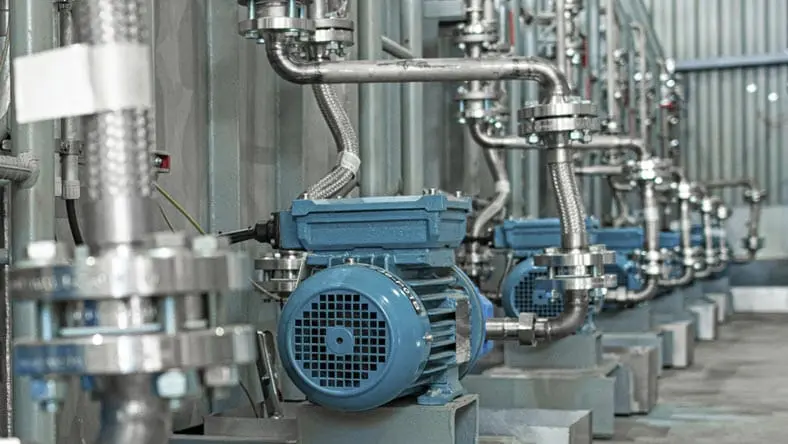
Manufacturers use BOM for the efficient tracking of components and materials, and to streamline production processes and inventory management.
Manufacturers use BOM for the efficient tracking of components and materials, and to streamline production processes and inventory management.
Medical devices
Medical devices
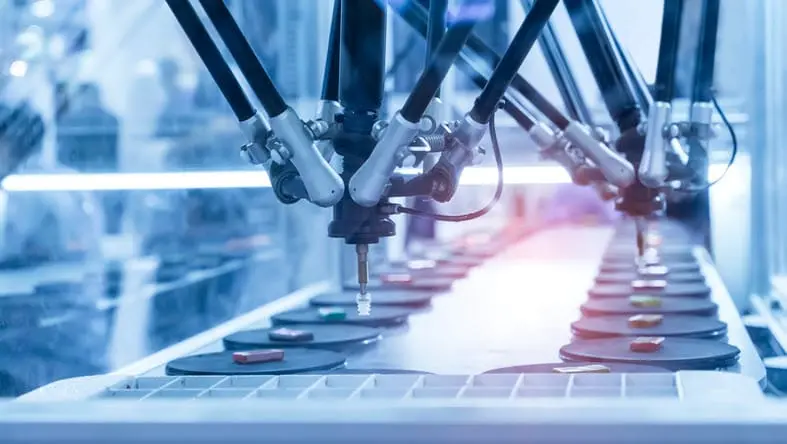
BOM systems help ensure accuracy and compliance with healthcare regulations and documentation for quality assurance.
BOM systems help ensure accuracy and compliance with healthcare regulations and documentation for quality assurance.
Electronics
Electronics
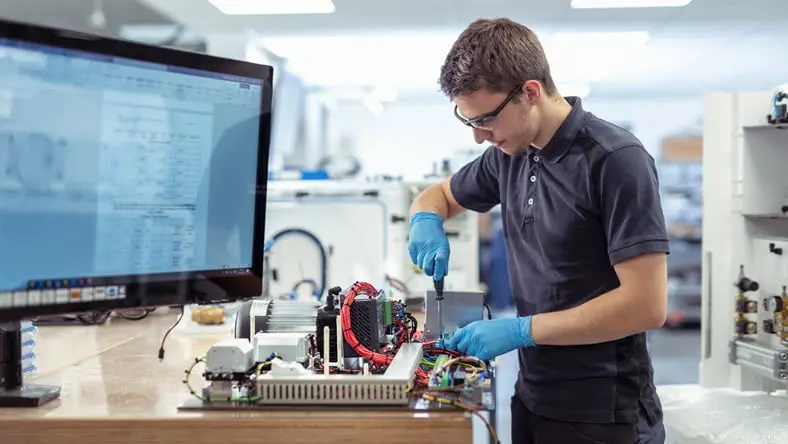
BOM management software helps electronics manufacturers handle intricate designs and a multitude of detailed parts.
BOM management software helps electronics manufacturers handle intricate designs and a multitude of detailed parts.
Benefits of BOM in the digital thread
Bill of materials management plays a critical role in connecting product development data and processes, helping organizations maintain a digital thread. Here are benefits of BOM in the digital thread:
Bill of materials management plays a critical role in connecting product development data and processes, helping organizations maintain a digital thread. Here are benefits of BOM in the digital thread:
Enhanced traceability
Enhanced traceability
The digital thread offers a complete, interconnected view of product data throughout its lifecycle. By linking BOM information with design, manufacturing, and service data, it boosts traceability and promotes visibility at every stage of the product development process.
The digital thread offers a complete, interconnected view of product data throughout its lifecycle. By linking BOM information with design, manufacturing, and service data, it boosts traceability and promotes visibility at every stage of the product development process.
Improved collaboration
Improved collaboration
Integrating BOM management with the digital thread lets design, engineering, procurement, manufacturing, and service teams collaborate seamlessly, keeping everyone on the same page with the latest information.
Integrating BOM management with the digital thread lets design, engineering, procurement, manufacturing, and service teams collaborate seamlessly, keeping everyone on the same page with the latest information.
Boosted efficiency
Boosted efficiency
The digital thread keeps BOM data accurate and up-to-date across all systems. This reduces entry errors, speeds up decision-making and improves operational efficiency, driving faster time-to-market and lowering costs.
The digital thread keeps BOM data accurate and up-to-date across all systems. This reduces entry errors, speeds up decision-making and improves operational efficiency, driving faster time-to-market and lowering costs.
Bill of materials (BOM) frequently asked questions (FAQs)
What does BOM stand for?
BOM stands for bill of materials. It's a comprehensive list of all components, materials, parts, and sub-assemblies required to manufacture a product. BOMs also include the quantity, description, and specifications of each item.
Why is BOM important in manufacturing?
A bill of materials helps make sure that all necessary materials and components are available for production. BOMs also helps with cost estimation, support inventory management, and provide a clear blueprint for assembling the final product.
How does BOM improve efficiency?
BOM software improves efficiency by automating the creation and updating of BOMs. They provides real-time access to information, accurate documentation, and boosts collaboration among different departments. Bill of materials software also helps in tracking costs and managing changes seamlessly.
How does BOM software help with cost management?
BOM software helps with cost management by calculating the cost of materials and components, monitoring expenses, and providing insights into cost-saving opportunities. It ensures that budgets are adhered to and helps in optimizing resource allocation.
What is BOM management?
BOM management involves the processes and systems used to create, maintain, and update the BOM throughout the product lifecycle. It maintains accuracy, version control, and effective communication of changes to all stakeholders.