What is agile product development?
What is agile product development?
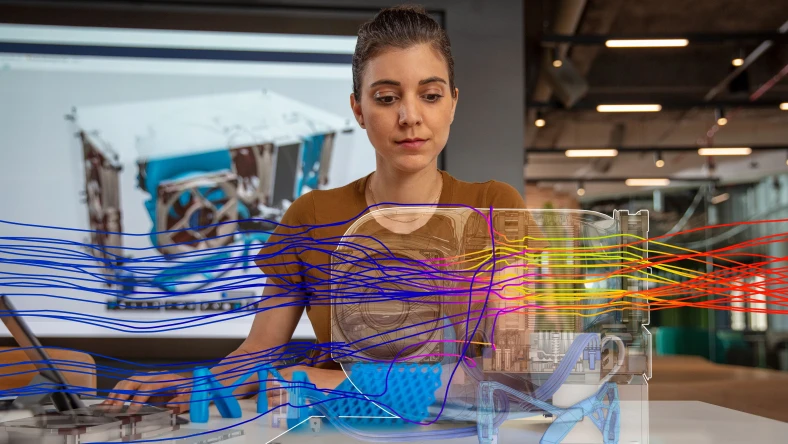
Agile product development is an iterative approach to creating products that emphasizes flexibility, collaboration, and customer feedback. It involves breaking down large projects into smaller tasks and organizing them in short, manageable cycles called sprints. Agile project management ensures that teams collaborate closely, adjust to changes quickly, and deliver value regularly, enabling faster and more responsive development processes.
Agile product development is an iterative approach to creating products that emphasizes flexibility, collaboration, and customer feedback. It involves breaking down large projects into smaller tasks and organizing them in short, manageable cycles called sprints. Agile project management ensures that teams collaborate closely, adjust to changes quickly, and deliver value regularly, enabling faster and more responsive development processes.
What is agile product development software?
What is agile product development software?
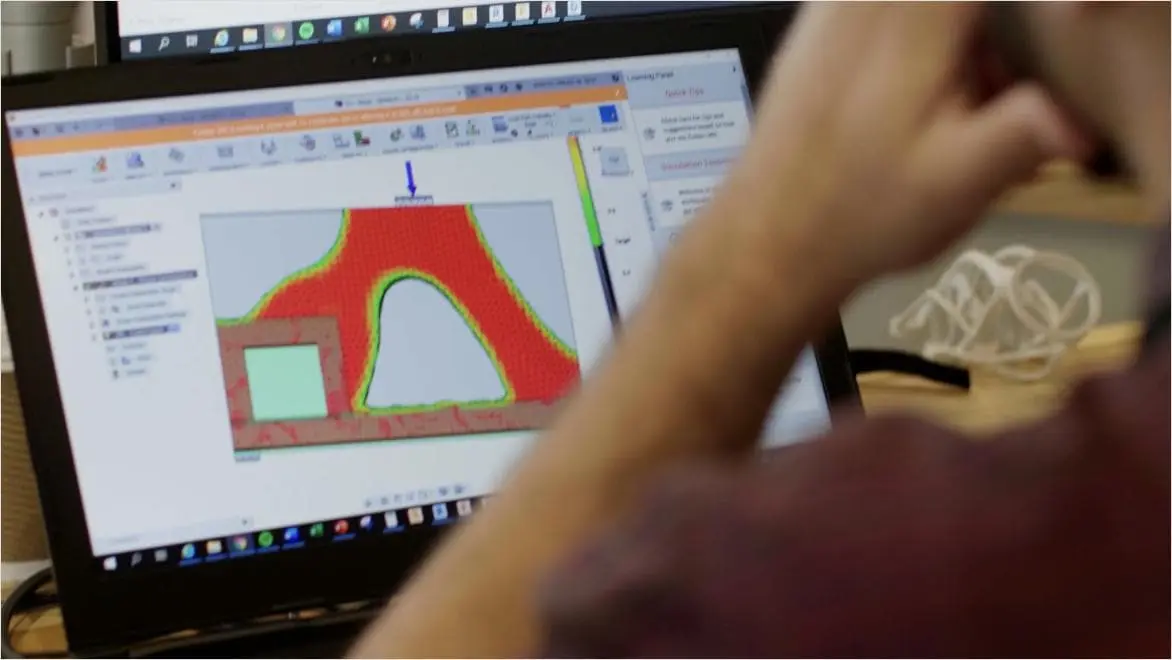
Agile product development software is a tool designed to assist teams in managing the Agile process. It enables real-time collaboration, task management, backlog prioritization, and sprint tracking. These tools help streamline workflows, keep teams aligned, and ensure consistent progress toward product goals.
Agile product development software is a tool designed to assist teams in managing the Agile process. It enables real-time collaboration, task management, backlog prioritization, and sprint tracking. These tools help streamline workflows, keep teams aligned, and ensure consistent progress toward product goals.
How does agile project management support product development?
How does agile project management support product development?
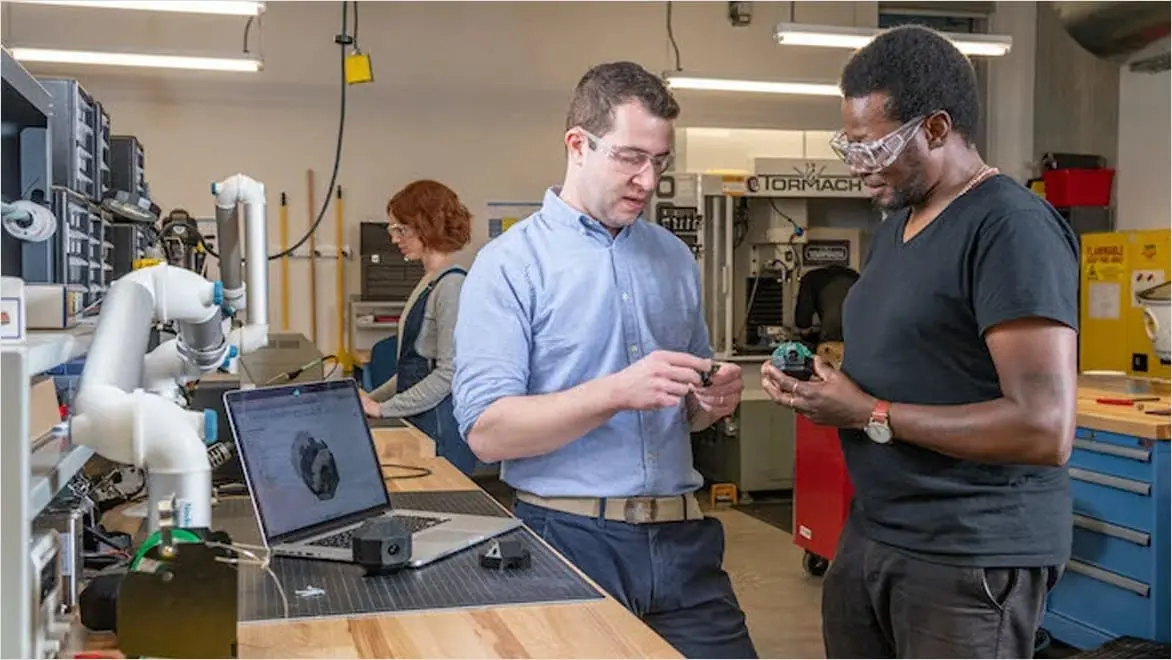
Agile project management supports product development by enabling quick adjustments to evolving customer needs. It fosters frequent collaboration between stakeholders, quick iterations, and regular reviews to ensure the product meets market demands while reducing development time and costs.
Agile project management supports product development by enabling quick adjustments to evolving customer needs. It fosters frequent collaboration between stakeholders, quick iterations, and regular reviews to ensure the product meets market demands while reducing development time and costs.
Features of agile product development software
Task management
Task management
Helps organize and prioritize tasks within sprints, ensuring the team is focused on the most critical work.
Helps organize and prioritize tasks within sprints, ensuring the team is focused on the most critical work.
Collaboration tools
Collaboration tools
Enables real-time communication and file sharing, improving coordination between team members and stakeholders.
Enables real-time communication and file sharing, improving coordination between team members and stakeholders.
Sprint tracking
Sprint tracking
Tracks progress of tasks within each sprint, offering insights into completion rates and areas requiring attention.
Tracks progress of tasks within each sprint, offering insights into completion rates and areas requiring attention.
Integration with other tools
Integration with other tools
Connects with other development tools (e.g., CAD software or version control systems), ensuring a seamless workflow across various platforms.
Connects with other development tools (e.g., CAD software or version control systems), ensuring a seamless workflow across various platforms.
See how customers are leveraging agile product development software

Shiftwave
Shiftwave
Shiftwave embraces agile product development, rapidly iterating designs and adapting based on real-time feedback to enhance performance and durability.
Shiftwave embraces agile product development, rapidly iterating designs and adapting based on real-time feedback to enhance performance and durability.
content://pricing-dictionary#/dictionaryJson/pricing/sentence (content://pricing-dictionary#/dictionaryJson/pricing/bestPrice, )
Project Mjolnir
Project Mjolnir
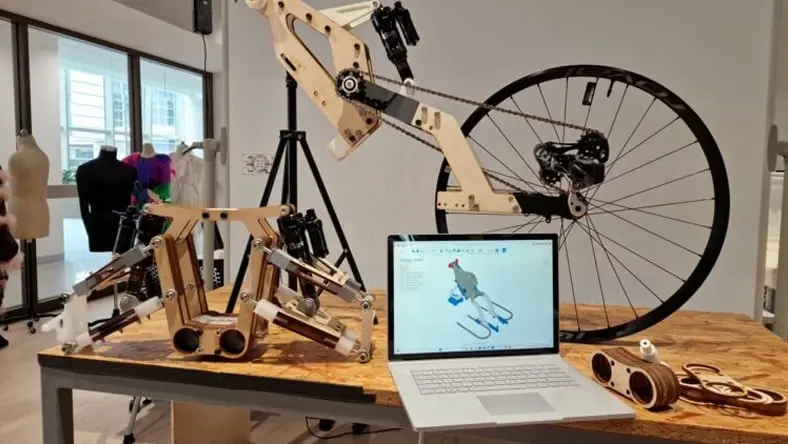
Project Mjolnir thrives on global collaboration, uniting students and engineers to design adaptive bikes that push boundaries and inspire.
Project Mjolnir thrives on global collaboration, uniting students and engineers to design adaptive bikes that push boundaries and inspire.
content://pricing-dictionary#/dictionaryJson/pricing/sentence (content://pricing-dictionary#/dictionaryJson/pricing/bestPrice, )
What is agile product design and how does it work?
What is agile product design and how does it work?
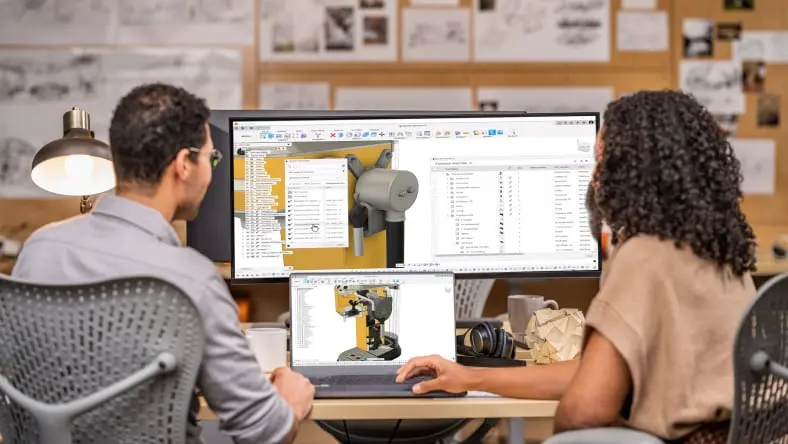
Agile product design applies Agile principles to the design phase, emphasizing iterative development and feedback. Designers work in short cycles, continuously refining prototypes based on user feedback. This allows for constant validation, ensuring the final design meets both customer needs and technical requirements.
Agile product design applies Agile principles to the design phase, emphasizing iterative development and feedback. Designers work in short cycles, continuously refining prototypes based on user feedback. This allows for constant validation, ensuring the final design meets both customer needs and technical requirements.
How does agile methodology apply to Fusion standards?
How does agile methodology apply to Fusion standards?
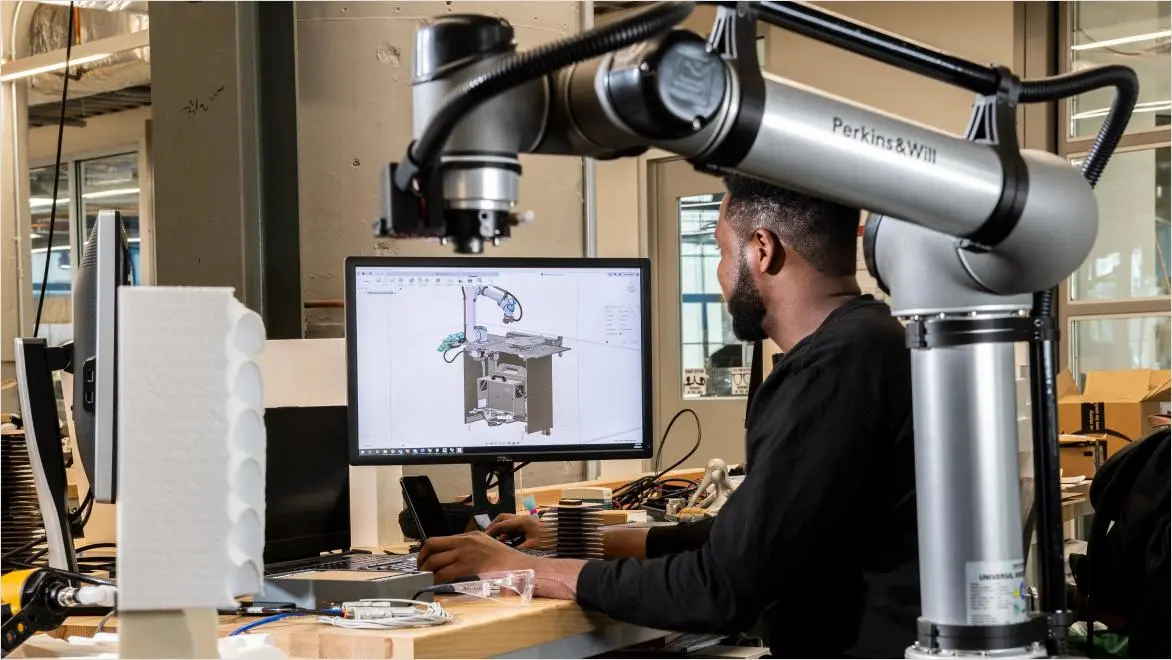
Flexibility and Continuous Improvement: Agile enables teams to adapt quickly to changes and encourages ongoing refinement, which complements Fusion’s focus on optimization throughout product development.
Breaking Projects into Sprints: Agile divides projects into smaller sprints, allowing teams to focus on specific tasks. This approach works well with Fusion’s iterative design and manufacturing processes.
Rapid Iteration and Feedback: Agile promotes testing and feedback at each sprint, ensuring designs are continually improved. Fusion’s tools support quick updates and refinement of prototypes.
Optimized Design and Faster Delivery: Agile helps teams address issues early, ensuring continuous optimization. Fusion’s cloud-based collaboration tools streamline the process, accelerating high-quality product delivery.
Flexibility and Continuous Improvement: Agile enables teams to adapt quickly to changes and encourages ongoing refinement, which complements Fusion’s focus on optimization throughout product development.
Breaking Projects into Sprints: Agile divides projects into smaller sprints, allowing teams to focus on specific tasks. This approach works well with Fusion’s iterative design and manufacturing processes.
Rapid Iteration and Feedback: Agile promotes testing and feedback at each sprint, ensuring designs are continually improved. Fusion’s tools support quick updates and refinement of prototypes.
Optimized Design and Faster Delivery: Agile helps teams address issues early, ensuring continuous optimization. Fusion’s cloud-based collaboration tools streamline the process, accelerating high-quality product delivery.
Frequently asked questions (FAQs) about agile product development
What is agile product development?
Agile product development is an iterative approach to creating products that emphasizes collaboration, flexibility, and customer feedback. It involves breaking projects into smaller cycles, called sprints, to deliver value continuously.
How does agile methodology differ from traditional development?
Iterative Approach: Agile emphasizes building in cycles, allowing for incremental progress and adaptability, while traditional models (like Waterfall) focus on completing all stages sequentially.
Customer Feedback: Agile incorporates user input throughout the development process, helping refine the product continuously, whereas traditional methods often deliver a final product without iterative feedback.
Flexibility: Agile thrives on adjusting plans as new insights emerge, making it more adaptable to market shifts compared to the rigid structure of traditional development.
What are the benefits of using agile in product development?
Agile improves efficiency by breaking down complex projects into smaller tasks, allowing teams to focus on specific deliverables and make iterative improvements. This results in faster time-to-market, higher quality products due to ongoing testing and feedback, and better alignment with customer needs as priorities are reassessed after each sprint. Teams also benefit from improved collaboration across functions, fostering innovation and adaptability.
What are the common challenges of agile product development?
Transitioning to Agile can be difficult due to cultural resistance, lack of experience with iterative processes, and unclear role definitions. Teams might struggle with balancing frequent feedback loops and adhering to deadlines. To overcome these challenges, organizations need proper training, support from leadership, and tools that promote visibility, like Fusion Manage or Fusion Contributor.
How does Fusion support agile product development?
Fusion supports Agile by providing a cloud-based platform where teams can design, simulate, and test products iteratively. Its real-time collaboration features enable team members and stakeholders to review updates instantly, share feedback seamlessly, and adapt designs based on insights. This ensures alignment and faster progress during each sprint while reducing the risk of miscommunication.
What role does Fusion Contributor play in agile development?
Fusion Contributor acts as a central hub for collaboration, ensuring all project data is stored and accessible in one place. Team members can track changes, manage version history, and provide feedback in real time. This capability reduces delays, fosters transparency, and ensures that stakeholders always have access to the latest version of the design.
How does Fusion Manage enhance agile processes?
Fusion Manage strengthens Agile workflows by providing tools for task tracking, process automation, and progress monitoring. Teams can assign tasks, set priorities, and track progress across sprints using customizable dashboards. Its real-time reporting features ensure everyone has clear visibility into project status, facilitating better decision-making and collaboration.
Can Fusion be used for both hardware and software development?
Yes, Fusion is particularly well-suited for Agile hardware development, providing tools for rapid prototyping, simulation, and manufacturability analysis. While it primarily focuses on physical product design, it integrates smoothly with software development tools, making it ideal for hybrid projects that involve hardware and software components.