Accelerate positive impact at scale

Autodesk at COP30

Autodesk continues its engagement at the UN Climate Change Conference, participating to COP30 in Brazil from November 10 to November 21, 2025.

Autodesk at the COP30 Buildings and Cooling Pavilion

Autodesk partnered with UNEP (UN Environment Programme) and GlobalABC to support the Buildings + Cooling Pavilion. This Pavilion aims to bring together the entire built environment value chain and the cooling community.

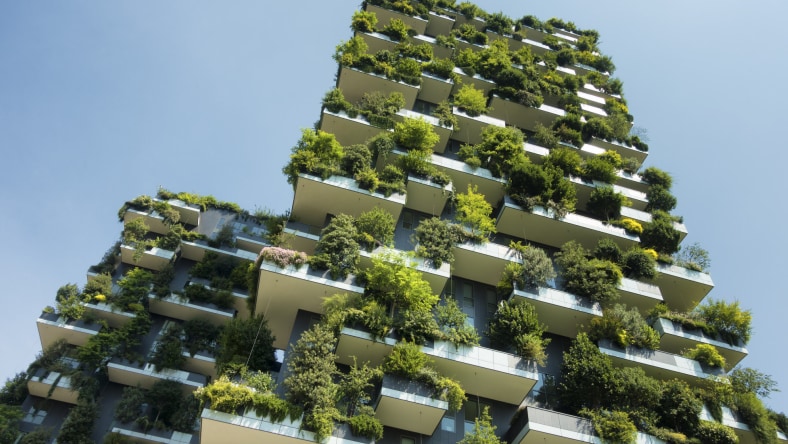
Green building with trees

Best Practices to Translate BIM to Carbon

This technical discourse identified step-by-step opportunities for alignment and transparency within the industry, promoting actionable carbon assessments driven by BIM to support decarbonization efforts.


City and solar panel

Global cooperation: a low carbon, resilient, circular future

This session highlighted circular and Sustainable Public Procurement (SPP) as a high-impact, transformative instrument to accelerate the shift towards a near-zero emission and resilient built environment, one of the world’s most resource-intensive sectors.


COP30 Brazil logo on a document

Key Levers for a Net Zero Built Environment

Looking at key expectations for Market Transformation at COP30, this panel discussion brought together diverse perspectives on advancing whole life carbon alignment, integrating carbon cost and price, and transforming supply and demand in the built environment sector.


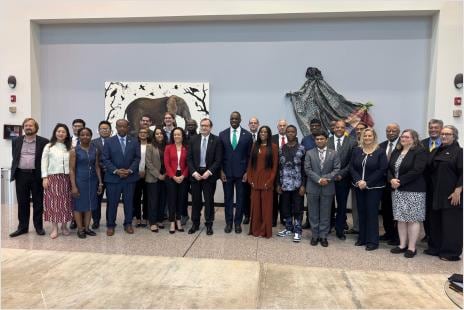
Photo: © UN Climate Change - Kiara Worth

Energy Efficiency


Saving energy while growing the economy is good business

Autodesk joined 180 U.S. companies in affirming our support for the UN Climate Change goal of doubling the global rate of energy efficiency improvements.


WBCSD: A Guide to Alignment in the Built Environment

Step-by-step recommendations for consistent and transparent embodied carbon assessments through BIM workflow optimization.

In the news

Embodied carbon: Building in sustainability from day one

For architects, considering embodied carbon early in the design process is key to designing more sustainable buildings and driving meaningful change toward a lower carbon-built environment.

Check our FY25 Impact Report