Autodesk Fusion for Mechatronics engineering
Mechatronics
Mechatronics
Autodesk Fusion is revolutionizing mechatronics engineering by offering an advanced workspace that seamlessly integrates mechanical, electronic, and control system design within a single platform.
What is mechatronics?
What is mechatronics?
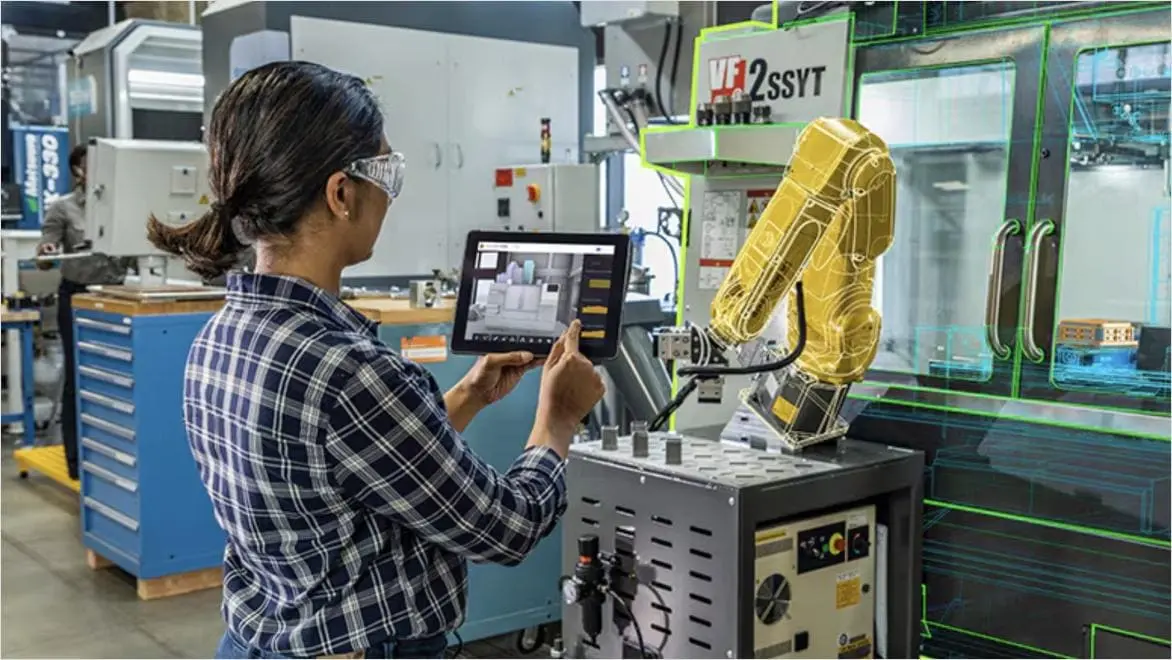
Mechatronics, also called mechatronics engineering is a multidisciplinary field that merges mechanical engineering, electrical engineering, computer science, and control engineering to design and develop innovative, intelligent systems. At its core, mechatronics combines these diverse engineering disciplines to create advanced systems capable of sensing, actuating, and controlling processes with exceptional precision and efficiency. These systems encompass a wide range, from everyday household appliances to complex industrial robots, and advanced medical devices.
Mechatronics, also called mechatronics engineering is a multidisciplinary field that merges mechanical engineering, electrical engineering, computer science, and control engineering to design and develop innovative, intelligent systems. At its core, mechatronics combines these diverse engineering disciplines to create advanced systems capable of sensing, actuating, and controlling processes with exceptional precision and efficiency. These systems encompass a wide range, from everyday household appliances to complex industrial robots, and advanced medical devices.
Why is mechatronics important?
Why is mechatronics important?
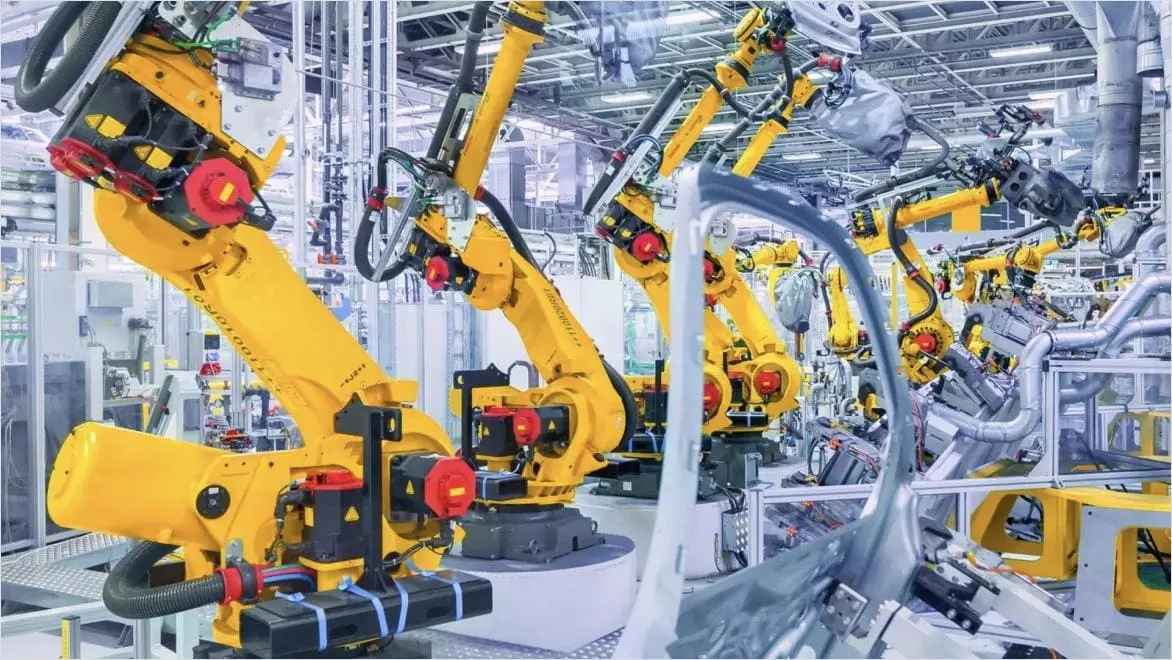
The significance of mechatronics lies in its capacity to boost the functionality, performance, and reliability of products and systems. By harnessing the strengths of mechanical engineering, electronics, computer science, and control engineering, mechatronics engineering facilitates the development of smarter, more adaptable, and efficient technologies that cater to the needs of today's dynamic industries. This interdisciplinary approach fosters innovation and paves the way for cutting-edge solutions that greatly enhance quality of life and industrial productivity.
The significance of mechatronics lies in its capacity to boost the functionality, performance, and reliability of products and systems. By harnessing the strengths of mechanical engineering, electronics, computer science, and control engineering, mechatronics engineering facilitates the development of smarter, more adaptable, and efficient technologies that cater to the needs of today's dynamic industries. This interdisciplinary approach fosters innovation and paves the way for cutting-edge solutions that greatly enhance quality of life and industrial productivity.
The role of a mechatronics engineer
The role of a mechatronics engineer
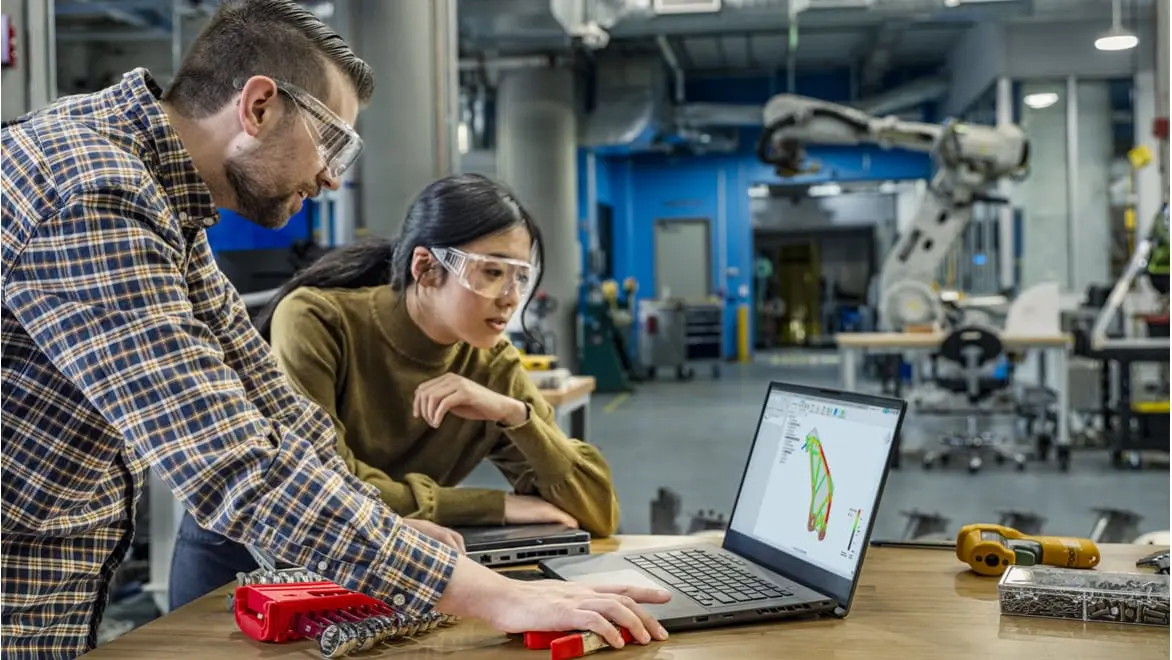
Mechatronics engineers design, develop, and maintain smart machines and systems by integrating mechanical, electrical, and control engineering principles. They create and test prototypes to ensure seamless system integration, develop automation solutions, troubleshoot issues, and manage projects through completion. They also engage in research and development to innovate and improve technologies, collaborate with interdisciplinary teams, and produce detailed documentation for their systems.
Mechatronics engineers design, develop, and maintain smart machines and systems by integrating mechanical, electrical, and control engineering principles. They create and test prototypes to ensure seamless system integration, develop automation solutions, troubleshoot issues, and manage projects through completion. They also engage in research and development to innovate and improve technologies, collaborate with interdisciplinary teams, and produce detailed documentation for their systems.
Core components of mechatronics engineering
Mechatronics blends core components to create advanced systems, showcasing its functionality and applications.
Mechatronics blends core components to create advanced systems, showcasing its functionality and applications.
Mechanical systems
Mechanical systems
These are the core of mechatronic systems, including motors, gears, and actuators that perform physical actions and translate control signals into movement or force.
These are the core of mechatronic systems, including motors, gears, and actuators that perform physical actions and translate control signals into movement or force.
Electronic systems
Electronic systems
Electronics control and power mechanical systems with sensors for measurements, actuators for commands, and circuits for signal processing and communication.
Electronics control and power mechanical systems with sensors for measurements, actuators for commands, and circuits for signal processing and communication.
Control systems
Control systems
These regulate mechatronic devices using algorithms and feedback to ensure smooth operation of mechanical and electronic components. They include both hardware (microcontrollers, PLCs) and software (control algorithms).
These regulate mechatronic devices using algorithms and feedback to ensure smooth operation of mechanical and electronic components. They include both hardware (microcontrollers, PLCs) and software (control algorithms).
Computer systems
Computer systems
Computers manage complex calculations, programming, and simulation of mechatronic systems, including PCs, embedded systems, and specialized hardware.
Computers manage complex calculations, programming, and simulation of mechatronic systems, including PCs, embedded systems, and specialized hardware.
Sensors and actuators
Sensors and actuators
Sensors collect environmental data, and actuators use this data to make changes. Examples include cameras and temperature sensors for sensing, and motors and solenoids for actions.
Sensors collect environmental data, and actuators use this data to make changes. Examples include cameras and temperature sensors for sensing, and motors and solenoids for actions.
Software development
Software development
Software is crucial for designing and controlling mechatronic systems, from embedded code to high-level applications for system management and customization.
Software is crucial for designing and controlling mechatronic systems, from embedded code to high-level applications for system management and customization.
What are the benefits of mechatronics?
Mechatronics engineering focuses on the integration of mechanical engineering, electrical engineering, and software engineering while offering these benefits:
Mechatronics engineering focuses on the integration of mechanical engineering, electrical engineering, and software engineering while offering these benefits:
Increased precision
Increased precision
Mechatronics enhances precision in manufacturing and control processes by integrating advanced sensors and actuators, resulting in more accurate and reliable operations.
Mechatronics enhances precision in manufacturing and control processes by integrating advanced sensors and actuators, resulting in more accurate and reliable operations.
Enhanced efficiency
Enhanced efficiency
Combining mechanical and electronic systems improves overall efficiency, leading to reduced energy consumption and faster production cycles.
Combining mechanical and electronic systems improves overall efficiency, leading to reduced energy consumption and faster production cycles.
Improved flexibility
Improved flexibility
Mechatronics systems offer greater flexibility in design and function, allowing for easy adaptation to new tasks and changes in production requirements.
Mechatronics systems offer greater flexibility in design and function, allowing for easy adaptation to new tasks and changes in production requirements.
Advanced automation
Advanced automation
By integrating control systems with mechanical and electronic components, mechatronics enables higher levels of automation, reducing the need for manual intervention and increasing productivity.
By integrating control systems with mechanical and electronic components, mechatronics enables higher levels of automation, reducing the need for manual intervention and increasing productivity.
Applications of mechatronics
Mechatronic systems find applications in various industries and engineering processes. Some common examples include:

Automotive
Mechatronics is crucial in the automotive sector, improving safety and performance. Examples include anti-lock braking systems (ABS) that prevent wheel lockup during braking and electronic stability control (ESC) that enhances vehicle stability in challenging conditions.
Robotics
In robotics, mechatronics enables the development of both industrial and service robots. Industrial robots automate manufacturing processes with high precision, while service robots assist in tasks ranging from customer service to healthcare support.

Consumer electronics
Mechatronics enhances consumer electronics by integrating smart technology into everyday devices. Examples include smart home devices like thermostats and appliances that offer advanced features and connectivity for improved user experience.

Medical devices
In healthcare, mechatronics contributes to advanced medical devices such as surgical robots that assist surgeons with high precision and diagnostic equipment that provides accurate and reliable results for patient care.

Aerospace
The aerospace industry benefits from mechatronics through technologies like unmanned aerial vehicles (UAVs) and sophisticated flight control systems that ensure stable and efficient aircraft operation, contributing to both commercial and defense applications.

Manufacturing and production
Mechatronics enhances manufacturing and production with automation solutions such as precision CNC machines and automated assembly lines, improving production speed, consistency, and quality.
The role of Autodesk Fusion in mechatronics
The role of Autodesk Fusion in mechatronics
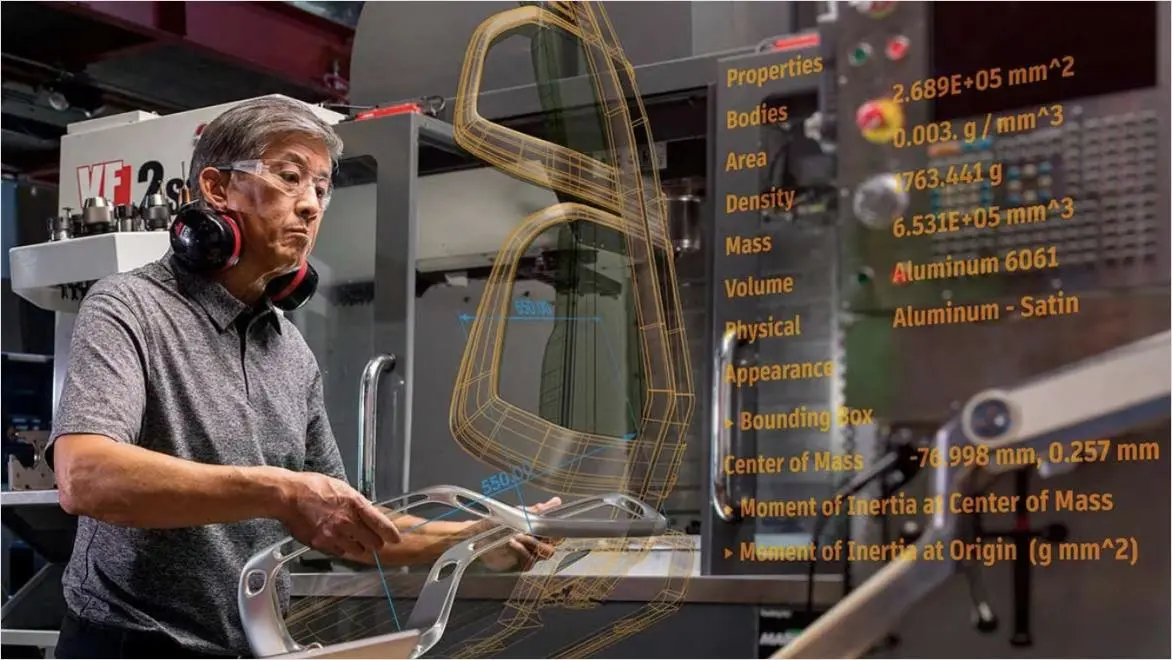
Autodesk Fusion plays a pivotal role in mechatronics engineering by offering an integrated platform for designing, simulating, and manufacturing complex systems. It enables seamless collaboration between mechanical, electrical, and software disciplines, facilitating precise parametric modeling, advanced simulations, and efficient production, driving innovation and optimization in mechatronic system development.
Autodesk Fusion plays a pivotal role in mechatronics engineering by offering an integrated platform for designing, simulating, and manufacturing complex systems. It enables seamless collaboration between mechanical, electrical, and software disciplines, facilitating precise parametric modeling, advanced simulations, and efficient production, driving innovation and optimization in mechatronic system development.
Mechatronics software
Applications of mechatronics in Fusion
These are some top mechatronics engineering features in Autodesk Fusion.
These are some top mechatronics engineering features in Autodesk Fusion.
Integrated design environment
Integrated design environment
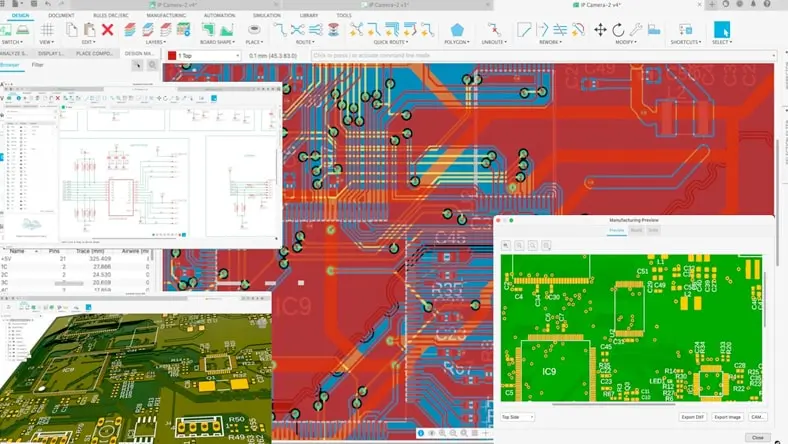
Fusion provides a unified workspace for mechanical, electrical, and software design, enhancing collaboration and streamlining the mechatronics development process.
Fusion provides a unified workspace for mechanical, electrical, and software design, enhancing collaboration and streamlining the mechatronics development process.
Parametric modeling
Parametric modeling
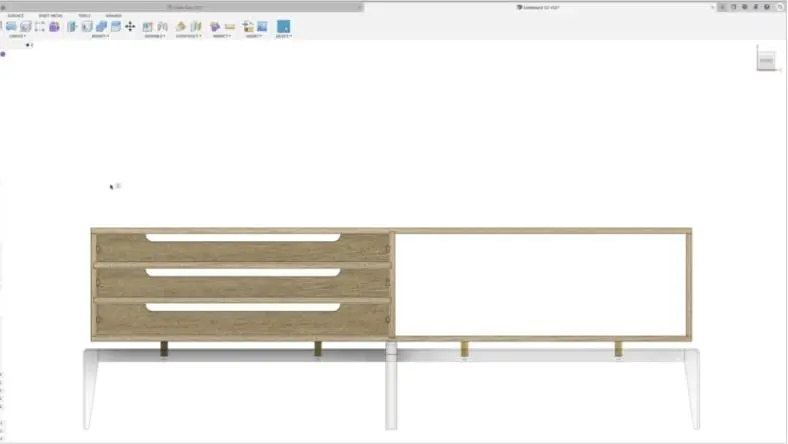
In Fusion, parametric modeling allows engineers to define relationships between components, enabling automatic updates and precise adjustments in mechatronic systems.
In Fusion, parametric modeling allows engineers to define relationships between components, enabling automatic updates and precise adjustments in mechatronic systems.
Electronics design automation (EDA)
Electronics design automation (EDA)
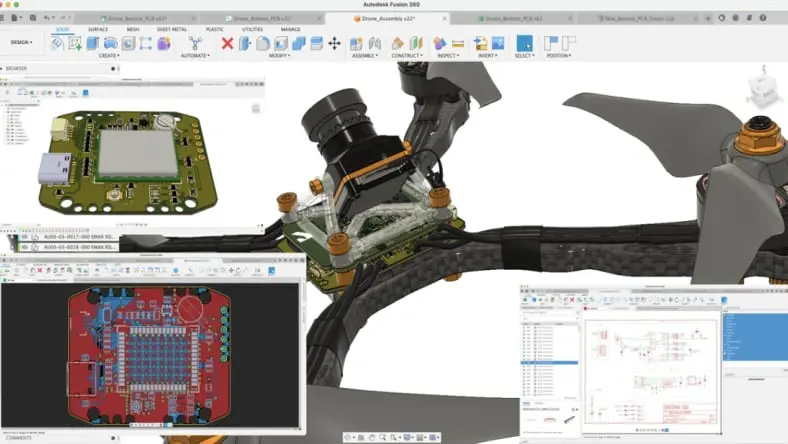
Fusion’s EDA tools facilitate the design and simulation of electronic circuits and PCB layouts, crucial for integrating electronics in mechatronic systems.
Fusion’s EDA tools facilitate the design and simulation of electronic circuits and PCB layouts, crucial for integrating electronics in mechatronic systems.
Simulation and analysis
Simulation and analysis
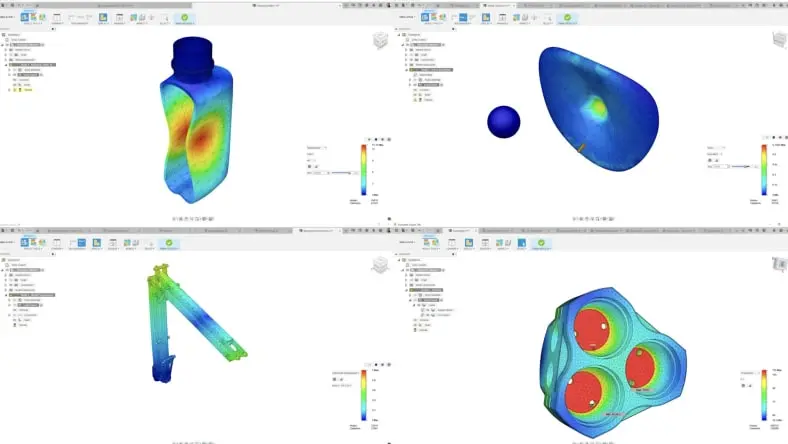
Fusion's simulation capabilities, including FEA and CFD, help analyze mechanical and thermal performance of mechatronic systems under various conditions, ensuring robust designs.
Fusion's simulation capabilities, including FEA and CFD, help analyze mechanical and thermal performance of mechatronic systems under various conditions, ensuring robust designs.
Collaboration tools
Collaboration tools
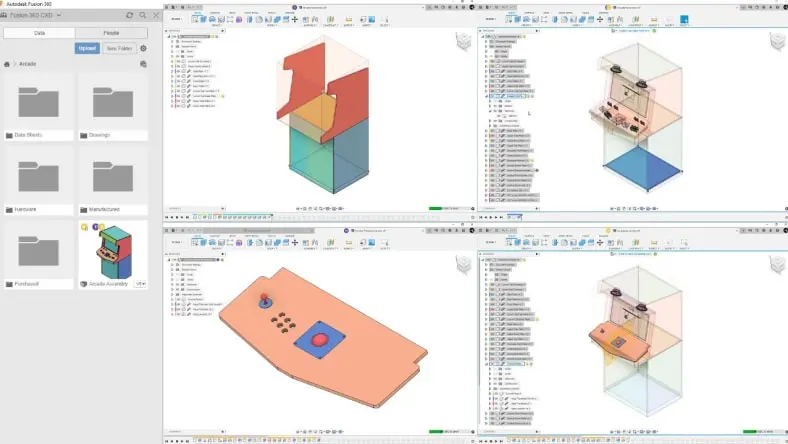
Fusion’s real-time collaboration features enable teams to work together on mechatronic projects, sharing updates, feedback, and revisions efficiently across disciplines.
Fusion’s real-time collaboration features enable teams to work together on mechatronic projects, sharing updates, feedback, and revisions efficiently across disciplines.
Manufacturing and fabrication
Manufacturing and fabrication
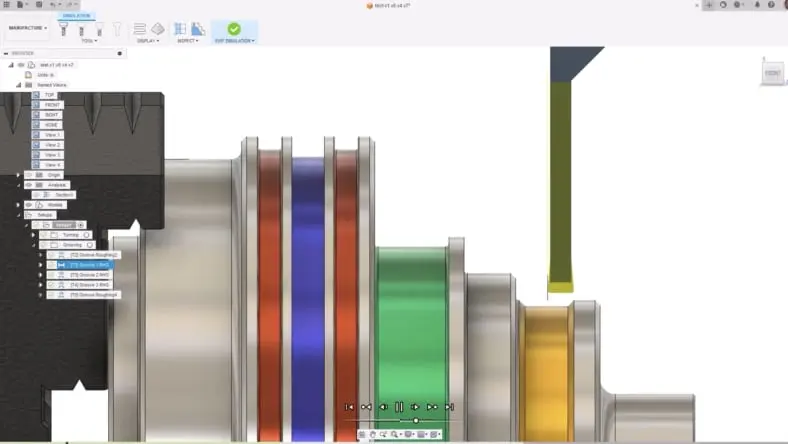
Fusion integrates with manufacturing processes such as 3D printing and CNC machining, translating mechatronic designs into physical components with high precision.
Fusion integrates with manufacturing processes such as 3D printing and CNC machining, translating mechatronic designs into physical components with high precision.
Generative design
Generative design
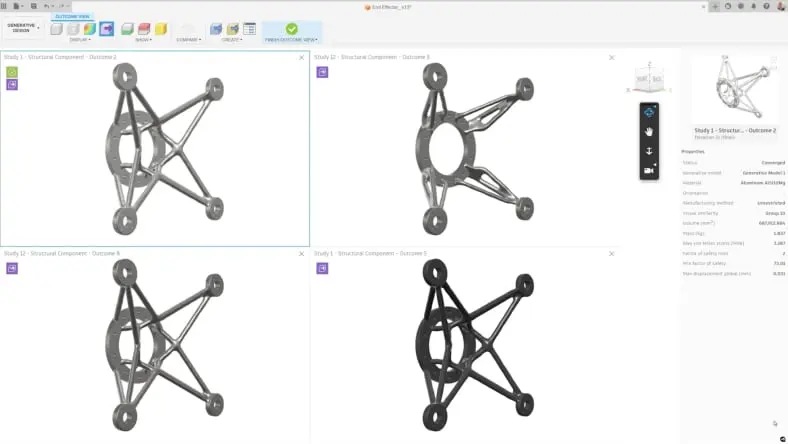
Fusion’s generative design tools use algorithms to explore optimal design solutions for mechatronic systems, balancing performance, weight, and material usage.
Fusion’s generative design tools use algorithms to explore optimal design solutions for mechatronic systems, balancing performance, weight, and material usage.
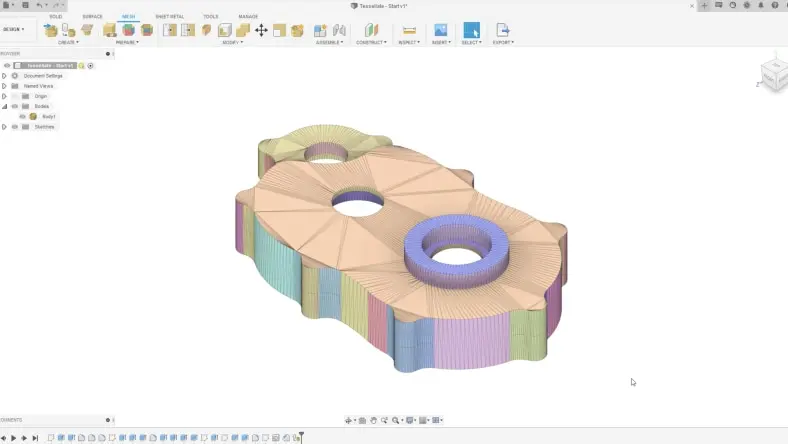
Tessellation and mesh tools
Tessellation and mesh tools
Fusion’s tessellation and mesh tools convert complex 3D models into editable meshes, essential for detailed analysis and simulation in mechatronics applications.
Fusion’s tessellation and mesh tools convert complex 3D models into editable meshes, essential for detailed analysis and simulation in mechatronics applications.
Get started with Autodesk Fusion mechatronics today
Mechatronics and mechatronics engineering resources
What is Mechatronics Engineering?
Explore mechatronics engineering, an interdisciplinary field combining mechanical, electrical, and control engineering to develop intelligent systems.
Explore mechatronics engineering, an interdisciplinary field combining mechanical, electrical, and control engineering to develop intelligent systems.
Revolutionize Your Mechanical Engineering Projects
Discover how Fusion simplifies mechatronics by integrating mechanical, electrical, and software design. Elevate your projects with cutting-edge tools for seamless, optimized performance.
Discover how Fusion simplifies mechatronics by integrating mechanical, electrical, and software design. Elevate your projects with cutting-edge tools for seamless, optimized performance.
Maximize Your Mechanical Designs
Unlock the power of mechatronics with Fusion's Simulation tools. Seamlessly validate, optimize, and perfect your designs for precision and performance using advanced simulation capabilities.
Unlock the power of mechatronics with Fusion's Simulation tools. Seamlessly validate, optimize, and perfect your designs for precision and performance using advanced simulation capabilities.
Digital Solutions in Automotive Part Manufacturing
Unlock the future of automotive part manufacturing with mechatronics! Learn how Fusion’s integrated CAD, CAM, and CAE tools streamline design, testing, and production processes for maximum efficiency.
Unlock the future of automotive part manufacturing with mechatronics! Learn how Fusion’s integrated CAD, CAM, and CAE tools streamline design, testing, and production processes for maximum efficiency.
Simulation Tools for Everyone
Fusion’s simulations optimize mechatronic systems by testing mechanical, thermal, and structural performance in a virtual environment.
Fusion’s simulations optimize mechatronic systems by testing mechanical, thermal, and structural performance in a virtual environment.
How to Use the Signal Integrity Extension
Signal integrity is key in mechatronics for reliable communication between components. The Fusion Signal Integrity Extension, enables electromagnetic analysis of critical PCB signals, ensuring seamless performance.
Signal integrity is key in mechatronics for reliable communication between components. The Fusion Signal Integrity Extension, enables electromagnetic analysis of critical PCB signals, ensuring seamless performance.
History of mechatronics and mechatronics engineering
Introduction
Introduction
The term "mechatronics" was coined in 1969 by Tetsuro Mori at Yaskawa Electric Corporation, initially referring to the integration of mechanical and electronic systems in industrial machinery. In the 1970s, the concept gained traction in Japan, improving manufacturing equipment and consumer electronics, driven by advancements in microprocessors and microcontrollers.
The term "mechatronics" was coined in 1969 by Tetsuro Mori at Yaskawa Electric Corporation, initially referring to the integration of mechanical and electronic systems in industrial machinery. In the 1970s, the concept gained traction in Japan, improving manufacturing equipment and consumer electronics, driven by advancements in microprocessors and microcontrollers.
Mechatronics and mechatronics engineering software FAQs
How does mechatronics benefit modern engineering?
Mechatronics enhances modern engineering by enabling the development of sophisticated systems that are more precise, efficient, and versatile. It improves automation and control in various applications, from manufacturing to consumer electronics. By combining mechanical and electronic systems, mechatronics facilitates the creation of intelligent products with advanced capabilities and adaptability.
What role does Autodesk Fusion play in mechatronics?
Autodesk Fusion is a powerful tool in mechatronics, providing integrated solutions for 3D design, simulation, and manufacturing. It allows engineers to model mechanical components, simulate their behavior, and analyze how they interact with electronic systems. Fusion’s capabilities streamline the design process, optimize performance, and ensure that mechatronic systems function effectively.
How can Autodesk Fusion’s parametric modeling benefit mechatronic designs?
Fusion’s parametric modeling allows engineers to define relationships and constraints between design elements, which is crucial for mechatronic systems. It enables iterative design adjustments and ensures coherence throughout the development process. For instance, in a robotic arm design, parametric modeling helps adjust joint angles and link lengths to optimize performance while maintaining structural integrity.
What simulation features in Autodesk Fusion are useful for mechatronics?
Autodesk Fusion offers several simulation features beneficial for mechatronics, including:
Finite Element Analysis (FEA): Analyzes stress, deformation, and performance of mechanical components.
Computational Fluid Dynamics (CFD): Evaluates fluid flow and heat transfer in systems.
Motion Simulation: Assesses the kinematics and dynamics of moving parts.
These tools help engineers validate designs, optimize performance, and ensure reliability in mechatronic systems.
How does Autodesk Fusion support the integration of electronic components in mechatronics?
Fusion supports the integration of electronic components through its PCB (Printed Circuit Board) design capabilities and electrical simulation tools. Engineers can design and simulate electronic circuits alongside mechanical components, ensuring seamless integration. This capability is crucial for developing systems where electronic and mechanical parts must work together harmoniously.
What are career opportunities in mechatronics
Mechatronics engineers have a wide range of career opportunities in various industries, including:
Automotive Engineering: Mechatronics engineers can work in the automotive industry, designing and developing advanced safety features and performance systems. Their expertise is crucial for the development of electric vehicles, autonomous driving technologies, and smart infotainment systems.
Robotics: Mechatronics engineers can work in the robotics industry, designing and developing industrial and service robots. Their skills are essential for creating robots that can perform complex tasks with high precision and reliability.
Aerospace: Mechatronics engineers can work in the aerospace industry, designing and developing advanced flight control systems and UAVs. Their contributions enhance the safety, efficiency, and performance of aerospace technologies.
Medical Devices: Mechatronics engineers can work in the medical device industry, designing and developing advanced medical devices such as surgical robots and diagnostic equipment. Their innovations improve patient care and enable new medical procedures.
Project Management: Mechatronics engineers can work in project management, overseeing the design and development of complex systems and ensuring that projects are completed on time and within budget. Their interdisciplinary knowledge makes them well-suited for coordinating diverse engineering teams.
Mechatronics engineers can also work in research and development, designing and developing new technologies and products. They can also work in academia, teaching and conducting research in mechatronics and related fields. The diverse skill set of mechatronics engineers opens up numerous career paths, allowing them to contribute to a wide range of industries and technological advancements.
How does Autodesk Fusion assist with the development of mechatronic systems involving robotics?
Autodesk Fusion aids in the development of robotic systems by providing tools for precise 3D modeling, motion simulation, and mechanical analysis. Engineers can design robotic arms, joints, and actuators, and simulate their movements and interactions. Fusion's parametric modeling allows for easy adjustments and optimization of robotic components to achieve desired performance and functionality.
How does Autodesk Fusion enhance collaboration in mechatronic projects?
Autodesk Fusion enhances collaboration through its cloud-based platform, which allows multiple users to work on the same project simultaneously. Features such as real-time data sharing, version control, and collaborative review tools enable teams to communicate effectively, share feedback, and make design changes collaboratively, streamlining the development process.
What is control engineering?
Control engineering is a critical component of mechatronics that involves the design and development of control systems that regulate mechatronic devices. Control engineers use a variety of techniques, including feedback control, feedforward control, and model predictive control, to design control systems that ensure smooth operation of mechanical and electronic components. By implementing these control strategies, engineers can achieve precise regulation of system behavior, optimize performance, and enhance the reliability of mechatronic devices. Control engineering is essential for applications ranging from industrial automation to autonomous vehicles, where accurate and responsive control is paramount.