
Autodesk Fusion for digital transformation
Digital transformation in manufacturing
Digital transformation in manufacturing
Autodesk Fusion drives cloud enabled digital transformation in manufacturing by streamlining processes, enhancing collaboration, and fostering efficiency and innovation in the digital era.
What is digital transformation?
What is digital transformation?
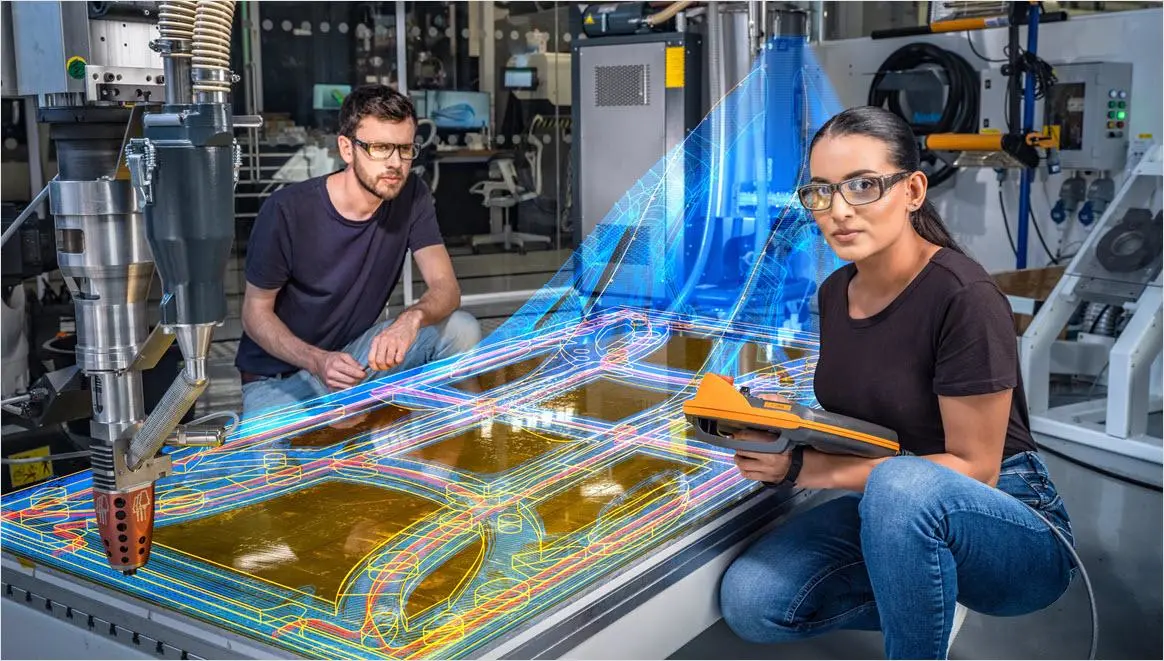
Industry 4.0, or the Fourth Industrial Revolution, refers to the automation and data exchange in manufacturing technologies. It integrates modern technologies such as the Internet of Things (IoT), artificial intelligence (AI), big data, cloud computing, and cyber-physical systems to create smart factories. Interconnected machines communicate and make decentralized decisions to improve efficiency, reduce waste, and increase productivity through real-time data and advanced analytics.
The foundation of Industry 4.0 is building a digital manufacturing ecosystem that enhances flexibility, addresses market demands, and enhances innovation in the production process. This integration of physical and digital technologies enables greater precision and customization in products. It also promotes sustainability by optimizing resource use and reducing energy consumption, and aligns manufacturing with environmental goals.
Industry 4.0, or the Fourth Industrial Revolution, refers to the automation and data exchange in manufacturing technologies. It integrates modern technologies such as the Internet of Things (IoT), artificial intelligence (AI), big data, cloud computing, and cyber-physical systems to create smart factories. Interconnected machines communicate and make decentralized decisions to improve efficiency, reduce waste, and increase productivity through real-time data and advanced analytics.
The foundation of Industry 4.0 is building a digital manufacturing ecosystem that enhances flexibility, addresses market demands, and enhances innovation in the production process. This integration of physical and digital technologies enables greater precision and customization in products. It also promotes sustainability by optimizing resource use and reducing energy consumption, and aligns manufacturing with environmental goals.
Why is digital transformation in manufacturing important?
Why is digital transformation in manufacturing important?
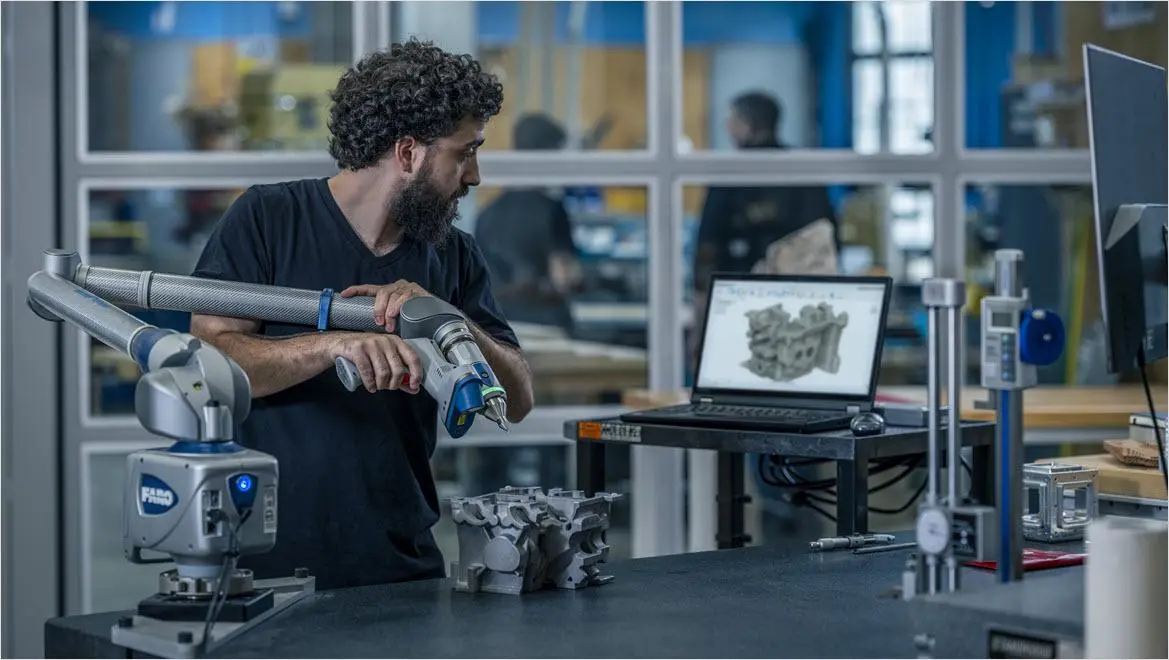
Digital transformation in manufacturing helps manufacturers optimize their operations, improve product quality, and reduce downtime. It allows for real-time monitoring and predictive maintenance that enables companies to respond more quickly to market demands, reduce cots, and maintain a competitive edge.
Digital transformation also helps enable seamless collaboration and the exchange of data across departments and supply chaings to help improve decision making and streamline processes. Ultimately, digital transformation drives operational excellence to position manufacturers to win in an increasingly digital and interconnected environment.
Digital transformation in manufacturing helps manufacturers optimize their operations, improve product quality, and reduce downtime. It allows for real-time monitoring and predictive maintenance that enables companies to respond more quickly to market demands, reduce cots, and maintain a competitive edge.
Digital transformation also helps enable seamless collaboration and the exchange of data across departments and supply chaings to help improve decision making and streamline processes. Ultimately, digital transformation drives operational excellence to position manufacturers to win in an increasingly digital and interconnected environment.
Industry 4.0 manufacturing
Industry 4.0 manufacturing
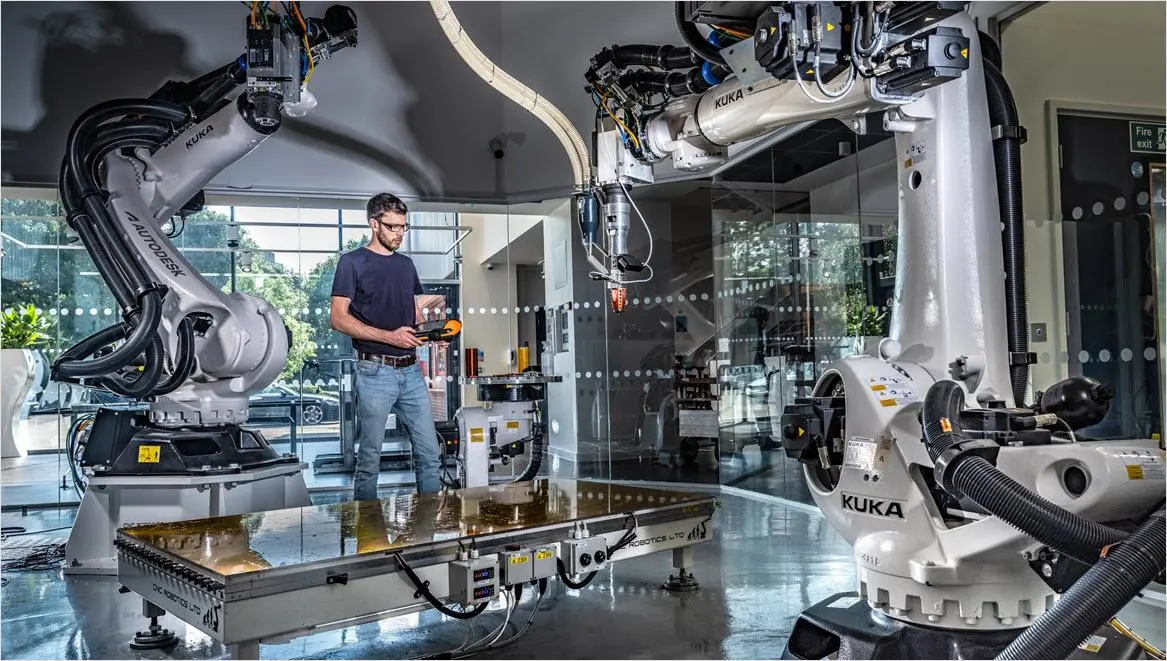
Digital transformation in manufacturing, often referred to as Industry 4.0, involves the application of technologies such as artificial intelligence, automation and robotics, additive technology, and human-machine interaction.
By connecting people, processes, and data, manufacturers can enhance decision-making, increase productivity and innovation, while ensuring quality control and proper product validation.
Digital transformation in manufacturing, often referred to as Industry 4.0, involves the application of technologies such as artificial intelligence, automation and robotics, additive technology, and human-machine interaction.
By connecting people, processes, and data, manufacturers can enhance decision-making, increase productivity and innovation, while ensuring quality control and proper product validation.
Benefits of digital transformation in manufacturing
Increased efficiency
Increased efficiency
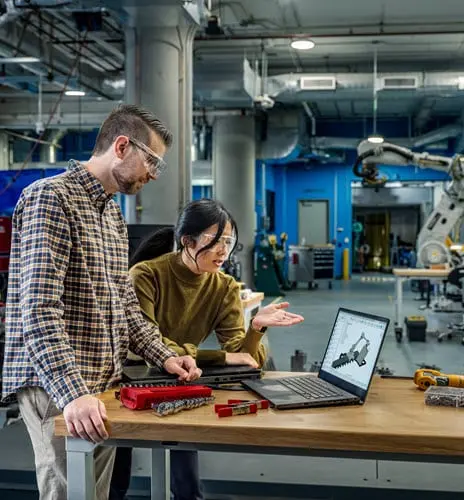
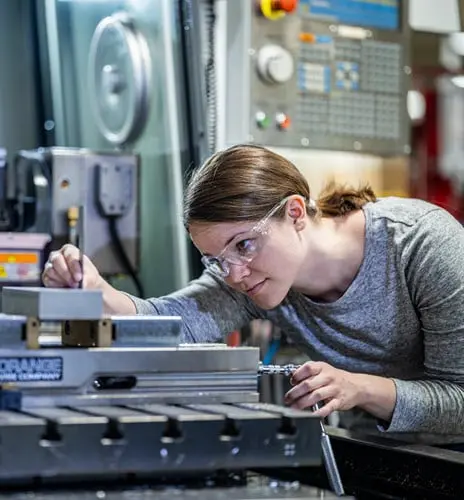
Digital transformation in manufacturing can boost throughput by streamlining processes, improving workflows, and using technologies like automation and AI for better coordination and faster production.
Improved quality control
Improved quality control
Advanced analytics and real-time monitoring help in identifying and rectifying issues quickly, leading to better product quality, and reduced downtime.
Increased innovation
Increased innovation
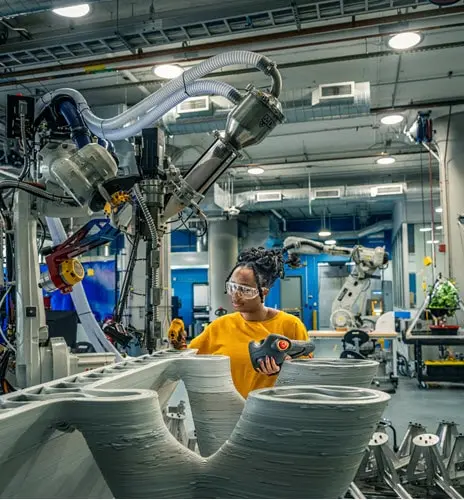
Digital transformation in manufacturing boosts innovation, leading to new products, services, and business models. Technologies like IoT help manufacturers create connected products and provide value-added services, resulting in new revenue streams.
Top digital transformation in manufacturing trends
Here are some top trends in digital transformation in manufacturing reflecting the sector's commitment to innovation, efficiency, and sustainability as it navigates the digital transformation landscape.
Here are some top trends in digital transformation in manufacturing reflecting the sector's commitment to innovation, efficiency, and sustainability as it navigates the digital transformation landscape.
Increased investment in software
Increased investment in software
Given the competitive landscape, manufacturing businesses plan to significantly increase their investment in software, particularly in areas such as business intelligence and analytics.
Given the competitive landscape, manufacturing businesses plan to significantly increase their investment in software, particularly in areas such as business intelligence and analytics.
Digital twins
Digital twins
The use of digital twins, which are virtual models of physical systems, is set to increase drastically. These digital simulations allow for real-time monitoring and optimization, enhancing overall efficiency and reducing downtime.
The use of digital twins, which are virtual models of physical systems, is set to increase drastically. These digital simulations allow for real-time monitoring and optimization, enhancing overall efficiency and reducing downtime.
Smart factories
Smart factories
Transforming traditional manufacturing setups into smart factories is a major trend. The integration of technologies like the IoT and AI automate processes and workflows based on real-time data.
Transforming traditional manufacturing setups into smart factories is a major trend. The integration of technologies like the IoT and AI automate processes and workflows based on real-time data.
Blockchain technology
Blockchain technology
Blockchain technology is expected to address supply chain challenges by providing greater transparency, security, and traceability.
Blockchain technology is expected to address supply chain challenges by providing greater transparency, security, and traceability.
Cloud-enabled digital transformation in manufacturing
Cloud-enabled digital transformation in manufacturing
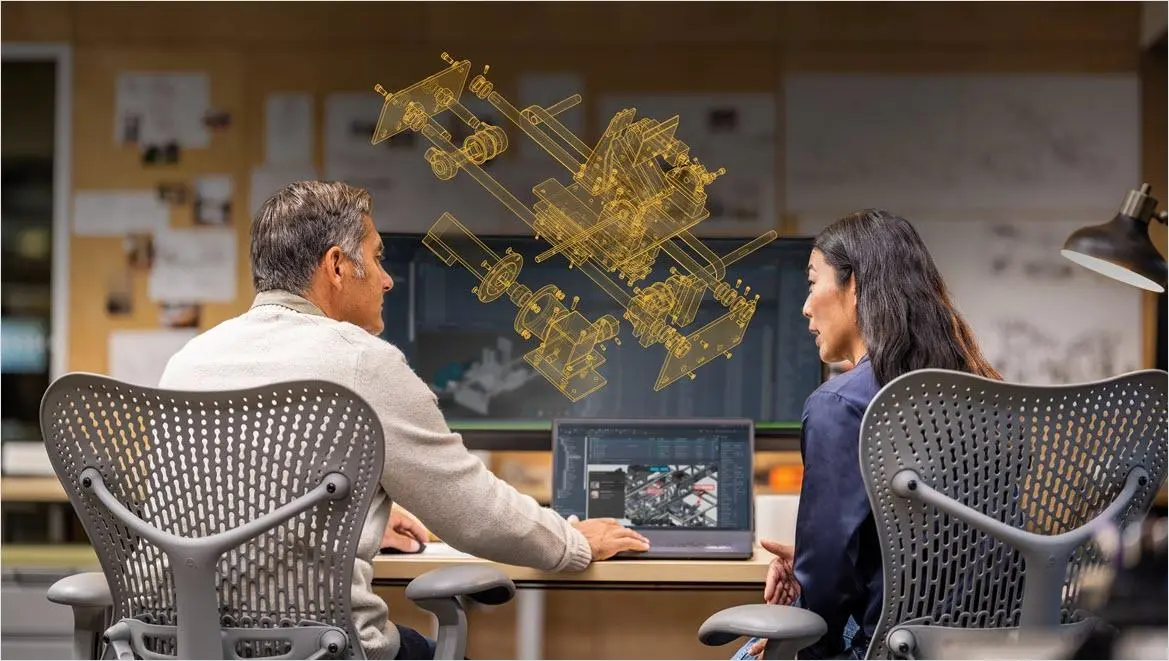
Cloud-enabled digital transformation in manufacturing refers to the process of leveraging cloud computing technology to change the ways in which manufacturers operate and deliver value to its customers.
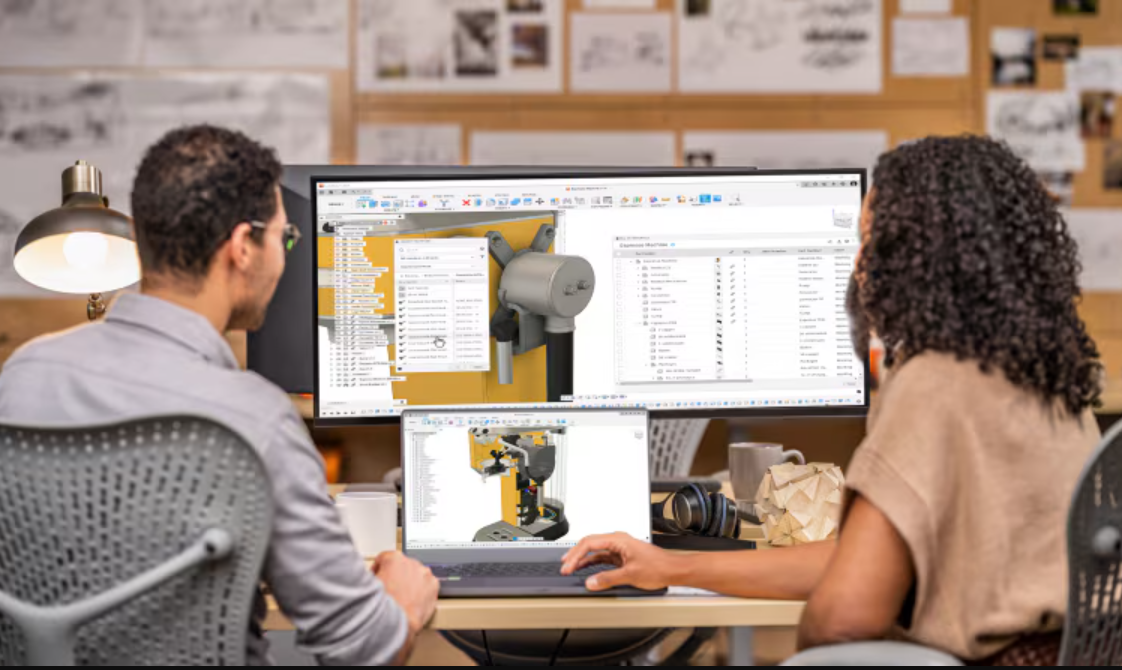
Autodesk Fusion facilitates the cloud-enabled digital transformation journey by connecting data, people, and processes. Manufacturers gain access to the tools they need to offer greater value to their customers, employees, and stakeholders by breaking down silos and helping organizations work smarter together.
Cloud-enabled digital transformation in manufacturing refers to the process of leveraging cloud computing technology to change the ways in which manufacturers operate and deliver value to its customers.
Autodesk Fusion facilitates the cloud-enabled digital transformation journey by connecting data, people, and processes. Manufacturers gain access to the tools they need to offer greater value to their customers, employees, and stakeholders by breaking down silos and helping organizations work smarter together.
How Autodesk Fusion enables digital transformation in manufacturing
Autodesk Fusion plays a significant role in enabling digital transformation in manufacturing to help manufacturers streamline their processes, innovate faster, and stay competitive in the rapidly evolving manufacturing landscape.
Autodesk Fusion plays a significant role in enabling digital transformation in manufacturing to help manufacturers streamline their processes, innovate faster, and stay competitive in the rapidly evolving manufacturing landscape.
Integrated cloud CAD, CAM, CAE, and PCB tools
Integrated cloud CAD, CAM, CAE, and PCB tools
Move from concept to production more efficiently with integrated tools. Maintain access to the most recent designs, reduce errors, and ensure a unified vision throught the project lifecycle.
Move from concept to production more efficiently with integrated tools. Maintain access to the most recent designs, reduce errors, and ensure a unified vision throught the project lifecycle.
Data driven design
Data driven design
From detailed model-based definitions to version control, material specifications, and more Fusion puts data first. Integrating this data with tangible processes like sheet metal fabrication, 3D printing, and machining boosts product design to its highest professional standard.
From detailed model-based definitions to version control, material specifications, and more Fusion puts data first. Integrating this data with tangible processes like sheet metal fabrication, 3D printing, and machining boosts product design to its highest professional standard.
Sustainable insights
Sustainable insights
Fusion embeds sustainable design practices into its core, allowing engineers to make informed decisions that consider the environmental impact of their designs.
Fusion embeds sustainable design practices into its core, allowing engineers to make informed decisions that consider the environmental impact of their designs.
Extended ecosystem
Extended ecosystem
By integrating information or processes from our partners like Haas Automation, Cadence, Ansys, and Send Cut Send, users can benefit from a holistic approach to product development, enabling more efficient workflows and fostering innovation.
By integrating information or processes from our partners like Haas Automation, Cadence, Ansys, and Send Cut Send, users can benefit from a holistic approach to product development, enabling more efficient workflows and fostering innovation.
NEW OFFER - Flex now starting at {{price.FLEXACCESS.1year}}
Autodesk Flex lets you prepay with tokens for on-demand access to Fusion and advanced design and manufacturing capabilities, charged only when tools are in use. It’s ideal for project-based work or occasional access to specialized workflows. Combine Flex tokens with Fusion to:
Access advanced product development workflows on demand
Use high-value capabilities only when needed
Scale access for peak workloads
Digital transformation in manufacturing software solutions
Examples of digital transformation in manufacturing
Process transformation
Process transformation
Enhancing design, factory, and field service processes through digital technologies to increase efficiency and reduce costs.
Enhancing design, factory, and field service processes through digital technologies to increase efficiency and reduce costs.
Product and sevice transformation
Product and sevice transformation
Innovating products and improving service delivery by leveraging digital tools for faster iteration, better quality, and predictive maintenance.
Innovating products and improving service delivery by leveraging digital tools for faster iteration, better quality, and predictive maintenance.
Growth opportunities
Growth opportunities
Identifying and pursuing growth through increased factory efficiency, new service models, and better management of product complexity.
Identifying and pursuing growth through increased factory efficiency, new service models, and better management of product complexity.
Customer epxerience
Customer epxerience
Using technology to create superior customer experiences and fostering a collaborative culture that embraces new technologies and processes for successful digital transformation.
Using technology to create superior customer experiences and fostering a collaborative culture that embraces new technologies and processes for successful digital transformation.
History of digital transformation in manufacturing
Early beginnings
Early beginnings
The introduction of computers in the 1950s marked the beginning of digital transformation in manufacturing. In the 1960s CNC machines were introduced providing automated control of machining tools.
The introduction of computers in the 1950s marked the beginning of digital transformation in manufacturing. In the 1960s CNC machines were introduced providing automated control of machining tools.
The future of digital transformation in manufacturing
The future of digital transformation in manufacturing
Digital transformation in manufacturing will continue to evolve, driven by technological advancements and the demand for greater efficiency, flexibility, and sustainability. Advancements in artificial intelligence (AI) and machine learning (ML) will further optimize manufacturing processes. The adoption of 5G technology will improve connectivity and enable advanced IoT applications. Sustainable manufacutring will become more important, with digital technologies helping to reduce waste and energy consumption. Digital twins will allow for improved simulation, analysis, and optimization of processes.
Digital transformation in manufacturing will continue to evolve, driven by technological advancements and the demand for greater efficiency, flexibility, and sustainability. Advancements in artificial intelligence (AI) and machine learning (ML) will further optimize manufacturing processes. The adoption of 5G technology will improve connectivity and enable advanced IoT applications. Sustainable manufacutring will become more important, with digital technologies helping to reduce waste and energy consumption. Digital twins will allow for improved simulation, analysis, and optimization of processes.
Challenges to implementing digital transformation in manufacturing
Legacy systems integration
Many manufacturers depend on outdated legacy systems that are incompatible with modern digital technologies. Transitioning to new, interconnected platforms is often complex and expensive. Achieving seamless integration while maintaining operational continuity necessitates careful planning, significant investment, and occasionally a complete infrastructure overhaul.
Many manufacturers depend on outdated legacy systems that are incompatible with modern digital technologies. Transitioning to new, interconnected platforms is often complex and expensive. Achieving seamless integration while maintaining operational continuity necessitates careful planning, significant investment, and occasionally a complete infrastructure overhaul.
Skills gap and workforce training
Adopting digital technologies requires a workforce skilled in data analytics, IoT, AI, and cybersecurity. Manufacturers often encounter a skills gap, as their current employees may lack these digital competencies. Investing in training programs and attracting new talent with the necessary skills is essential but can be challenging and time-consuming.
Adopting digital technologies requires a workforce skilled in data analytics, IoT, AI, and cybersecurity. Manufacturers often encounter a skills gap, as their current employees may lack these digital competencies. Investing in training programs and attracting new talent with the necessary skills is essential but can be challenging and time-consuming.
Cybersecurity risks
As manufacturers increasingly rely on digital technologies, they become more vulnerable to cyber threats. Protecting sensitive data, intellectual property, and critical infrastructure from cyberattacks is a major concern. Implementing robust cybersecurity measures, continuously monitoring for threats, and ensuring compliance with security standards can be complex and resource-intensive.
As manufacturers increasingly rely on digital technologies, they become more vulnerable to cyber threats. Protecting sensitive data, intellectual property, and critical infrastructure from cyberattacks is a major concern. Implementing robust cybersecurity measures, continuously monitoring for threats, and ensuring compliance with security standards can be complex and resource-intensive.
Digital transformation in manufacturing resources
Understanding Digital Transformation in Modern Manufacturing
Explore digital transformation in the context of manufacturing, including ongoing trends and ways to overcome perceived barriers.
Explore digital transformation in the context of manufacturing, including ongoing trends and ways to overcome perceived barriers.
Autodesk Fusion: Where Innovation, Sustainability & Digital Transformation Converge
Fusion isn’t just another tool; it’s the cornerstone for any business’ digital transformation or product design journey, regardless of experience level. Learn why Fusion is the only digital transformation manufacturing solution you’ll need.
Fusion isn’t just another tool; it’s the cornerstone for any business’ digital transformation or product design journey, regardless of experience level. Learn why Fusion is the only digital transformation manufacturing solution you’ll need.
Enabling Shop Floor Digitalization With Cloud Product Development Tools
Learn how cloud enabled digital transformation tools like Autodesk Fusion are leading the way in making shop floor digitalization possible.
Learn how cloud enabled digital transformation tools like Autodesk Fusion are leading the way in making shop floor digitalization possible.
Frequently asked questions (FAQ) about digital transformation in manufacturing
What is supply chain digital transformation?
Supply chain digital transformation refers to the implementation of digital tools, technologies, and strategies to improve efficiency and optimize the entire supply chain ecosystem. It ionvolves establishing a vision for how digital applications can improve service, cost, agility, and inventory levels and consistently implementing process and organizational changes that use these technologies to drive operational excellence.
What is IOT digital transformation?
IoT (Internet of Things) digital transformation refers to the use of connected devices that collect and convert data from the physical world into useful information, This results in improved operational efficiency, and new opportunities for business innovation. At its foundation IoT digital transformation is the process of integrating IoT technologies into business models and strategies, resulting in improved performance, productivity, and customer-driven innovation, to tranform the way businesses operate.
Why is digital transformation important in the manufacturing industry?
Digital transformation is vital for the manufacturing industry, including:
Efficiency and Productivity: Advanced digital tools and technologies allow manufacturers to streamline their processes, reduce downtime, and increase productivity. Thus leading to to significant cost savings and improved output.
Competitive Advantage: Manufacturers who adopt digital transformation are able to stay competitive by offering innovative products and services, improving customer satisfaction, and adapting rapidly to market changes.
Data-Driven Decision Making: By taking advantage of data analytics and real-time information, manufacturers can make more informed decisions, anticipate demand, and optimize their supply chains.
Quality Improvement: Digital technologies can improve product quality by providing real-time feedback and monitoring, reducing errors, and offering more precise control over manufacturing processes.
Sustainability: Digital transformation can facilitate sustainable manufacturing practices by optimizing resource use, reducing waste, and encouraing more energy-efficient processes.
Why is cloud enabled digital transformation important?
Cloud-enabled digital transformation enhances data access and collaboration, facilitating real-time information sharing, eliminating data silos, and improving analytical capabilities across organizations. This reduces the need for extensive infrastructure maintenance, freeing up IT teams to focus on innovation. Cloud technology also improve customer experiences by enabling advanced technologies such as chatbots, augmented reality, IoT, and machine learning.
Why is digital transformation in manufacturing important?
Digital transformation in manufacturing provides a competitive edge to manufacturers by fundamentally rewiring operational processes, leading to enhanced efficiency and effectiveness. It significantly improves the customer experience by meeting modern consumers' expectations for seamless, quick, and digital-first interactions. Through digitization, organizations can collect and analyze data more effectively, facilitate data-driven decision-making for more effective strategies and improved business outcomes. Digital transformation enables rapid response to market changes or customer preferences, bolstering resilience. Digital transformation also increases innovation by encouraging organizations to rethink their processes, products, and services, thus unlocking new growth opportunities.
What are examples of manufacturing digitalizations?
Here are five examples of manufacturing digitalization:
1. Predictive maintenance: Manufacturers use IoT sensors and machine learning algorithms to monitor equipment health in real-time. This allows them to predict potential failures, schedule maintenance proactively, and minimize unplanned downtime, thereby enhancing operational efficiency and reducing costs.
2. Smart factories: Smart factories utilize interconnected systems, robotics, and automation to optimize production processes. For instance, Siemens' Amberg Electronics Plant employs IoT, AI, and robotics to create a highly automated and efficient manufacturing environment, resulting in reduced lead times and higher product quality.
3. Additive manufacturing (3D printing): Additive manufacturing enables rapid prototyping and customized production. Companies like General Electric (GE) use 3D printing to produce complex aircraft engine components, allowing for faster design iterations, reduced material waste, and the creation of intricate parts that traditional methods cannot achieve.
4. Digital twins: Digital twins are virtual replicas of physical systems that allow manufacturers to simulate, analyze, and optimize processes. Rolls-Royce, for example, uses digital twin technology to monitor and optimize the performance of its jet engines, improving maintenance schedules, fuel efficiency, and engine lifespan.
5. Supply chain visibility: Digitalization enhances supply chain visibility and integration. Tesla, for example, uses a digital platform to manage its supply chain, enabling real-time tracking of parts and materials, improving inventory management, and ensuring timely delivery of components. This integration helps Tesla respond quickly to changes in demand and streamline production processes.
These examples illustrate how digitalization can significantly improve efficiency, quality, and innovation in the manufacturing sector.
What is manufacturing digital transformation?
Manufacturing digital transformation involves integrating digital technologies into all aspects of the manufacturing process, fundamentally altering how products are designed, produced, and delivered. It encompasses the adoption of advanced technologies such as IoT, AI, machine learning, robotics, cloud computing, big data analytics, and digital twins to enhance efficiency, productivity, and innovation. Key aspects include process optimization through automation, real-time data collection and analysis for better decision-making, and the creation of smart factories where machines and systems communicate seamlessly. It also involves accelerating product innovation, improving supply chain integration for better coordination and inventory management, and enhancing customer experience with personalized products and services. Additionally, digital transformation promotes sustainability by reducing waste and optimizing energy use. This transformation is crucial for manufacturers to remain competitive, agile, and responsive to market changes in an increasingly digital and interconnected world.
What are the top 5 digital transformation in manufacturing solutions?
The top five digital transformation solutions in manufacturing include:
1. Industrial Internet of Things (IIoT): IIoT involves connecting machines, devices, and sensors within the manufacturing environment to collect and analyze real-time data. This connectivity enhances operational efficiency, enables predictive maintenance, and improves decision-making by providing valuable insights into the production process.
2. Robotics and automation: The use of advanced robotics and automation technologies streamlines manufacturing processes, increases precision, and reduces labor costs. Collaborative robots (cobots) can work alongside humans, enhancing productivity and safety on the factory floor.
3. Artificial intelligence (AI) and machine learning (ML): AI and machine learning algorithms analyze large datasets to optimize production schedules, improve quality control, and enable predictive maintenance. These technologies help manufacturers identify patterns and trends, leading to better decision-making and increased efficiency.
4. Digital twin technology: Digital twins are virtual replicas of physical systems that allow manufacturers to simulate, analyze, and optimize processes. By creating digital twins of equipment, production lines, or entire factories, manufacturers can test scenarios, predict outcomes, and make data-driven improvements without disrupting actual operations.
5. Cloud computing and big data analytics: Cloud computing provides scalable storage and processing power, enabling manufacturers to manage and analyze vast amounts of data. Big data analytics tools help uncover insights from this data, driving process optimization, improving supply chain management, and enhancing overall operational efficiency.