Connected capital planning for water and wastewater networks

Defend every capital decision with confidence by integrating GIS, inspection data, risk modeling, and rehabilitation planning in a collaborative, cloud environment. 

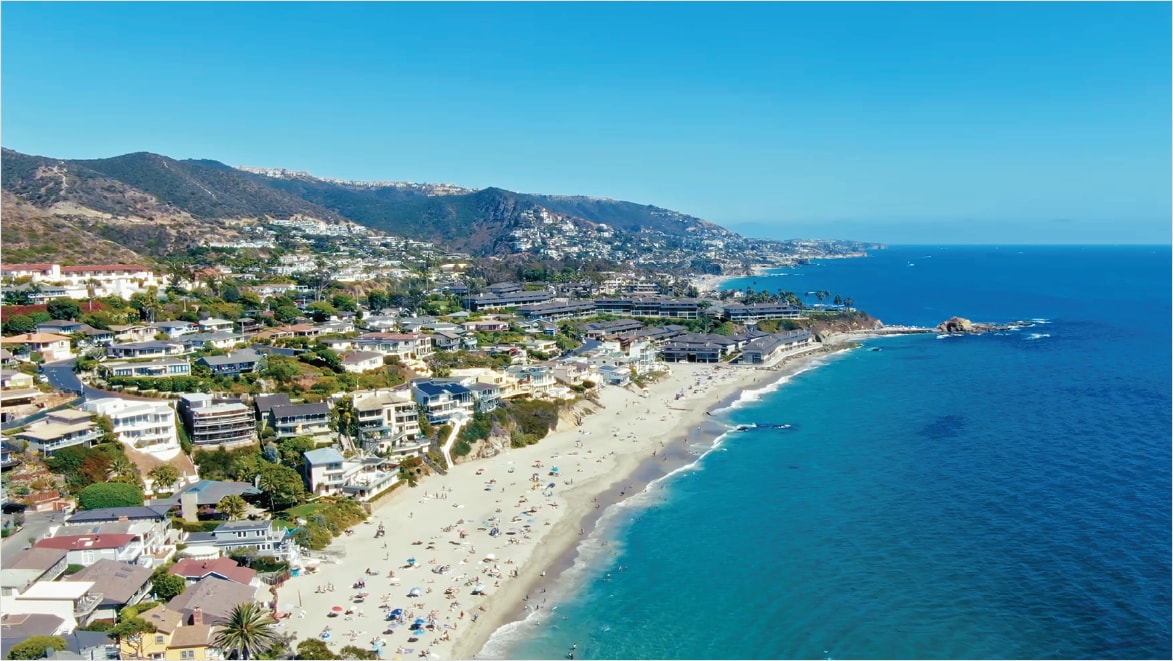
beach and shoreline

How Orange County Sanitation District modernized capital planning for 2.6 million residents

Operating at the scale of Orange County Sanitation District means capital decisions are never made in isolation. Watch how OC San moved from fragmented workflows to a connected planning environment where risk scoring, inspection data, and capital prioritization finally worked together in a common platform.

Capital planning toolkit for water utilities and consultants

Tools to help you plan, prioritize, and defend your capital program

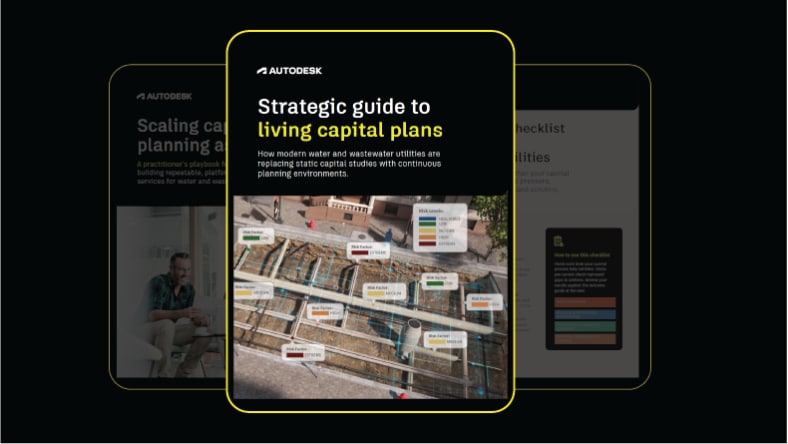
strategic guide to living capital plans

STRATEGIC GUIDE

From static plans to living decisions

A practical guide for utility leaders and planning teams on building a capital program that stays current, holds up to scrutiny, and evolves with your assets.


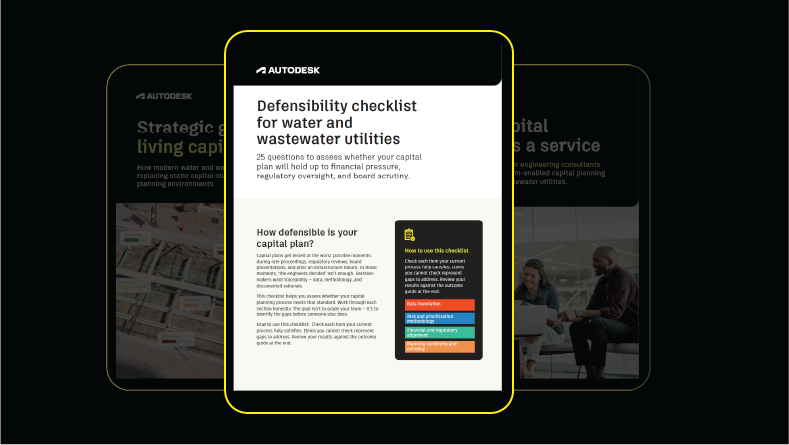
defensibility checklist for water utility capital planners

CHECKLIST

How well can you defend your capital plan?

Evaluate whether your capital planning process will hold up to financial pressure, regulatory oversight, and board scrutiny.


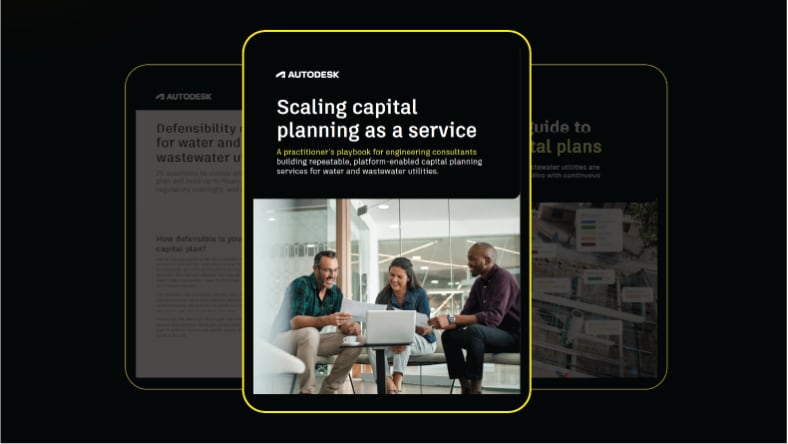
scaling capital planning as a service playbook

CONSULTANT PLAYBOOK

Scaling capital planning as a service

A practitioner's guide for engineering consulting firms building repeatable, platform-enabled capital planning services for municipal clients.


Leading firms putting planning into practice

GHD and Aqua Pennsylvania

GHD created a scalable capital planning environment for Aqua Pennsylvania by connecting inspection data, GIS, and risk modeling across 50 wastewater systems and 32 counties.


Bonton Associates
and Baton Rouge

Bonton Associates helps Louisiana municipalities build risk-based, documented capital programs needed to compete for federal funding and satisfy regulatory oversight.


City of Oakland
Public Works

The City of Oakland transitioned from desktop modeling to a shared cloud environment, giving their full planning team access to the same risk data, condition scores, and capital priorities in real time.


Capital planning starts with knowing what's in the ground

Capital planning starts with knowing what's in the ground

A defensible capital plan is only as good as the inspection data behind it. Info360 Asset connects the full asset lifecycle from CCTV inspection and defect coding in the field, through condition scoring and risk evaluation, to rehabilitation planning and capital prioritization. For teams that manage both operations and planning, that connection isn't a nice-to-have. It's what makes the whole program work.

The capabilities behind a connected capital planning environment

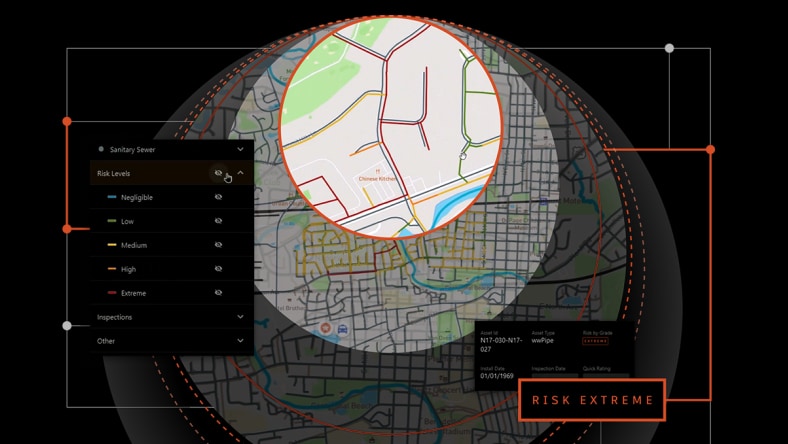
product snapshot of Info360 Asset

Customized, scalable subscription model

Info360 Asset is priced by asset capacity and feature usage, so your full team can can work from the same environment without seat-based pricing barriers. 


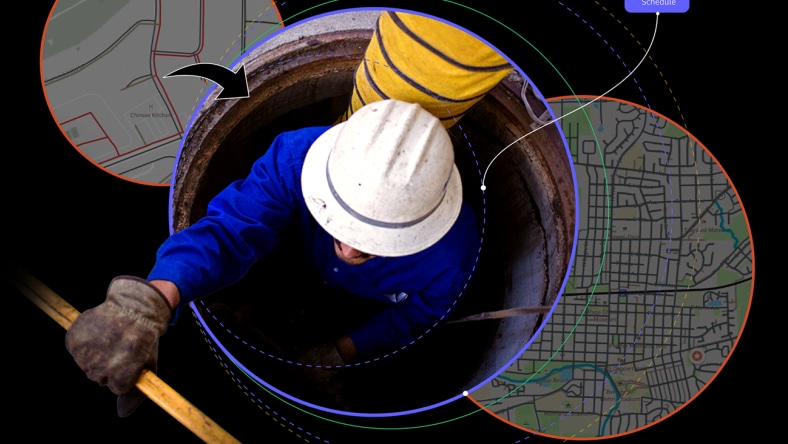
Person in hard had from above with screenshots of product

Get ahead of future failures

Statistical deterioration curves estimate remaining service life and future failure probability extending your capital planning visibility beyond what today's inspection data can show.


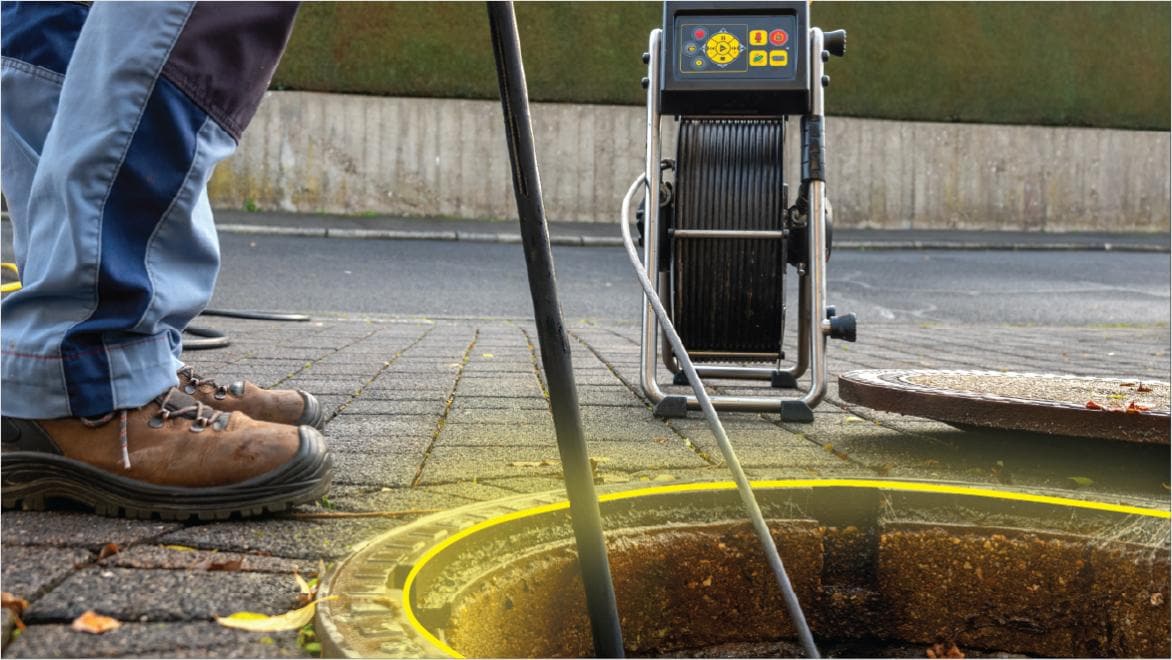
product shots with inspection equipment and inspection cctv capture with apstract squares and colors

An integrated inspection workflow

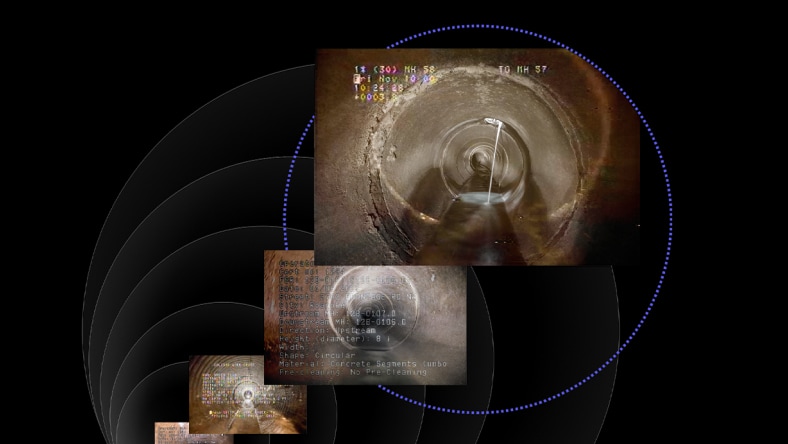
Direct integration with ITpipes SmartVision allows inspection data collected in the field to flow into condition scoring and risk modeling without manual reconciliation.


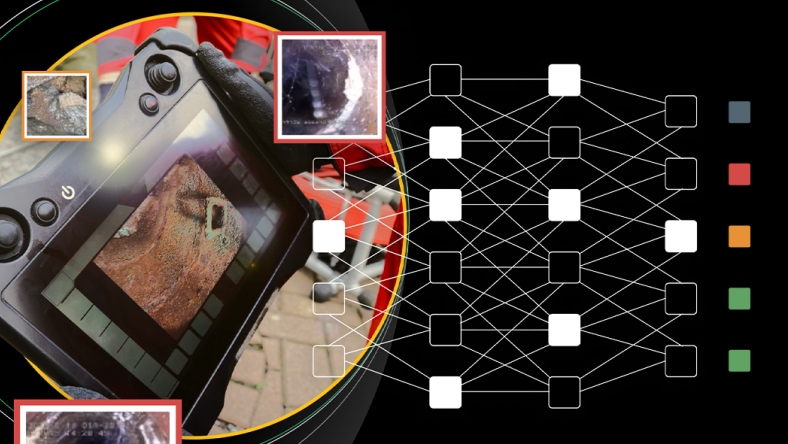
CCTV inspection images

AI-assisted defect coding at scale

VAPAR Solutions AI (licensed separately) automates CCTV defect identification and classification, getting inspection results into your risk models faster.


Talk to a member of our team

Whether you're a utility building the case for a connected planning environment or a consulting firm looking to scale services-- our team can help evaluate your goals, provide a custom demo, and help you get started with a free trial of Info360 Asset.

FAQs

What is risk-based capital planning for water and wastewater utilities?

Risk-based capital planning is the process of prioritizing infrastructure investment based on a documented assessment of each asset's likelihood of failure and the consequence of that failure, rather than age, condition alone, or reactive maintenance history. A risk-based approach combines inspection data, GIS, asset attributes, and deterioration modeling to rank rehabilitation and replacement projects in a way that is transparent, auditable, and defensible to boards, regulators, and ratepayers. Platforms like Autodesk Info360 Asset are purpose-built to support this process, connecting inspection results directly to risk models and capital prioritization in a single cloud-based environment.

How do water utilities make capital improvement plans more defensible to boards and regulators?

A defensible capital improvement plan requires three things: current data, documented methodology, and traceable rationale. When inspection results feed directly into risk models for capital prioritization, every project ranking can be explained and audited. This matters most during rate proceedings, consent decree oversight, and board budget reviews. Autodesk Info360 Asset provides utilities with a continuously updated planning environment where condition data, risk scores, and rehabilitation decisions are always connected, always current, and always ready to present.

How can engineering consulting firms scale capital planning services for multiple utility clients?

Engineering consulting firms that deliver capital planning services to multiple utility clients face a structural challenge: traditional study-based delivery requires rebuilding data, models, and methodology from scratch each engagement cycle. A platform-enabled approach changes this by maintaining a persistent, connected planning environment for each client where inspection data, risk models, and capital priorities are continuously updated rather than periodically reconstructed. Autodesk Info360 Asset supports this model, giving consulting teams a standardized methodology and shared cloud environment that scales across client accounts without proportional growth in overhead. Firms like GHD have used this approach to deliver capital planning services across 50+ utility systems simultaneously.

What is the difference between a static capital improvement plan and a living capital planning environment?

A static capital improvement plan is produced at a point in time, typically through a consulting engagement, and reflects the data and conditions that existed when it was built. It begins aging immediately and requires a new engagement to update. A living capital planning environment is continuously updated as new inspection data arrives, risk scores change, and capital priorities shift. Because it connects GIS, inspection data, risk modeling, and rehabilitation planning in a single platform, the plan always reflects current asset conditions rather than last year's study. Autodesk Info360 Asset is designed specifically to support this shift by enabling utilities and their consulting partners to maintain a capital program that holds up to scrutiny at any point in the planning cycle, not just at delivery.

Do I need Info360Asset if I have InfoAsset Planner?

Yes. Info360 Asset is the cloud-based evolution of InfoAsset Planner, built on the same asset intelligence foundation your team already knows, with a modern, multi-user environment that replaces desktop files with a continuously updated, browser-based planning workflow. Your existing asset data, risk models, and inspection history make the transition faster than starting from scratch, and Autodesk's implementation team provides a structured migration path to protect what you've already built. For utilities and consulting firms that have invested in InfoAsset Planner over the years, moving to Info360 Asset is less a replacement and more a natural next step that opens up cloud collaboration, continuous data updates, and the full connected capital planning environment that desktop tools were never designed to provide.

See more FAQ