& Construction

Integrated BIM tools, including Revit, AutoCAD, and Civil 3D
& Manufacturing

Professional CAD/CAM tools built on Inventor and AutoCAD
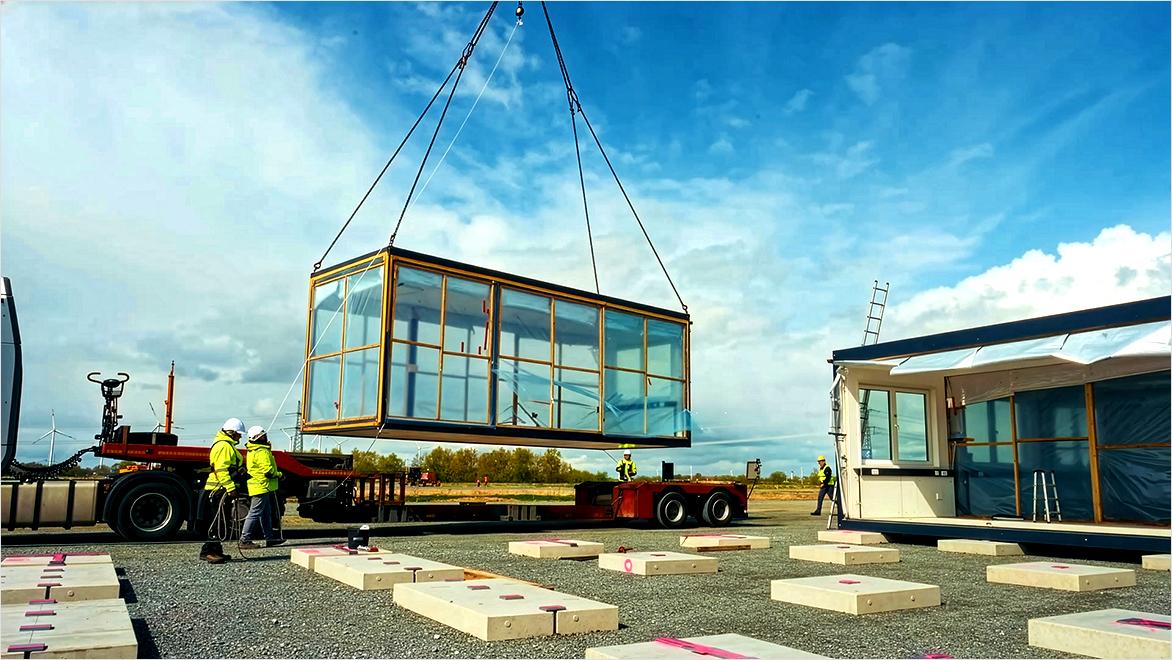
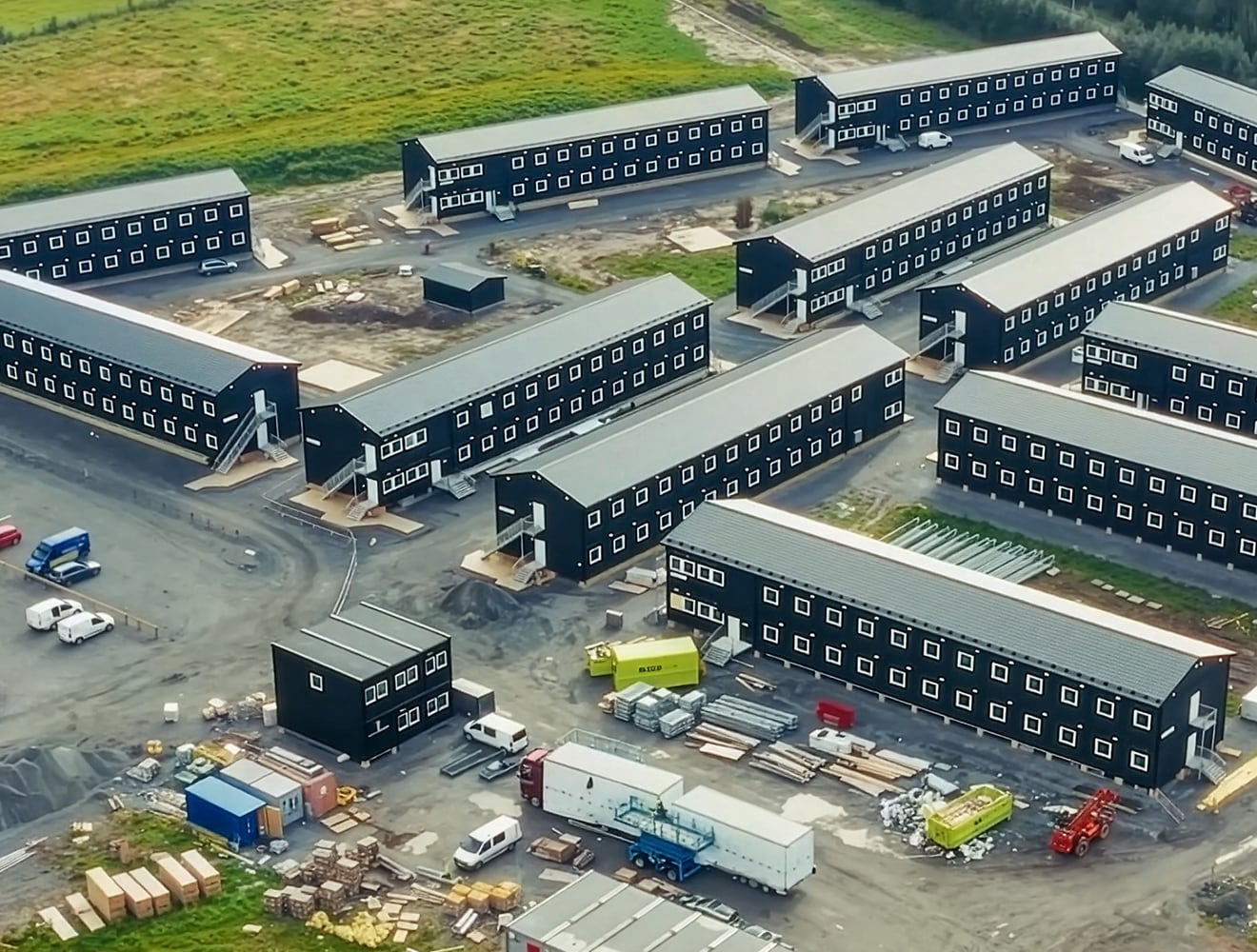
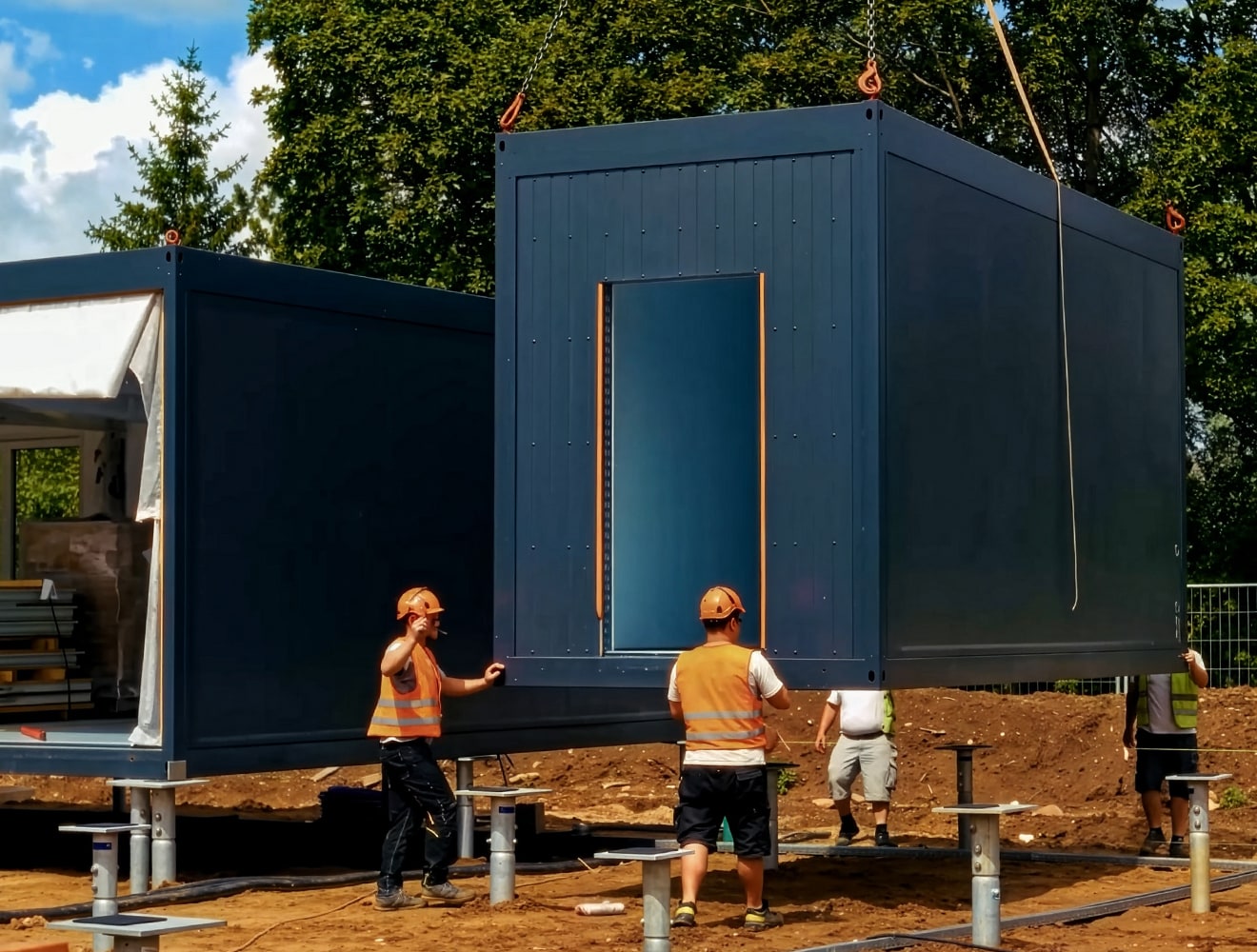
IC combines productization, prefabrication, and Design for Manufacture and Assembly (DfMA) to create scalable, repeatable, and sustainable workflows.
It’s not just about building faster—it’s about building better.
– Johanna Persson, CEO & President Adapteo
82% of General Contractors worldwide plan to adopt Industrialized Construction methods.
Projects using IC are delivered up to 40% faster from concept to completion.
45% of all new homes in Sweden are prefabricated.
IC enables up to 50% labor savings through off-site fabrication and repeatable systems.
Industrialized Construction (IC) empowers architects to lead with innovation while preserving creative integrity. By integrating productized components and DfMA logic early, architects reduce RFIs, rework, and coordination delays, resulting in faster approvals and more predictable delivery.
Why It Future-Proofs:
IC puts manufacturers at the center of the design process, enabling early specification and stronger influence over project outcomes. By shifting from custom solutions to scalable product platforms, manufacturers meet rising demand with repeatable, high-performance offerings.
Why It Future-Proofs:
IC enables GCs to shift work off-site, reduce labor dependency, and compress timelines. Standardized prefab workflows minimize rework and margin erosion, while early engagement ensures constructability from day one.
Why It Future-Proofs:
IC allows engineers to embed DFMA logic directly into workflows, improving design accuracy and reducing costly redesigns. It supports smarter decision-making and long-term value creation.
Why It Future-Proofs:
IC helps subcontractors scale output without expanding labor. Prefab-ready workflows automate detailing and shop prep, while standardized assemblies improve bid accuracy and install speed.
Why It Future-Proofs:
Learn how to assess your IC maturity and take action across key areas:
Use the checklist to identify gaps and prioritize next steps.