 Shannon McGarry
Discover the true cost of product development software. Compare CAD, CAM, PDM, collaboration, and IT costs to evaluate total cost of ownership.

Elevate your design and manufacturing processes with Autodesk Fusion
Quick answer: Product development software costs often extend far beyond a CAD subscription. Many organizations pay separately for CAD, CAM, simulation, data management, collaboration tools, IT infrastructure, and the hidden costs of revision errors and manufacturing delays. That’s why evaluating total cost of ownership (TCO), not just software pricing, is critical when selecting a product development platform.
When companies compare software options, they often focus on one number: the CAD license price. But that number rarely tells the full story.
The real cost of product development includes every tool, workflow, system, and process required to move a product from concept to production. Software subscriptions are only one piece of the equation. The time spent managing files, coordinating changes, maintaining infrastructure, and correcting errors can have an even greater impact on cost.
This is why many organizations are shifting their evaluation criteria away from software price alone and toward the broader question:
What does it actually cost to design, validate, manufacture, and manage a product?
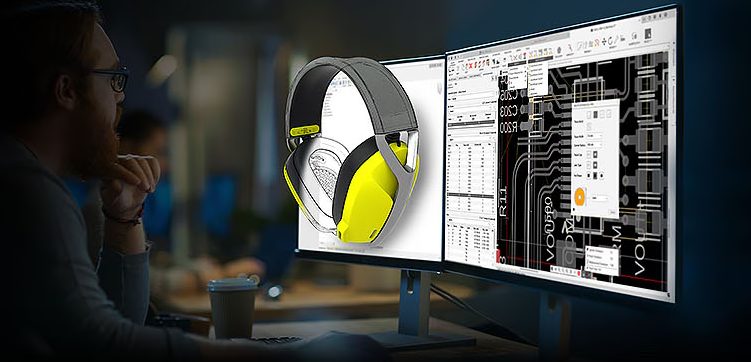
The hidden cost of product development software
Most product development teams don’t use a single software application. A typical workflow often includes:
- CAD software
- CAM software
- Simulation software
- Product Data Management (PDM)
- Collaboration tools
- File storage systems
- IT infrastructure
- Quality and revision control processes
Individually, each investment may seem manageable. Together, they can create significant complexity, administrative overhead, and cost.
As products become more complex and teams become more distributed, the true cost of managing disconnected systems often becomes more important than the cost of any individual software license.
CAD software is only part of the investment
CAD is the foundation of product development, but it’s rarely the entire workflow. Engineering teams need to create models, drawings, assemblies, and prototypes. They also need to collaborate across departments, track revisions, and support downstream manufacturing activities.
Many organizations purchase additional software to support those workflows. For example, a standard Autodesk Fusion subscription includes, the following in a single platform:
- CAD
- CAM
- CAE
- PCB and circuit design
- Cloud collaboration
- Data management
That means buyers aren’t simply evaluating CAD pricing. They’re evaluating how much of their overall workflow can be consolidated within one environment.

The cost of separate CAM software
For manufacturers, CAM software is often a second major software investment. Beyond licensing costs, separate CAM systems can introduce additional overhead through:
- File exports
- Data translation
- Duplicate file management
- Version synchronization
- Manufacturing rework
Modern manufacturing teams increasingly want design and manufacturing to remain connected.
Autodesk Fusion combines CAD and CAM within the same platform, allowing engineering changes to automatically remain associated with manufacturing data and toolpaths. This reduces the need to move files between separate systems and can significantly simplify design-to-manufacturing workflows.
For many companies, the cost savings come less from eliminating software and more from eliminating process inefficiencies.
PDM and data management costs add up quickly
As organizations grow, managing product data becomes increasingly difficult. Common challenges include:
- Duplicate files
- Lost revisions
- Unclear ownership
- Version confusion
- Complex approval processes
Traditional Product Data Management (PDM) systems help address these issues but often introduce their own costs, including:
- Additional licensing
- Implementation services
- Administration
- Infrastructure
- Employee training
Autodesk Fusion includes built-in cloud data management capabilities that allow teams to manage revisions, track design history, and collaborate using a shared source of product data.
For organizations currently evaluating standalone PDM solutions, this can significantly impact total cost of ownership.
File management has a real cost
Most organizations never budget for file management. Yet teams routinely spend hours:
- Finding the latest revision
- Verifying manufacturing files
- Resolving version conflicts
- Recreating lost work
- Coordinating updates among team members
These activities seldom appear on invoices, but they consume valuable engineering time. Disconnected systems often increase this burden because information exists across multiple applications, servers, and storage locations.
The larger the team becomes, the more expensive these inefficiencies become.
IT infrastructure is often overlooked
Software pricing pages rarely include infrastructure costs. Yet many organizations maintain:
- File servers
- Backup systems
- Software deployment tools
- Storage infrastructure
- Security administration
- Hardware upgrades
These ongoing expenses can significantly increase the real cost of product development software.
Cloud-connected platforms help reduce some of that complexity by centralizing software, collaboration, and data management within a single environment.
Collaboration tools create additional expenses
Product development has become increasingly collaborative. Designers, engineers, machinists, contract manufacturers, suppliers, and stakeholders often need access to the same information.
Many organizations purchase separate tools for:
- Design reviews
- Data sharing
- Project collaboration
- Communication
- Supplier engagement
When collaboration exists outside the product development workflow, information becomes fragmented and harder to manage.
The result is additional software costs, administrative burden, and the potential for communication errors.
Revision errors can cost more than software
One of the most expensive product development costs is often invisible. Revision errors can lead to:
- Scrap
- Manufacturing rework
- Delayed projects
- Incorrect parts
- Supplier confusion
- Product launch delays
A single mistake can easily cost more than an annual software subscription.
Many organizations find that improving revision control and maintaining a shared source of truth provides a larger financial benefit than reducing software costs alone.
Manufacturing delays affect more than production
Disconnected workflows don’t just slow engineers down. They can impact:
- Manufacturing schedules
- Supplier coordination
- Production planning
- Customer delivery timelines
- Revenue opportunities
When engineering teams constantly export files between design, simulation, and manufacturing systems, delays become more common.
Integrated workflows help reduce these handoffs and allow manufacturing teams to work from the latest design information.
What does Autodesk Fusion cost?
Autodesk Fusion is available through a subscription model that includes substantially more than CAD alone. A standard Autodesk Fusion subscription includes:
- CAD
- CAM
- CAE
- PCB and circuit design
- Cloud collaboration
- Data management
Organizations that need advanced capabilities can extend the platform through:
- Fusion for Manufacturing
- Fusion for Design
- Fusion Manage
- Manufacturing Extension
- Simulation Extension
- Design Extension
Rather than purchasing entirely separate software environments, teams can expand capabilities while continuing to work from the same source of product data.
For current pricing and subscription options, visit Autodesk’s official Fusion pricing page.
Product development cost comparision
| Cost Category | Traditional Software Stack | Autodesk Fusion Approach |
|---|---|---|
| CAD | Separate software | Included |
| CAM | Separate software | Included |
| Cloud collaboration | Separate tool | Included |
| Data management | Separate PDM | Included |
| Version control | Often separate processes | Included |
| Advanced manufacturing workflows | Additional software | Available through Autodesk Fusion for Manufacturing or the Fusion Manufacturing Extension |
| Simulation | Additional software | Available through Autodesk Fusion for Design or the Fusion Design Extension |
| Vendor management | Multiple software providers | Single platform |
| IT administration | Multiple systems | Simplified environment |
Why many teams evaluate Fusion
Fusion takes a different approach to product development software.
Instead of requiring separate systems for design, manufacturing, data management, and collaboration, Fusion combines CAD, CAM, CAE, PCB, cloud collaboration, and data management within a connected platform.
For many teams, the value isn’t simply lower software costs.
The value comes from:
- Fewer disconnected systems
- Less manual file management
- Reduced workflow friction
- Faster collaboration
- Better revision control
- Closer connection between design and manufacturing
The result is a product development environment that can help reduce administrative overhead while improving productivity.
Price vs. total cost of ownership
The lowest software subscription price isn’t always the lowest-cost solution. A lower-cost CAD license may still require:
- Separate CAM software
- Separate data management systems
- Additional collaboration tools
- Additional IT infrastructure
- Additional workflow management
That’s why many decision-makers focus on total cost of ownership rather than software pricing alone.The most important question isn’t:
“What does this software cost?”
It’s:
“What does it cost to get a product from concept to production?”
So, what are you waiting for? Give Fusion a try, free for 30-days today.
Frequently asked questions
The total cost of ownership (TCO) for product development software includes more than the price of CAD. It typically includes:
-CAD software licensing
-CAM software licensing
-Simulation and CAE software
-Product Data Management (PDM) or PLM systems
Collaboration and design review tools
-File storage and version control infrastructure
-IT administration, servers, and hardware
-Employee training and onboarding
-Hidden costs from revision errors, manufacturing rework, and production delays
Organizations that evaluate only the CAD subscription price often underestimate their total investment by a significant margin. Platforms like Autodesk Fusion consolidate CAD, CAM, CAE, PCB design, cloud collaboration, and data management into a single subscription, which can reduce the number of separate tools an organization must manage.
A standard Autodesk Fusion subscription includes the following capabilities within a single connected platform:
CAD — 3D modeling, assemblies, and 2D drawings
CAM — toolpath programming and CNC machining
CAE — simulation and structural analysis
PCB and circuit design — electronics design within the same environment
Cloud collaboration — shared access and real-time design review
Data management — revision tracking, version history, and design ownership
Organizations that need advanced capabilities can extend the platform through add-ons including Fusion for Manufacturing, Fusion for Design, Fusion Manage, the Manufacturing Extension, Simulation Extension, and Design Extension.
This consolidated approach means teams work from a single source of product data rather than managing files across separate systems.
Hidden costs in product development software workflows typically fall into five categories:
1. File management overhead — Engineering teams routinely spend hours finding the latest revision, verifying manufacturing files, resolving version conflicts, and recreating lost work. These hours rarely appear on invoices but consume significant engineering capacity.
2. IT infrastructure — File servers, backup systems, software deployment tools, storage infrastructure, security administration, and hardware upgrades are ongoing expenses that software pricing pages rarely include.
3. Collaboration gaps — When design reviews, data sharing, and supplier engagement happen outside the product development environment, information becomes fragmented, creating additional administrative burden and increasing the risk of communication errors.
4. Revision errors and manufacturing rework — A single revision error can generate scrap, require manufacturing rework, delay a project, or cause supplier confusion. The cost of one error can easily exceed an annual software subscription.
5. Manufacturing delays — Disconnected workflows between design, simulation, and manufacturing create handoffs that slow production schedules and can affect customer delivery timelines and revenue.
Yes. Autodesk Fusion includes cloud collaboration capabilities as part of the standard subscription. Teams can share design data, conduct design reviews, track revisions, and coordinate with stakeholders, including external suppliers and contract manufacturers, from within the platform.
This is relevant to TCO because many organizations purchase separate tools for design review, data sharing, project collaboration, and supplier engagement. When collaboration happens outside the product development workflow, information becomes fragmented and harder to manage, which increases administrative burden and the risk of errors.
A structured TCO evaluation for product development software should account for:
1. Direct software costs: licenses, subscriptions, and extensions for every tool in the workflow (CAD, CAM, simulation, PDM, collaboration)
2. Implementation costs: setup, data migration, and integration with existing systems
3. Training costs: onboarding for each separate application
4. IT infrastructure costs: servers, storage, backups, and security administration
5. Vendor management costs: time spent managing relationships across multiple software providers
6. Process efficiency costs: engineering time spent on file management, version reconciliation, and workflow handoffs
7. Error and rework costs: manufacturing rework, scrap, and project delays attributable to revision errors or file synchronization failures
Platforms that consolidate multiple workflow components, such as Autodesk Fusion, include CAD, CAM, CAE, PCB, collaboration, and data management in a single subscription, reducing exposure across several of these cost categories simultaneously.