-

Why File Versioning Alone Isn’t Enough (And What to Do Instead)
File versioning tracks changes, but engineering teams need more control. Learn how PDM helps prevent version conflicts, protect design data, manage revisions, and keep teams working from the right files. Every engineering team has a version-control problem. At first, it looks harmless. A designer saves a file as: Everyone understands what happened. At least for…
Data & Process
-

How to Plan and Optimize a Factory Layout with Autodesk
Learn how to plan, visualize, and optimize factory layouts using Autodesk Factory Design Utilities and FlexSim. Create digital factory models, validate equipment placement, and simulate material flow before making costly physical changes. Why factory layout decisions costs manufacturers millions Few decisions have a greater long-term impact on manufacturing performance than factory layout. A poorly planned…
Production
-
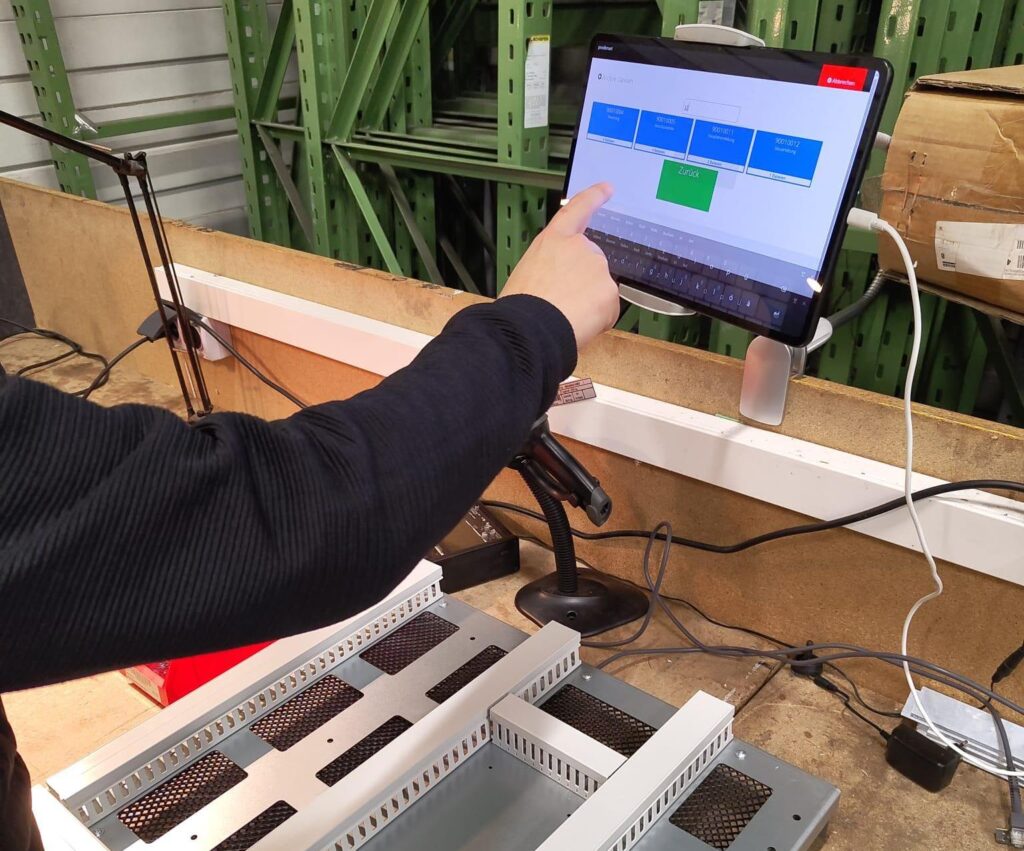
The Real Reason Your Production Data Can’t Be Trusted
Struggling with unreliable production data? Learn why manufacturing data breaks down and how Fusion Operations bring real-time visibility and accuracy to the shop floor. Production data is supposed to be the foundation of every decision on the shop floor. It’s how teams track progress, measure performance, and identify problems before they escalate. But in many…
Production
-
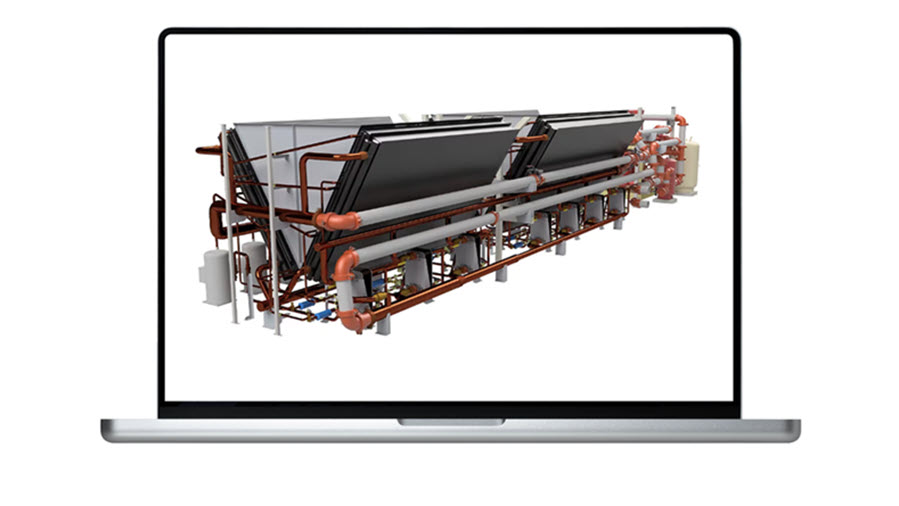
How to Handle Late-Stage Design Changes in Inventor Without Breaking Workflows
Learn how to manage late-stage design changes in Autodesk Inventor without disrupting workflows. Discover how PDM tools like Autodesk Vault keep revisions controlled, traceable, and aligned across engineering and manufacturing teams. Late-stage design changes are inevitable. A supplier issue, a manufacturability concern, or a last-minute requirement can force updates when a design is already close…
Design & Engineering
-
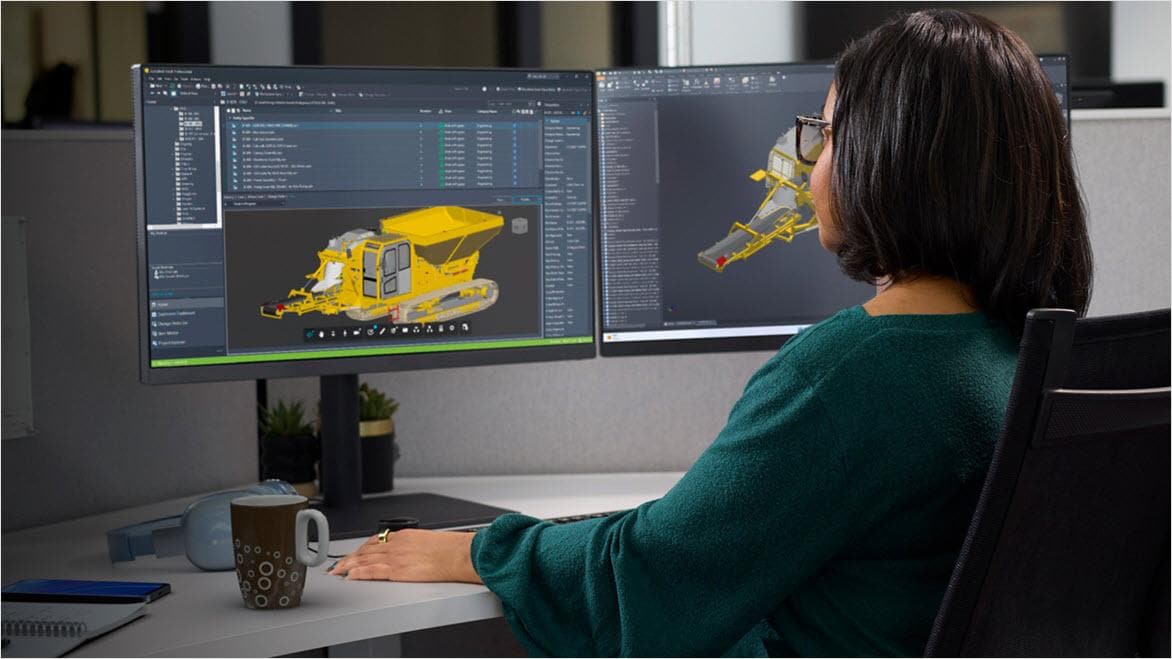
The Hidden Cost of Disconnected Engineering Data and How to Fix It
Disconnected engineering data leads to rework, delays, and costly errors. Learn how a centralized approach with Autodesk Vault helps teams stay aligned and keep product development moving. In most manufacturing organizations, teams are surrounded by design files, BOMs, change records, supplier specs, and production data spread across shared drives, email threads, spreadsheets, and disconnected systems.…
Data & Process
-
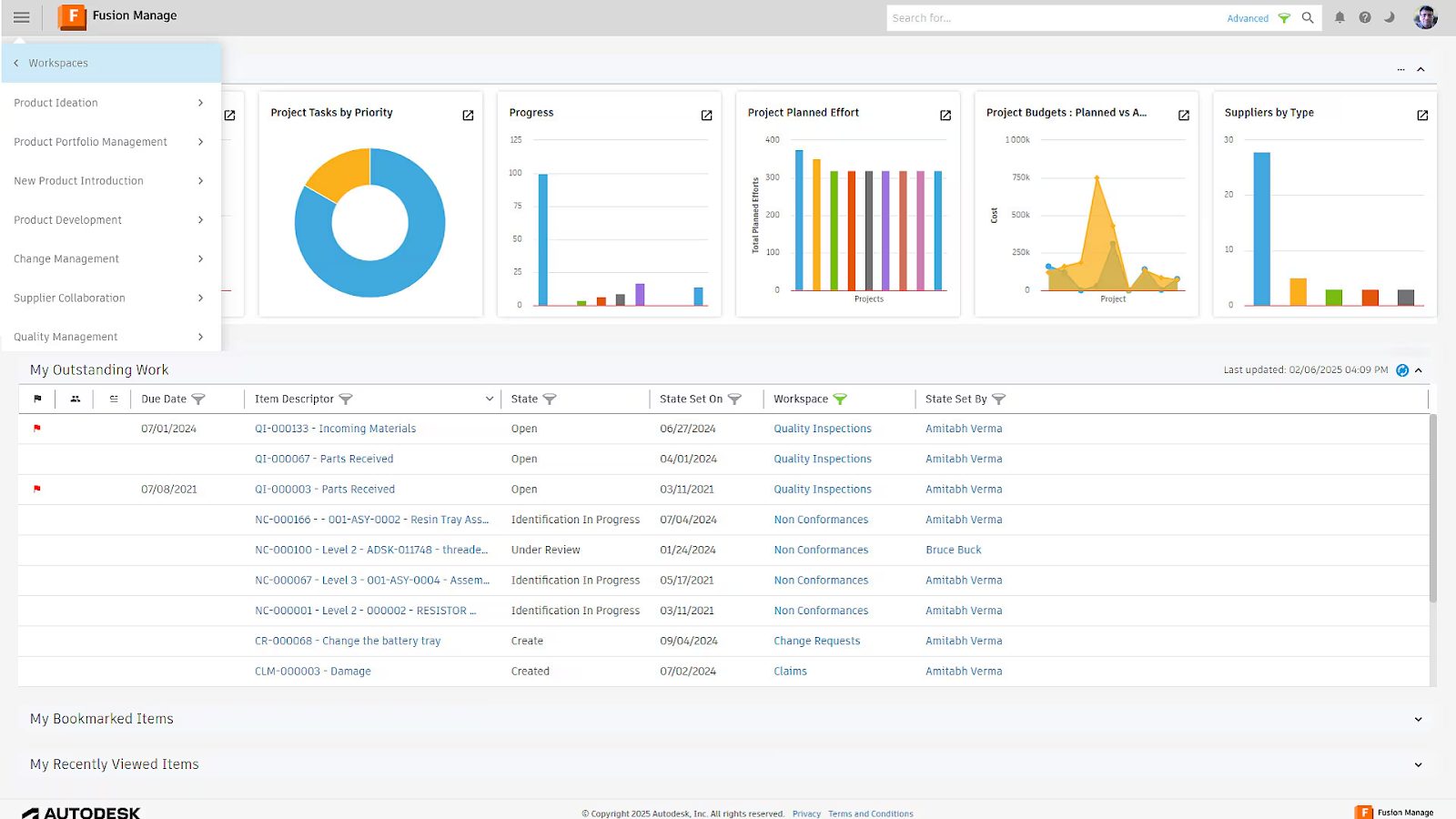
Cloud Product Lifecycle Management for Distributed Product Teams
This article examines how cloud PLM solutions support distributed product teams by improving accessibility, collaboration, and scalability. It also highlights Autodesk’s cloud PLM tools (Fusion Manage and Vault PLM) and how they facilitate change management to improve supplier collaboration and connect teams across the full product lifecycle. In 2026, product development teams face a new…
Data & Process
-
Design Intent in CAD: How to Build Models That Change Predictably in Autodesk Inventor
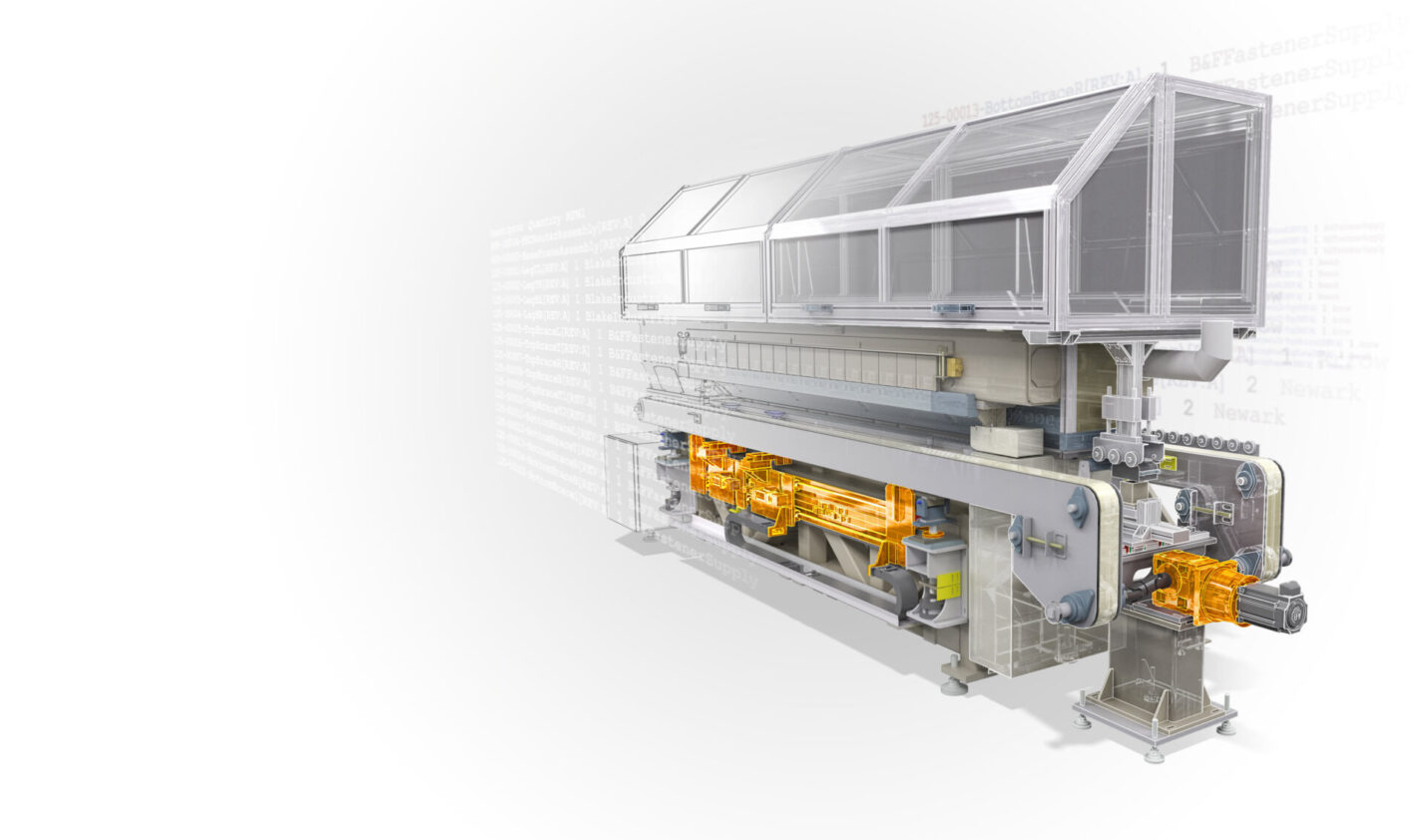
Learn what design intent means in CAD, why it matters for parametric modeling, and how Autodesk Inventor helps engineers build stable parts, assemblies, and configurable products that update predictably. A 3D model can be geometrically correct and still be a poor engineering asset. If a simple change causes sketches to flip, features to fail, assemblies…
Autodesk Inventor
-
Designing the Digital Factory: Simulating Layouts, Material Flow, and Constraints Before You Build
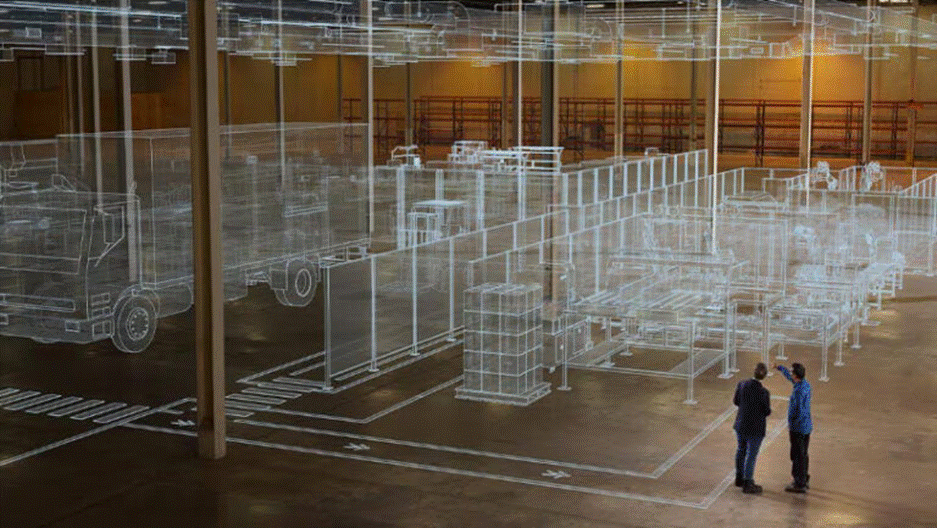
This article examines the challenge of designing a factory layout without knowing how it will perform under real operating conditions. It explores how Autodesk Factory Design Utilities and Autodesk FlexSim work together to give engineering teams an end-to-end digital factory planning workflow, from spatial design to operational validation. Building a factory can be one of…
Production
-
Mechanical Design at Scale: How Inventor Supports Parametric Parts and Assemblies
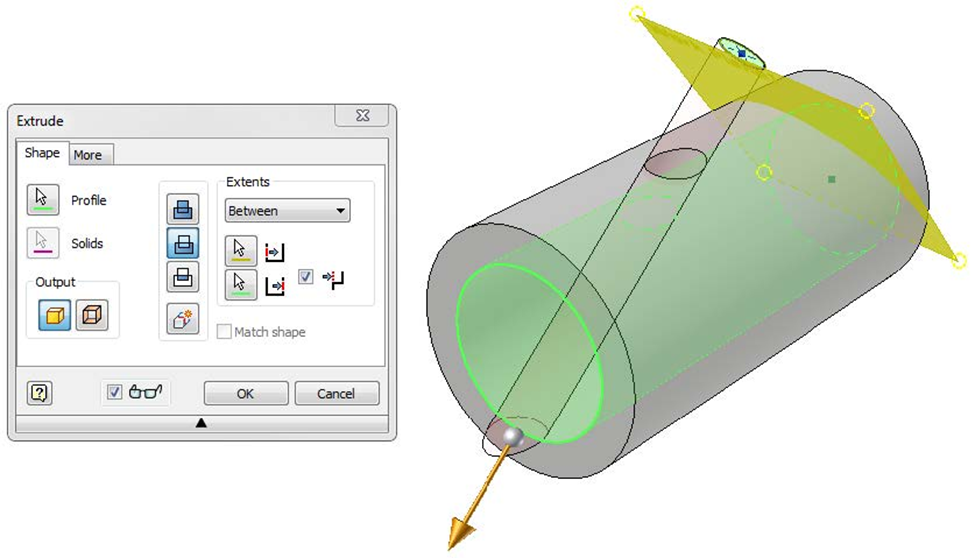
Maintaining design intent in complex parametric assemblies is a challenge that compounds at each revision cycle. This article explores how Autodesk Inventor supports mechanical engineers and designers through structured feature relationships, iLogic-driven automation, and purpose-built tools for creating configurable, reusable components. A mechanical design may look perfect on screen, but it can still fail in…
Autodesk Inventor
-
From Layout to Simulation: How FlexSim Turns Connected Data into Faster Factory Decisions
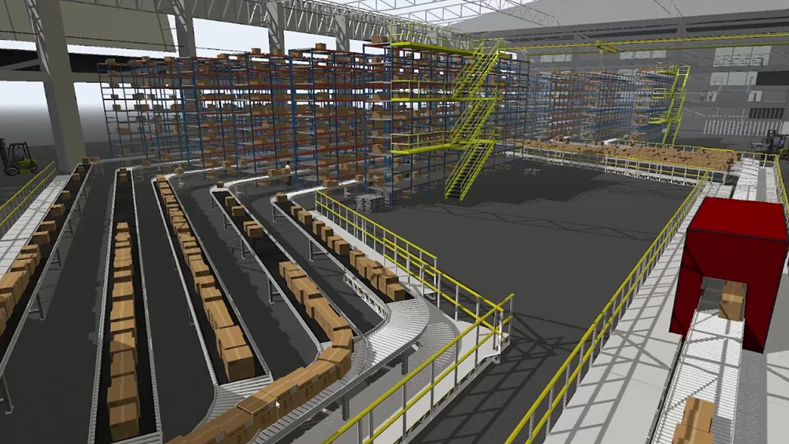
See how FlexSim connects factory layouts, DWG data, and simulation to validate throughput, reduce rework, and improve production decisions before implementation. Modern manufacturing teams don’t struggle to create layouts, they struggle to trust them. A layout might look right on paper. But without validation, it’s just a snapshot. It doesn’t account for throughput constraints, bottlenecks,…
Autodesk FlexSim
-
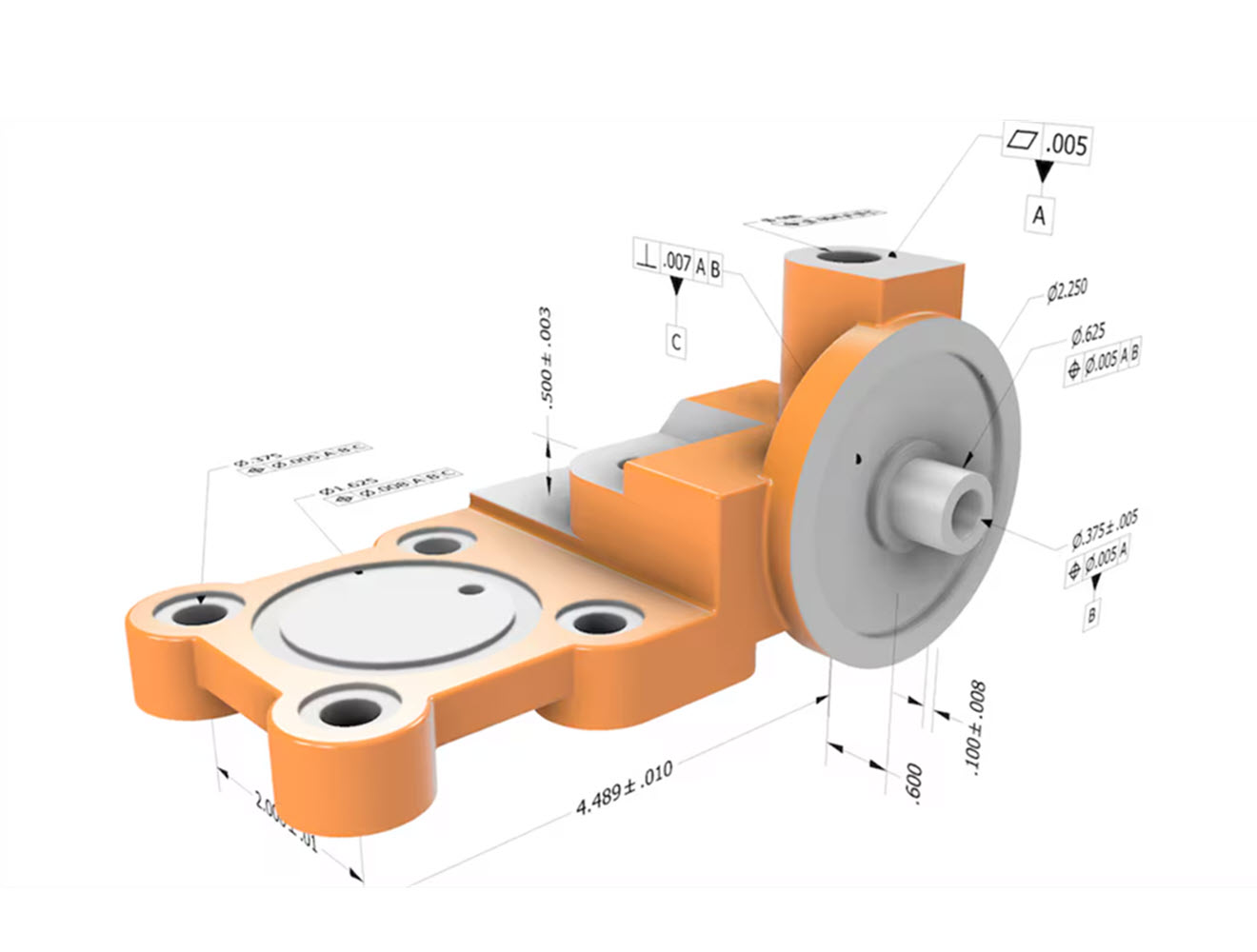
Model-Based Definition (MBD) in Autodesk Inventor: Where It Pays Off and When It Doesn’t
See how model-based definition (MBD) in Autodesk Inventor improves manufacturing accuracy, quality, and collaboration, and when it’s worth adopting. For most manufacturing teams, the 3D model has been the real source of truth for years. The drawing just made it official. Model-based definition (MBD) changes that dynamic. Instead of translating the model into a drawing…
Design & Engineering
-
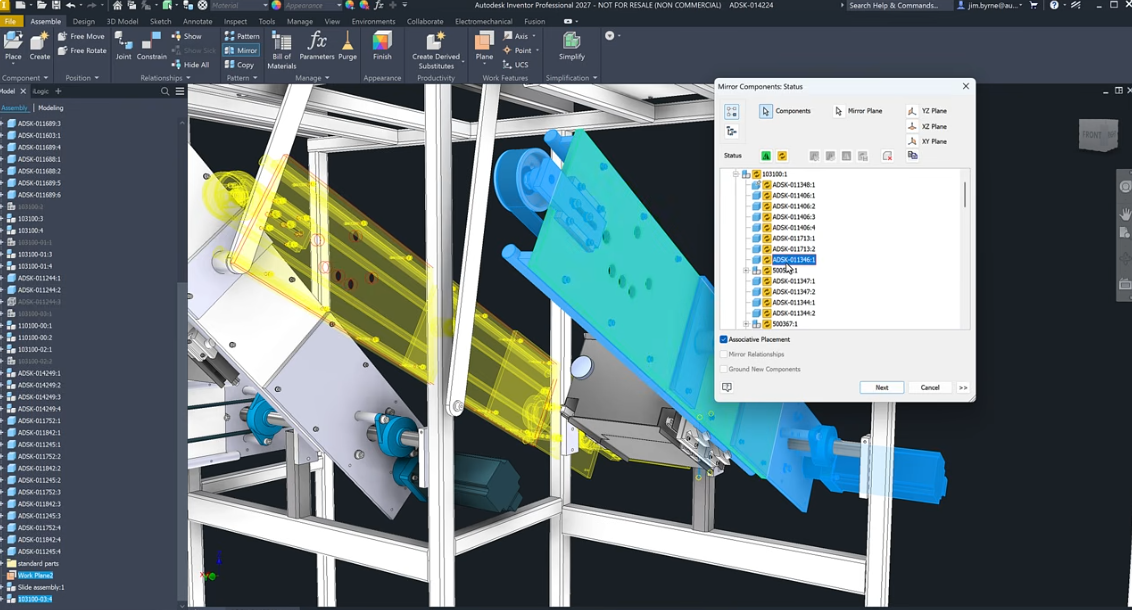
Smarter Assembly Mirroring in Autodesk Inventor: More Control, More Design Intent
Learn how Autodesk Inventor’s enhanced assembly mirror workflow gives designers more control through associative placement, flexible mirroring options, and design‑intent‑driven workflows. Mirroring components in an assembly is a common task in mechanical design. From left‑ and right‑hand versions of components to symmetrical assemblies, mirroring saves time and helps maintain consistency. But in real‑world workflows, mirroring…
Design & Engineering