-
How BOMs Bring Order to Change
Learn how a connected Bill of Materials (BOM) brings structure to change management by improving traceability, reducing errors, and aligning engineering and manufacturing. Change is a constant in product development. Designs evolve. Suppliers shift. Costs fluctuate. Requirements can change overnight. A single update can ripple across engineering, procurement, production, and quality. Left unmanaged, even a…
Data management
-

July 2026 Major Product Update – What’s New
Fusion’s July update introduces a refreshed Home experience, Construction Geometry enhancements, Hub-Based Threads Library, Altium Project Import, new manufacturing capabilities, and more. Minor Update Our latest minor update brings several important fixes and improvements to enhance your experience. Click to learn more. Highlights v.2704.1.15 – July 6, 2026 The July release of Autodesk Fusion introduces new…
What's New
-
Why PCB Design Fails Without ECAD-MCAD Integration: A Complete Workflow Guide
Learn how ECAD-MCAD integration improves PCB design, routing, manufacturability, enclosure fit, and collaboration. See how Fusion Electronics connects the entire workflow. Learn how PCB design and ECAD-MCAD integration work together across every stage of the workflow, from schematic capture through stackup definition, routing, simulation, manufacturability, and enclosure validation, and how Autodesk Fusion helps electrical and…
Electronics Engineering
-
Will AI Reduce the Need for Highly Specialized CAD Skills?
AI won’t replace CAD expertise, but it will redefine it. Learn how Autodesk Fusion uses AI to automate low‑value work and elevate design decision‑making. AI isn’t making CAD expertise obsolete. It’s finally putting it to better use. For years, highly skilled designers and engineers have spent a disproportionate amount of time on work that, while…
Product Design & Engineering
-

Introducing the Autodesk Fusion Data MCP Server
Learn about the new Fusion Data MCP Server that connects AI tools to Fusion project data so teams can manage permissions, folders, and project structure through natural language.
Fusion
-
Unlocking Innovative Solutions with Generative Design
Generative design uses AI to create and test hundreds of manufacturing‑ready designs. See how Autodesk Fusion helps teams innovate faster and reduce cost. No matter how you slice it, creating an optimized design takes ample planning and experimentation. It’s essential that products meet certain performance (and durability) requirements under specific operating conditions, and teams must…
Industrial Design
-
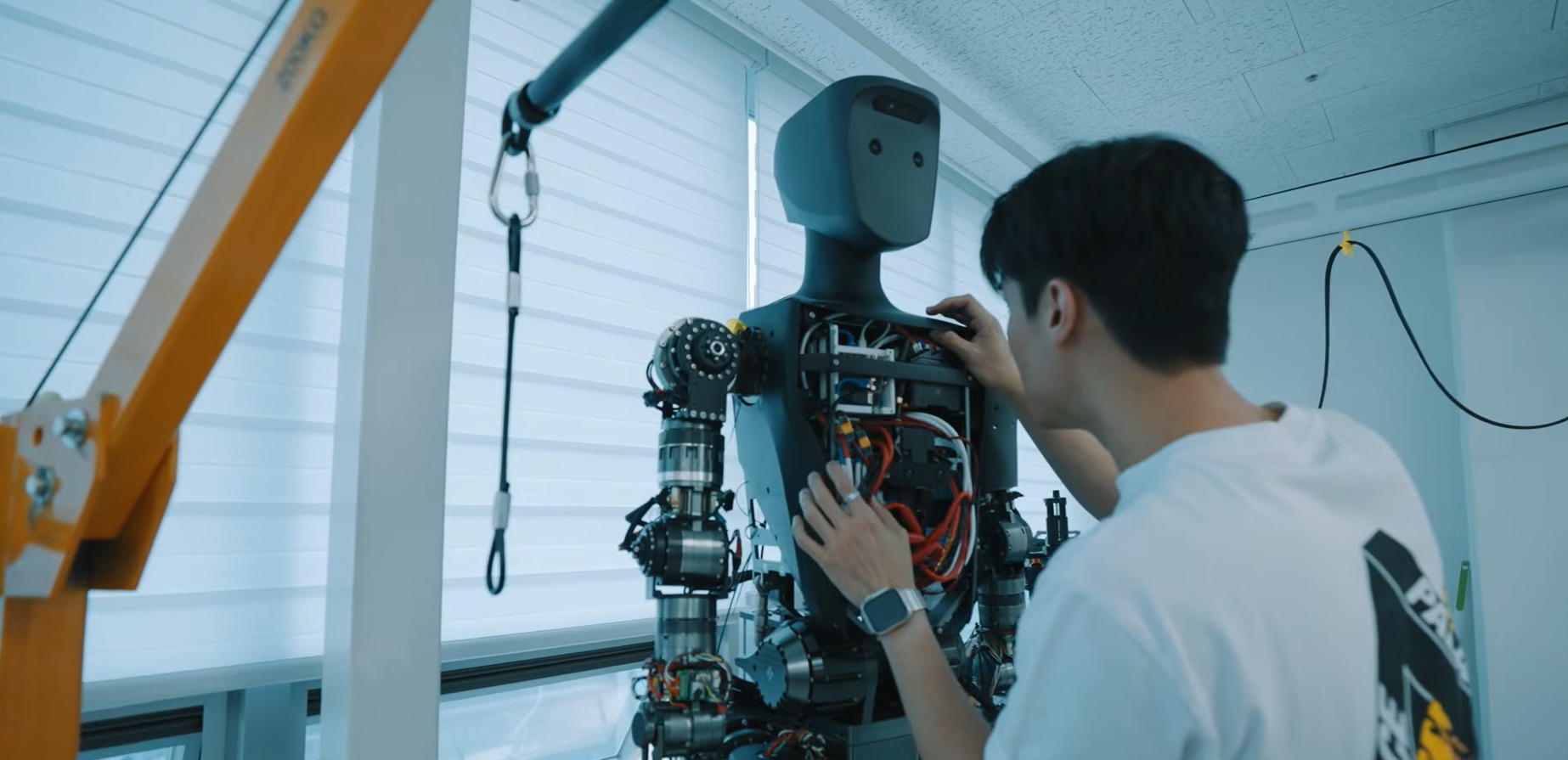
Robros Creates an AI-Powered Humanoid Robot with Autodesk Fusion
Based in Seoul, South Korea, Robros used AutoCAD and Autodesk Fusion to develop IGRIS-C, an AI-powered humanoid robot that brings physical AI into real-world movement and interaction. By taking advantage of 3D modeling, simulation, generative design, and PCB development in Fusion, the team improved development speed, accuracy, and collaboration. Physical AI is moving robotics into…
Case Studies
-
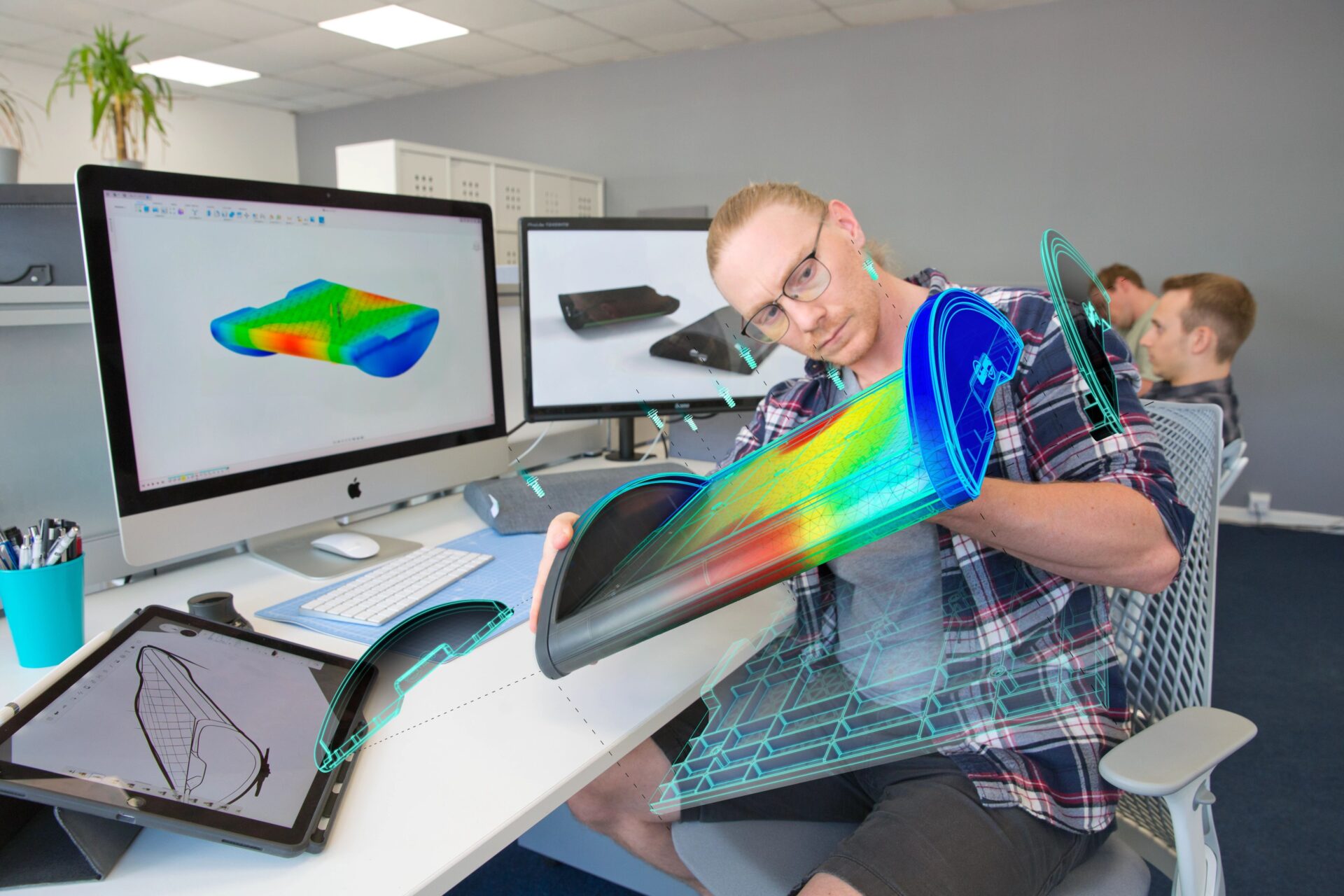
Autodesk Fusion vs. SolidWorks: The Ultimate Migration Guide
Are you curious about Fusion 360 vs. SolidWorks? This migration guide will be the key to your success.
Getting Started
-
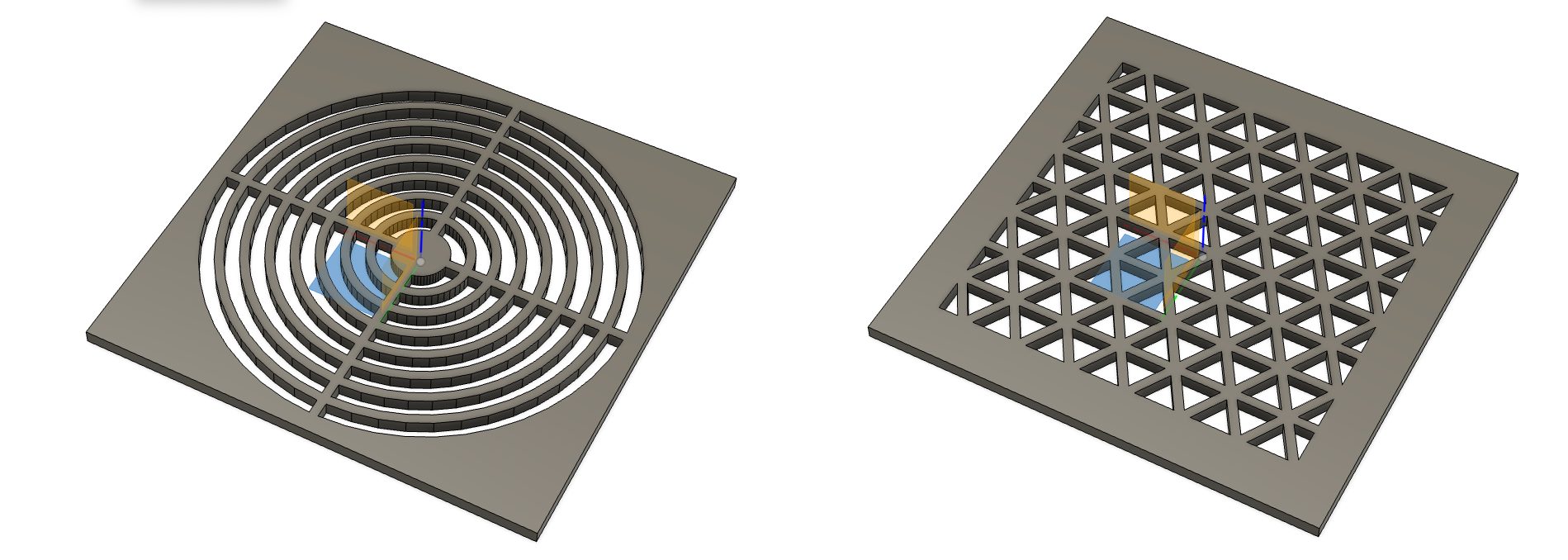
Build Your Own Fusion Add-ins with the Fusion MCP
Build a Fusion add-in without coding using AI agents. Learn how the Fusion MCP connects tools like Claude and Cursor to automate workflows, test scripts, and accelerate add-in development. The Claude Desktop connector for Fusion arrived alongside something just as monumentus official MCP’s for Fusion. Any tool that supports the Model Context Protocol can now…
Fusion
-
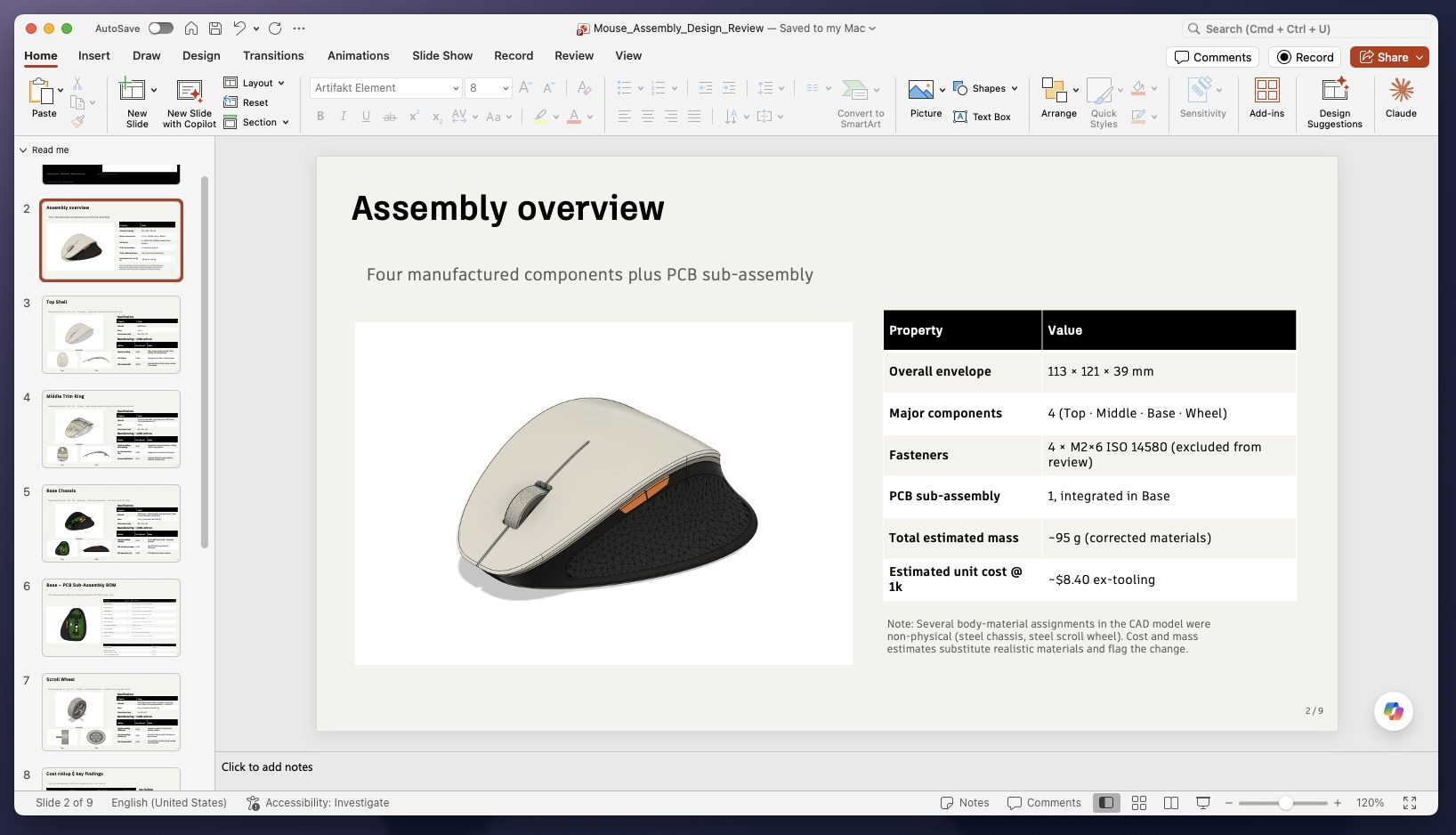
How to Improve Your Fusion Workflow with the Claude Desktop Connector
Learn how to use the Autodesk Fusion Claude Desktop Connector to automate repetitive design tasks, streamline workflows, and extract insights, without relying on unreliable AI-generated geometry.
Fusion
-
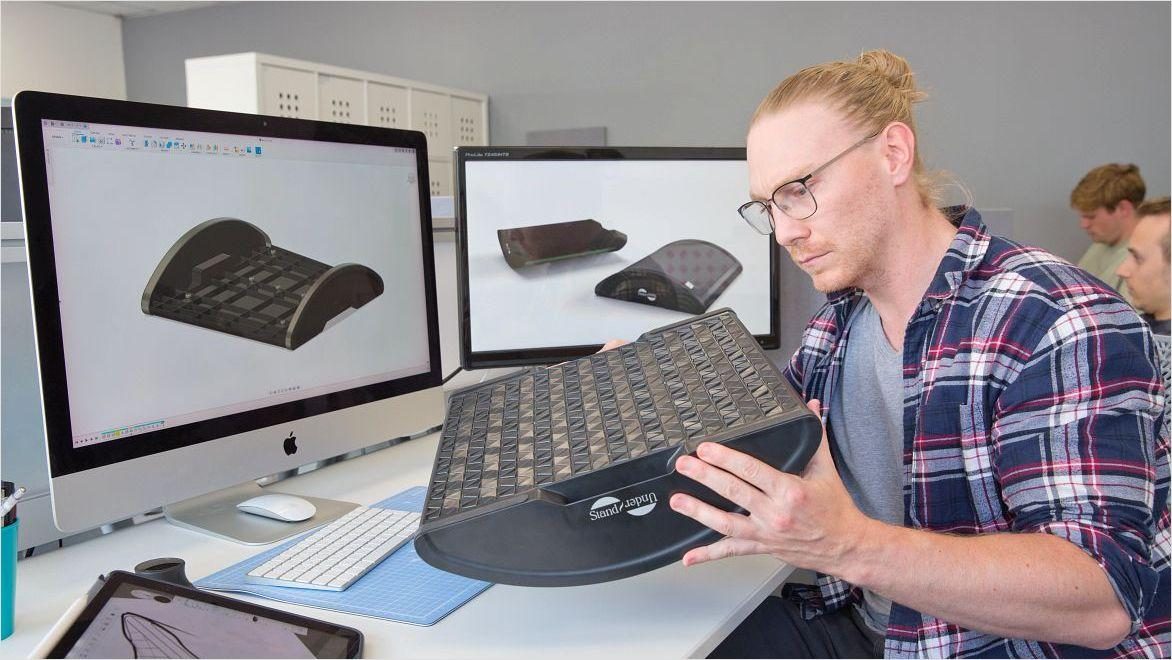
Design for Manufacturability (DFM): How Consumer Products Teams Reduce Rework and Tooling Risk
This article explores how consumer products teams apply design for manufacturability (DFM) to protect tooling investments and avoid late-stage rework. It examines the real costs of discovering manufacturability issues after design freeze and explains how Autodesk Fusion helps engineers incorporate DFM thinking from the earliest stages of development. For many designers, a nightmare scenario involves…
Manufacturing
-
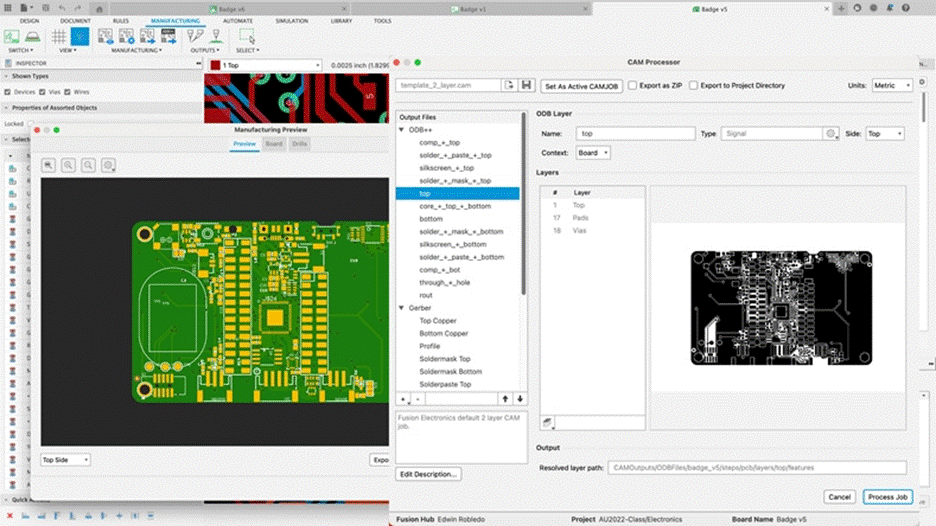
From Prototype to Production: What Makes a PCB Design Ready for Manufacturing
Explore how to move a PCB design from prototype to production with an overview of validation and component placement and how Autodesk Fusion streamlines these workflows. Moving from a functional prototype to a scalable production unit requires a rigorous approach to design validation and physical optimization. For engineering teams, the process involves a deep understanding…
Electronics Engineering
-

Proception Advances Physical AI with Dexterous Robotic Hand Designed Using Autodesk Fusion
Proception is advancing physical AI with ProHand 1.0, a research-grade robotic hand designed for dexterous, adaptive manipulation in real-world environments. With Autodesk Fusion, Proception’s eight-person engineering team accelerates development through rapid prototyping and cloud collaboration. Using the Fusion API, they can now easily convert CAD models into URDF (Unified Robot Description Format), reducing a process…
Case Studies
-
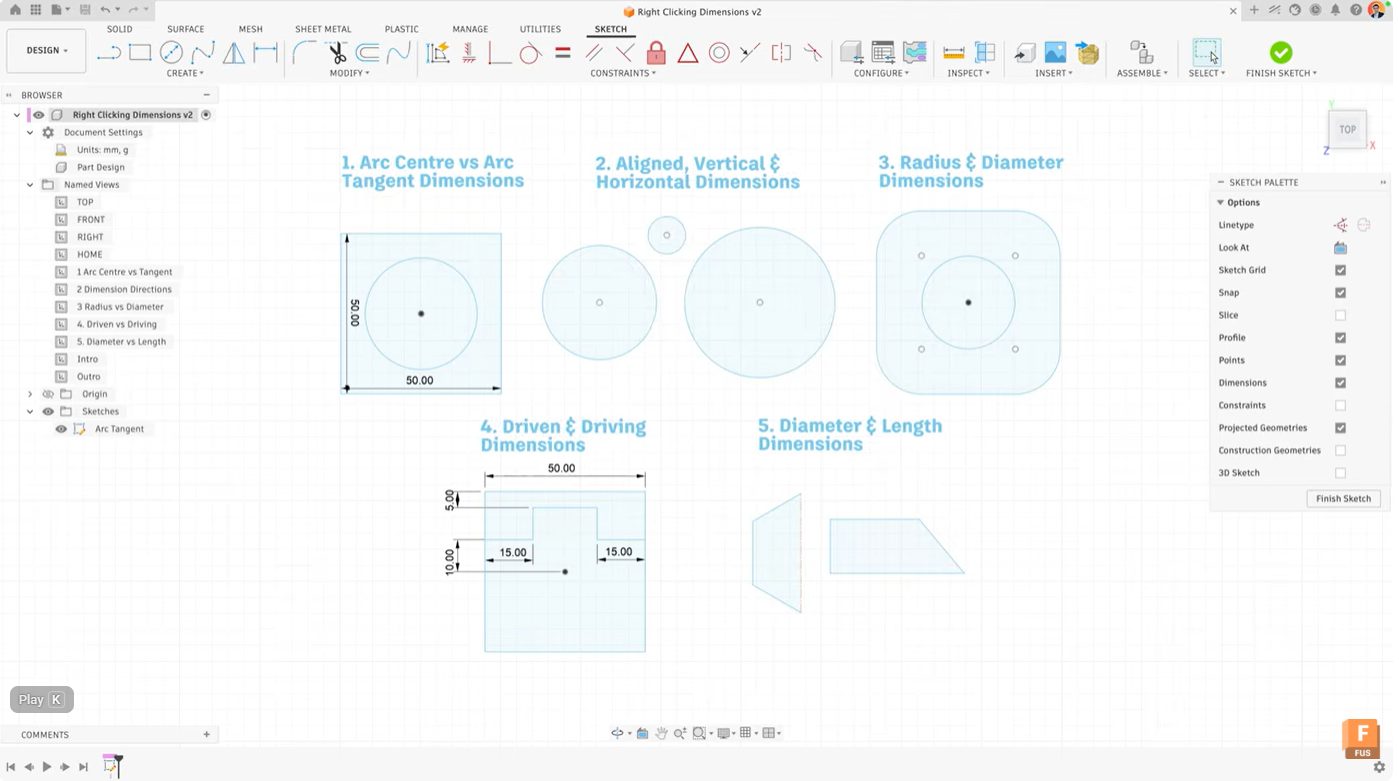
Mastering Sketch Dimensions: 5 Essential Right-Click Tricks in Autodesk Fusion
Struggling with sketch dimensions in Autodesk Fusion? Learn 5 right-click tricks to control dimensions, improve accuracy, and speed up your workflow. Dimensioning sketches in Fusion is a fundamental skill, but most users only scratch the surface of what’s possible. The right-click menu during dimensioning unlocks powerful controls that give you precision and flexibility beyond the…
Getting Started
-

New Product Development (NPD): How Teams Manage Changes Without Chaos
This article explores the challenge of managing design changes during new product development (NPD) and why unstructured processes derail timelines and inflate costs. It examines how Autodesk Fusion gives cross-functional teams a connected, traceable system for handling change requests, approvals, and bill of materials (BOM) updates from first prototype to final release. The causes and…
Fusion