 Guy Buttle
This post is also available in:
Growth is easier when every employee follows proven processes. Learn how standardization in manufacturing improves quality, productivity, and scalability.

Elevate your design and manufacturing processes with Autodesk Fusion
As a business grows, complexity tends to grow with it. More jobs. More customers. More machines. More employees.
That’s when many manufacturers discover a hidden problem: everyone has their own way of working.
One programmer has their preferred CAM strategy. One estimator has their own quoting process. One machinist sets up jobs differently than everyone else. It works when the team is small. But as the business grows, those differences start creating bottlenecks, inconsistencies, and unnecessary rework.
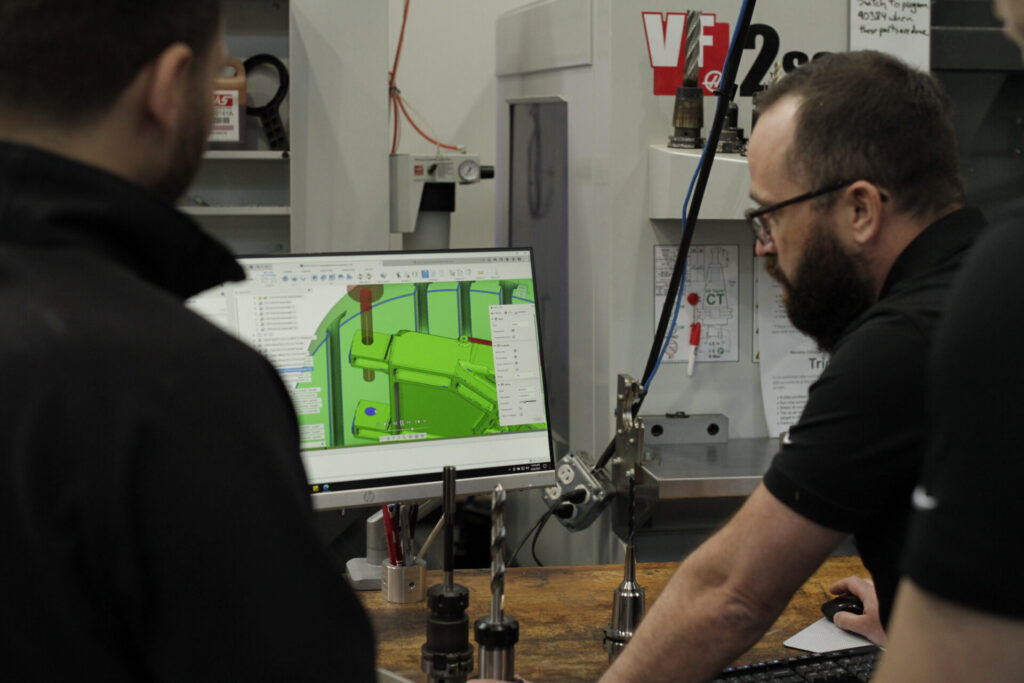
The manufacturers that scale successfully aren’t necessarily the ones with the newest machines or the biggest teams. They’re often the ones that have figured out how to standardize what works. Standardization doesn’t mean every job is identical. It means the way work is prepared, programmed, and delivered follows proven processes that produce consistent outcomes.
Why growth creates variability
Most shops are built around smart, experienced people. The challenge is that experience often stays with the individual rather than the business.
When processes aren’t standardized, jobs take longer to hand off, new employees take longer to train, and quality can vary depending on who’s assigned to the work. Growth becomes difficult because performance depends on specific people rather than repeatable processes.
That’s becoming even more important as manufacturers face ongoing workforce challenges. According to Deloitte and The Manufacturing Institute, manufacturers could need as many as 3.8 million additional workers between 2024 and 2033, with up to 1.9 million positions potentially going unfilled. The more knowledge you can capture, the less dependent your business becomes on any one person. However, this isn’t just a staffing challenge. It’s a process challenge and solving it starts with standardizing how work gets done.
Standardization makes quality more predictable
Customers don’t care which programmer created the CAM program or who was running the machine. They care about receiving quality parts on time and that’s why consistency matters.
When programming strategies, tool libraries, setup procedures, and manufacturing data are standardized, the entire team starts from the same foundation. That reduces variation, improves repeatability, and helps deliver more consistent outcomes from job to job. Industry methodologies such as Lean Manufacturing and Six Sigma have long emphasized standard work because reducing variation improves operational performance.
Standardization in manufacturing isn’t about removing flexibility. It’s about giving every employee access to proven ways of working.
Faster onboarding, less tribal knowledge
Most manufacturers have experienced it. A senior employee leaves, and suddenly everyone realizes they were the only person who knew how certain jobs were programmed, quoted, or set up.
The manufacturers that continue to grow are the ones that capture that knowledge and make it available across the business. Instead of every employee starting from scratch, new team members can build on proven processes and successful past work.
That shortens onboarding, improves consistency, and helps teams become productive faster.
Building a manufacturing memory
The best shops don’t just complete jobs. They learn from them.
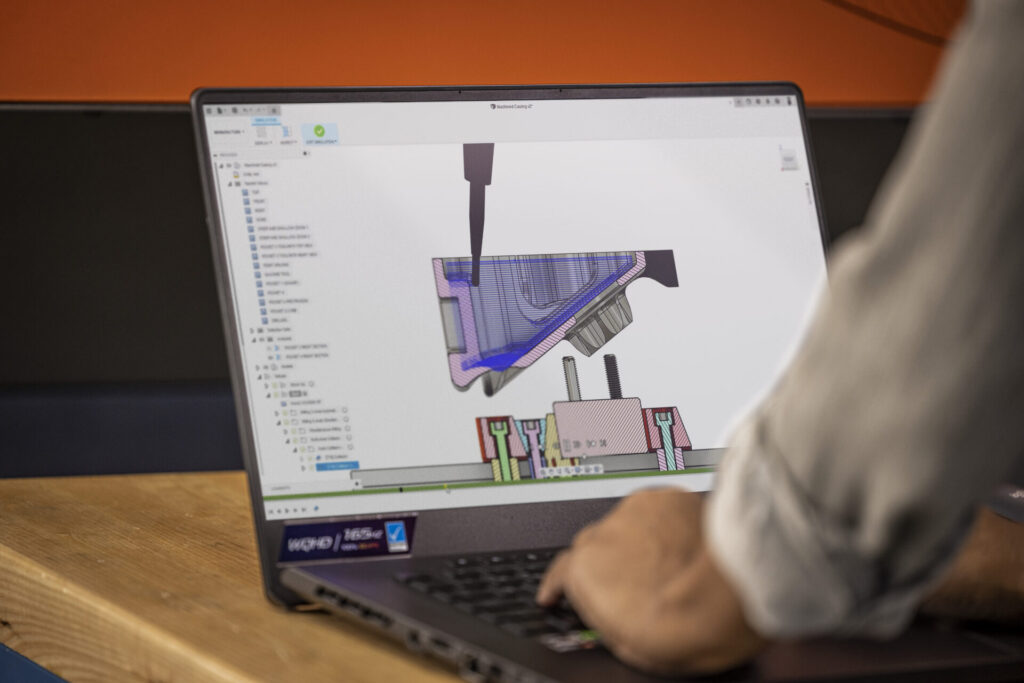
Successful machining strategies, tooling decisions, setup approaches, and production knowledge. Every job creates valuable knowledge that should become assets that the business can reuse repeatedly.
Over time, that creates what many manufacturers are really looking for: a reusable system for growth. Instead of solving the same problems repeatedly, teams can focus on taking on more work, improving processes, and serving customers better.
How Fusion helps
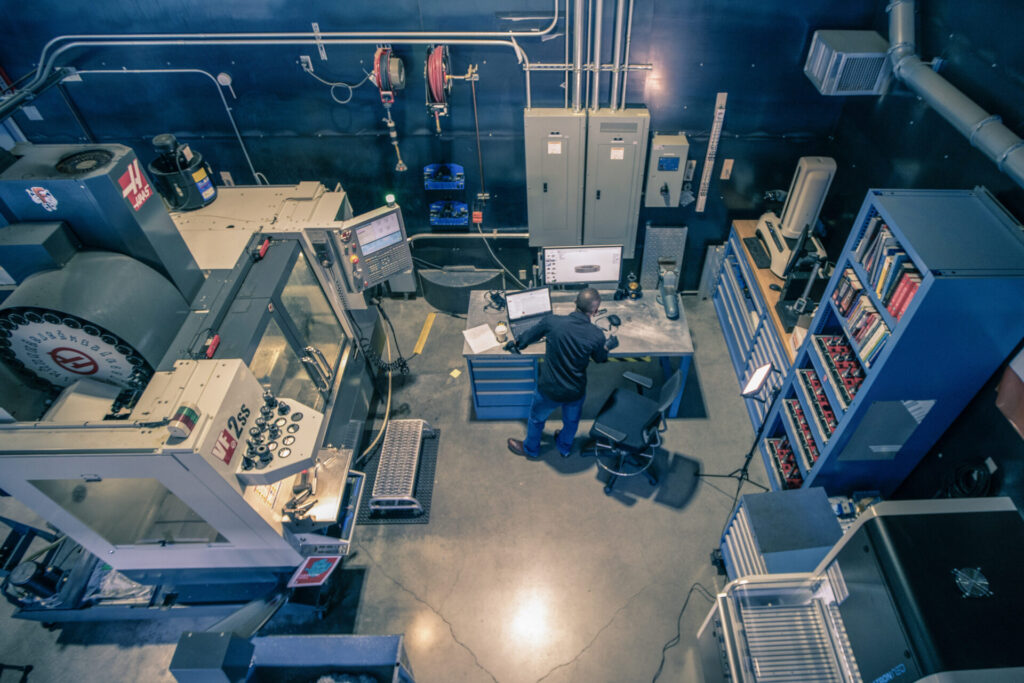
Autodesk Fusion helps manufacturers standardize operations by connecting CAD, CAM, and manufacturing data in a single platform. Teams can reuse proven machining strategies, create standardized tool libraries, eliminate manual NC code edits by using maintain approved post processors, and build repeatable workflows that help reduce variability across programmers, machines, and locations.
By capturing knowledge and making it accessible across the organization, Fusion helps manufacturers scale what works, reduce reliance on tribal knowledge, and drive greater consistency throughout the business.
Consistency creates capacity
Growth isn’t just about adding more machines or hiring more people. It’s about creating systems that allow your business to deliver consistent results as demand increases.
When your best practices become standard practices, onboarding gets easier, quality becomes more predictable, and the entire team can operate more efficiently.
For manufacturers looking to scale, standardization isn’t just an operational improvement. It’s a competitive advantage.
Try Fusion for Manufacturing, view pricing, or speak with a specialist to see how standardized workflows can help your team grow with greater consistency and confidence.