Category: Fusion
-

Partner-Led Fusion Sessions: Exploring the Future of Product Development at AU 2026
Explore the top partner-led Autodesk Fusion sessions at AU 2026 featuring Naya, Vizcom, and Avnet as they talk about all things related to AI, product development, automation, and connected workflows. Product development is increasingly connected. Designers, engineers, manufacturers, and product teams are no longer working in isolated systems. AI, automation, supply chain intelligence, and collaborative…
Fusion
-
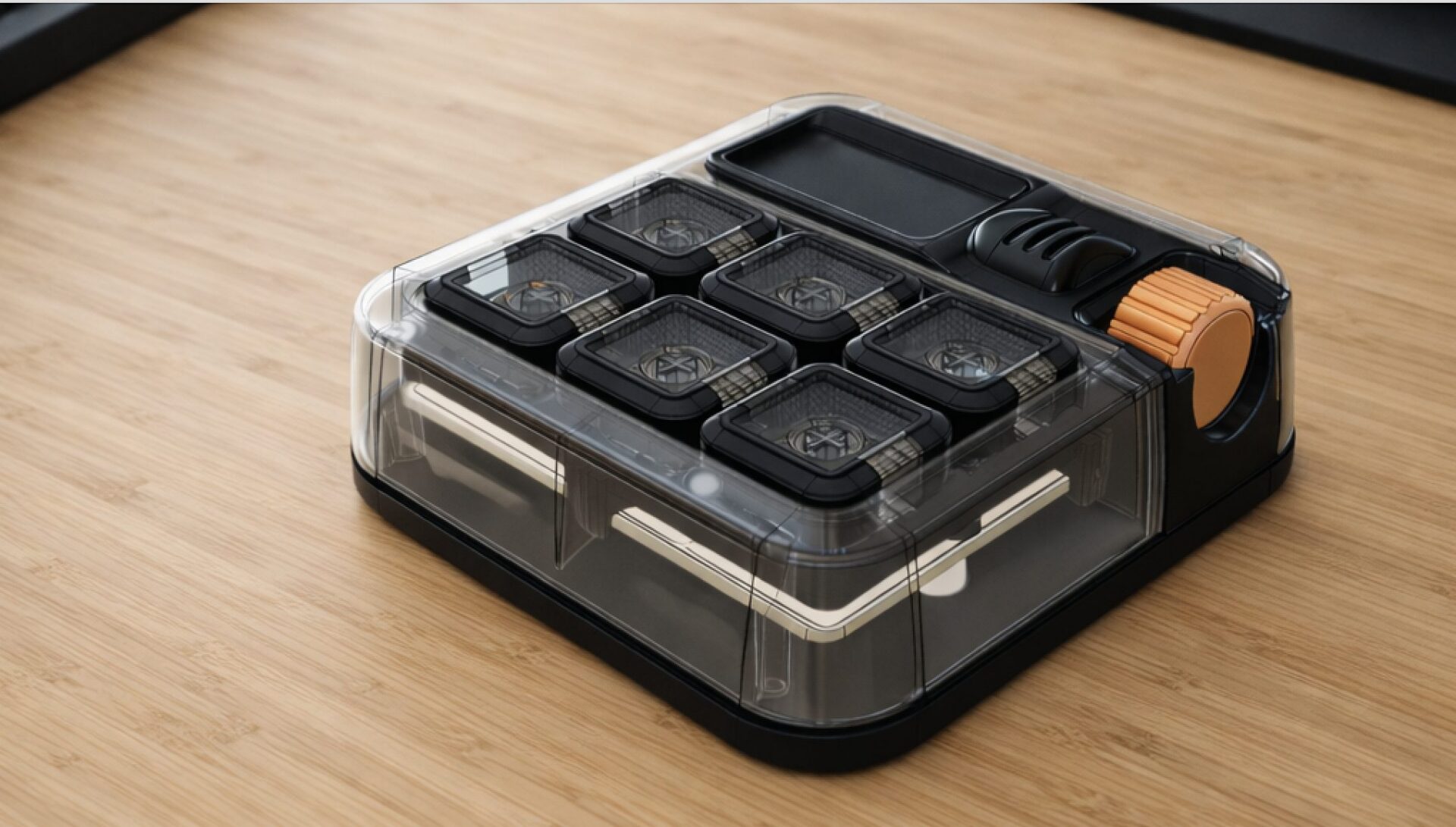
Introducing the Autodesk (micro) Macro Keypad at AU2026
Celebrating 10 years of the Factory with the next evolution of the Autodesk Keypad. This year marks the 10th anniversary of the Factory Experience. Since its debut at Autodesk University in 2016, the Factory has showcased the complete product development journey from concept and design to manufacturing and production through a new, hands-on product each year.…
Fusion
-
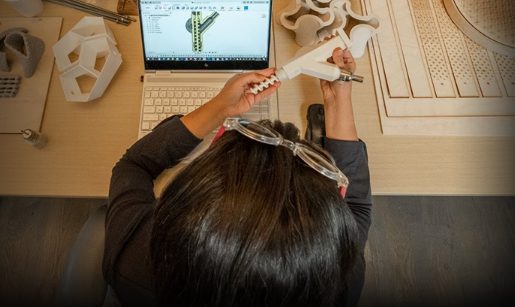
Fusion for Personal Use: The Best Free Design and Make Tool You Should Consider Upgrading
Explore Autodesk Fusion for personal use, including what’s free, feature limitations, and when it’s time to upgrade. Compare Fusion for Personal Use vs. Autodesk Fusion and discover the advanced design, manufacturing, simulation, collaboration, and data management tools available with a full subscription. Maybe you’re designing parts for a 3D printer, building custom furniture in your…
Fusion
-

Autodesk University 2026: Top Product Development Sessions You Should Attend
Discover the top Autodesk Fusion product development sessions at AU 2026 covering AI, PLM, product design, optimization, digital transformation, and connected workflows. Products are becoming more complex, customer expectations are rising, and teams are being asked to deliver faster with fewer resources. At the same time, AI, connected workflows, and digital transformation are creating entirely…
Fusion
-
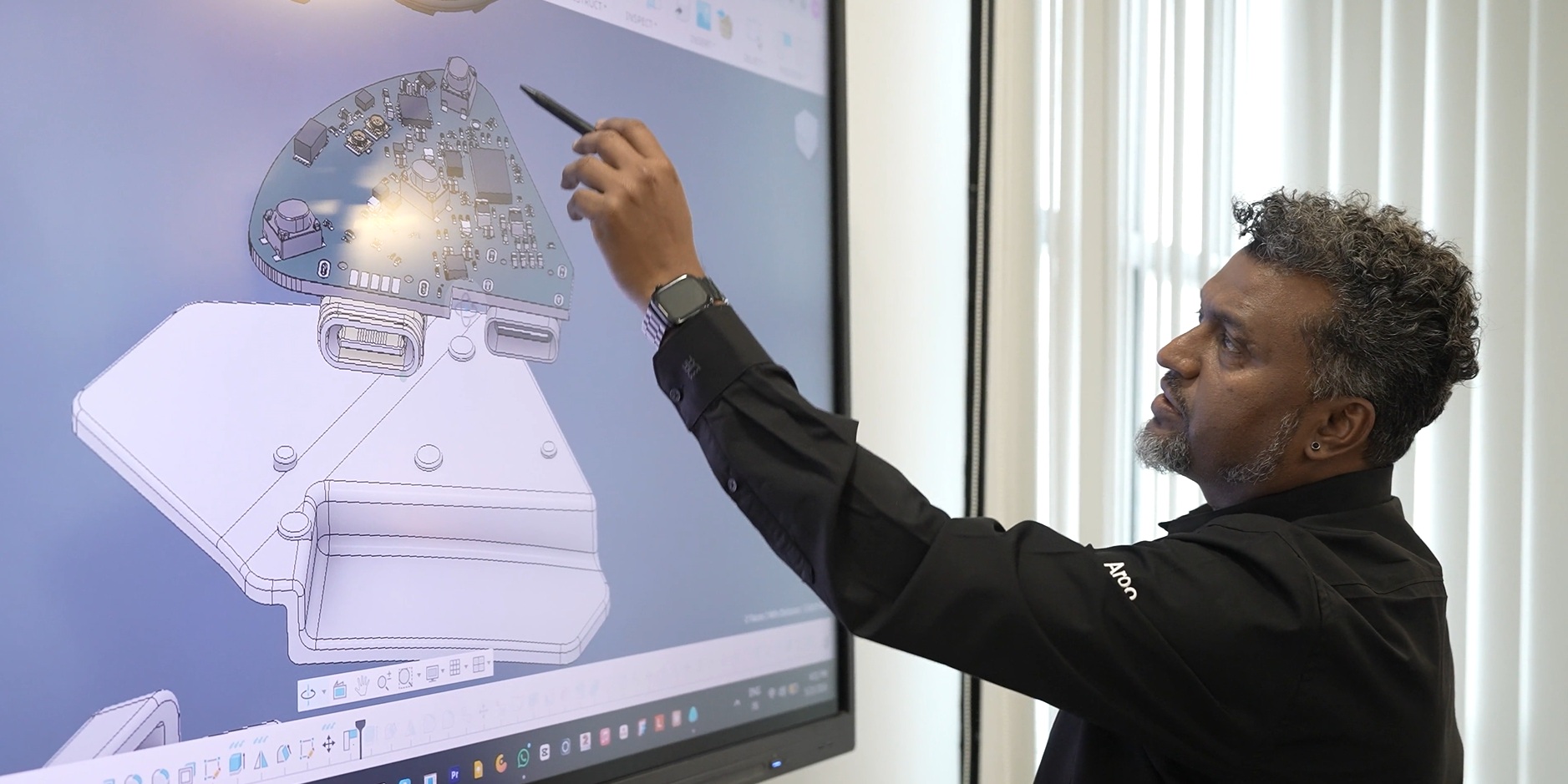
BluArmor Drives Smart Motorcycle Helmet Innovation with Autodesk Fusion
Autodesk Fusion helped BluArmor bring a complex, motorcycle helmet-mounted device to life by unifying design and engineering on a single platform. Using parametric modeling, real-time collaboration, and integrated simulation, the team rapidly iterated complex designs, validated performance for harsh riding conditions in India, and scaled products while reducing prototyping and time to market. Based in…
Case Studies
-
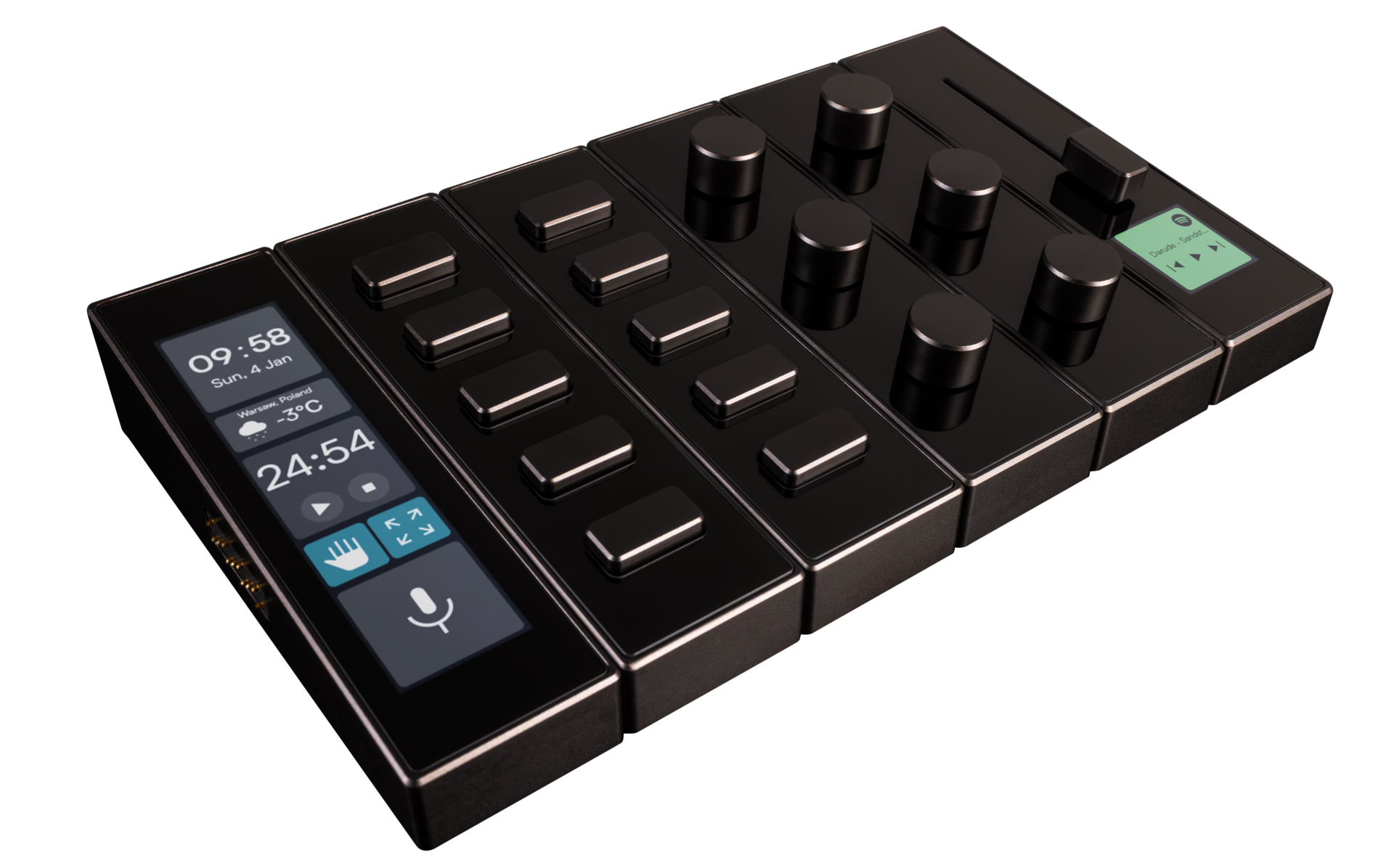
Shortcuts at Your Fingertips: modue Designs Modular Control Deck with Autodesk Fusion
modue is creating a more intuitive way to control and personalize gaming, music production, and everyday digital workflows. Using Autodesk Fusion from the earliest concepts through prototyping and production design, the team developed a modular control deck with customizable modules. After gaining more than 50 million social media views and raising roughly $400,000 on Kickstarter,…
Case Studies
-
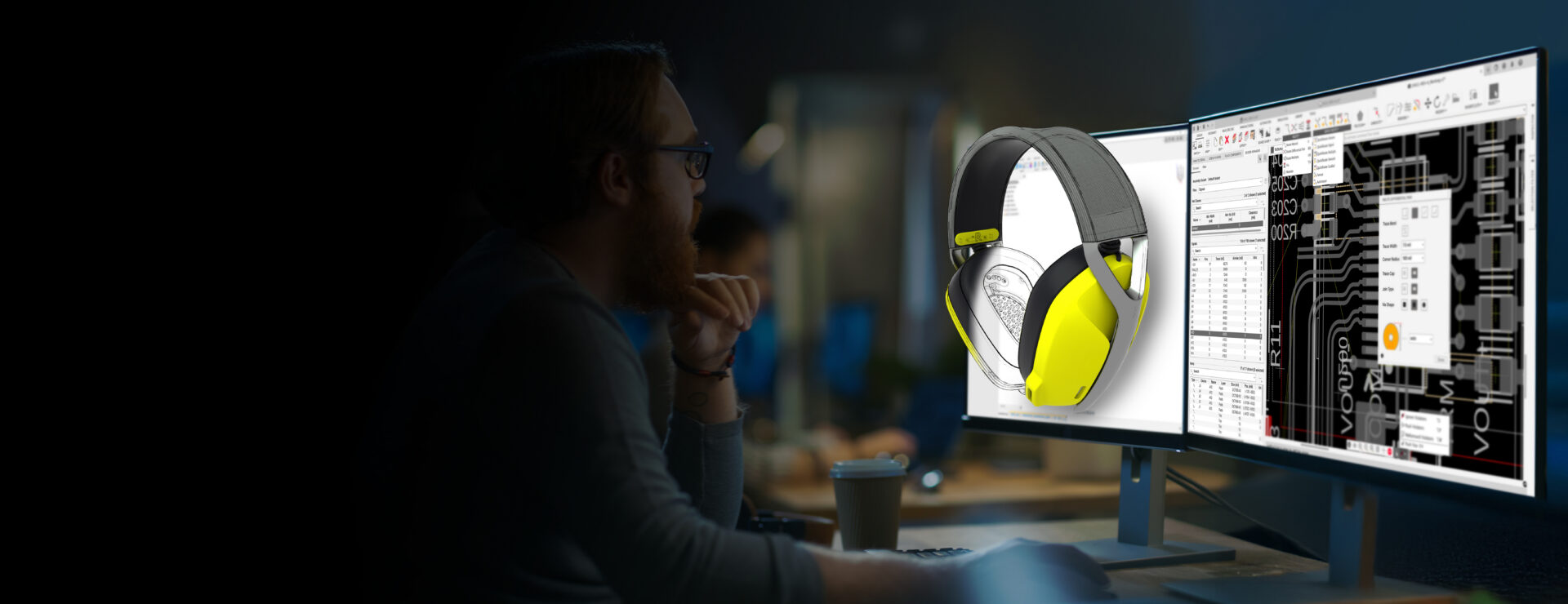
Autodesk Fusion FAQ: 15 Common Questions, Answered Directly
Get answers to 15 of the most common Autodesk Fusion questions. Learn about Fusion’s CAD, CAM, CAE, AI tools, cloud collaboration, pricing, manufacturing workflows, and professional engineering capabilities. If you’re evaluating CAD software, comparing product development platforms, or researching whether Autodesk Fusion is the right fit for your team, you’re not alone. These are some…
Fusion
-
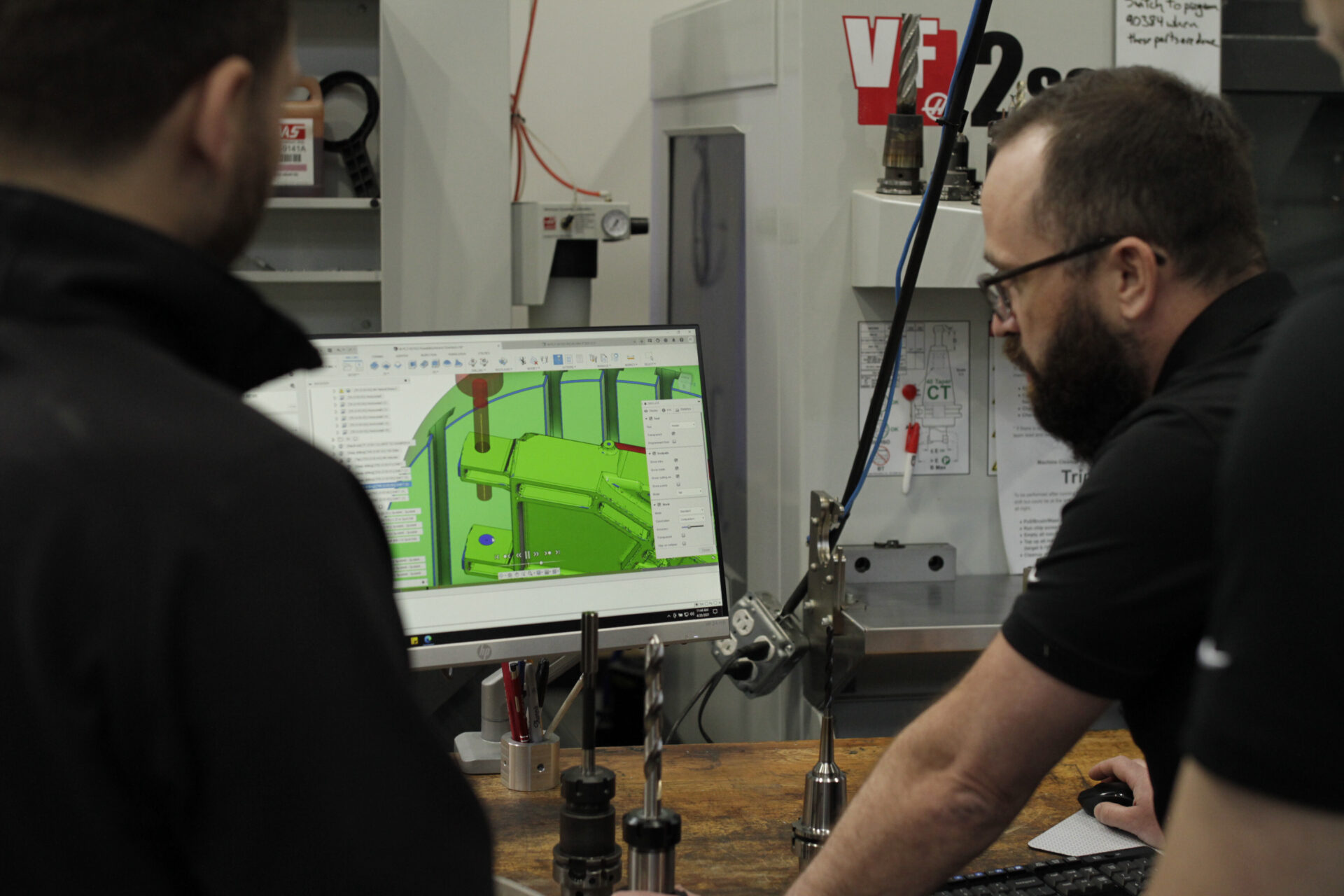
How Small Manufacturers Can Compete with Limited Resources
Learn how small manufacturers can improve efficiency, reduce costs, accelerate product development, and compete with larger companies using modern design and manufacturing technology. Large manufacturers often have bigger budgets, dedicated engineering teams, specialized software, and extensive supply chains. For smaller manufacturers, competing against that scale can feel overwhelming. Yet some of the most innovative products…
Fusion
-
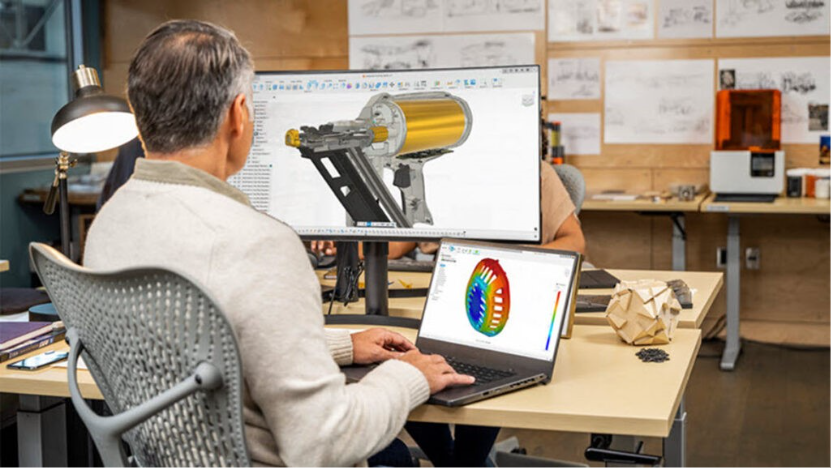
What Is Autodesk Fusion? A Complete Overview
Autodesk Fusion, formerly Fusion 360, is a platform for 3D CAD, CAM, CAE, PCB design, data management, and manufacturing. Learn what Autodesk Fusion includes, who it’s for, and how to get started. Autodesk Fusion, formerly Fusion 360, is an integrated product development platform for 3D CAD, modeling, manufacturing, industrial design, electronics, mechanical engineering, and data…
Fusion
-
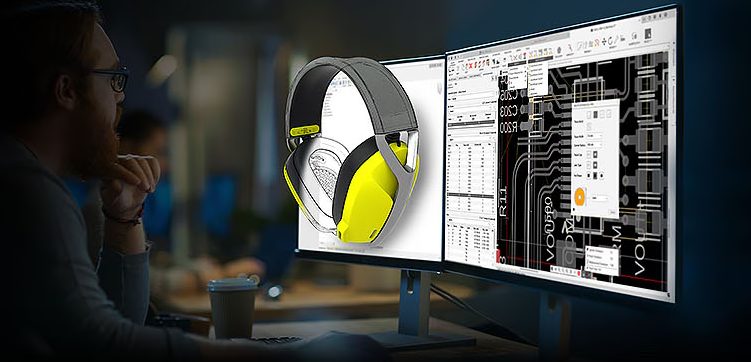
How Much Does Product Development Software Really Cost? (Beyond CAD Licenses)
Discover the true cost of product development software. Compare CAD, CAM, PDM, collaboration, and IT costs to evaluate total cost of ownership. Quick answer: Product development software costs often extend far beyond a CAD subscription. Many organizations pay separately for CAD, CAM, simulation, data management, collaboration tools, IT infrastructure, and the hidden costs of revision…
Fusion
-
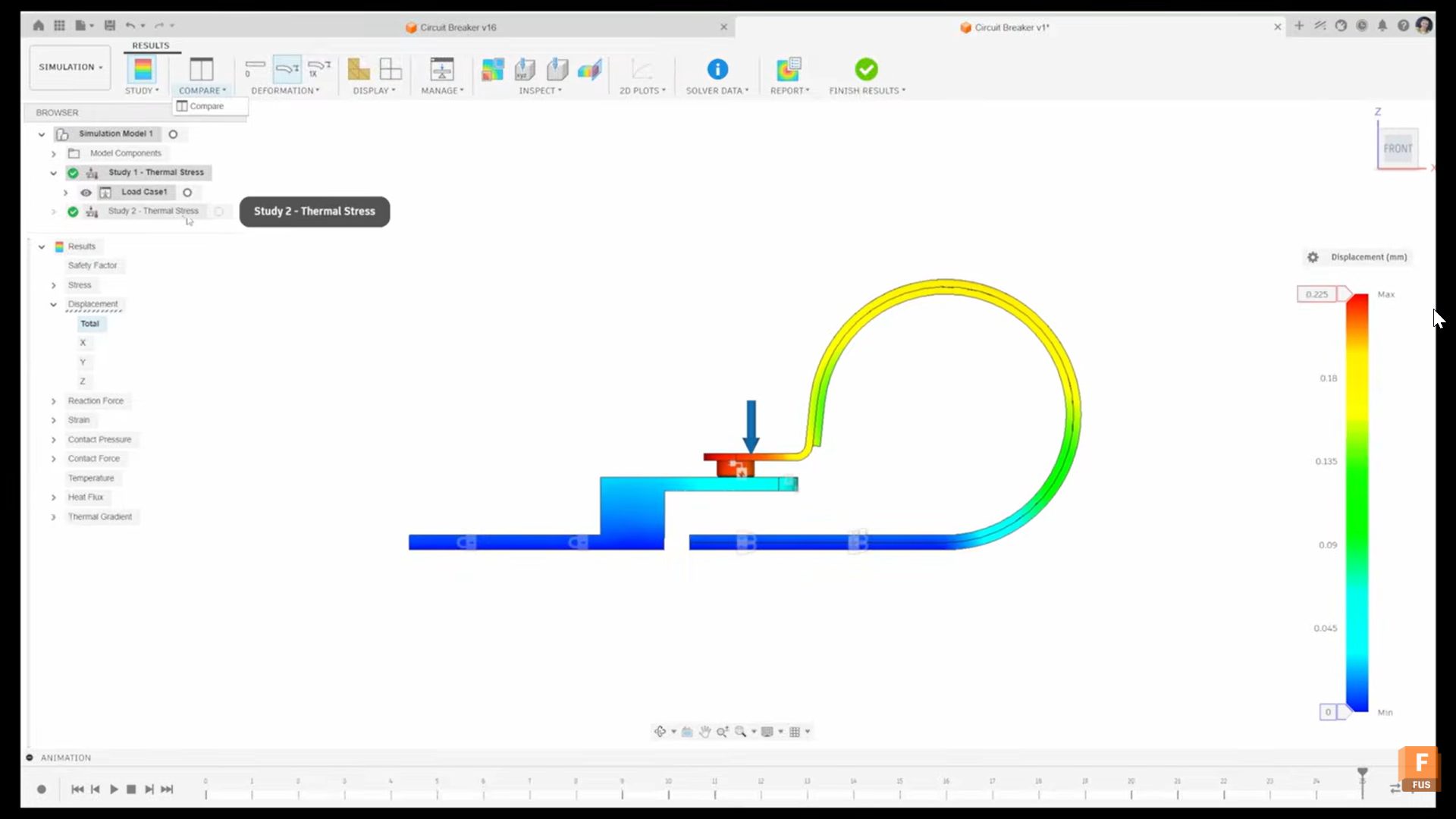
Mastering Thermal Stress Simulations in Autodesk Fusion: A Step-by-Step Guide
Learn how to run thermal stress simulations in Autodesk Fusion to predict thermal expansion, validate designs, and improve product reliability. Thermal stress analysis is an essential tool for engineers who need to understand how temperature changes affect their designs. When components heat up or cool down, they expand or contract at different rates depending on…
Mechanical Engineering
-

Vermland Brings Danish Cabinetry and Furniture Design to Projects Around the World with Autodesk Fusion
Vermland creates high-end, modular kitchen and bathroom cabinetry, shelving, and furniture for clients around the world. Eight team members use Autodesk Fusion to connect design, technical development, and manufacturing while managing more than a thousand parts and an extensive library of modules in a shared cloud-based system. With precision modeling, integrated CAD and CAM, and…
Case Studies
-

Cabinet Design Software: From Custom Cabinet Concepts to Manufacturing-Ready Designs
Discover how cabinet designers and manufacturers use Autodesk Fusion to design custom cabinets, manage revisions, create realistic visualizations, and prepare production-ready designs for CNC manufacturing. Whether you’re designing custom kitchen cabinets, built-in storage, office furniture, or commercial millwork, success depends on more than creating a beautiful design. Every cabinet must ultimately be manufactured accurately, efficiently,…
Fusion
-
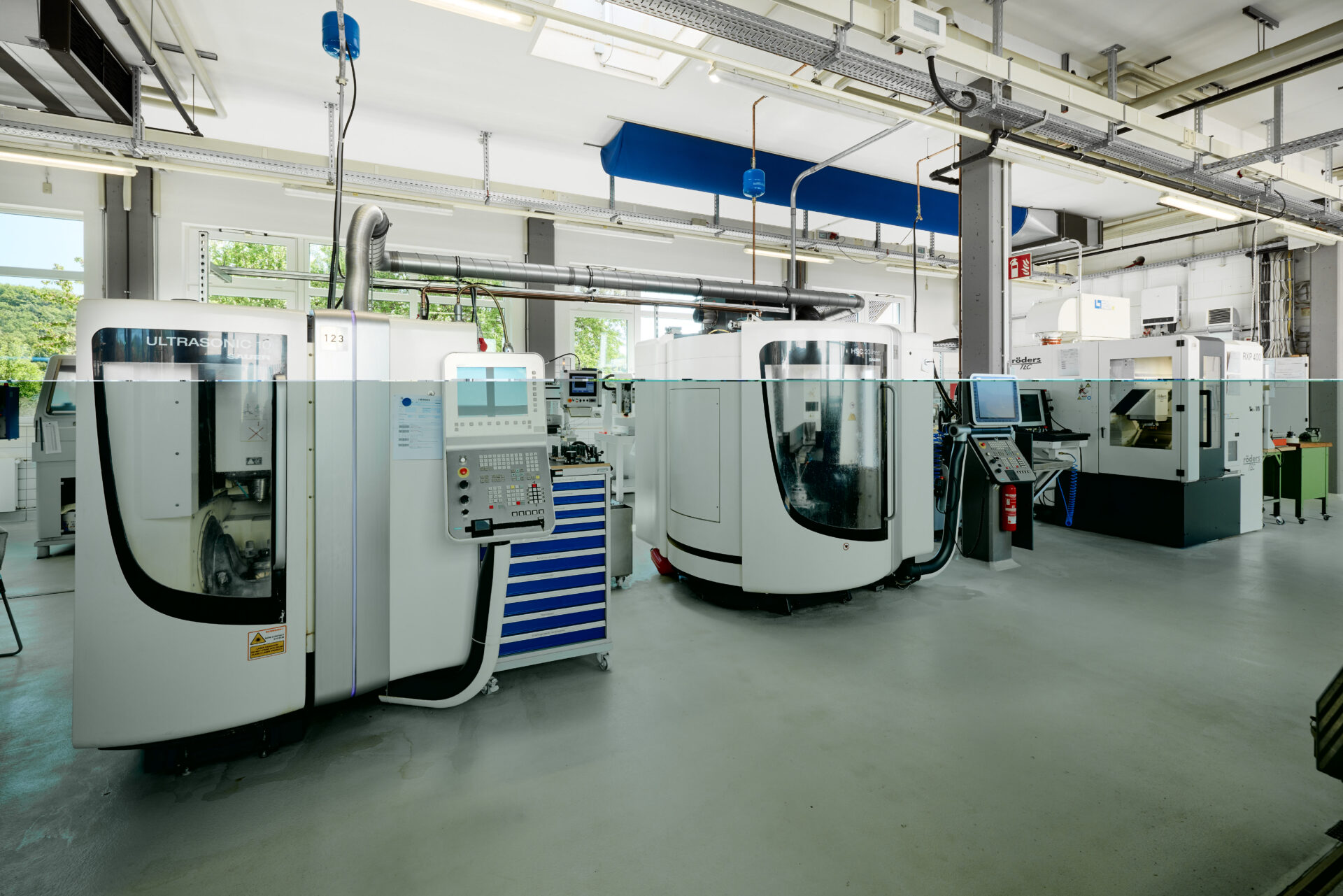
Albert Schütz GmbH Sharpens Precision Manufacturing with Autodesk Fusion
Albert Schütz GmbH is using Autodesk Fusion to bring CAD and CAM together in one platform, replacing separate tools. Fusion’s out-of-the-box post-processors, simple setup, and integrated workflows have helped the company save time, connect more easily to machines, and even design a custom centerless grinding machine for high-volume optical components. With Fusion and the Manufacturing…
Case Studies
-
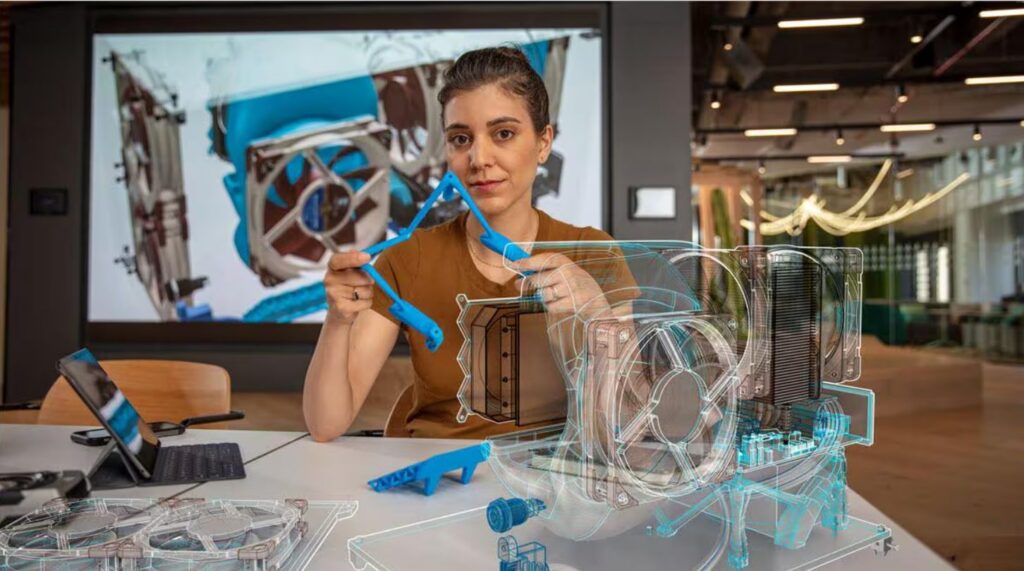
How AI in Manufacturing Improves Design, Decisions, and Delivery
Learn how AI is shaping real-world product design and manufacturing. See how Autodesk Fusion uses AI to improve decision-making, reduce iteration cycles, and help engineering teams work faster and more consistently. AI in manufacturing is embedded in how products get designed, tested, and built today. It isn’t about replacing engineers or automating creativity. It’s about…
Fusion