SUSTAINABLE BUILDING MATERIALS

Smart materials for sustainable construction in India

Discover how smart construction materials transform green building construction in India's expanding cities.


Call 000-800-040-2543 (9:30 AM to 5:30 PM India local time) if you need our assistance.

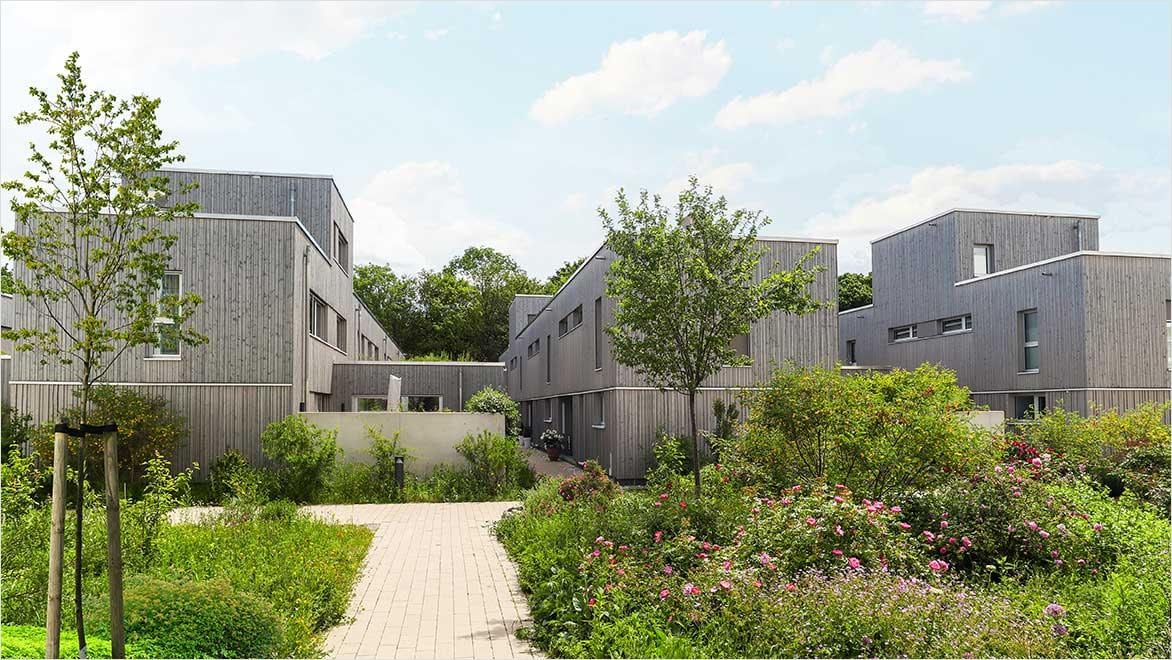
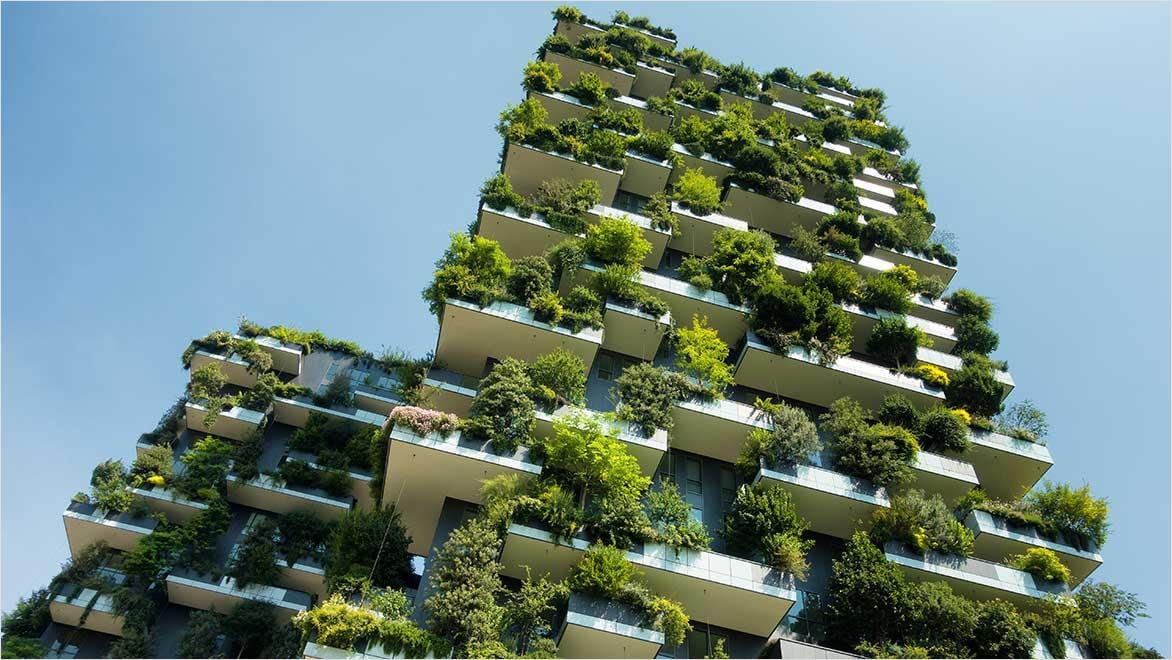
Residential area with ecological and sustainable green residential buildings
Image courtesy of Ah Fotobox

What are smart and sustainable building materials?

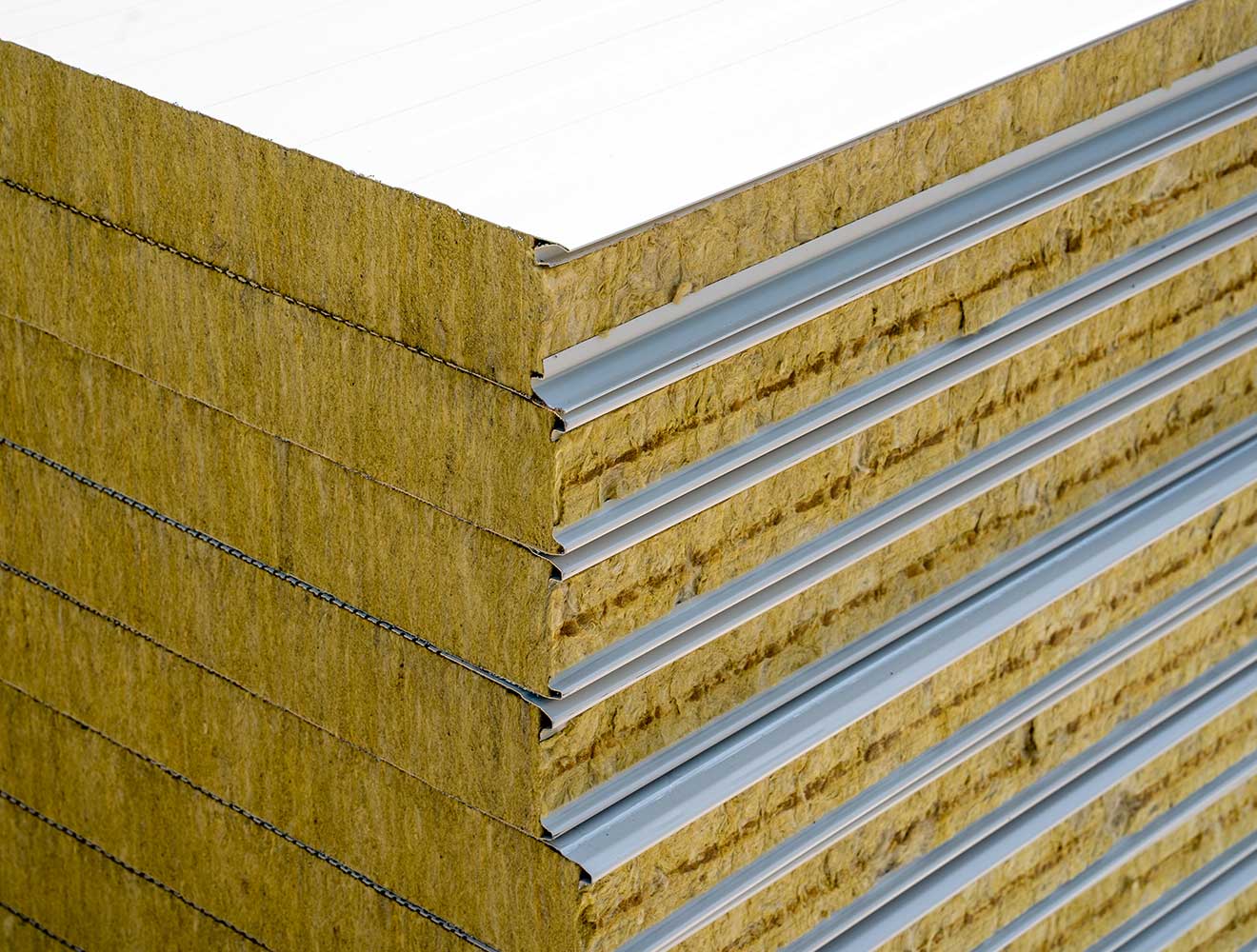
Smart materials respond to changes in their environment. Buildings react to heat, light, moisture, or pressure. These materials help to save energy and improve structural resilience and performance. They create buildings that last longer and reduce embodied and operational carbon.

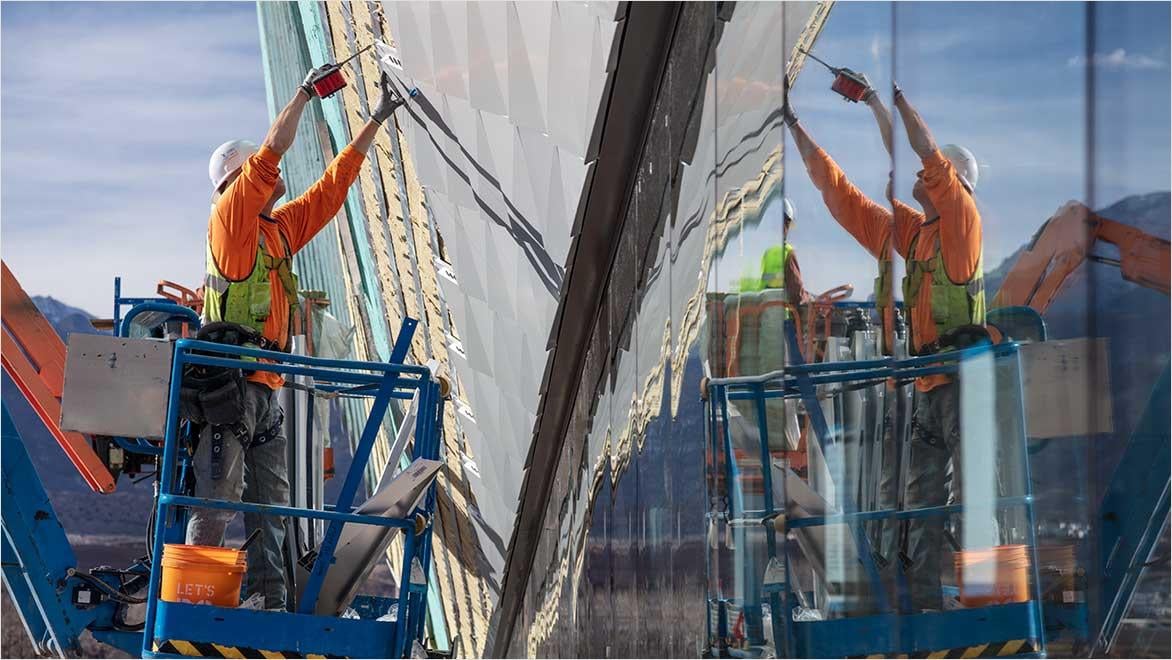
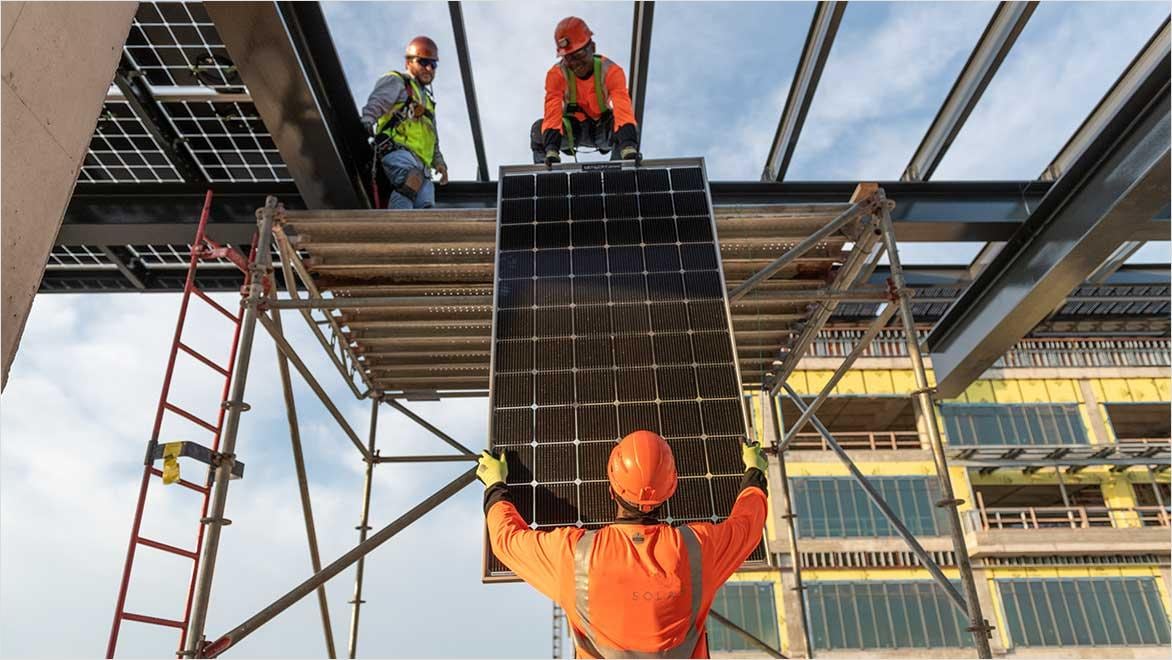
Worker installing wall panels on a lift with glass reflection.

India’s construction challenge and opportunity

For India, with its expanding urban centres and hot-humid climate, these materials are increasingly necessary. India will add five times more buildings between 2005 and 2030–over 7 billion square meters of new space. Most will be in hot areas where cooling costs a lot of energy. The country has also pledged to cut emissions by 45% by 2030 and reach net zero by 2070.  

The country’s Energy Conservation Building Code (ECBC) requires energy-efficient design for commercial buildings, and its GRIHA rating system rewards eco-friendly buildings. Both systems value smart materials that reduce carbon footprints, allowing architects, engineers, construction managers, and planners to prioritise sustainable building methods.

How Autodesk software helps integrate smart sustainable construction materials

Plan, design, construct and manage buildings with powerful tools for Building Information Modelling.


Building performance analysis software


BIM 360 is a construction management platform that connects, organises and optimises projects from design to construction.


Smart construction materials for sustainable buildings

Smart construction examples in India

Kempegowda iternational airport

This Bengaluru airport used Autodesk BIM to meet sustainability goals. The team delivered 5,000 drawings in six months and cut request-for-information turnaround by 75%, using cloud collaboration and Revit‑based workflows. The project illustrates how data‑centric coordination speeds up the review of innovative materials while keeping schedule risks low.

Indira paryavaran bhawan in New Delhi

India’s first net-zero energy building, Indira Paryavaran Bhawan, uses special building materials like lightweight concrete blocks with air pockets, reflective roof tiles, and double-glazed windows to keep heat out and save energy. The building uses a design that works with the sun's position and special wall plasters made with recycled ash. These smart construction materials keep the building cooler naturally, using less electricity.

Get started with Autodesk's sustainable building materials

Design in Revit, assess in Insight, and comply with an all-in-one integrated workflow with Autodesk.


Call 000-800-040-2543 (9:30 AM to 5:30 PM India local time) if you need our assistance.

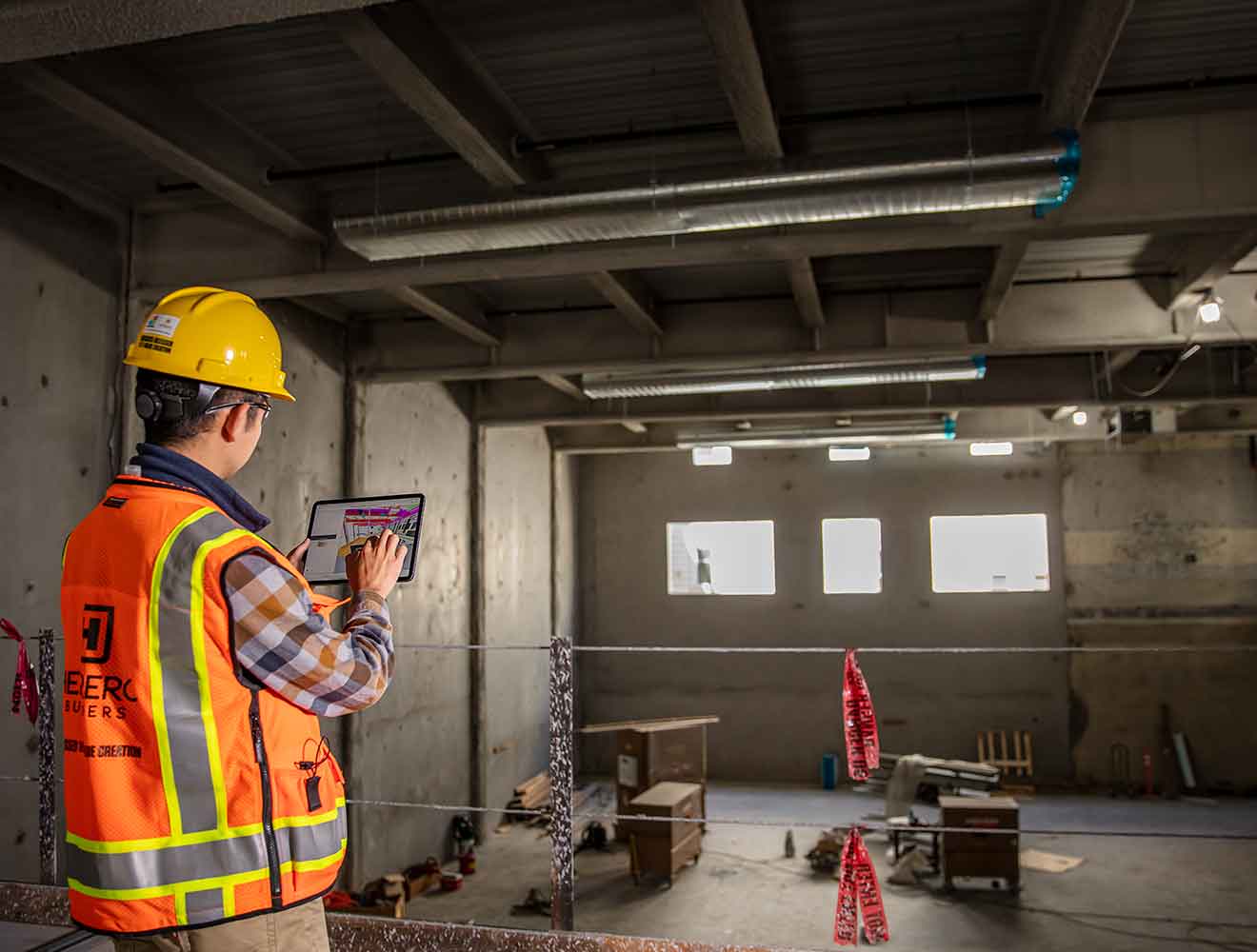
Sustainable green building
Image courtesy of Federico Rostagno

A simple workflow for a successful sustainable building project

Start by mapping your carbon baseline using Autodesk Insight. Screen materials in EC3 or other tools, swapping high-impact materials for low-carbon alternatives. Validate thermal comfort through energy analysis and engage suppliers early, sharing specifications through BIM 360.

Track materials used during construction and update your model with delivery information to verify that installed products match your low-carbon selections. This creates a continuous feedback loop between the field and your model, locking in savings and documenting compliance for ECBC and GRIHA reviews.

BIM provides a single source for building data, and Autodesk tools add carbon and energy information to that model. Revit and Insight show operational and embodied carbon information tied to each material. EC3 links to Autodesk Construction Cloud, helping designers compare products and choose low-carbon options early in the process. 

Autodesk customer, Glumac, is a design and engineering firm that specializes in green building design.

Why eco-friendly building material choice matters now

India's goal to reduce emissions by 35% by 2030 requires smarter buildings. Materials make up a large part of a building's carbon footprint, so choosing them wisely is one of the fastest and most cost-effective ways to cut emissions.

Smart materials support recycling and reuse in construction, helping shift from extractive practices to regenerative ones, a transition India must invest in as it urbanises.

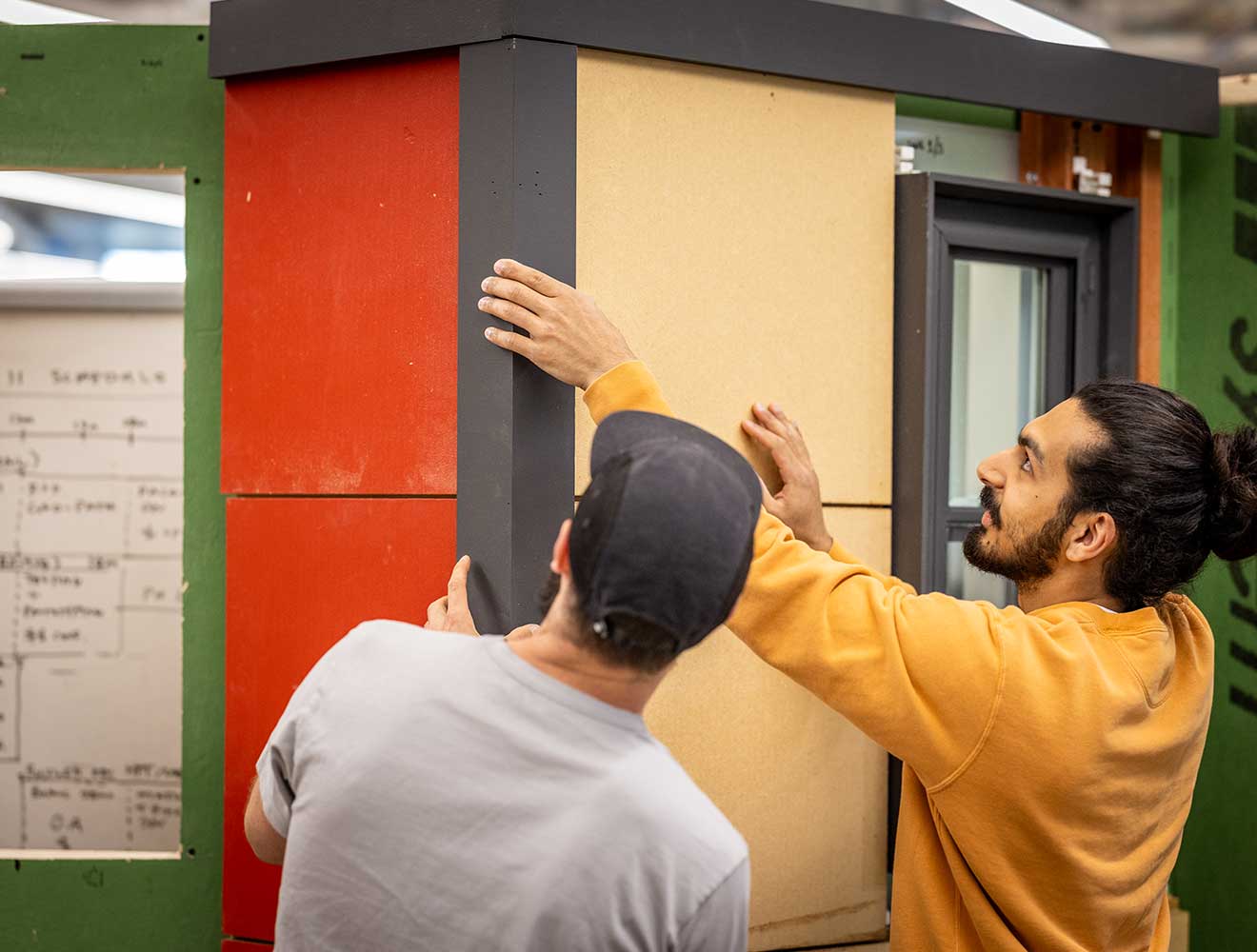
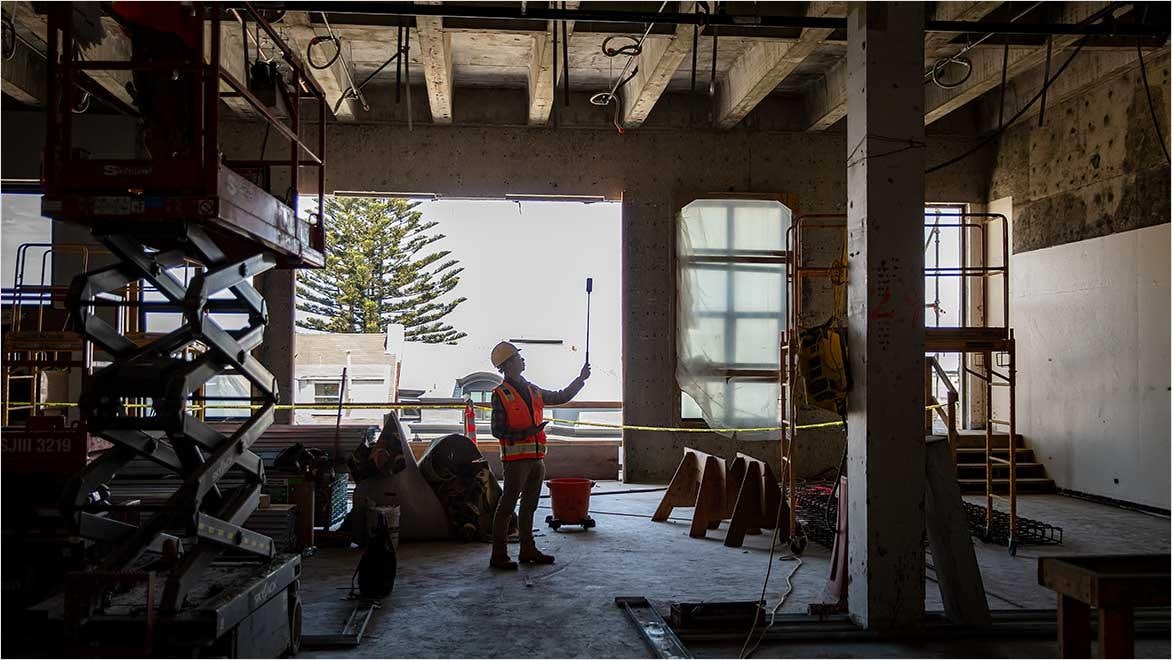
Renovation and expansion construction project

Use smarter tools for sustainable building materials

As smart materials evolve, digital tools become even more important for testing and certifying them. Autodesk's Revit, Insight, and BIM 360 work together to help building teams do more faster. These tools enable architects and engineers to model buildings while testing different materials to ensure designs meet energy codes and green building goals.

Call 000-800-040-2543 (9:30 AM to 5:30 PM India local time) if you need our assistance.

Smart and sustainable building materials free resources

Enhance liveability with Autodesk smart building solutions. Learn more about how digital tools are helping the construction industry achieve sustainable goals.


Discover how smart buildings can use IoT, machine learning, automation, and BIM to optimise structural performance and efficiency.


Learn about these emerging innovative construction materials to reinforce eco-friendly building construction in India.


Sustainable building materials frequently asked questions (FAQs)

What qualifies as a smart and sustainable material in construction?

A material that reacts to environmental stimuli (heat, light, moisture) and improves building performance.

Are eco-friendly building materials used in India today?

Yes. Indian projects already incorporate phase-change materials, green concrete, and smart glass into residential and commercial buildings.

How do I evaluate sustainable building materials for my project?

Use tools like Revit and Insight to simulate their thermal and energy performance, or EC3 to compare material options.

Is it expensive to use smart construction materials?

Initial costs can be higher, but they offer long-term lifecycle savings through energy efficiency and durability.

Are these eco-friendly building materials compliant with ECBC and GRIHA?

Yes. Many smart materials support compliance and can improve green certification scores.

Can sustainable building materials be retrofitted in old buildings?

Yes. Designers can integrate materials such as aerogels and smart glass into existing building structures.

How do smart materials help reduce emissions?

They lower embodied and operational carbon, reduce waste, and improve energy performance.

What’s the first step to adopting more eco-friendly building materials?

Start with a digital model in Revit and use Insight or EC3 to compare materials.

See more FAQ