-
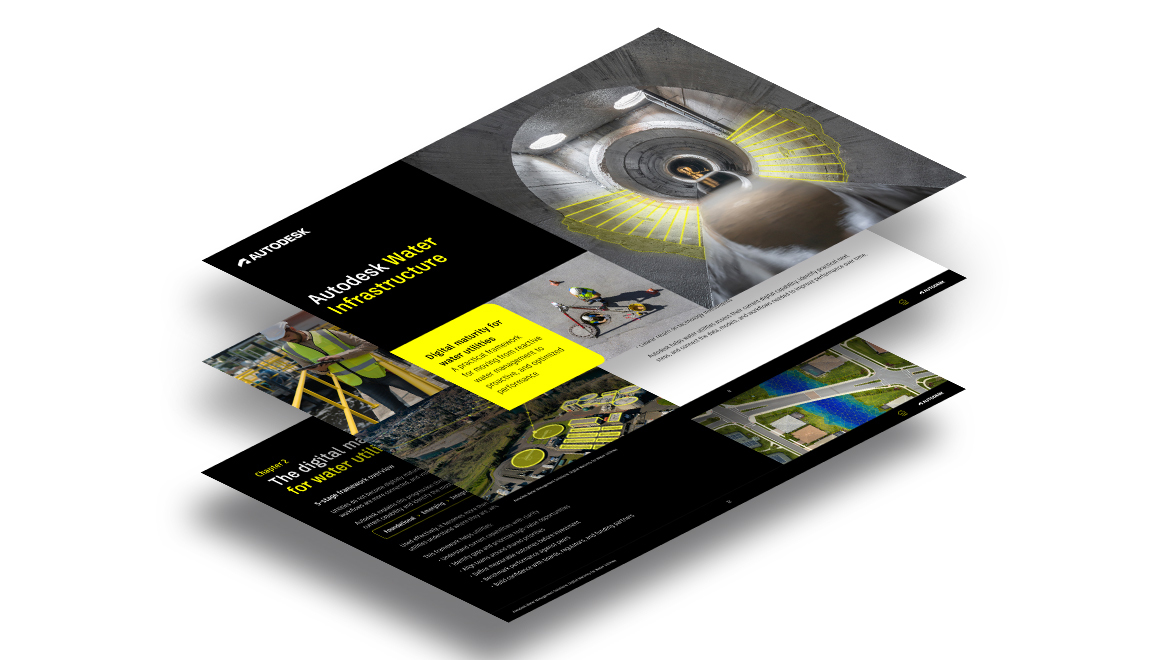
Building resilient water utilities through digital maturity
Water utilities face growing pressure from aging infrastructure, climate risk, and regulation. Despite more data, fragmentation limits action. This e-book on digital maturity for water utilities shows how to connect systems, improve decision-making, and build resilience. Water utilities are being asked to deliver more with less certainty than ever before. Across the sector, leaders are…
Industry news
-
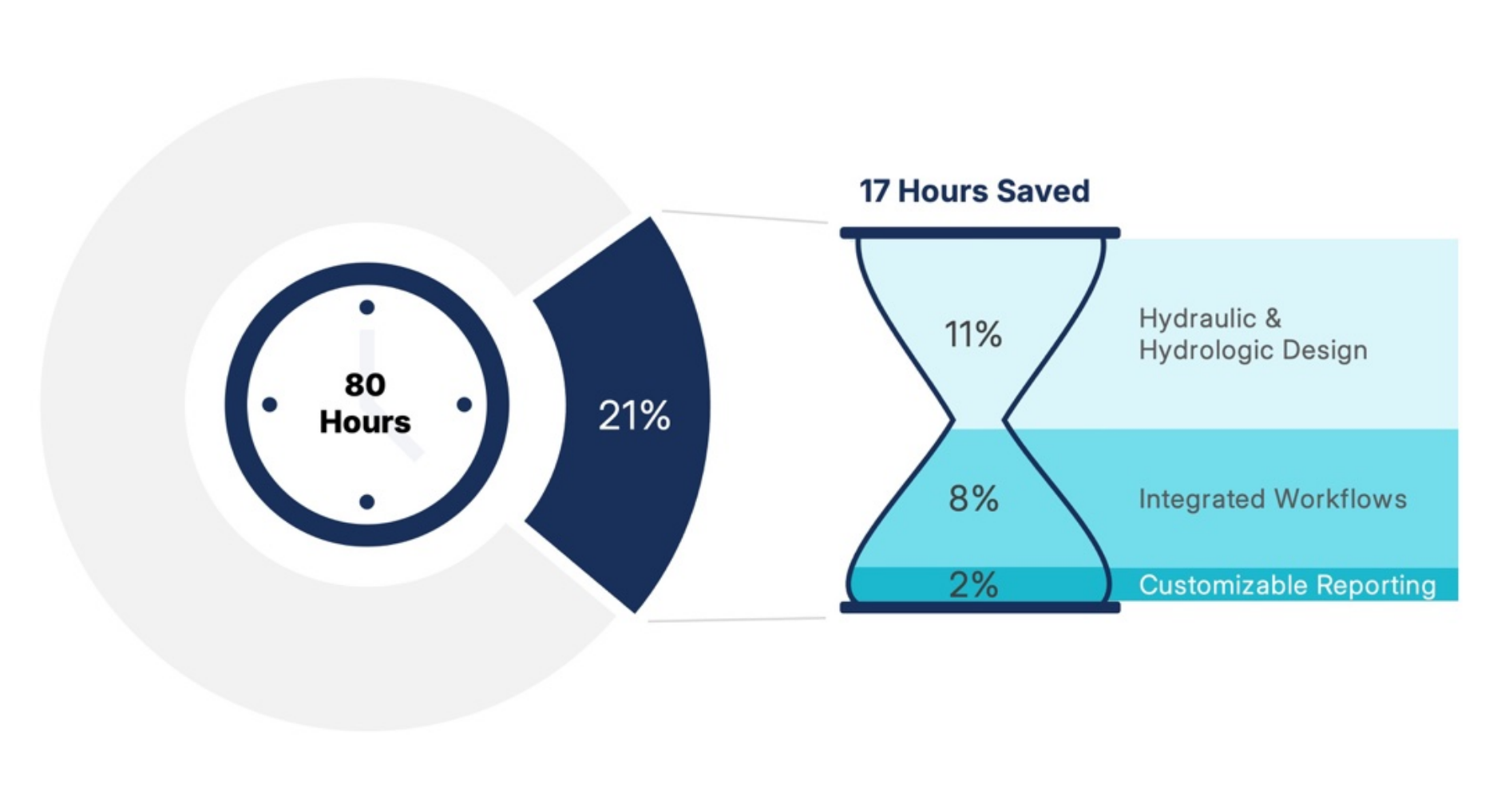
Stormwater design is getting faster – 21% faster with integrated approaches
A new white paper from Bluefield Research examines how climate pressure, tightening regulation, and constrained engineering capacity are forcing a rethink of drainage design and the role of integrated software. Stormwater is no longer just a drainage problem. It’s a growing financial, regulatory, and operational challenge, one that is reshaping how infrastructure gets designed and delivered. From Hurricane Ida flooding…
Drainage design
-
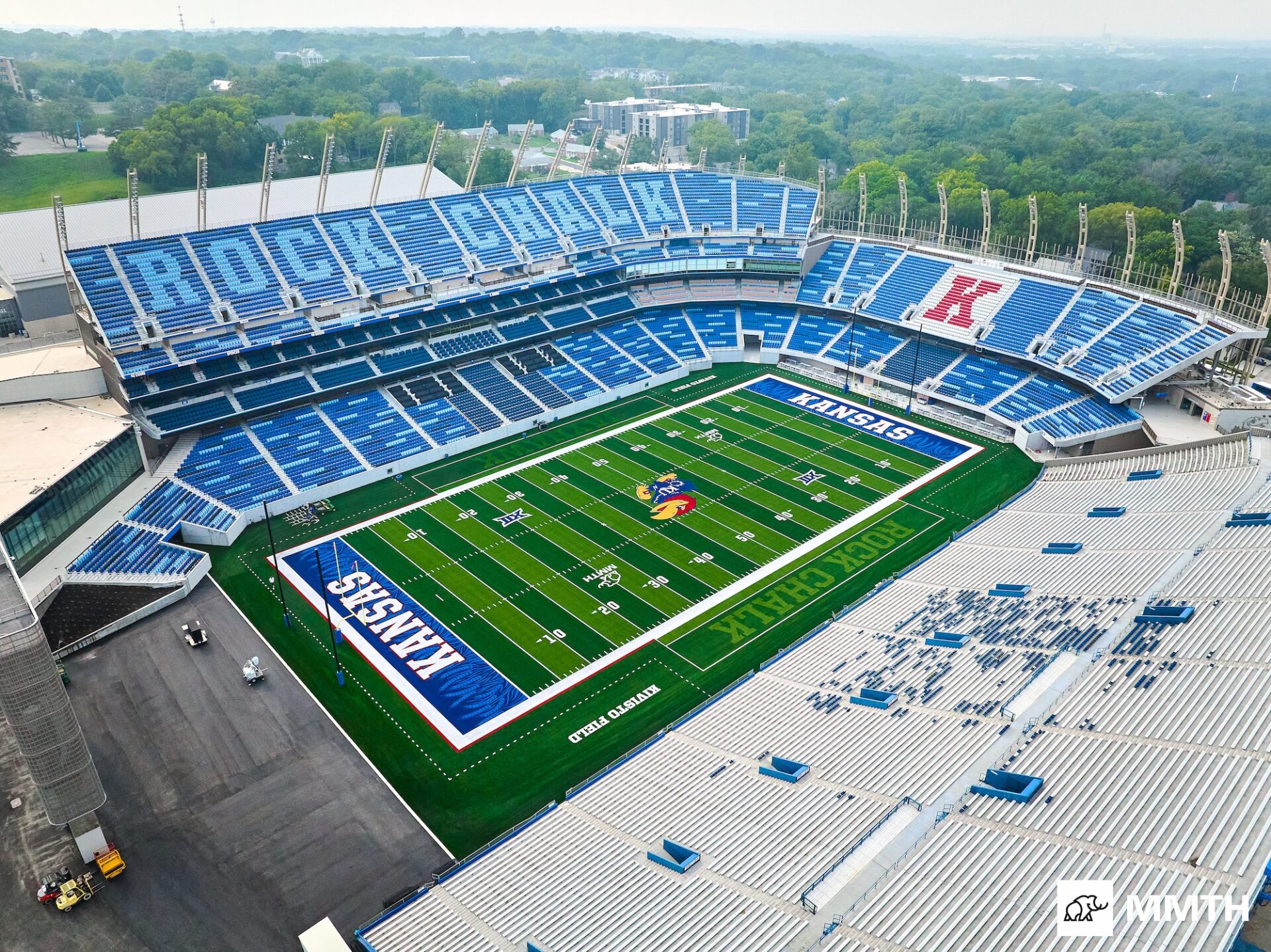
MMTH: Innovative sports stadium design and construction with Autodesk and TopCon Solutions
MMTH, a design firm specializing in sports stadiums, fields, and facilities, has always been driven by a singular vision: to create exceptional sports facilities that bring communities together. Notable projects include Kansas University’s Kivisto Field. On one of their latest projects, Silver Lake High School’s sports complex in Kansas, they showcased their innovation in designing…
Drainage design
-
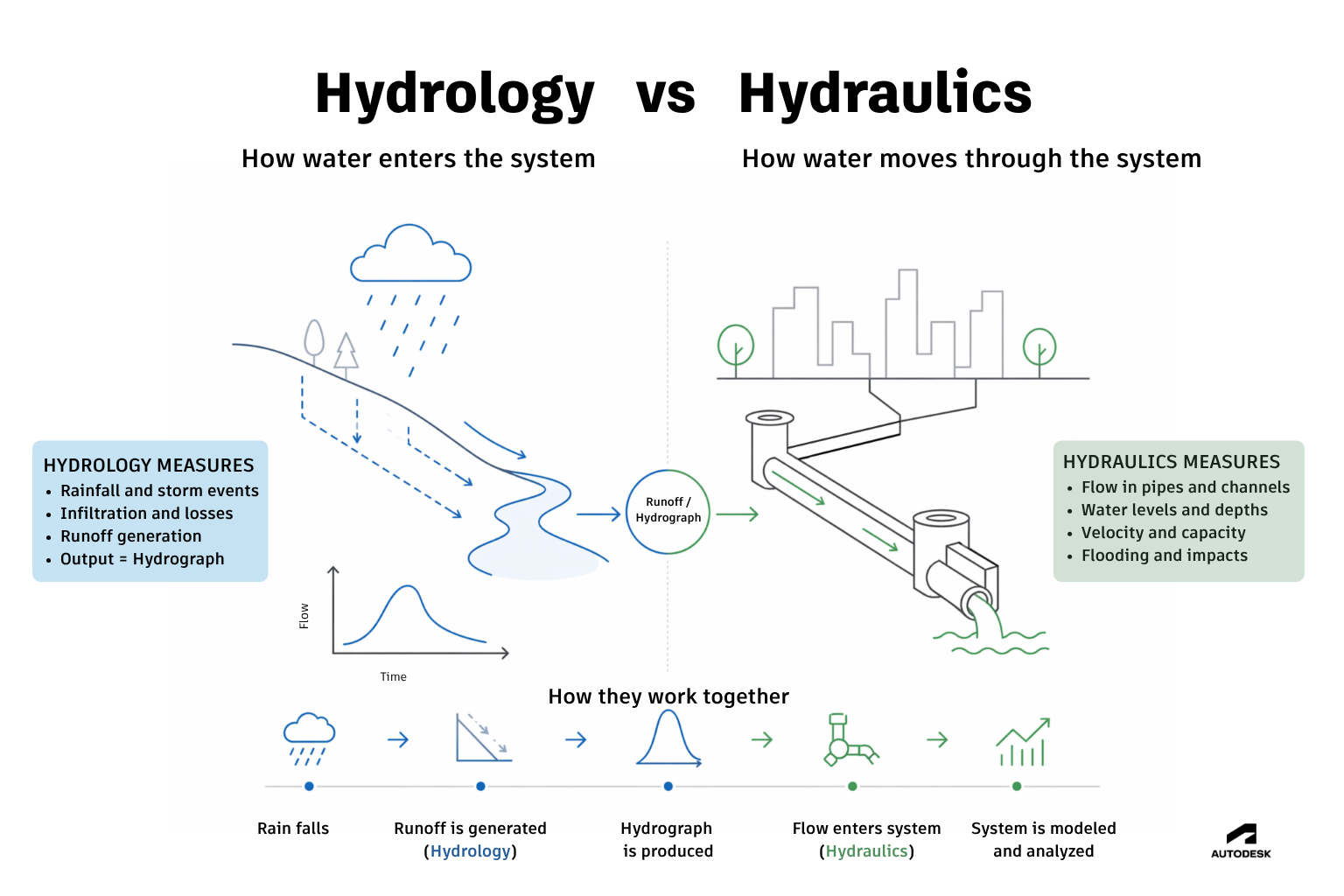
Hydrology vs hydraulics: What’s the difference?
Hydrology studies how water enters a system (rainfall and runoff), while hydraulics focuses on how water moves through that system (flow, velocity, flooding). The difference is very important when modeling. Hydrology and hydraulics are often used interchangeably — but they solve very different parts of the same problem: In short: In other words, hydrology defines…
Hydraulic modeling
-
Join Autodesk at Texas Water 2026 in San Antonio: Hands-on demos, expert office hours, and AWI swag
Autodesk Water Infrastructure is heading to Texas Water 2026, and we are looking forward to connecting with utilities, engineers, and partners working across water infrastructure, stormwater management, and drainage design. The event takes place April 27-30, and you will find us at Booth #472, where we will be sharing how digital tools are helping the…
Events
-

AI in water utilities won’t redesign work – leaders will
AI in water utilities is no longer a future concept – it is already influencing how infrastructure is managed, how investments are prioritized, and how operational decisions are made. But the biggest impact is not the technology itself. It is how organizations choose to redesign work around it. Something stood out to me while I…
AI and Machine Learning
-
Autodesk Water 2027: What’s new in all of our software
It’s that time of year again at Autodesk: Global Launch. It’s when we release some of our biggest software updates. The Autodesk Water 2027 releases introduce new capabilities across design, modeling, and operations, helping teams work more efficiently through connected workflows, AI-powered tools, and deeper GIS integration. This overview highlights what’s new across InfoWorks ICM,…
Product news
-
Autodesk deepens Esri integration across Info360 Asset and Insight
Autodesk is standardizing the Info360 platform on Esri as the GIS system of record across Info360 Asset and Info360 Insight. This aligns operational data, asset intelligence, and capital planning with the same authoritative GIS environment that utilities and water engineering consultants already use to manage infrastructure projects. It also reflects deeper alignment between Autodesk and Esri,…
Product news
-
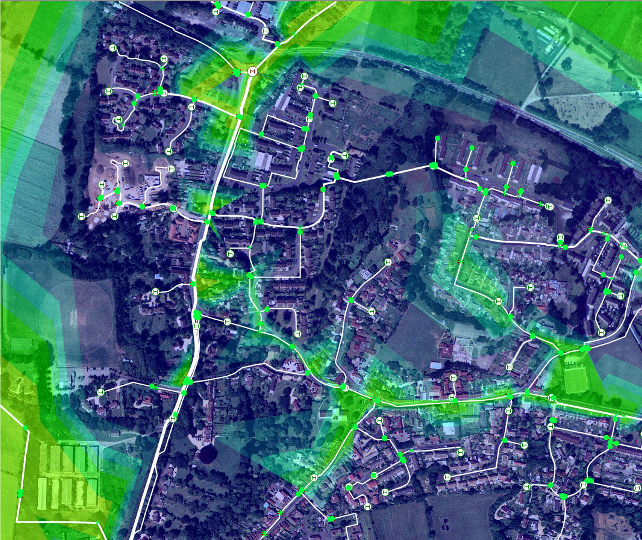
InfoWorks WS Pro 2027 improves water distribution modeling workflows with expanded Task Sequence
InfoWorks WS Pro 2027 expands Task Sequence to improve workflow automation, data exchange, and flexibility in water distribution modeling.
Product news
-

InfoDrainage 2027 improves Civil 3D interoperability and multi-model drainage workflows
InfoDrainage – our drainage design software used for modeling, analyzing, and managing stormwater systems at the site scale – has been making huge strides in Civil 3D integration. The 2027 release brings even tighter integration. Drainage design rarely happens in isolation. It sits alongside grading, corridors, utilities, and all the other moving parts that shape…
Product news