 Eric Suesz
Aguas de Alicante is one of Spain’s oldest water utilities, with roots dating back to 1898 when potable water was first brought to the city of Alicante. It operates under a public-private model and manages the integrated water cycle — including water capture, treatment, distribution, sewerage, and wastewater purification — for Alicante and surrounding municipalities.
Aguas de Alicante also pursues innovation in digital water management and sustainability, with significant water reuse programs that save millions of cubic meters of potable water by supplying regenerated water for urban irrigation and other uses.
With growing demands on infrastructure and increasing climate uncertainty, the utility has been making digital transformation a strategic priority to strengthen resilience, improve planning, and support better decision-making across the organization.
An ongoing digital transformation with clear priorities
Aguas de Alicante didn’t start from zero. They’ve had an ongoing digital transformation plan that is grounded in operational needs and long-term system performance.
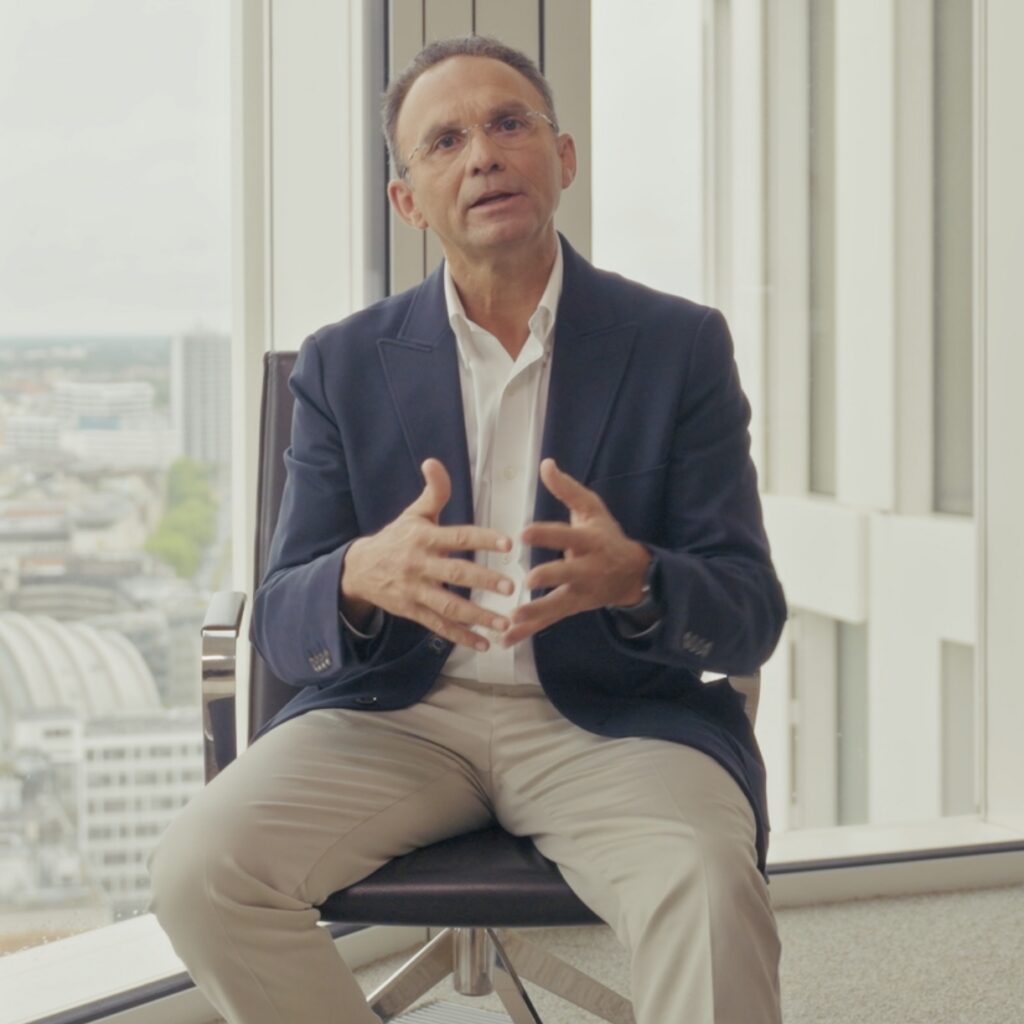
“We were one of the first water utilities in Spain to have a geographic information system and a detailed hydraulic model,” says Director of Innovation Ignacio Casals. “We actually already had a high level of digitalization, so we knew digitalization could help us achieve our goals,” he says.
“The digital transformation plan of Aguas de Alicante involves a large number of actions. First the resilience of our infrastructure and then the sustainability to protect the environment and to ensure the availability of water resources for all users.”
Digital twins at the core of their efforts
At the center of this effort is the hydraulic digital twin, a dynamic virtual representation of the water and wastewater networks that continuously integrates system data.
“This is not just a static model,” says Autodesk Water Cycle Digitalization Solutions Lead Paloma Akerman. “It’s a living breathing counterpart of the physical system.”
By ingesting GIS data, asset information, weather forecasts, and water consumption data, the digital twin enables informed, forward-looking decisions. “With these results, the utility will be able to make the best decisions for its system.”
Planning water supply and managing risk
A key theme in Ignacio’s perspective is connection: bringing data together so teams can act with confidence. For Aguas de Alicante, hydraulic modeling plays a central role in turning information into decisions – both in real time and in forecasting what comes next.
“We are using InfoWorks WS Pro in order to plan the future water supply to the northern part of the city because we have different water sources,” says Casals. “We can perform very quick modeling and we can do it multiple times in order to get a lot of scenarios, compare them and make decisions.”
This ability to run “what-if” scenarios supports planning choices such as evaluating different water sources, including groundwater and desalinated supply, so the utility can understand tradeoffs and incorporate findings into longer-term strategies.
For wastewater and flood risk management, the utility relies on another Autodesk tool. “We are using InfoWorks ICM in order to understand the importance of combined sewer overflow and designing new wastewater detention tanks.” With InfoWorks ICM, they can couple their digital twin with the rainfall forecast, giving them the ability to predict the extent and the timing of flooding.
Incorporating these tools from planning to daily operations
Digital transformation doesn’t deliver value if insights can’t move from analysts to operators, which is why Ignacio points to the importance of working in a collaborative environment. Collaboration is key because it allows them to share the same information broadly so their experts can analyze the data and deliver conclusions to their operational teams.
As Aguas de Alicante continues its journey, Ignacio sees digital twins as a way to preserve institutional knowledge while keeping models current as infrastructure changes. That’s a practical benefit that many utilities recognize immediately: fewer silos, less lost expertise, and a living understanding of the system. In fact, they see practical uses of their digital twins in their everyday work, particularly when it comes to minimizing disruption during maintenance.
“We are already using these solutions in order to understand the effects of every maintenance or repair action we are carrying out and that way we are able to minimize the impact,” Casals says. “In the near future, these tools should be integrated in our day-to-day operation. That’s what we aim at.”
Looking ahead, the vision is to deepen the digital twin by integrating real-time data streams (eg, smart meters) and eventually applying AI to support forecasting and analysis. Through hydraulic digital twins and advanced modeling, Aguas de Alicante is building a more informed, resilient, and responsive water system for the communities it serves.
Ignacio’s advice for other utilities: don’t wait to start
For utilities considering a similar path, Ignacio’s advice is grounded and encouraging: know your goals, build on what you have, learn from peers, and find the right support.
“Don’t be afraid,” he says. “Just go for it. Try to prioritize, know what your goals are. Look for examples in other utilities and look for support, for someone to go with you along the journeys.”