

One of the strengths of hydraulic modeling is the ability to look beyond individual assets and understand how water moves through interconnected systems. Researchers in Barcelona took that idea in an unexpected direction, extending an urban drainage model into the metro system beneath the city. What does a metro tunnel have in common with a…
Customer stories
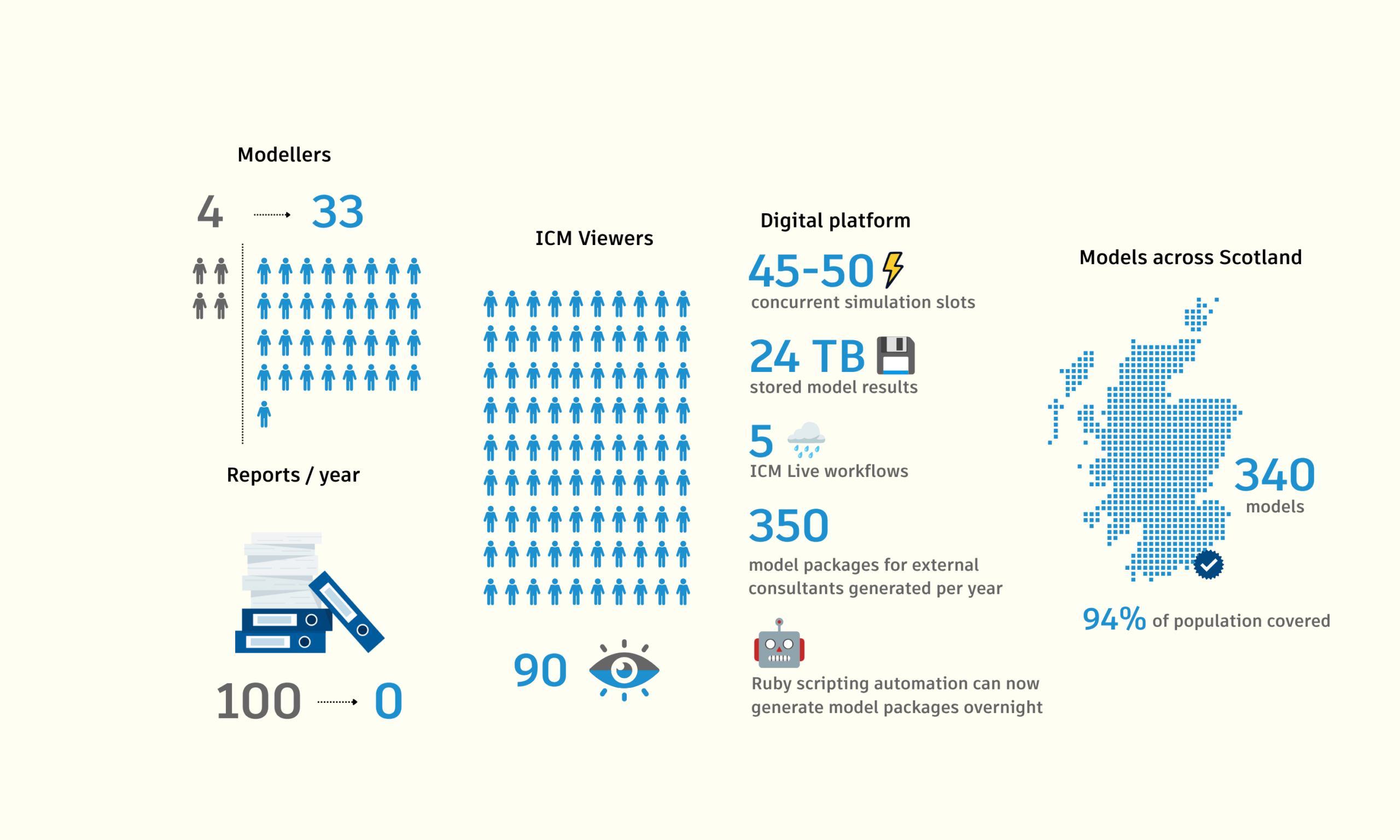
Digital transformation is often associated with adopting new technology, but for Scottish Water, it began with a much simpler question: How can we free engineers to spend more time engineering? Just over a decade ago, Scottish Water’s hydraulic modellers were producing more than 100 flooding reports every year. Today – remarkably – they produce none.…
Hydraulic modeling

Every engineer has had the same thought right after submitting a feature request: “I wonder if anyone will actually read this.” We do. Many of the improvements in InfoDrainage begin with a simple observation: “I really wish it could do this:” Here are three examples of customer ideas from InfoDrainage customers that became reality. Customer…
Product news

Autodesk’s Big Room is an online customer community designed to help AECO professionals connect, learn, and share knowledge. For water industry professionals, it’s becoming a space for collaboration around digital delivery, infrastructure modernization, and practical problem solving. Do you regularly participate in online forums designed for water professionals? Whether the answer is yes or no,…
Industry news

Flood models are used to make important decisions: That’s why one of the most common questions in hydraulic modelling is: How accurate is the model? It’s a reasonable question. Engineers spend significant time calibrating models against observed water levels, flow rates, and flood extents. A model that cannot reproduce reality has limited value for planning,…
Hydraulic modeling
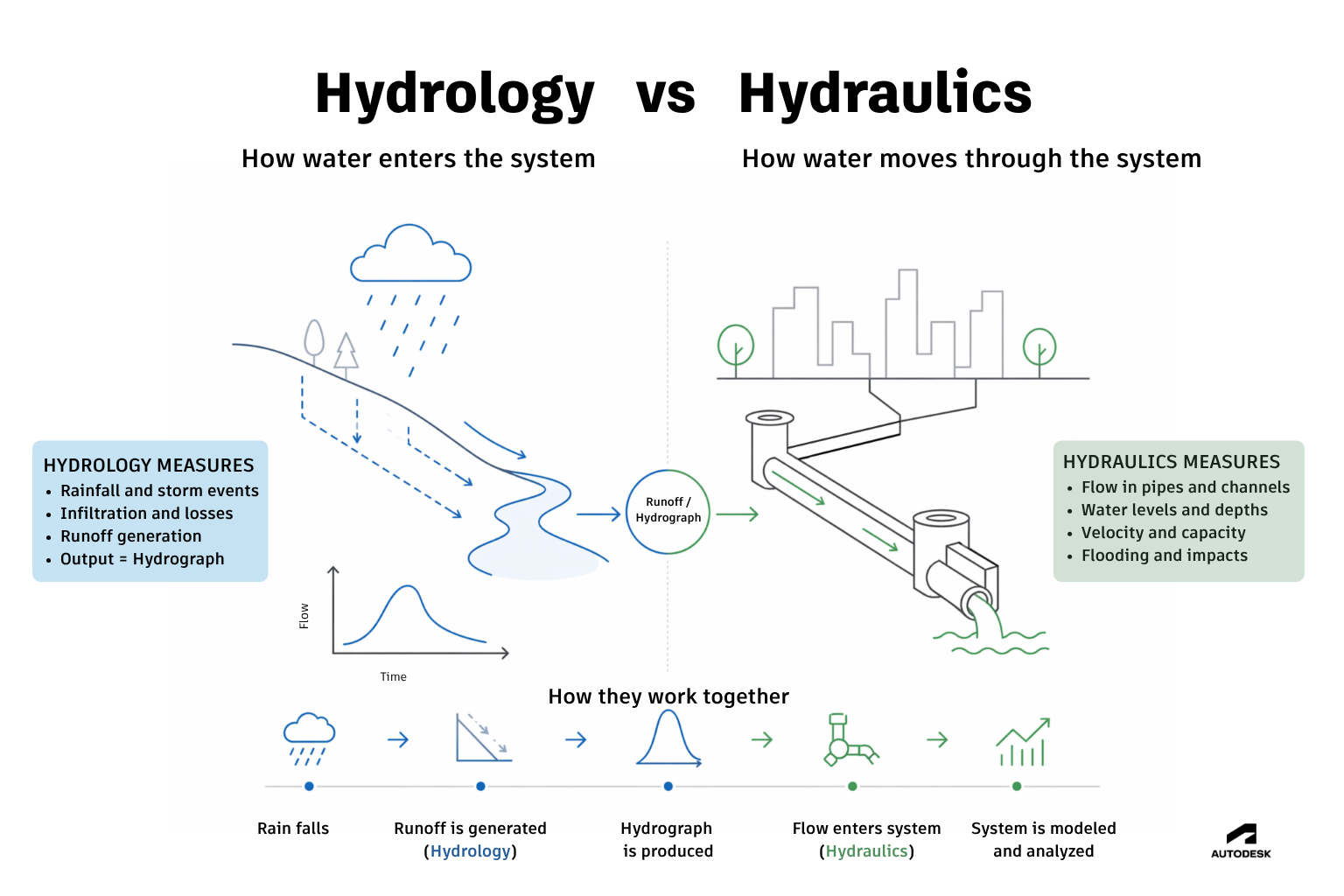
Hydrology studies how water enters a system (rainfall and runoff), while hydraulics focuses on how water moves through that system (flow, velocity, flooding). The difference is very important when modeling. Hydrology and hydraulics are often used interchangeably — but they solve very different parts of the same problem: In short: In other words, hydrology defines…
Hydraulic modeling
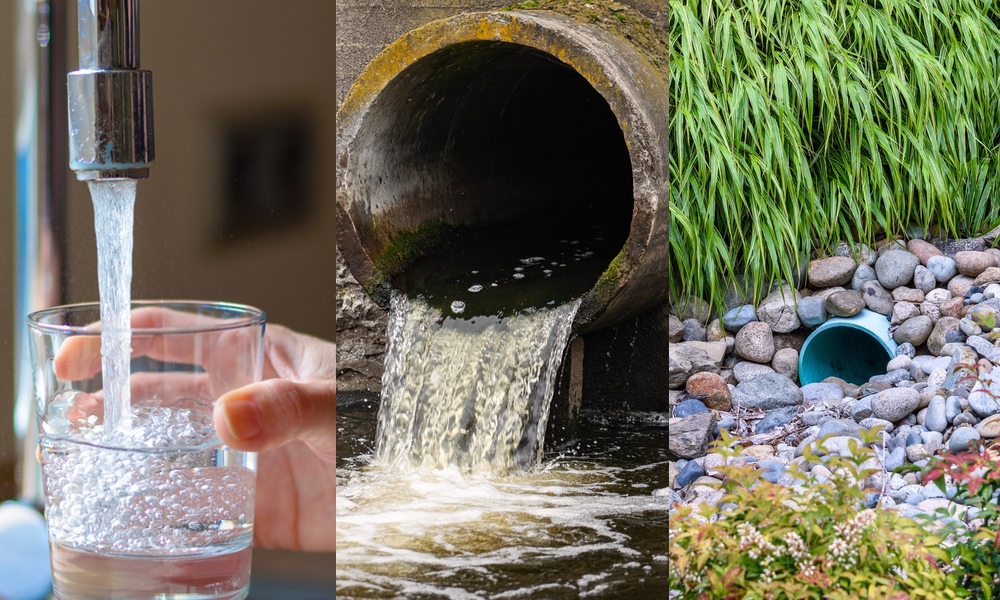
It’s that time of year again at Autodesk: Global Launch. It’s when we release some of our biggest software updates. The Autodesk Water 2027 releases introduce new capabilities across design, modeling, and operations, helping teams work more efficiently through connected workflows, AI-powered tools, and deeper GIS integration. This overview highlights what’s new across InfoWorks ICM,…
Product news
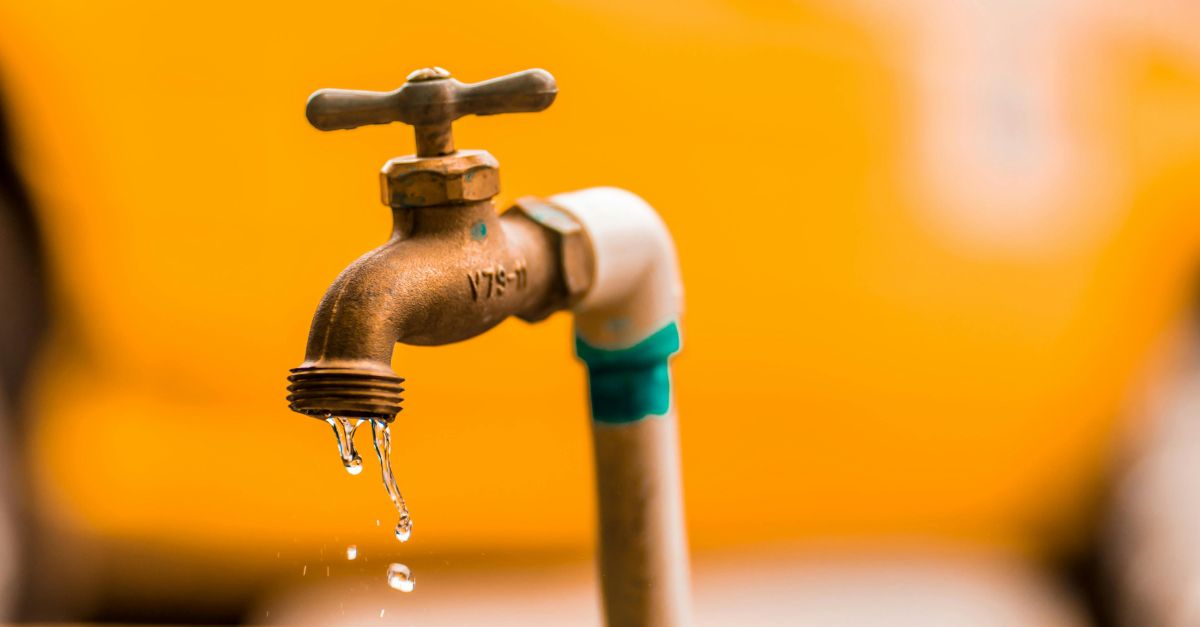
Water systems don’t always behave gradually. Sometimes, they change in an instant. A pump shuts down, a valve closes, the flow suddenly stops – and a pressure wave travels through the system. Pipes vibrate, pressures spike, and water utility workers shudder inside because they know their infrastructure has been put at risk. They may ask…
Hydraulic modeling
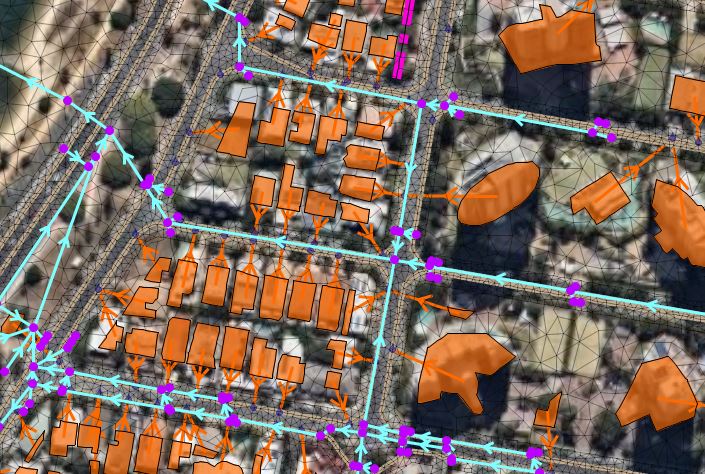
Integrated catchment modeling is the simulation of how water moves across an entire catchment by combining rivers, drainage networks, and surface flow within a single model. It allows engineers to understand how different parts of a water system interact during events such as flooding by performing complex hydraulic modeling. This approach combines 1D and 2D…
Hydraulic modeling
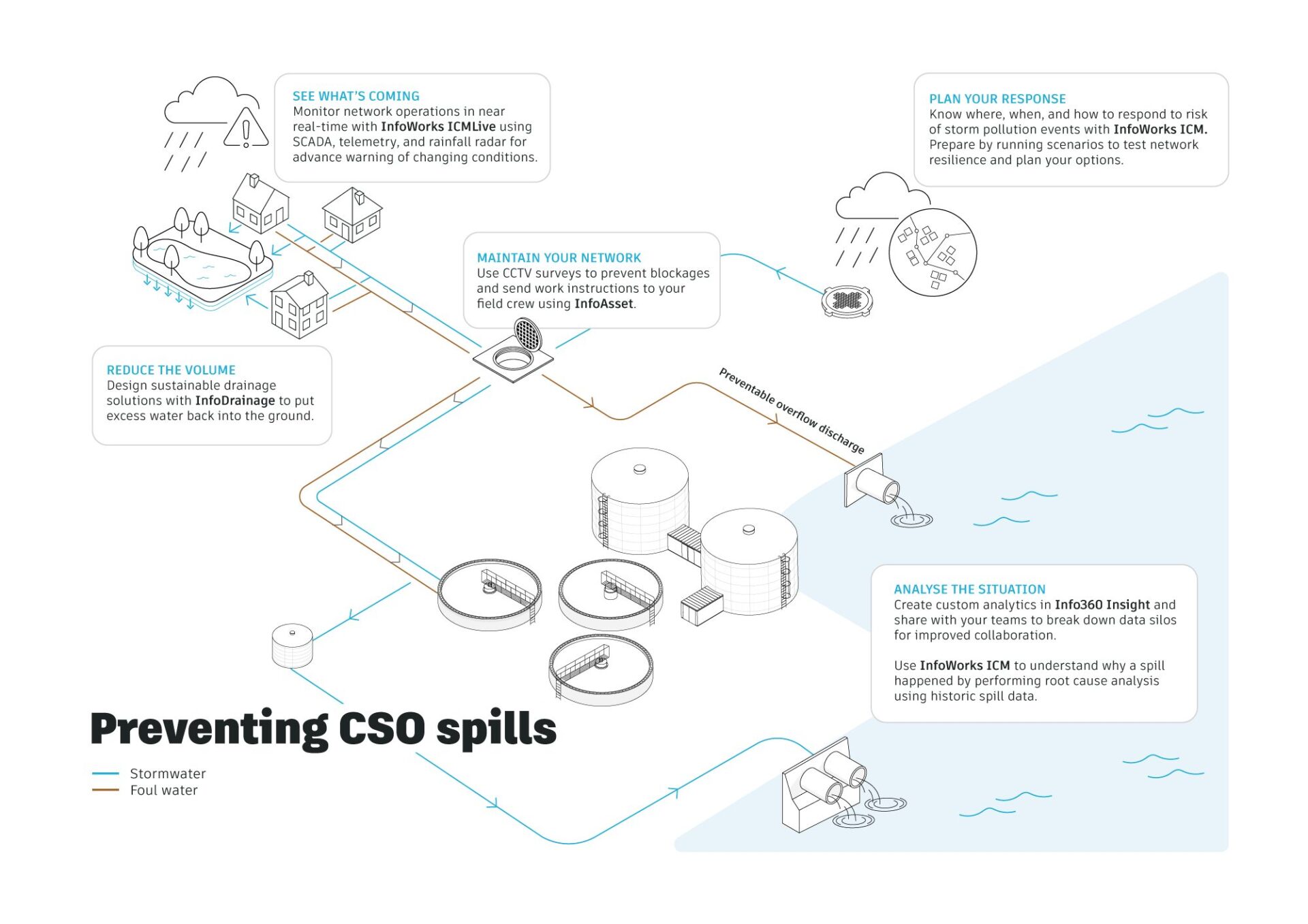
Hydraulic modelling is the simulation of how water flows through systems such as pipes, rivers, and surface floodplains. Engineers use it to predict water levels, flow rates, and flood risk, helping design and manage water infrastructure under different conditions. Hydraulic modeling often combines 1D and 2D approaches to represent both network flows and surface behavior…
Hydraulic modeling