 Shannon McGarry
Prototyping a design before the fabrication process can help avoid design flaws, improve inter-team communication, and save you money.
Elevate your design and manufacturing processes with Autodesk Fusion
When it comes to the design process, it’s important to have a clear idea of what you want to create before you start building. While it may be tempting to dive straight into fabrication, taking the time to prototype can offer numerous benefits.
Prototyping is the creation of a preliminary model or sample of a product to explore and test design ideas before committing to a final design. Prototypes can be digital (3D models) or physical product samples. Digital prototypes are ideal for early-stage design exploration and rapid iteration, while physical prototypes are best suited for testing ergonomics, material properties, and real-world functionality. Either type of prototype enables designers to explore and test different ideas before committing to a final design.
The four key advantages of prototyping are:
- Identifying design flaws early in the development process
- Enabling iterative design refinement
- Improving stakeholder communication
- Reducing overall project costs
In this article, we’ll explore each of these advantages in detail.
1. Prototyping helps identify design flaws early in the product development process
One of the key advantages of prototyping is that it allows designers to identify design flaws early on in the process. Iterating on a 3D model or creating a physical representation of a product provides designers with a window into how their products will function in the real world. It also enables them to flag any issues that need to be addressed before fabrication.
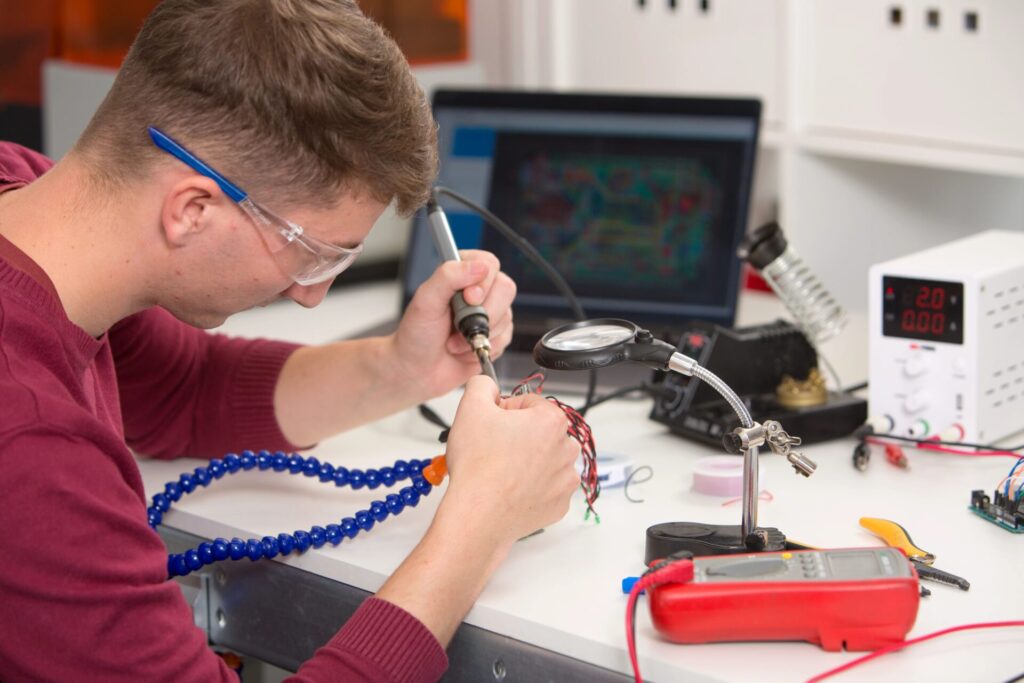
For example, a prototype of a new product might reveal that a particular component isn’t working as intended or that there is a flaw in the overall design that needs to be fixed. By catching these issues early on, designers can make adjustments to the design before committing to fabrication.
Identifying design flaws early on in the process can save time and money in the long run. According to industry research, catching errors during the prototyping phase can reduce rework costs by up to 10x compared to discovering issues during production. This is because it is much easier and less expensive to make changes to a prototype than it is to make changes to a finished product, where tooling and larger quantities of material are required. In some cases, identifying design flaws early can even prevent a product from going to market with a major flaw that could damage the brand’s reputation.
2. Prototyping enables iterative design refinement
Another major benefit of prototyping is that it’s inherently an iterative process that enables designers to continually refine their designs in a collaborative setting.
By creating many digital and physical prototypes throughout the design process, designers can refine their design and find the best solution. With each iteration, designers have the ability to test out different ideas, see how they work in the real world, and can compare and contrast different prototypes to determine which one works best in the long run.
This iterative approach to design can lead to a better and more refined end product. By testing out different ideas, designers can create a product that is more effective, more efficient, and more user-friendly. This can also have implications in terms of the visual and aesthetic appeal of the end product.
3. Prototyping improves communication between designers and stakeholders
Prototyping can also improve communication between designers and stakeholders. One reason for this is that a prototype is a tangible object that people can see, touch, and interact with. As compared to design files, a prototype makes it much easier to communicate the details of a design by virtue of its physical representation of the product or system.
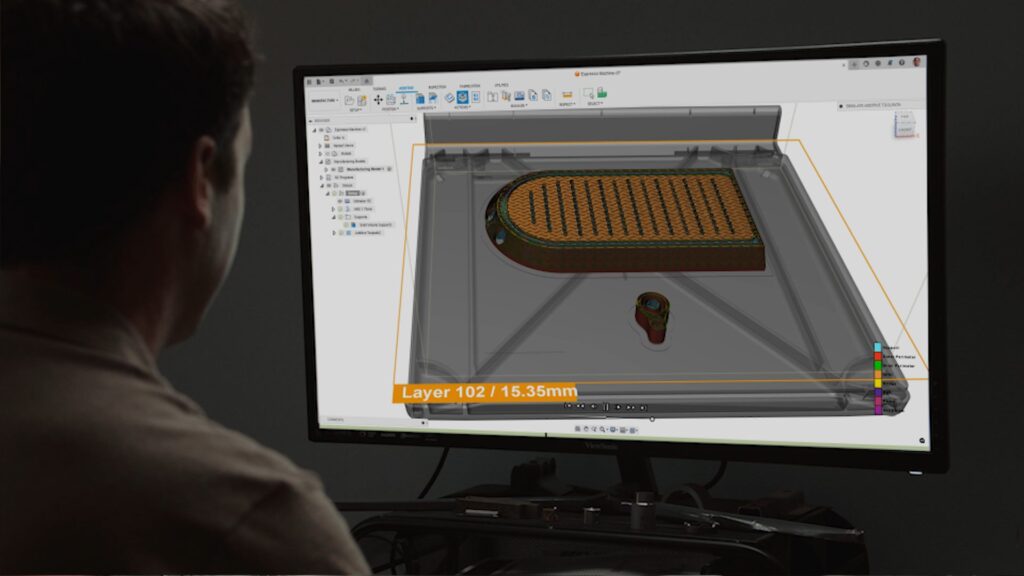
Additionally, prototyping can also help designers gather feedback from stakeholders. By creating a prototype, designers can provide management and/or stakeholders with a physical representation of their work, allowing for a more intuitive and straightforward way of garnering feedback on their design. Ultimately, this can lead to more informed decision-making and a better end product.
4. Prototyping leads to significant cost savings
A final benefit of prototyping is the cost savings that it can lead to. Since tooling parts can be extremely expensive, it is ideal to catch design flaws early on to avoid costly mistakes down the line. If a design flaw were to be discovered during fabrication, it could result in the need for expensive rework or even a complete redesign, pushing back the timeline and increasing overall project cost.
Additionally, prototyping can also lead to cost savings by helping to eliminate the need for certain components or features. For example, if a prototype reveals that a particular component isn’t necessary or isn’t effective, designers can eliminate it from the final design, reducing the overall cost of the product.
Key takeaways
- Prototyping identifies design flaws early, preventing costly mistakes and potential damage to brand reputation.
- Iterative prototyping leads to better products by allowing designers to test, compare, and refine multiple design solutions.
- Prototypes improve stakeholder communication by providing tangible representations that are easier to understand than design files alone.
- Prototyping reduces overall project costs by catching errors before expensive tooling and fabrication begin.
- Both digital and physical prototypes serve important roles at different stages of the product development process.
Frequently asked questions
What is prototyping in product design? Prototyping is the creation of a preliminary model or sample of a product to explore and test design ideas before committing to a final design. Prototypes can be digital 3D models or physical samples.
Why is prototyping important? Prototyping is important because it helps identify design flaws early, enables iterative refinement, improves communication with stakeholders, and reduces overall development costs by catching issues before expensive fabrication begins.
What are the different types of prototypes? The two main types are digital prototypes (3D models created in software) and physical prototypes (tangible samples made through methods like 3D printing or CNC machining). Digital prototypes are best for early exploration and rapid iteration, while physical prototypes excel at testing real-world functionality and user interaction.
Fusion: Supporting you from prototype to finished product
No matter how you look at it, prototyping is an important aspect of the product design lifecycle. Autodesk Fusion includes the perfect tools for digital and physical prototyping. It enables designers and engineers to iterate on 3D models and export them for fabrication methods like nesting, 3D printing, and CNC machining. It even enables teams to create comprehensive engineering drawings to send to external fabricators.