InfoWorks ICM
-

Central San reduces need for capacity planning by 30% with InfoWorks ICM
The Central Contra Costa Sanitary District – called “Central San” by the locals – is one of the larger water systems in the San Francisco Bay region. Located about 30 miles east of San Francisco, the district is responsible for the collection and treatment of wastewater for half a million residents and 3,000+ businesses, cleaning…
Customer stories
-

3 fresh Water Drop workflow videos: pipe-sizing automation, fireflow analysis, and new cloud capabilities
Happy Spring, everyone. You know what they say: April showers bring May Water Drops! It’s certainly true where I live in Denver, Colorado. Earlier this month, we had 1/3 of our annual rainfall occur in just 72 hours. Streets, roads, and (unfortunately) my basement were flooded. It was a prescient reminder of why hydraulic modelers…
Water Talks
-

InfoSWMM vs. InfoWorks ICM: Is it time for you to make the switch?
If you’re a long-time InfoSWMM user, have you considered making the switch to InfoWorks ICM? InfoWorks ICM is Autodesk’s flagship product for sewer, storm, and flood analysis. It contains all the tools you need today to undertake basic capacity analysis – and the ability to tackle more complex analyses tomorrow. Now is a good time to…
Commentary
-

Ready to get started with our cloud capabilities? Here’s what our customers ask us before diving in.
Are you curious about the recent release of cloud capabilities for our desktop modeling products? Our subscription offerings now include advanced features like cloud-distributed simulations, cloud-based storage for single and multi-user databases, and streamlined project database management. But with all these exciting new capabilities, you may have questions about the access to the cloud-based features,…
Product news
-
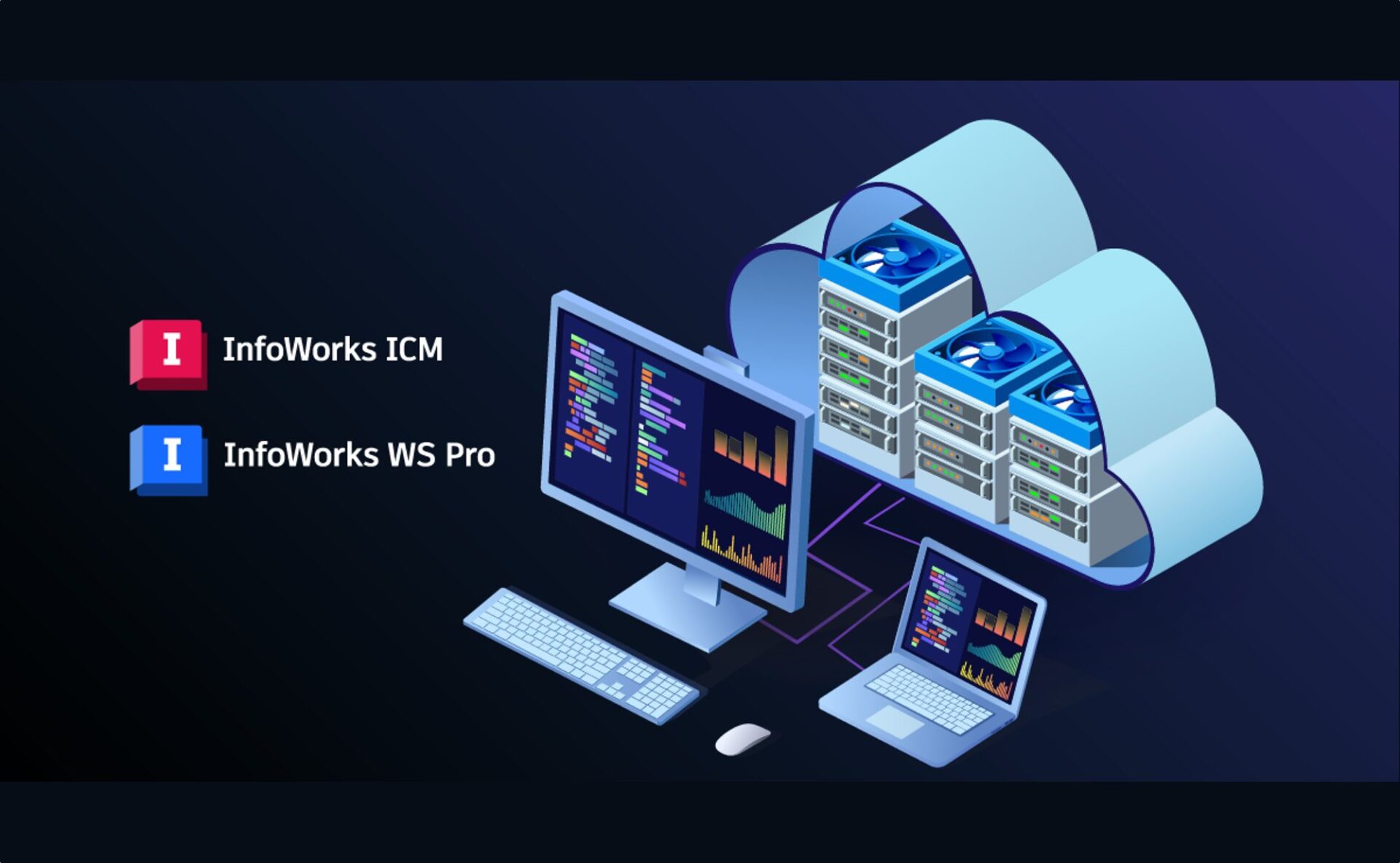
Powerful cloud capabilities now included with InfoWorks ICM and InfoWorks WS Pro subscriptions
It’s global launch time at Autodesk! This means the 2024 versions of our core water solutions are now available to our customers. This year, we have a monumental release for water distribution, wastewater, stormwater, and flood modelers alike. We’re thrilled to announce that our subscription offerings of InfoWorks ICM and InfoWorks WS Pro now come…
Product news
-

Water Talks in droplet form: The answers you need in the time that you have
Your challenges are our challenges. While this statement may sound cliché, I think it rang true for the thousands of viewers of our Water Talks webinar series over the past three years. Since April 2020, we’ve reached 30,000 registrants, hosted 14,000 live attendees, and answered over 2,600 questions! We’ve heard from the best and brightest…
Storm, sewer, flood
-

7 good reasons to switch from XPSWMM to InfoWorks ICM
First released for Windows in 1997, XPSWMM aided stormwater and flood professionals to take on the water challenges of the time. Now, 25+ years on, the water industry demands modeling solutions that can efficiently handle large data sets, that can help them crack complex flow conditions across multiple catchments, and that can manage different climate…
Storm, sewer, flood
-

Protecting Florence’s past from future floods
What do Leonardo da Vinci, Michelangelo, Machiavelli, Raphael, Galileo, Brunelleschi, and Botticelli all have in common? They all, at one point, lived in Florence, Italy. Home to the powerful and beneficent Medici family, this Renaissance city located beside Tuscany’s longest river, the Arno, has long been a wellspring of art and culture. But it’s also…
Storm, sewer, flood
-

RAFTS hydrology in InfoWorks ICM: A free Learning Series to help you transition
XPRAFTS has served the Australian stormwater industry well for over 45 years, and part of its usefulness is that it includes methods recommended by the Australian National Guidelines (most recently revised as ARR2019). Originally developed in the mid-1970s, Rafts as a program was around on MS-DOS in the 1980s. XPRAFTS was rewritten for Windows beginning…
Storm, sewer, flood
-

[Video] Water Talk: Troubleshooting tips to avoid disastrous storm, sewer, flood results
The latest Water Talk video is now available on our YouTube channel. Subscribe and hit the notification bell to be alerted as soon as each Water Talk has been uploaded. For this one, Systems Engineer Ryan Brown and Solutions Engineer Tim Medearis shows you common mistakes people make when creating SSF models. They went through lots of workflows…
Water Talks