Uncategorized
-
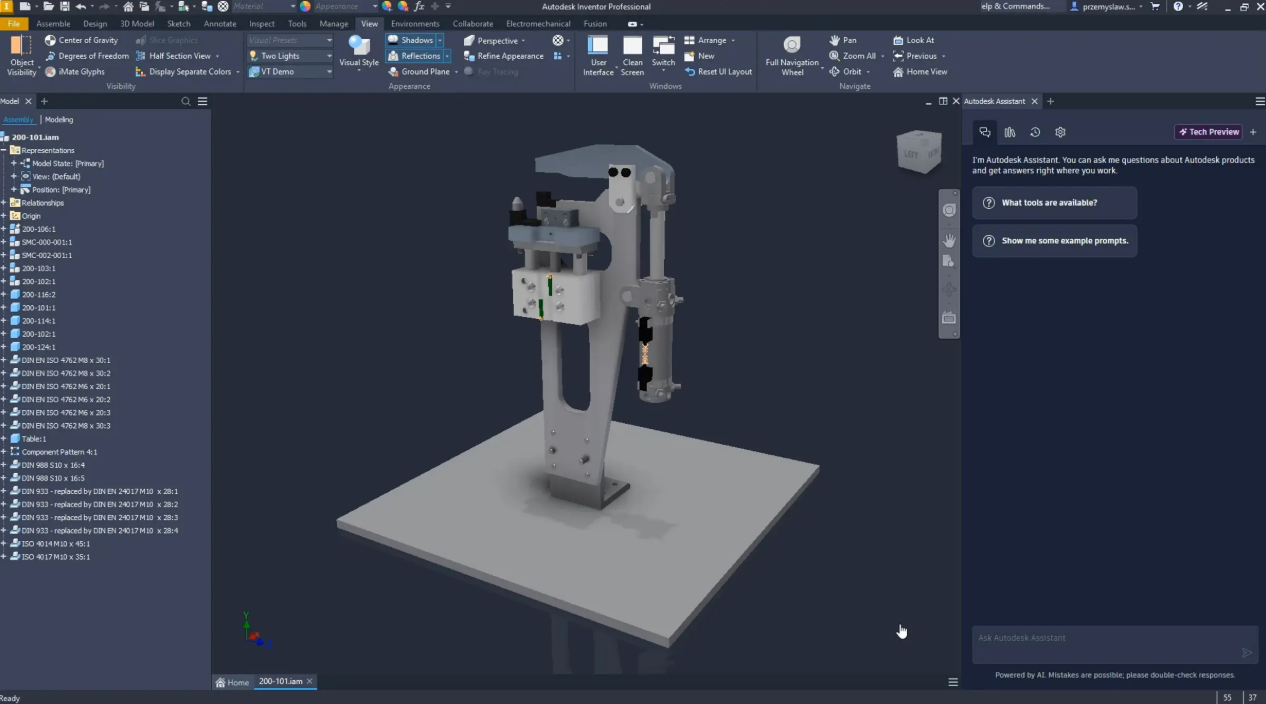
AI at Work: How AI Is Changing Design and Manufacturing
Discover how AI is changing design and manufacturing by automating repetitive work, connecting engineering data, and helping teams move from intent to outcome. For decades, engineers have adapted themselves to software. You learn the commands, where information lives, and which settings control which outcomes. And when a task crosses design, documentation, data management, and manufacturing,…
Uncategorized
-
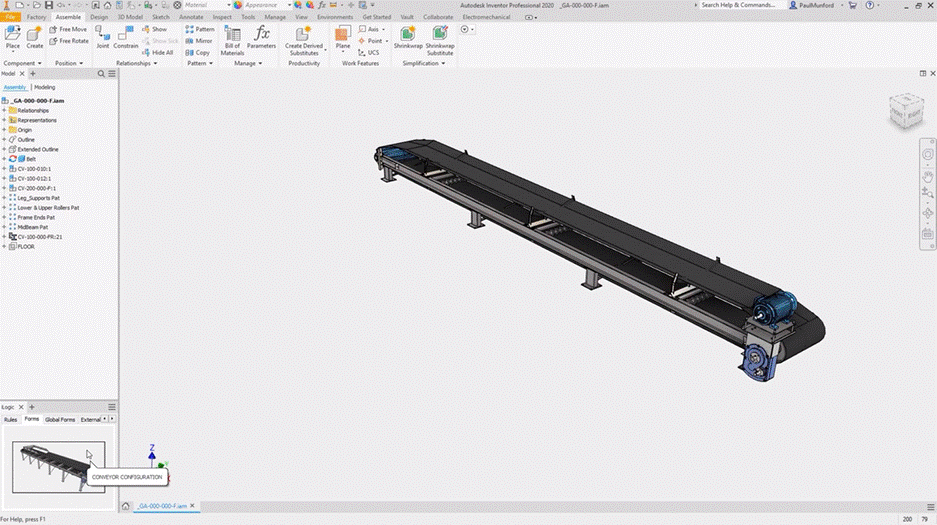
Configurable Products and Design Variants in Inventor: Templates, iLogic, and Automation
Although most manufacturers handle some level of custom orders, many lack a streamlined process. Instead, they rely on manual processes that are slow, costly, and risky. Companies can use Autodesk Inventor features such as templates, iLogic, and automation to handle custom orders faster and more consistently. Nearly every manufacturer is asked to fill a custom…
Uncategorized
-
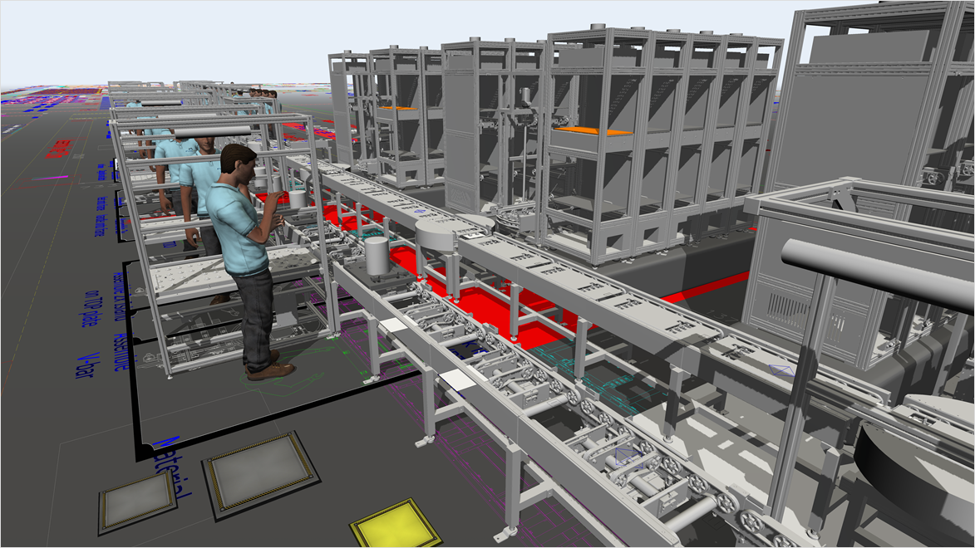
Before You Move a Single Machine: How Simulation Derails Costly Factory Mistakes
When faced with a production bottleneck, many factory operators use a costly trial-and-error approach: they change the factory floor first and validate the production impacts second. With Autodesk FlexSim, teams can simulate changes and measure their impacts before anyone moves a single machine. One of the biggest problems for factories is keeping up with consumer…
Uncategorized
-
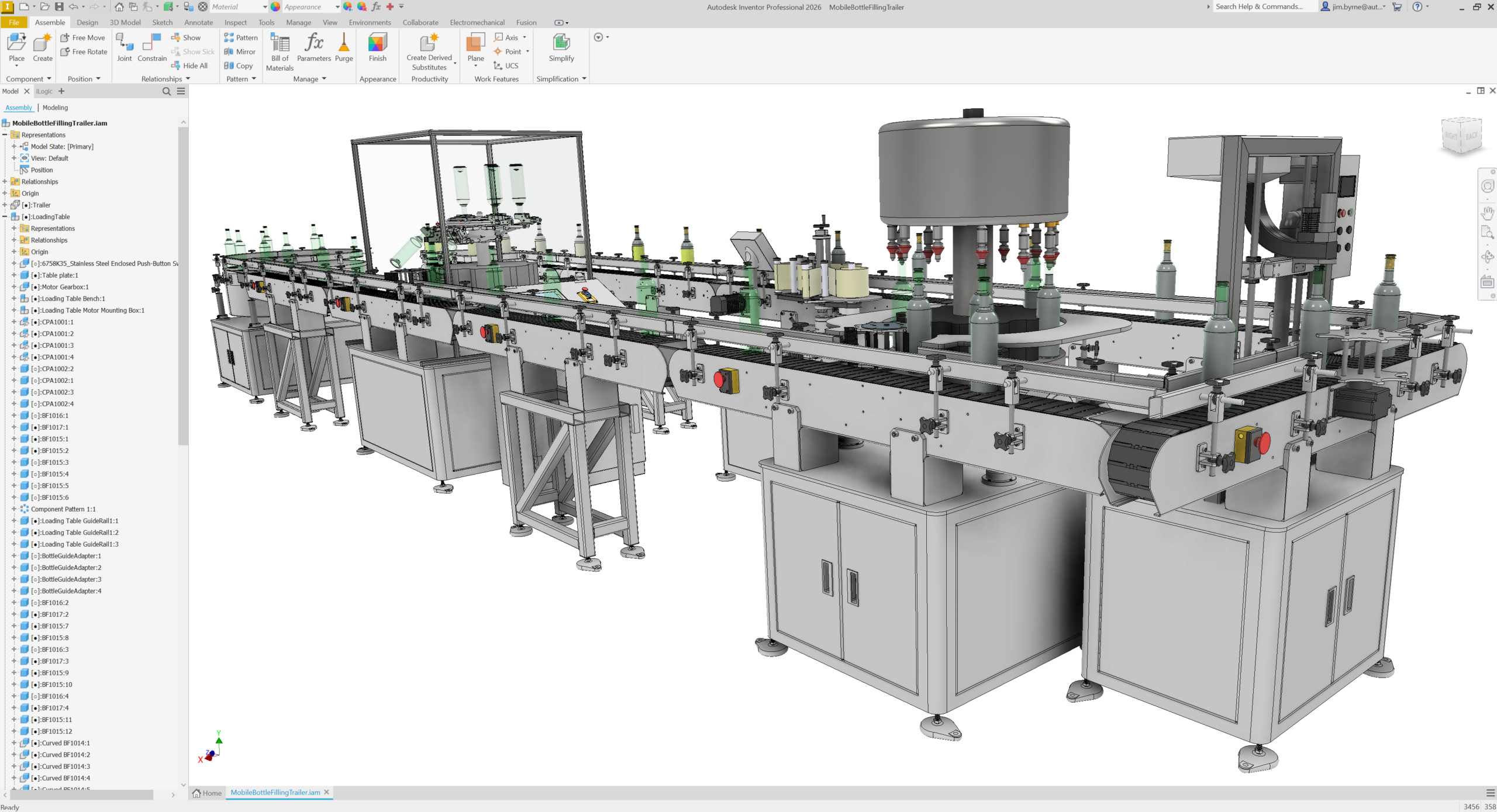
How Autodesk Inventor Works with SolidWorks, CATIA, STEP, and Other CAD Files
Learn how Autodesk Inventor opens, references, and works with non-native CAD files. Understand AnyCAD, associativity, supported file formats, and when you can edit imported models. If you’ve ever received a CAD file from a customer, supplier, or partner and wondered,“Now what?”, you’re not alone. Few engineering teams operate in a single CAD environment. One supplier…
Uncategorized
-

The Importance of Quality Control in Designing for Manufacturing: A Deep Dive
Learn why quality control starts during product design, not inspection. Explore quality control methods, Model-Based Definition (MBD), and how connected workflows help manufacturers reduce defects, rework, and production delays. Everyone wants better product quality. Fewer defects, less rework, and fewer customer complaints. But quality problems rarely start on the shop floor. More often, they begin…
Uncategorized
-
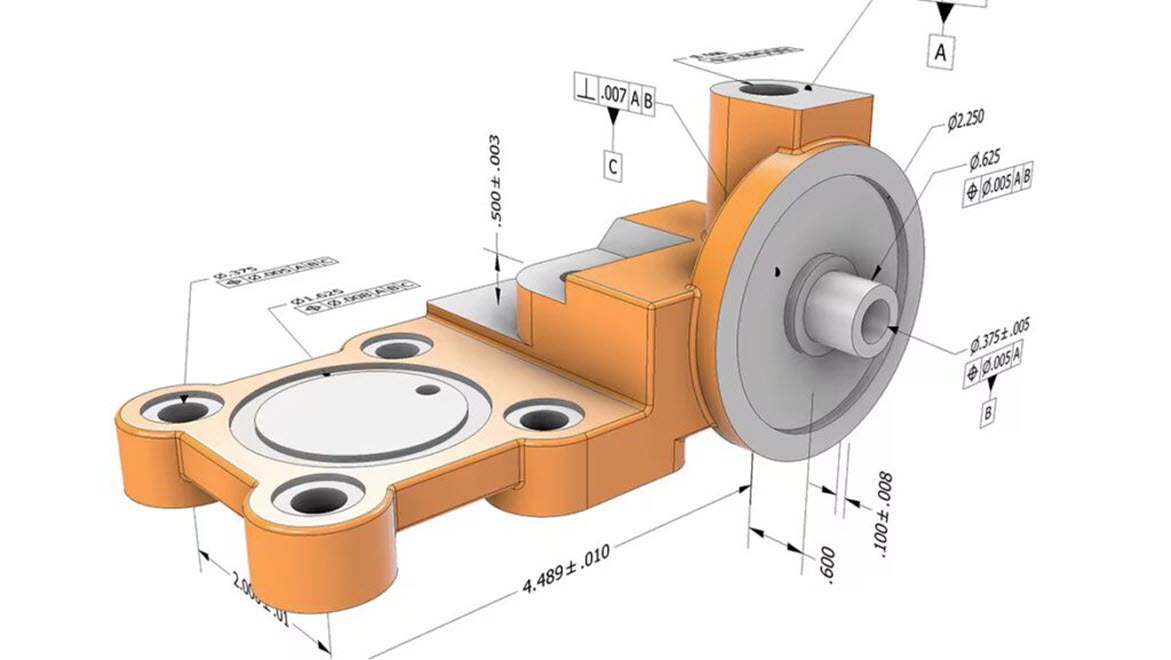
Can GD&T Be Used for Inspection and Quality Control?
GD&T is more than a design standard. It’s a foundation for inspection and quality control. Learn how it supports functional inspection, reduces quality risk, and connects design to manufacturing. While geometric dimensioning and tolerancing (GD&T) is often introduced as a way to communicate design intent, its real power shows up downstream. In modern manufacturing, it’s…
Design & Engineering
-
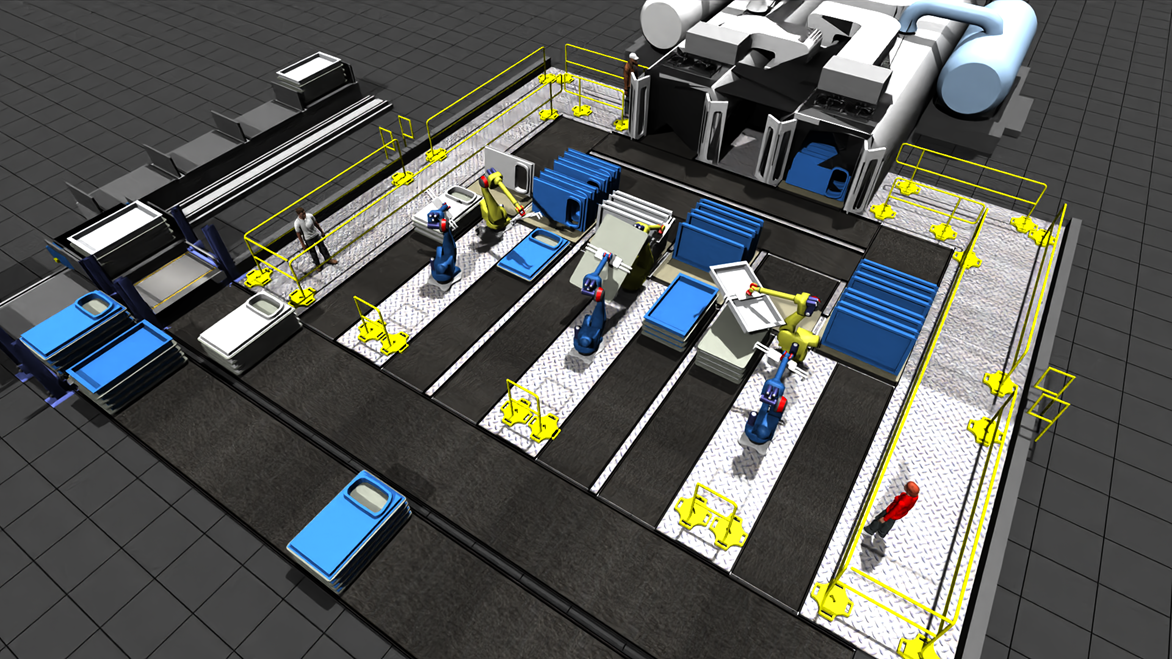
Top Benefits of Warehouse Simulation Software for Manufacturers
Learn how warehouse simulation software helps manufacturers identify bottlenecks, model warehouse processes, and optimize operations using Autodesk FlexSim. As manufacturers face rising labor costs, tighter service‑level expectations, and increasing operational complexity, warehouse performance has become a critical competitive lever. Decisions about layout, staffing, automation, and process flow all carry high risk when tested directly in…
Production
-

Custom Orders at Scale: Using Inventor to Streamline One‑Off and Configurable Building Products
Learn who Autodesk Inventor helps building product manufacturers efficiently deliver one‑off and configurable custom orders at scale by using parametric modeling, configurable design workflows, and connected engineering data. The challenge of custom orders in building products Building product manufacturers rarely produce the same design twice. Whether it’s doors, windows, facades, railings, structural components, or architectural…
Uncategorized
-
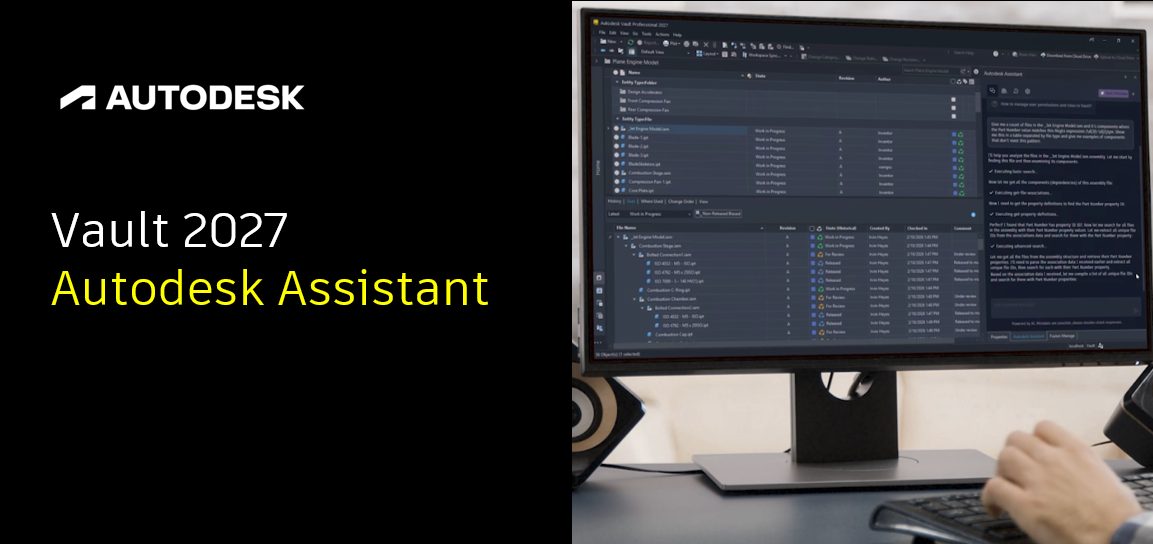
Meet Autodesk Assistant Tech Preview in Vault 2027
Intelligent help, faster answers, and task automation—right where you work. Vault 2027 introduces Autodesk Assistant Tech Preview, an AI-powered assistant that helps you find information faster, learn features in context, and complete everyday data management tasks using natural language. For many teams, Vault product data management (PDM) is the system of record for design and…
Data & Process
-
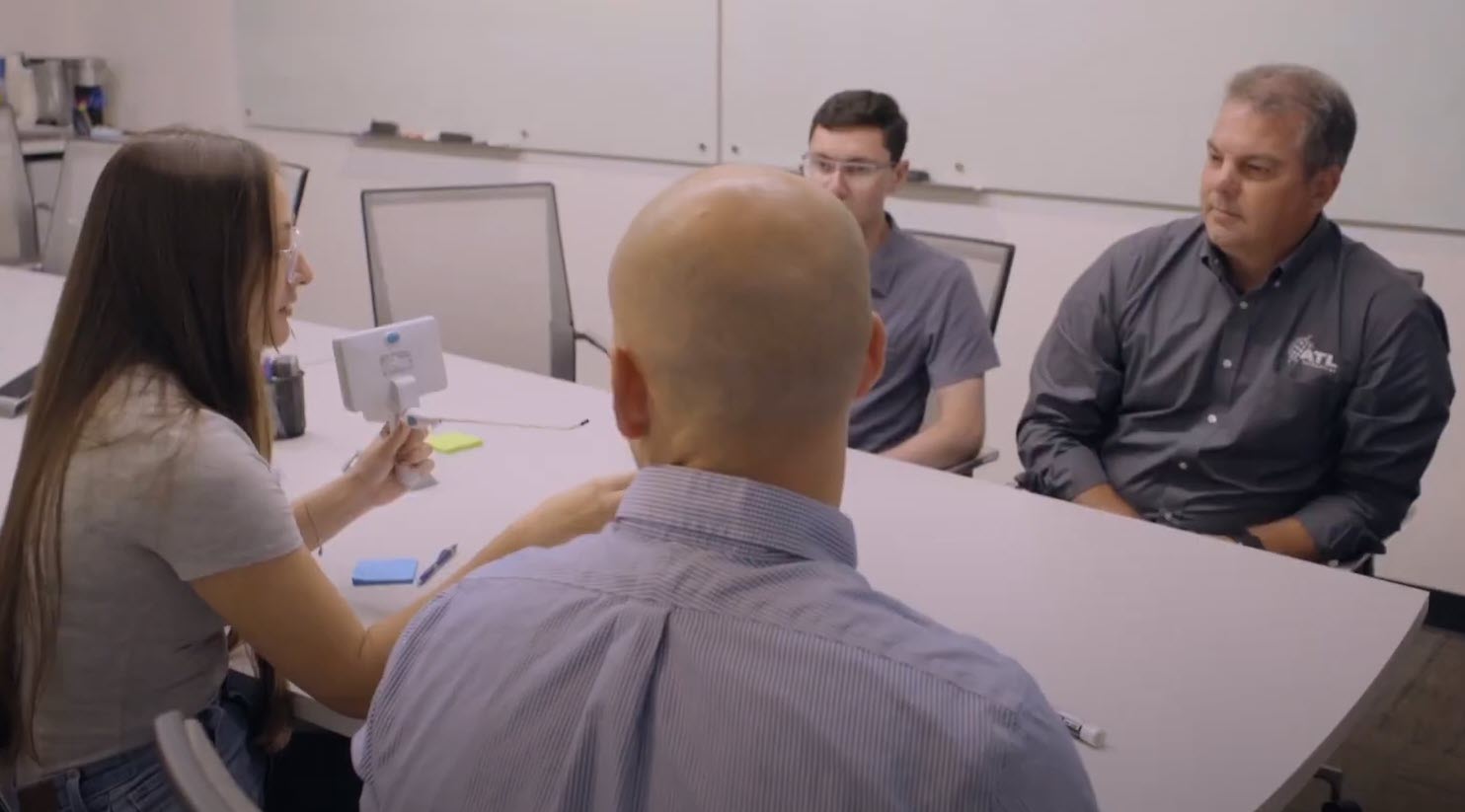
Eliminating System Silos to Enable Global Scale: ATL Technology’s Transformation with Fusion Manage
Discover how ATL Technology unified global design and manufacturing operations with Autodesk Fusion Manage, transforming fragmented systems into a centralized, scalable PLM platform. Operating across multiple continents, ATL Technology struggled with inconsistent systems, disconnected data, and uneven process maturity – creating serious roadblocks as the company grew. By adopting Autodesk Fusion Manage, the global medical…
Data & Process
-

Agile Methodologies for Project Management: A Complete Guide for Modern Teams
Discover agile project management principles, frameworks, and benefits, plus how Autodesk solutions enable agile practices in design and manufacturing. Traditional project management approaches often struggle to keep up with shifting priorities, evolving customer needs, and rapid technological changes. Agile project management methodologies have emerged as a powerful alternative, enabling teams to deliver value faster, adapt…
Uncategorized
-
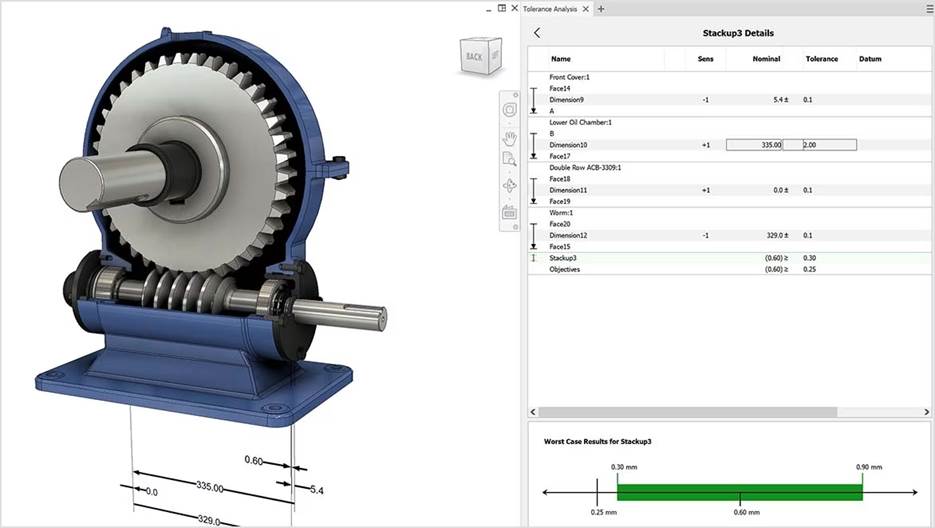
What Are GD&T Symbols and Why Do They Matter?
This article explains the five main categories of GD&T symbols: form, orientation, location, profile, and runout. It details how each category controls specific geometric variations. It also highlights how Autodesk Inventor integrates these symbols into 3D models using Model-Based Definition for automated tolerance analysis. What are GD&T symbols and why do they matter? Geometric Dimensioning…
Design & Engineering