-
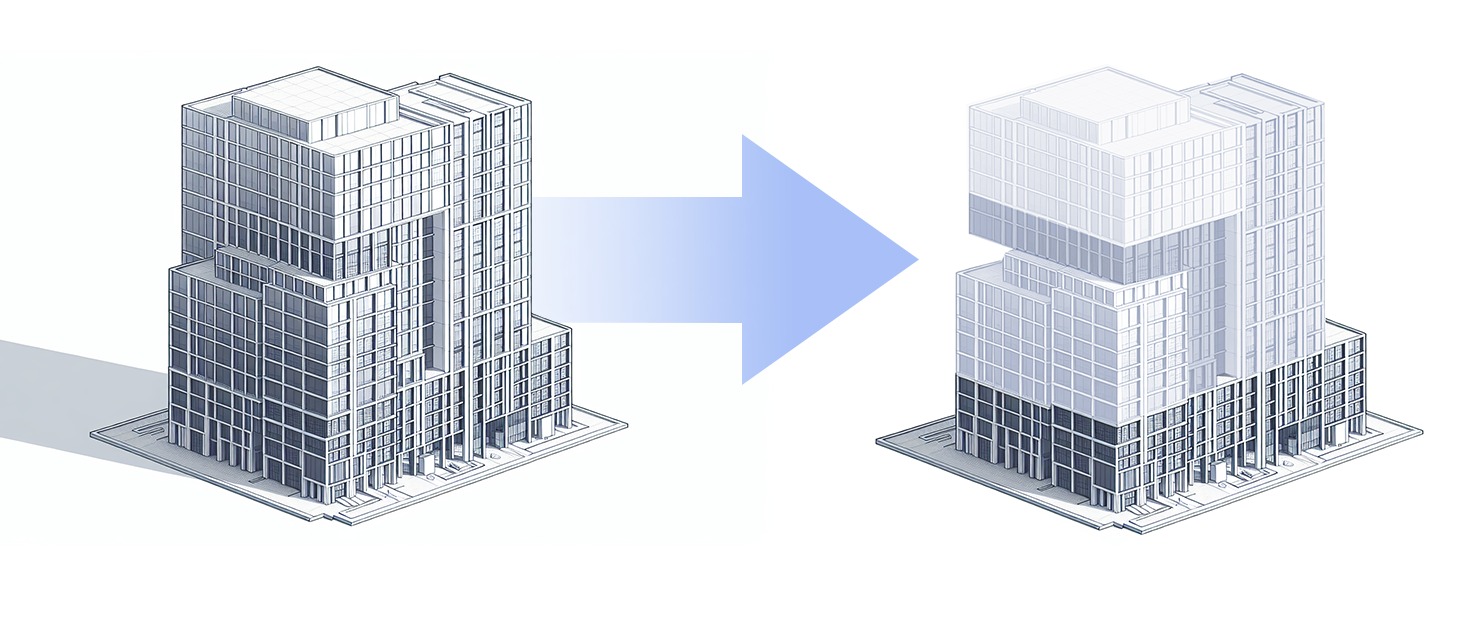
Incremental Model Open in Revit: A Faster, More Scalable Way to Access Model Data
When you open a Revit model, you rarely need the entire project data at once. You may open the last active view or starting screen, navigate to a plan or 3D view to continue design work, open a sheet/schedule to review documentation,…
Learning
-
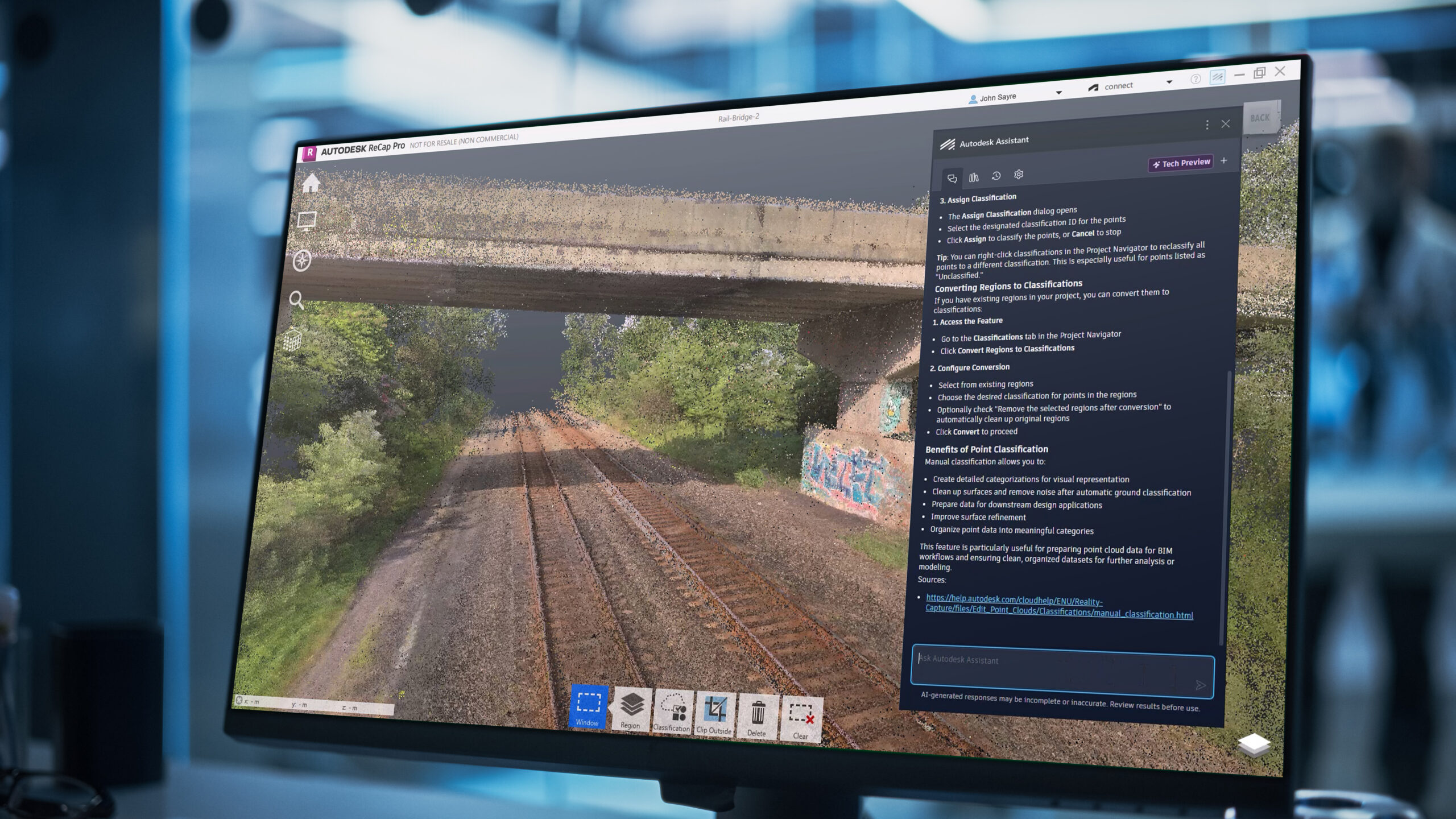
What’s New in ReCap Pro 2027: Autodesk Assistant, Connected Workflows, and Improved Visualization
ReCap Pro 2027 introduces new capabilities designed to improve reality capture workflows across desktop and cloud environments. This release helps teams work more efficiently with large point cloud datasets through enhanced visualization controls, improved interoperability, streamlined project navigation, and connected collaboration workflows.…
What’s New
-
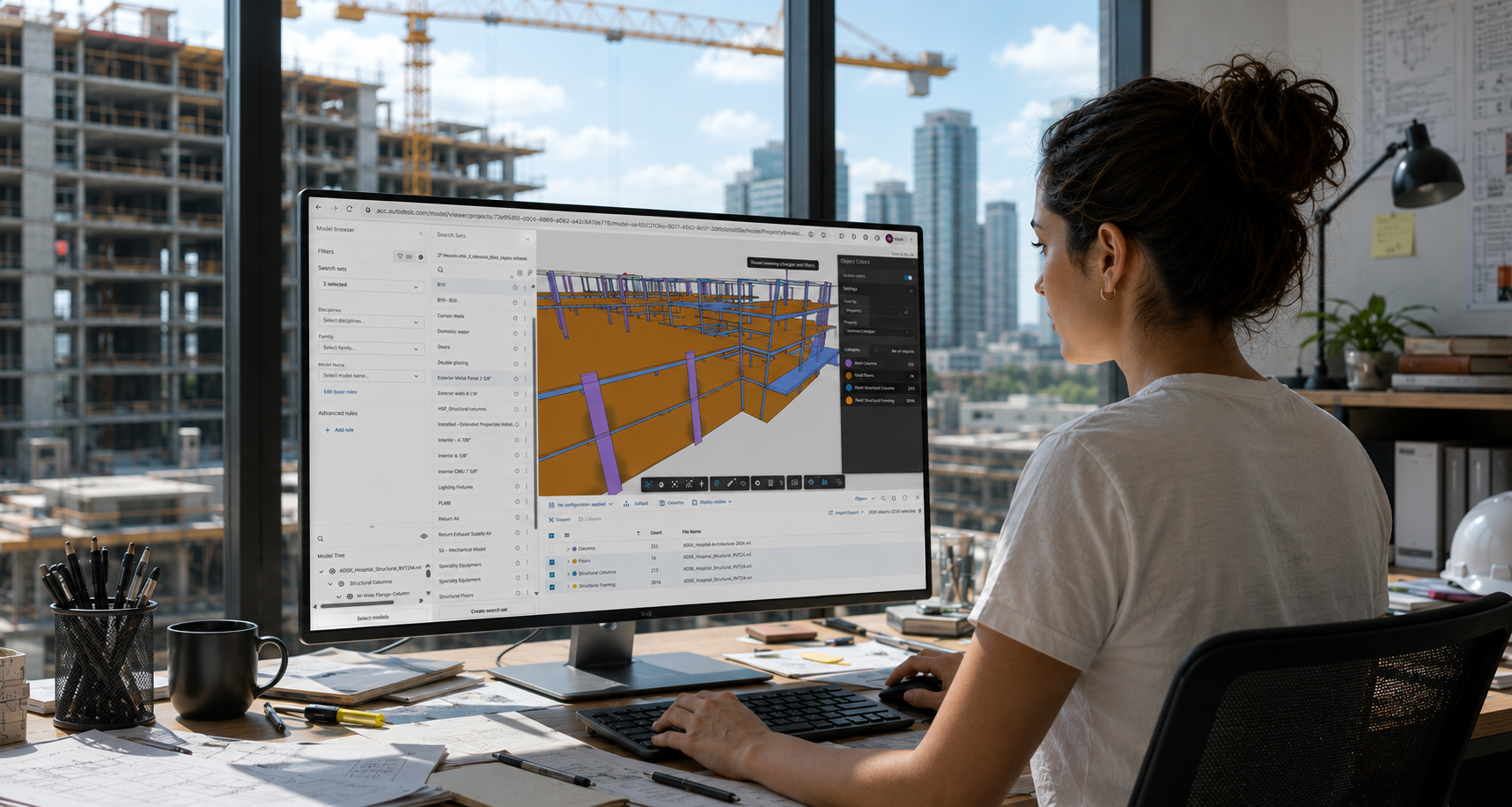
Build Once, Reuse Everywhere: Bringing Search Sets to Forma Design Collaboration
Anyone who coordinates models knows the routine. You open a federated model and immediately need to focus on a specific slice of the project: ductwork on Levels 2–4, structural framing, a particular assembly code, or the systems involved in a coordination review. The coordination…
Architecture
-

What’s New in Revit 2027.2: Faster, More Connected, and More Precise BIM Workflows
Revit 2027.2 continues the 2027 release with a set of features focused on connected, higher-performance, and more predictable BIM workflows. Practical improvements support everyday production, from opening large models and navigating accelerated views to documenting design intent, coordinating site context, evaluating outdoor…
Architecture
-

The 2026 State of Design & Make Spotlight on Transportation: Insights Shaping the Future of Infrastructure
The transportation infrastructure that connects our cities, countries, and continents is experiencing unprecedented pressure—and undergoing rapid transformation. Roads and highways, rail networks, bridges, tunnels, ports, airports: these systems form the connective tissue of modern life. Right now, the professionals responsible for planning,…
Infrastructure
-

Why Owners Are Hiring BIM Data Specialists and What It Signals for the Industry
A new role appears to be taking shape across the AECO industry: The BIM Data Specialist. While the role may seem niche, this role may signal a broader industry shift in how BIM is used and the direction firms are taking it.…
Architecture