 Shannon McGarry
This article explores strategies for overcoming resistance to change during digital transformation and how Autodesk Fusion supports smoother transitions through integrated tools, cloud collaboration, and incremental learning paths.
Understanding digital transformation
Digital transformation refers to the integration of digital technology into all areas of a business, fundamentally changing how organizations operate and deliver value to customers. It involves adopting modern tools, software, and processes to improve efficiency, agility, and innovation. For engineering and product development teams, digital transformation means moving from traditional workflows and legacy systems to cloud-based, collaborative platforms that enable faster iteration, better data management, and enhanced cross-team coordination.
By embracing digital transformation, companies can improve product quality, accelerate time-to-market, and maintain a competitive edge in rapidly evolving industries. In fact, most leaders surveyed for the 2025 State of Design & Make report have already realized a 50%-plus return on their digital transformation efforts through increases in innovation, productivity, and other categories.
The human side of technology adoption
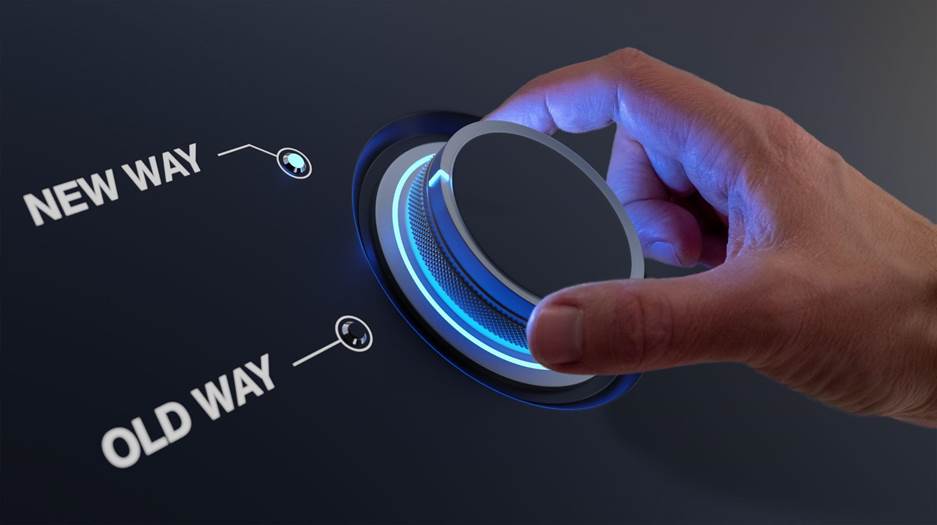
Resistance often arises when teams do not fully understand the purpose of digital initiatives or feel excluded from the decision-making process. When training is inconsistent or lacks structure, users can struggle to adapt, viewing new technology as a disruption rather than an opportunity. Successful adoption requires leadership that listens to and validates employees’ concerns, integrates feedback, and demonstrates how digital tools tie directly into improving daily workflows. Highlighting early wins and providing hands-on experience help build trust and ease apprehension.
Applying Fusion for meaningful digital transformation adoption
Autodesk Fusion can help reduce resistance by marrying powerful capabilities with an accessible user experience. Fusion is an integrated platform that blurs the lines between design, engineering, and manufacturing to help teams move fluidly through each phase of the product development cycle. For organizations that want to introduce a modern CAD/CAM platform into their workflows, Fusion’s unified environment reduces friction typically associated with switching between disconnected tools. As a result, change becomes easier to justify and less intimidating for end users.
To reduce perceived risk, teams can use Fusion’s cloud-based collaboration and data management features to maintain visibility and control during transition periods. Engineers can version their designs, track changes, and experiment with features without fear of permanent loss or workflow disruption. The platform supports asynchronous review cycles and remote contributions by providing secure, real-time access to design data. As such, teams will be more likely to embrace their digital tools without fearing a complete departure from familiar practices.
Supporting incremental learning and confidence building
Fusion also supports incremental learning to help teams build confidence. Users can start with core modeling tools, then expand into generative design, simulation, or CAM as needs evolve. Built-in tutorials, documentation, and active community forums give users the resources to troubleshoot independently or seek guidance quickly while reducing frustration and dependence on support staff.
Turning digital transformation resistance into opportunity
Resistance becomes easier to address when change management strategies include tools like Fusion. When teams view change in a positive light, they can see value more easily and perceive less threat to their existing expertise—empowering leadership to further the technology roadmap with broader product goals.