-

Water Drops: NEXRAD, inlets, and templates, oh my!
This release of Water Drops focuses on some key functionality to help improve your workflows: Designing inlets in InfoDrainage We’ve already seen many useful tools in InfoDrainage from previous Water Drops collections. In this video, we continue to built on those skills by taking a deep dive on inlets inside InfoDrainge. More specifically, how inlets should…
Storm, sewer, flood
-

Creating a data-driven culture in your water utility with low-code and no-code analytics
Water infrastructure, like treatment plants or networks, can generate lots of data. But is it useful information? How can captured data become actionable knowledge for planning, crisis management, and problem solving across organizations? Data is only useful when experts can interpret and share it so an organization can take action. We dig into new ideas…
Operational analytics
-

Are you sometimes afraid to update your software? What we’ve done with InfoWorks ICM to make it stress-free.
Does the phrase “software update” make you quiver with fear and frustration? We get it. Having to take time out of your day to load new versions of software doesn’t top the list of anyone’s goals and accomplishments. But there are some very good reasons to update your hydraulic modeling software. When it comes to…
Product news
-

Water utility cybersecurity: How to assess risk and meet EPA & CISA guidance
The specific details of how hackers might wreak havoc in the water sector vary, but the major threats to water utilities can be grouped into a few basic categories:
Industry news
-

[e-book] Turning your data into decisions by creating a data culture inside your water utility
Download the Autodesk e-book "Building a water data culture: How utilities can use operational analytics to turn data into decisions"
Operational analytics
-
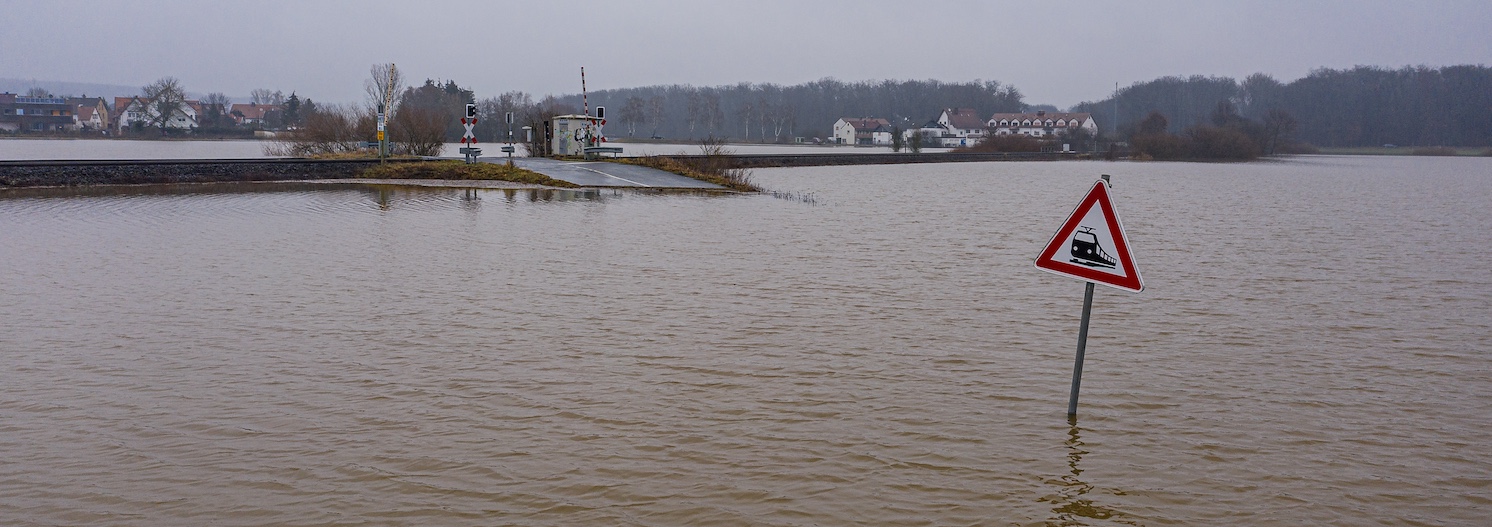
What is the impact of climate change on stormwater modeling, and how can water professionals prepare?
As the world’s climate continues to shift, the effects of extreme weather events are beginning to cascade through the modern civilized world. While topical discussions of the impacts of climate change often focus on significant natural disasters, there are other more gradual impacts to the way the world works that this shifting climate brings. As…
Sustainability
-

Info360 Asset update: multiparameter risk modelling, map improvements, in-app notification manager
Coming off the exciting news of Info360 Asset’s integration with VAPAR Solutions, we have a new product update. We’ve taken your direct feedback with enhancements to how you calculate risk in your risk modelling, improved maps to make it easier for you to view pipe inspection details and defects, and we’ve added an in-app notification…
Product news
-

The rainfall and runoff modeling calculation methods inside InfoDrainage and how to customize them
We list all of the regional rainfall and runoff calculations in InfoDrainage and show you how to customize them.
Drainage design
-

Autodesk is integrating VAPAR AI image analysis into Info360 Asset with new technology preview
We are excited to announce that Autodesk is integrating VAPAR AI image analysis into Info360 Asset, offering our customers a powerful, automated solution for their inspection review process. With this integration, Info360 Asset users will be able to use VAPAR’s industry-trusted AI image analysis technology directly within their existing Info360 Asset workflow if they have a VAPAR subscription. This…
AI and Machine Learning
-

Consor Engineers: Simulating sophisticated pump flows in a closed system with InfoWater Pro
Whatcom County (PUD) tasked Consor Engineers, a water and transportation infrastructure consulting firm, with conducting hydraulic modeling simulations to assess its current industrial water system and select new high head service pumps for a proposed new water treatment plant.
Customer stories