-

Cybersecurity toolkit for water utilities to adopt CISA, FBI and EPA guidance
The specific details of how hackers might wreak havoc in the water sector vary, but the major threats to water utilities can be grouped into a few basic categories:
Industry news
-

[e-book] Turning your data into decisions by creating a data culture inside your water utility
Download the Autodesk e-book "Building a water data culture: How utilities can use operational analytics to turn data into decisions"
Operational analytics
-
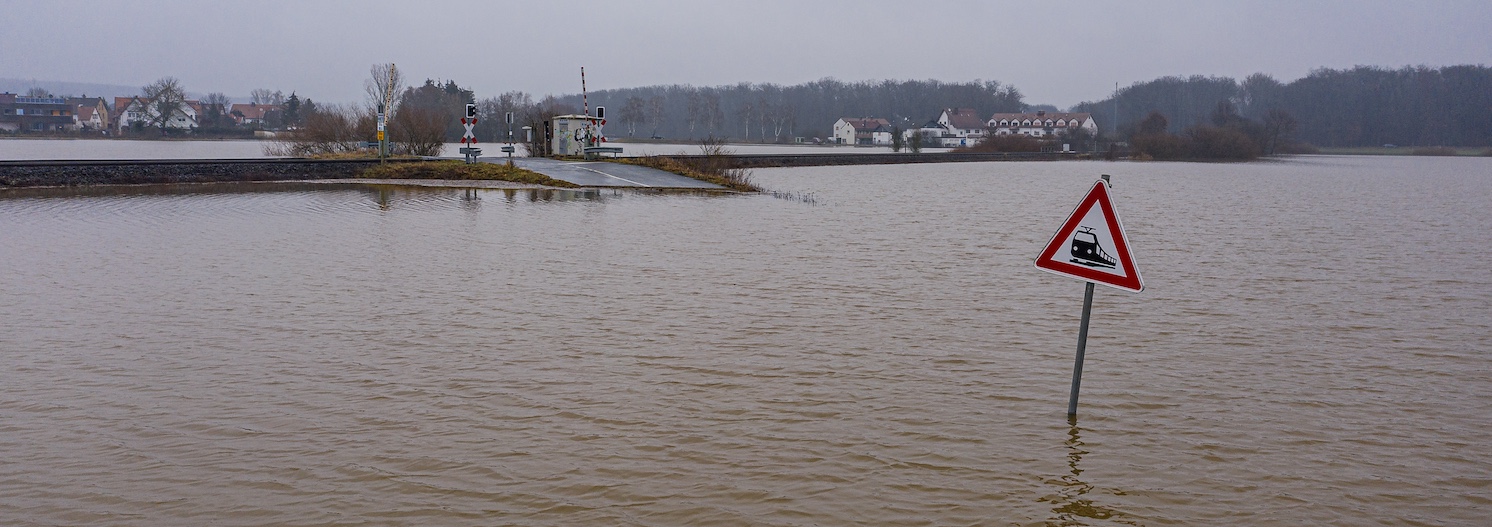
What is the impact of climate change on stormwater modeling, and how can water professionals prepare?
As the world’s climate continues to shift, the effects of extreme weather events are beginning to cascade through the modern civilized world. While topical discussions of the impacts of climate change often focus on significant natural disasters, there are other more gradual impacts to the way the world works that this shifting climate brings. As…
Sustainability
-

Info360 Asset update: multiparameter risk modelling, map improvements, in-app notification manager
Coming off the exciting news of Info360 Asset’s integration with VAPAR Solutions, we have a new product update. We’ve taken your direct feedback with enhancements to how you calculate risk in your risk modelling, improved maps to make it easier for you to view pipe inspection details and defects, and we’ve added an in-app notification…
Product news
-

The rainfall and runoff modeling calculation methods inside InfoDrainage and how to customize them
We list all of the regional rainfall and runoff calculations in InfoDrainage and show you how to customize them.
Drainage design
-

Autodesk is integrating VAPAR AI image analysis into Info360 Asset with new technology preview
We are excited to announce that Autodesk is integrating VAPAR AI image analysis into Info360 Asset, offering our customers a powerful, automated solution for their inspection review process. With this integration, Info360 Asset users will be able to use VAPAR’s industry-trusted AI image analysis technology directly within their existing Info360 Asset workflow if they have a VAPAR subscription. This…
AI and Machine Learning
-

Consor Engineers: Simulating sophisticated pump flows in a closed system with InfoWater Pro
Whatcom County (PUD) tasked Consor Engineers, a water and transportation infrastructure consulting firm, with conducting hydraulic modeling simulations to assess its current industrial water system and select new high head service pumps for a proposed new water treatment plant.
Customer stories
-
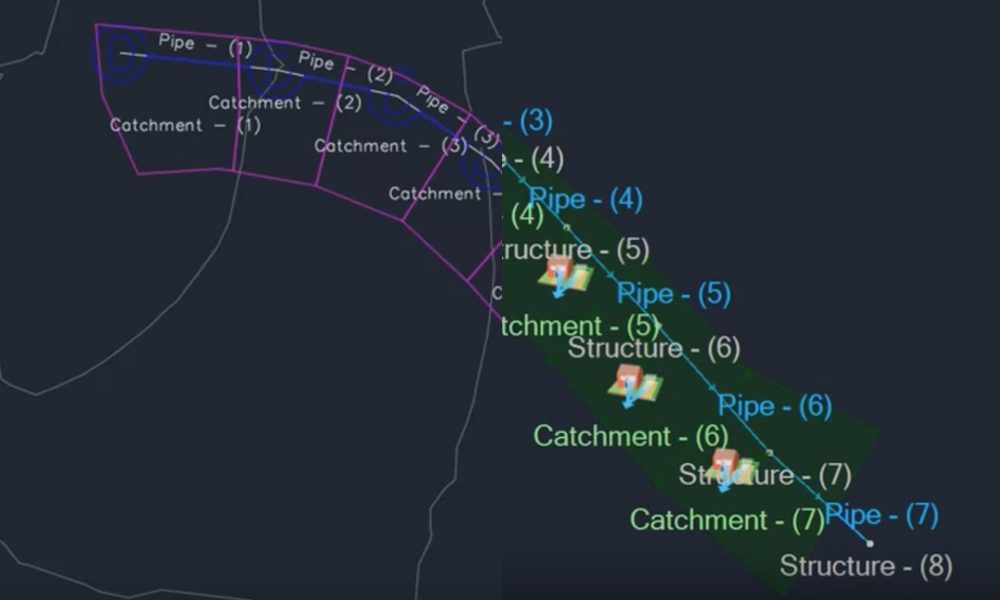
How InfoDrainage integrates with Civil 3D and how this drainage integration has grown rapidly
Our team of drainage experts and product developers have made it their mission to solve this industry challenge through expanding integrations between InfoDrainage, Autodesk’s drainage design solution, and Civil 3D, the world’s foremost civil design software.
Drainage design
-

InfoWater Pro 2024.4: Water quality in the cloud, MSX 2.0, and new shortcuts
InfoWater Pro 2024.4 brings new improvements to cloud functionality, MSX 2.0 access, and a few new shortcuts for better product usability.
Product news
-

Putting the squeeze in sponge cities: Amsterdam’s Waternet and the innovative RESILIO blue-green roof project
The RESILIO project has helped Amsterdam repurpose rooftops as smart blue-green roofs to reuse rainwater and prevent localized flooding. This project, along with other sustainable water initiatives like the Amsterdam Rainproof program, continues to position the Netherlands at the forefront of water management. We examine the details of the project, how our software is used,…
Customer stories