
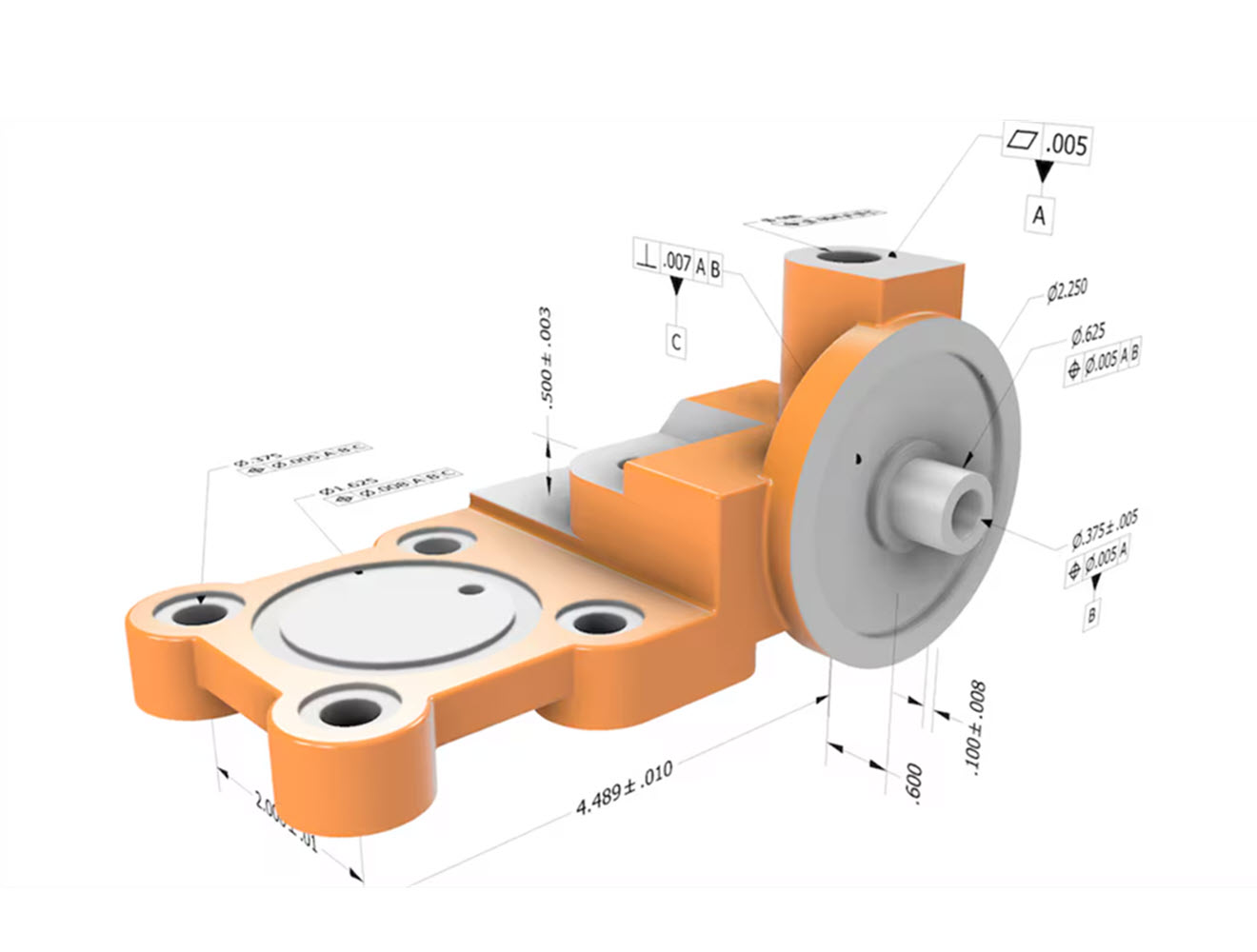
See how model-based definition (MBD) in Autodesk Inventor improves manufacturing accuracy, quality, and collaboration, and when it’s worth adopting. For most manufacturing teams, the 3D model has been the real source of truth for years. The drawing just made it official. Model-based definition (MBD) changes that dynamic. Instead of translating the model into a drawing…
Design & Engineering
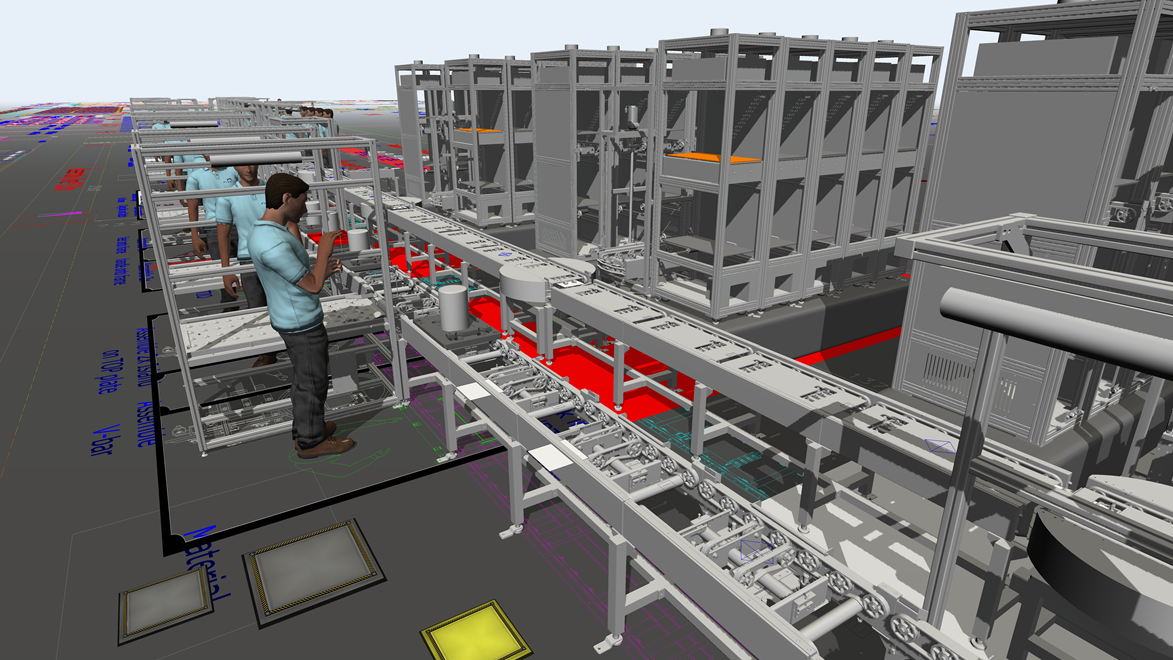
Understand the difference between factory simulation and digital twins, when to use each, and how Autodesk FlexSim enables both for smarter, data‑driven manufacturing decisions. The terms factory simulation and factory digital twins are frequently mentioned in the world of manufacturing. While often used interchangeably, they are not the same. Understanding the difference matters when as…
Autodesk FlexSim
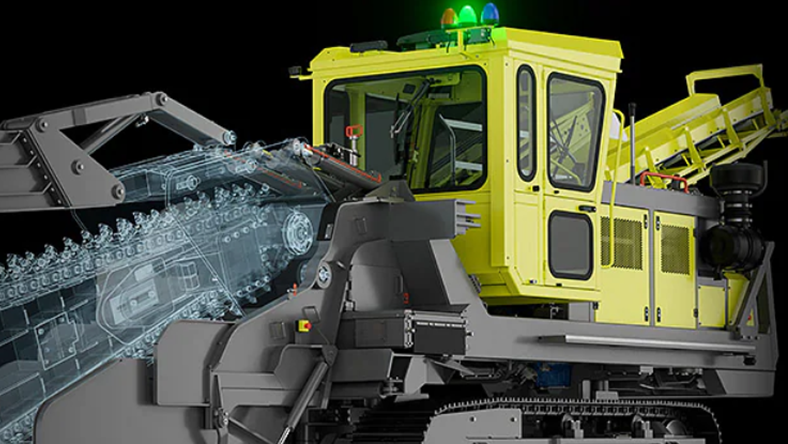
Explore how the Product Design & Manufacturing Collection subscription works, including licensing, access, deployment flexibility, and how teams scale PDMC over time. PDMC bundles powerful design and manufacturing tools, offering flexible for teams. This guide dives into the subscription model, access, flexibility, and deployment details around PDMC. What is included in the Autodesk Product Design…
Design & Engineering

Digitally connected fabrication data is becoming a competitive advantage as manufacturers reduce rework, improve accuracy, and accelerate handoffs by connecting design and fabrication data through Inventor and Vault. For decades, fabrication competitiveness has been driven by scale, labor efficiency, and machine capability. Today, those factors still matter, but they no longer differentiate. Increasingly, the competitive…
Design & Engineering
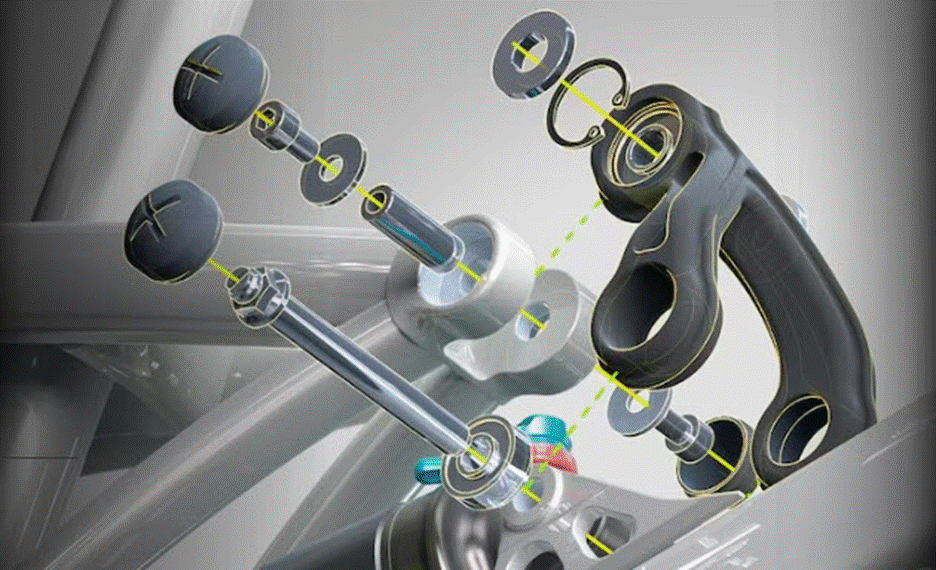
Engineering teams can improve profitability by applying Design for Assembly (DFA) principles early in the development cycle. This article explores how technical strategies for part reduction and assembly simulation ensure efficient production. Autodesk Inventor provides professional tools to automate bill of materials and optimize complex mechanical designs, streamlining manufacturing. Design for assembly (DFA) is an…
Design & Engineering
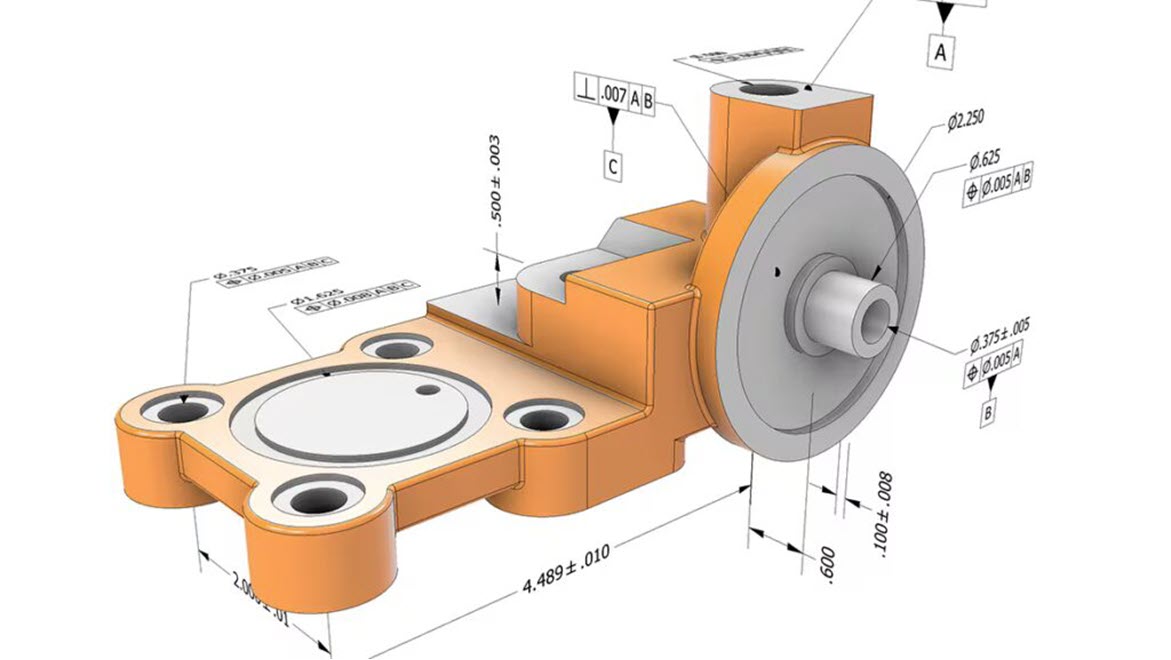
GD&T is more than a design standard. It’s a foundation for inspection and quality control. Learn how it supports functional inspection, reduces quality risk, and connects design to manufacturing. While geometric dimensioning and tolerancing (GD&T) is often introduced as a way to communicate design intent, its real power shows up downstream. In modern manufacturing, it’s…
Design & Engineering

Learn how PLM supports requirements management by centralizing requirements, maintaining traceability, and controlling change, and how Fusion Manage helps teams manage requirements across the product lifecycle. Requirements management is one of the most underestimated capabilities in product development. Teams spend months defining what a product must do, including performance targets, regulatory constraints, customer needs, only…
Data & Process
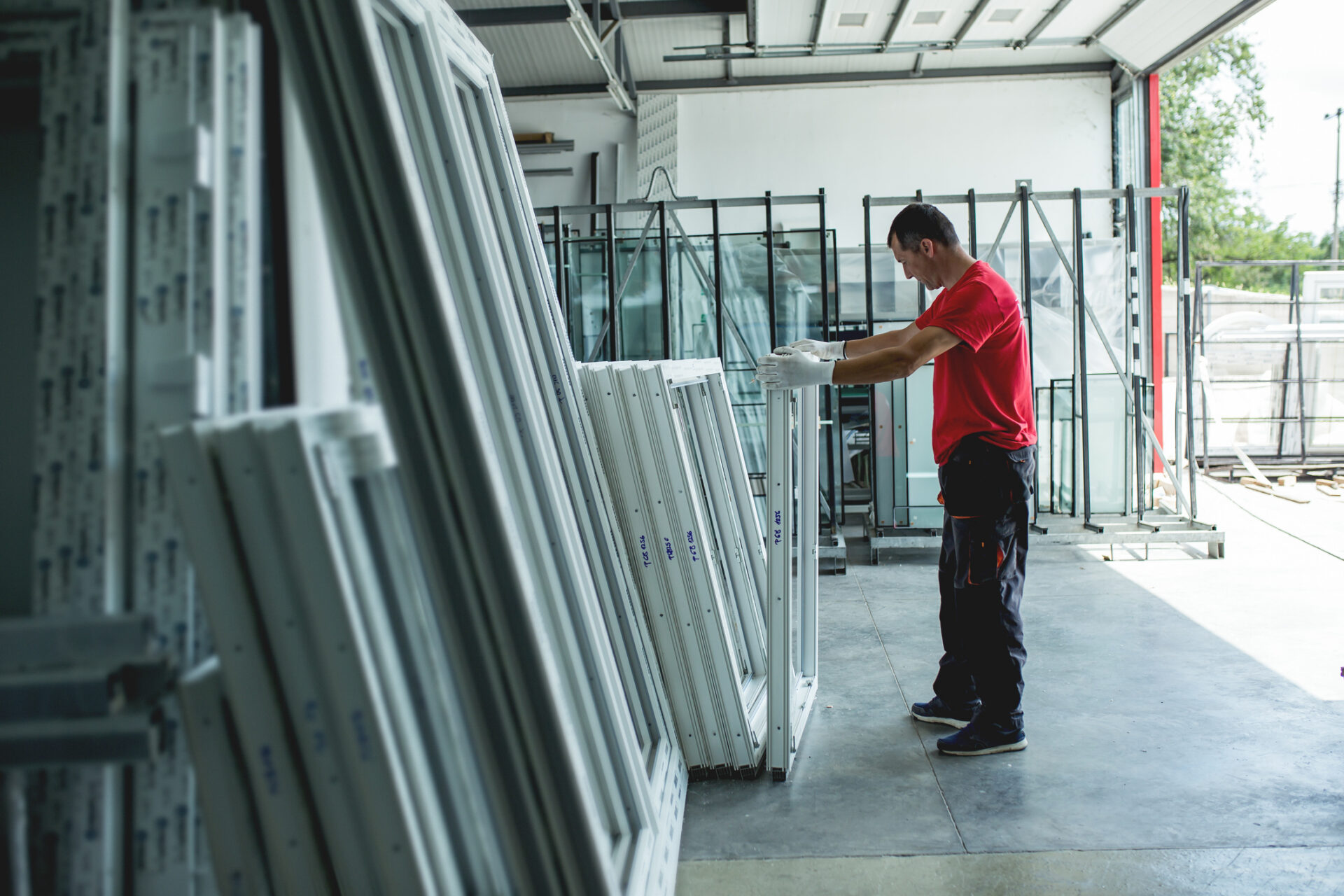
Learn who Autodesk Inventor helps building product manufacturers efficiently deliver one‑off and configurable custom orders at scale by using parametric modeling, configurable design workflows, and connected engineering data. The challenge of custom orders in building products Building product manufacturers rarely produce the same design twice. Whether it’s doors, windows, facades, railings, structural components, or architectural…
Uncategorized

Explore cost of poor quality categories and how supplier defects increase COPQ through scrap, rework, and warranty costs, and how to reduce the impact. Supplier defects are one of the most persistent and expensivie contributors to the cost of poor quality (COPQ) in manufacturing. While defects may first appear as isolated quality issues, their true…
Design & Engineering

Learn how Autodesk PDMC helps BP&F teams avoid coordination failures, align design and fabrication, and meet tight project timelines. Manufacturing teams are under constant pressure to deliver complex building components as fast as possible. As architectural designs become more intricate, the distance between the initial conceptual model and the final fabrication file often leads to…
Design & Engineering
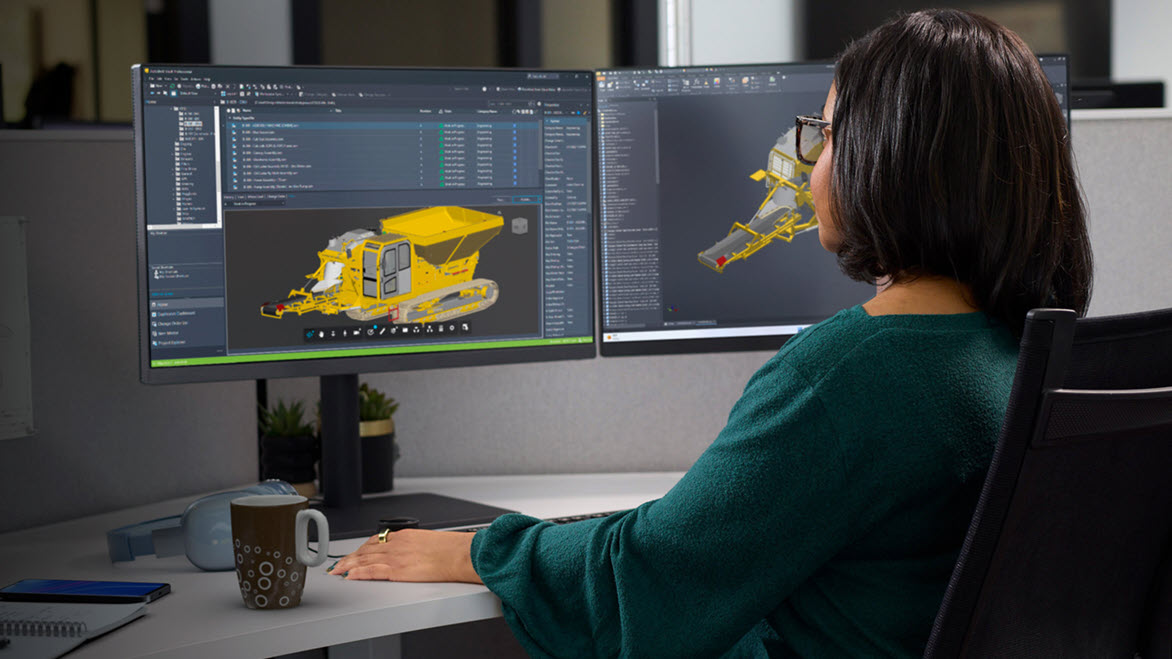
Discover how Autodesk Vault eliminates engineering change management chaos, streamlines ECO workflows, and accelerates time to market. Updating complex assemblies while preserving accurate bills of materials (BOMs) is no easy feat. And when change management relies on spreadsheets or manual email notifications, things only get harder. Without a genuine connection between the design environment and…
Data & Process
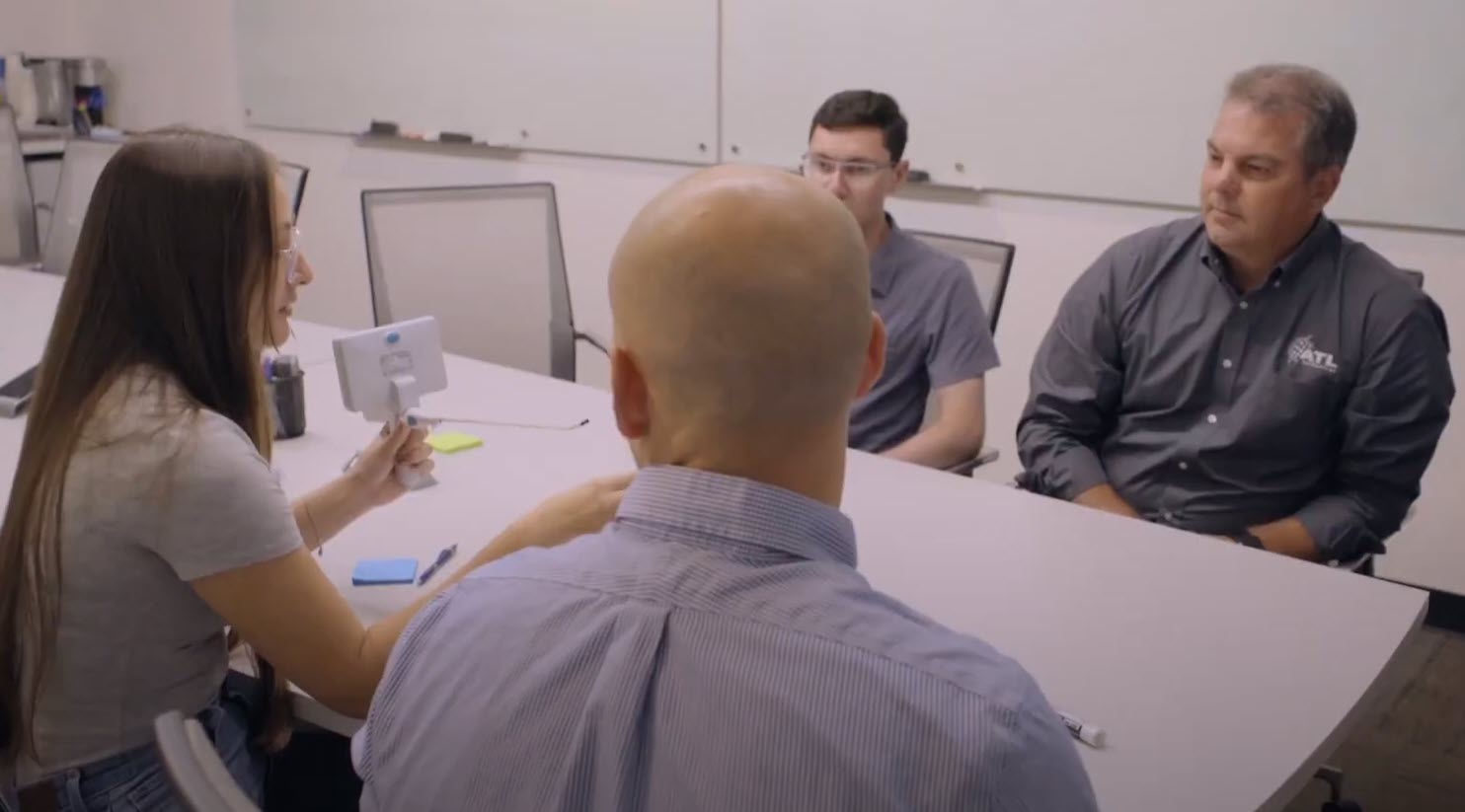
Discover how ATL Technology unified global design and manufacturing operations with Autodesk Fusion Manage, transforming fragmented systems into a centralized, scalable PLM platform. Operating across multiple continents, ATL Technology struggled with inconsistent systems, disconnected data, and uneven process maturity – creating serious roadblocks as the company grew. By adopting Autodesk Fusion Manage, the global medical…
Data & Process