 Shannon McGarry
Struggling with outdated 2D workflows? Discover how transitioning to 3D design empowers manufacturers to reduce errors, speed up production, and stay competitive with Autodesk’s seamless 2D-to-3D integration.
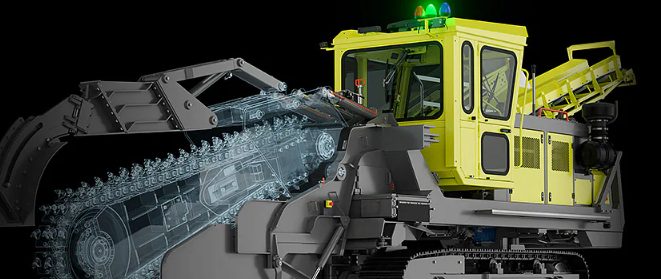
Manufacturing companies face increasing pressure to improve product quality, reduce time-to-market, and streamline production processes. A critical business challenge many manufacturers encounter is the need to evolve from traditional 2D design workflows to modern 3D design environments. This transition is not just about adopting new software—it’s about overcoming operational inefficiencies and gaining a strategic advantage.

Autodesk Product Design & Manufacturing Collection
Solve interesting problems efficiently with the ultimate set of engineering apps.
Learn MoreSticking with 2D can hinder growth
Many manufacturers have long relied solely on 2D CAD tools for product design and documentation. Complex products demand detailed 3D models for accurate visualization, analysis, and manufacturing preparation. Without 3D, manufacturers risk design errors, miscommunications, and longer iteration cycles that increase costs and delay product launches.
Also, as global supply chains and customer expectations become more demanding, manufacturers must be agile and precise. 2D drawings alone often fall short in conveying critical design intent or integrating effectively with advanced manufacturing technologies like CNC machining, 3D printing, or simulation-based quality checks.
Why the move from 2D to 3D design matters
Transitioning to 3D design with tools like Autodesk Inventor provides manufacturers with several key advantages. With 3D modeling, manufacturers can:
- Visualize complex assemblies and identify design conflicts early.
- Conduct virtual testing and simulations to reduce physical prototypes.
- Generate accurate manufacturing instructions and CAM programs directly from the 3D model.
- Enhance collaboration between engineering, production, and suppliers via detailed, interactive models.
These benefits translate directly into faster time-to-market, reduced development costs, and improved product reliability—essential factors for staying competitive.
Transitioning from 2D to 3D design
Many manufacturers hesitate to make the leap from 2D to 3D because of concerns about disrupting existing workflows, retraining staff, and dealing with legacy data. They fear losing valuable assets or facing delays during the learning curve.
This is where Autodesk’s Product Design and Manufacturing Collection offers a powerful solution. It allows manufacturers to leverage all their existing 2D AutoCAD data within a 3D design environment, enabling a smooth, gradual transition.
Using existing investments with hybrid workflows
Thanks to the associative link between AutoCAD and Inventor, manufacturers don’t have to discard years of 2D work. Instead, they can reuse AutoCAD drawings as the basis for building precise 3D models. This linkage eliminates the need to start from scratch, shortens learning time, and avoids project delays.
A hybrid workflow allows teams to maintain current 2D projects where needed while exploring the advantages of 3D design. This flexibility means manufacturers can customize their transition pace around business priorities without sacrificing ongoing operations or client demands.
Meeting your business needs with flexible tools
Beyond just easing transition pains, keeping both 2D and 3D tools easily accessible supports diverse project requirements. Some contracts or regulatory standards might still require 2D deliverables, while others benefit from cutting-edge 3D workflows.
The Product Design and Manufacturing Collection ensures that 3D Inventor models can be documented and shared in the universally accepted DWG format, maintaining compatibility with traditional 2D systems. This interoperability ensures design and manufacturing teams can collaborate effectively, suppliers can receive the right files, and projects remain on schedule.
Driving a competitive advantage through digital transformation
Manufacturers facing the pressure to evolve must recognize that the transition to 3D isn’t just a technical upgrade—it’s a strategic business imperative to remain competitive in a rapidly changing industry. With the right tools and approach, they can navigate this change confidently without disruption, leveraging their current strengths while unlocking future opportunities.