-
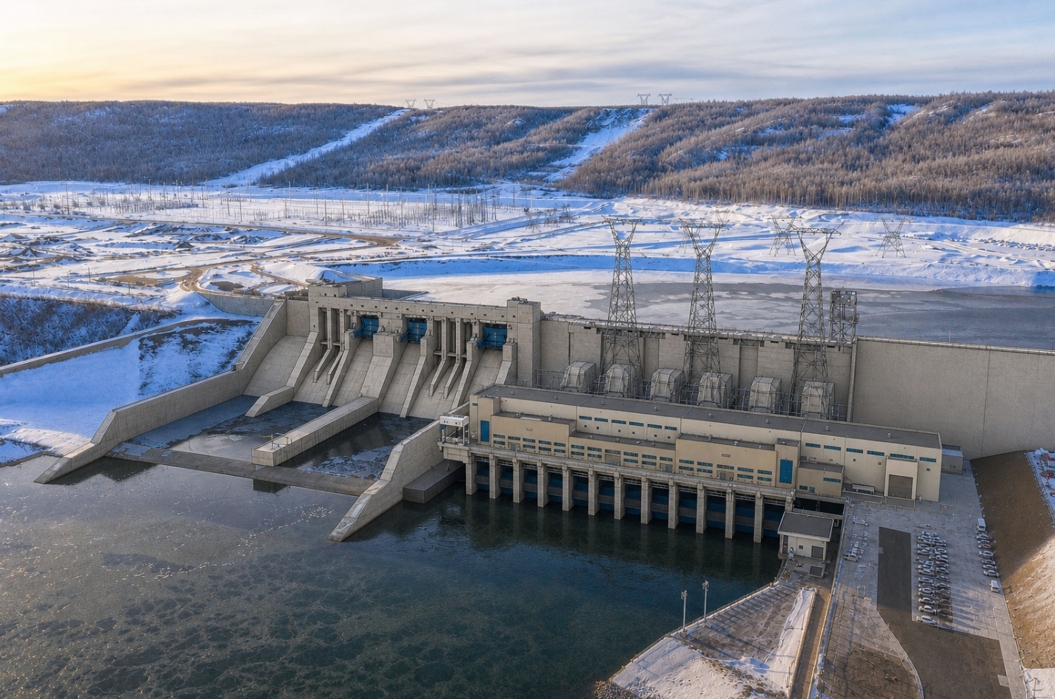
Building the John Horgan Dam and Generating Station with BIM
Previously known as the Site C Clean Energy Project, the new John Horgan Dam and Generating Station demonstrates how BIM, cloud collaboration, and digital project delivery helped bring one of Canada’s largest and most complex infrastructure projects from design to operation. Stretching…
Customer Success
-
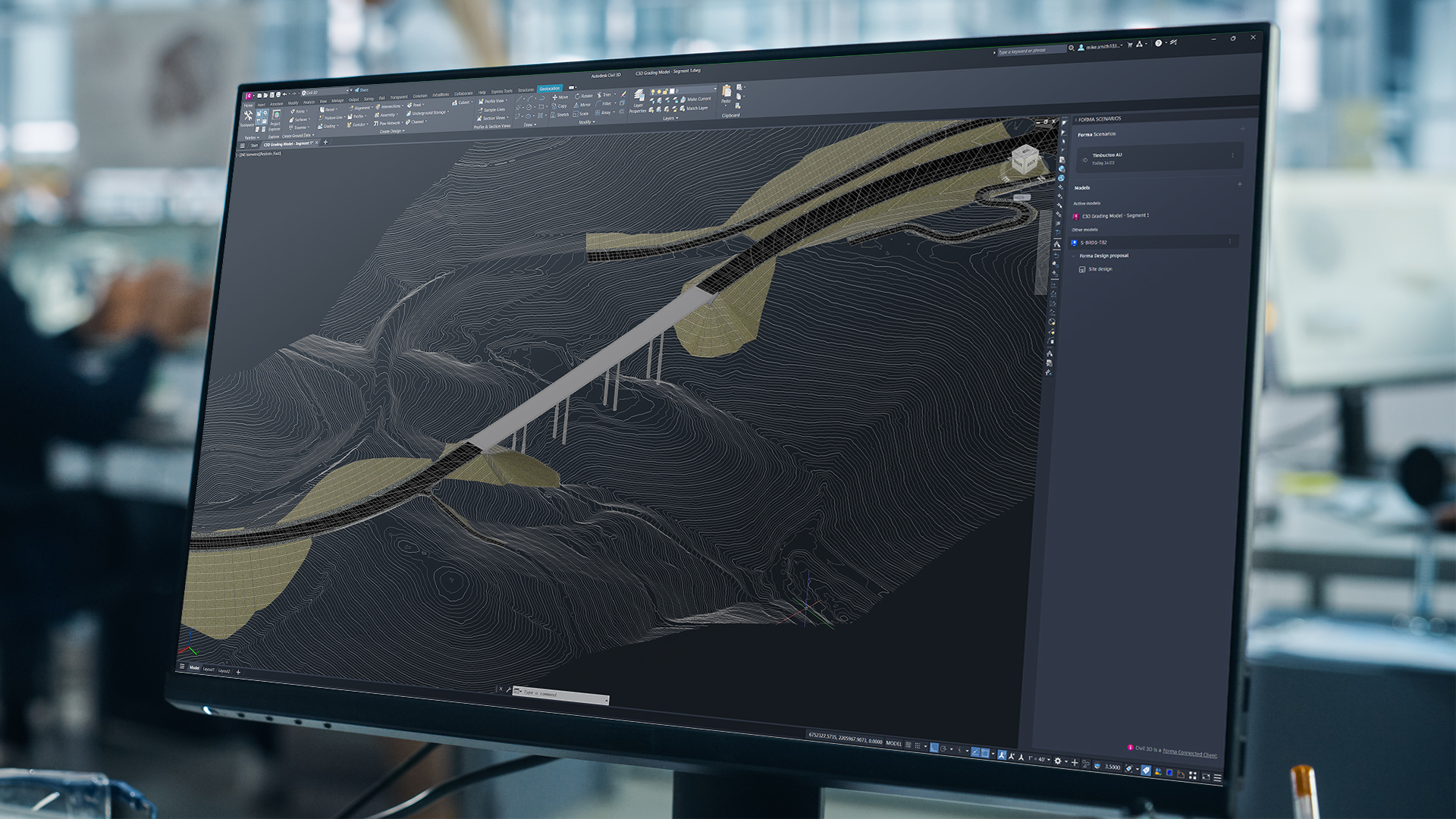
Civil 3D: The Next Forma Connected Client
Civil infrastructure projects are inherently multidisciplinary projects that have the power to shape how people and communities move, connect, and grow. Decisions about the placement of roads, bridges, buildings, stations, and rail corridors span many teams and tools, requiring input across all…
Infrastructure
-
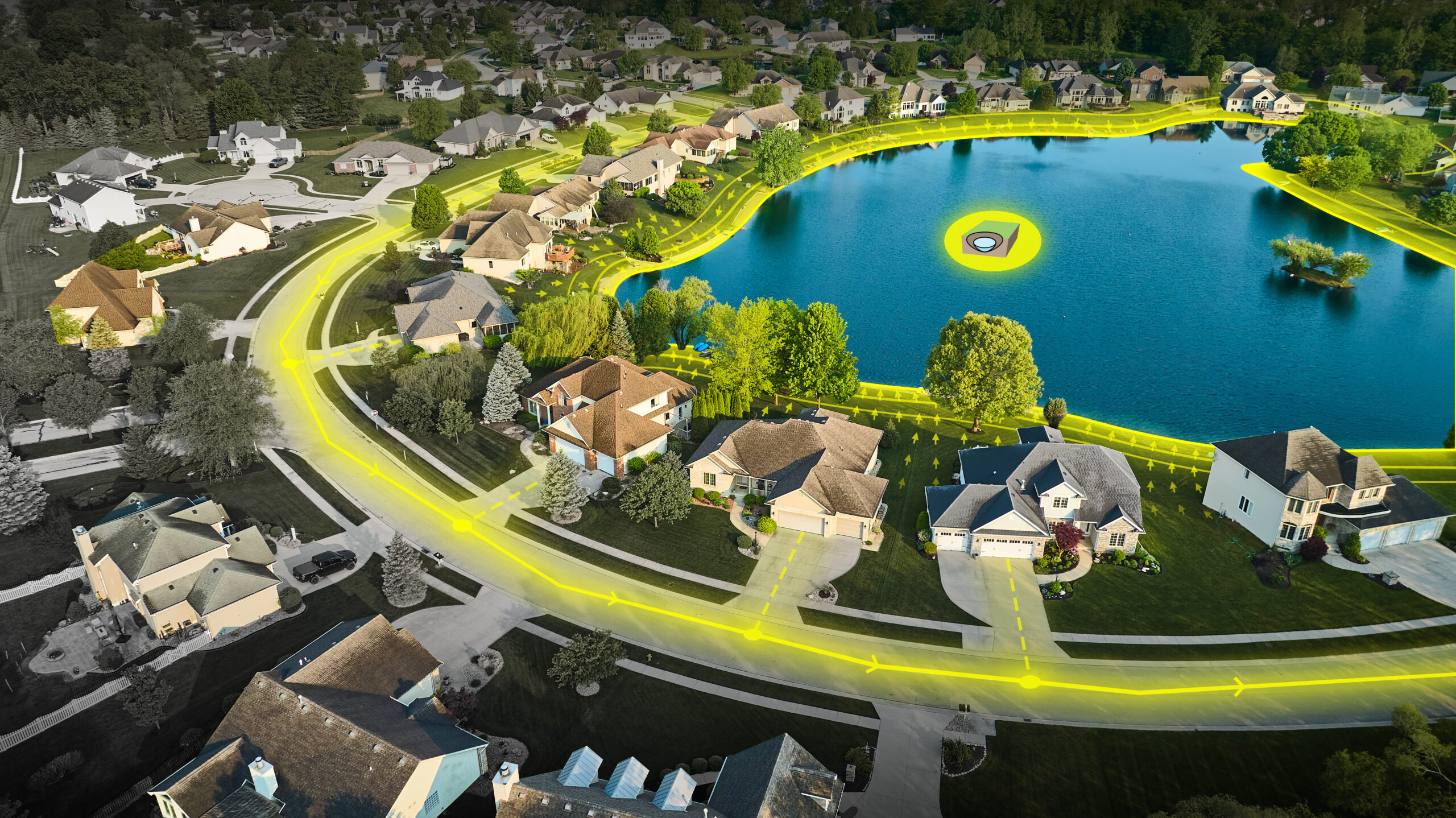
What’s Happening with SSA? The Future of Drainage Design in Civil 3D and InfoDrainage
If you use Storm and Sanitary Analysis (SSA) with Autodesk Civil 3D, you may have heard questions about its future and what that means for your drainage workflows. Here’s what Autodesk is changing and what it means for Civil 3D users. SSA…
Infrastructure
-
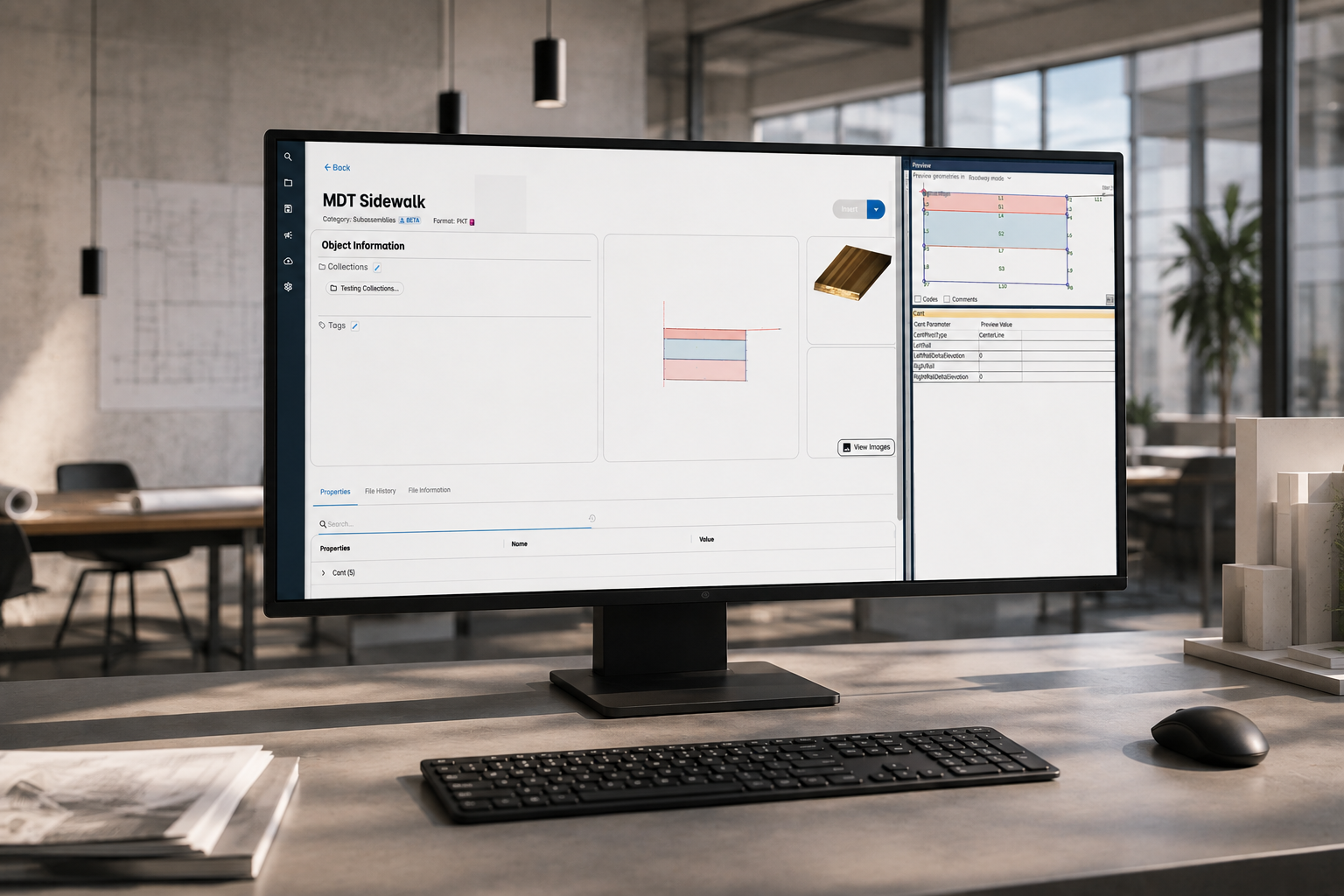
Content Catalog Beta Expands to Autodesk Civil 3D
Civil 3D teams rely on reusable design content to apply standards consistently and keep projects moving efficiently. However, that content is often scattered across local folders, shared drives, previous projects, and informal libraries. As a result, teams spend valuable time searching for…
Infrastructure
-
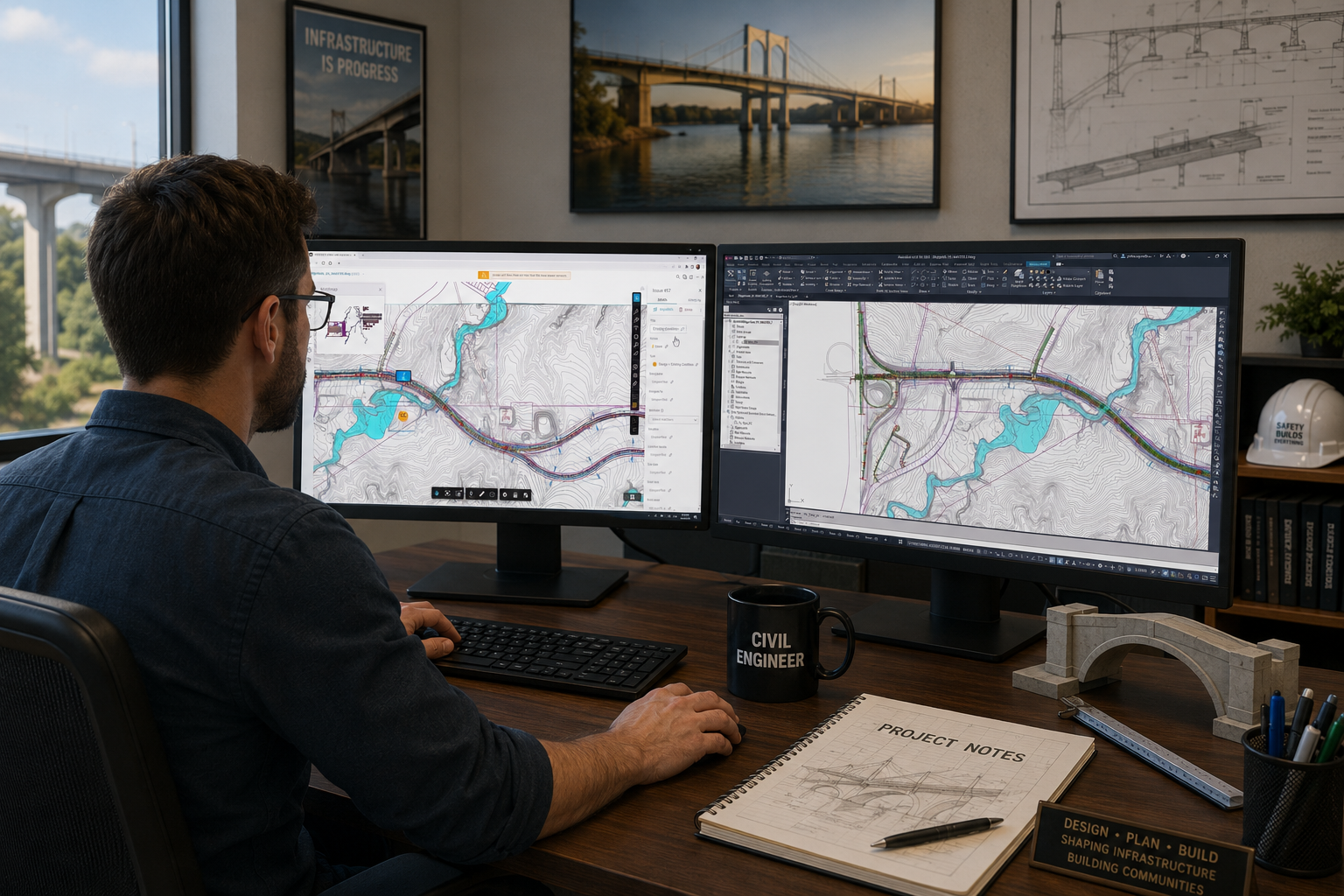
Four Ways to Upload Civil Project Files to Forma
Uploading project files sounds simple. Open a folder, move the files, and you are done. Civil infrastructure projects rarely work that way. Most projects include XREFs, DREFs, XML files, templates, source drawings, and other linked data. If files are uploaded without those…
Infrastructure
-
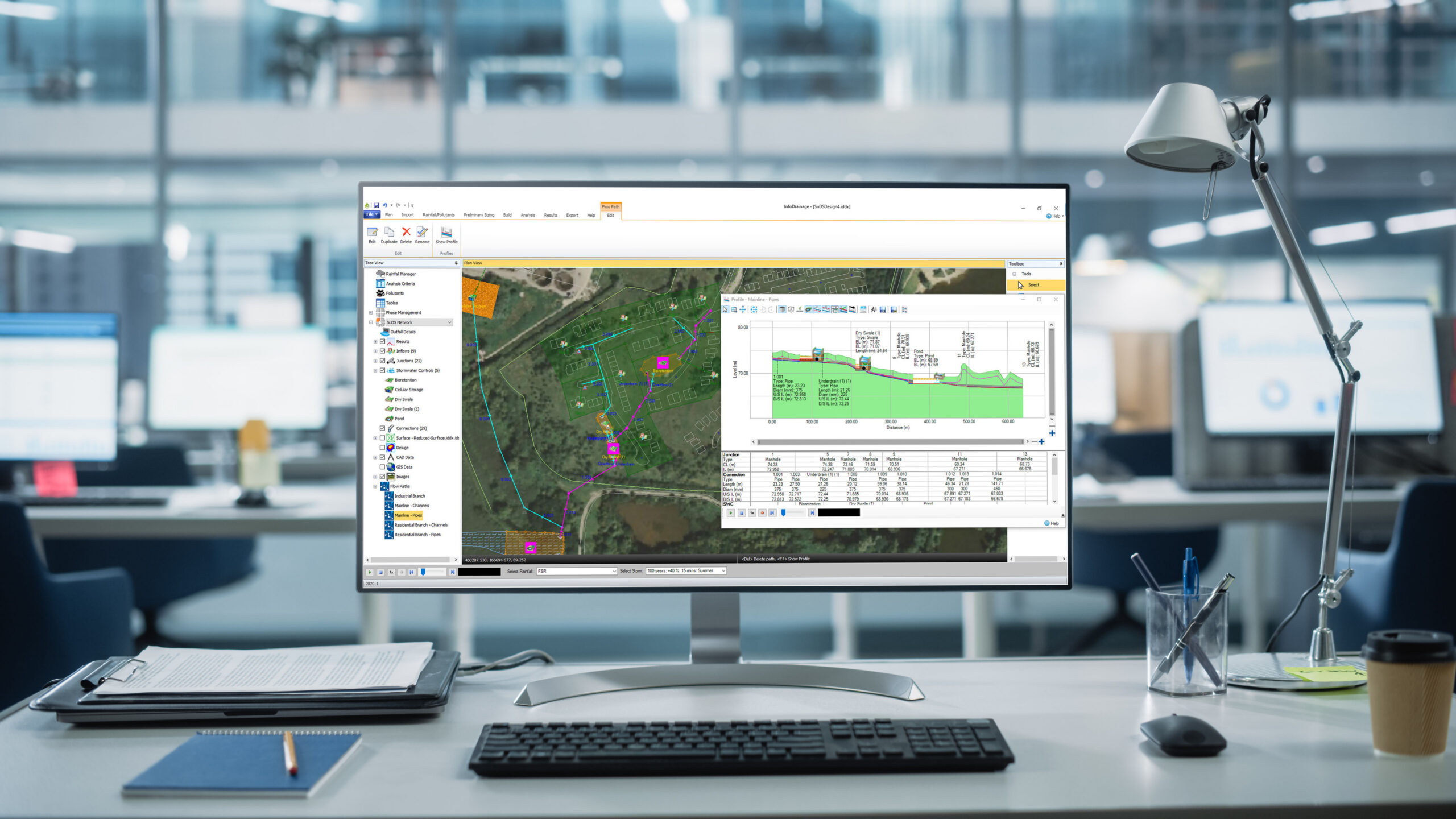
Drainage Design in 2026: Why It’s No Longer About Choosing One Tool
For a long time, drainage design workflows in AEC followed a familiar pattern: pick a tool, learn its limits, and build your process around it. That’s starting to change. With the latest evolution of Autodesk’s water solutions, particularly in Civil 3D 2027…
Infrastructure