-
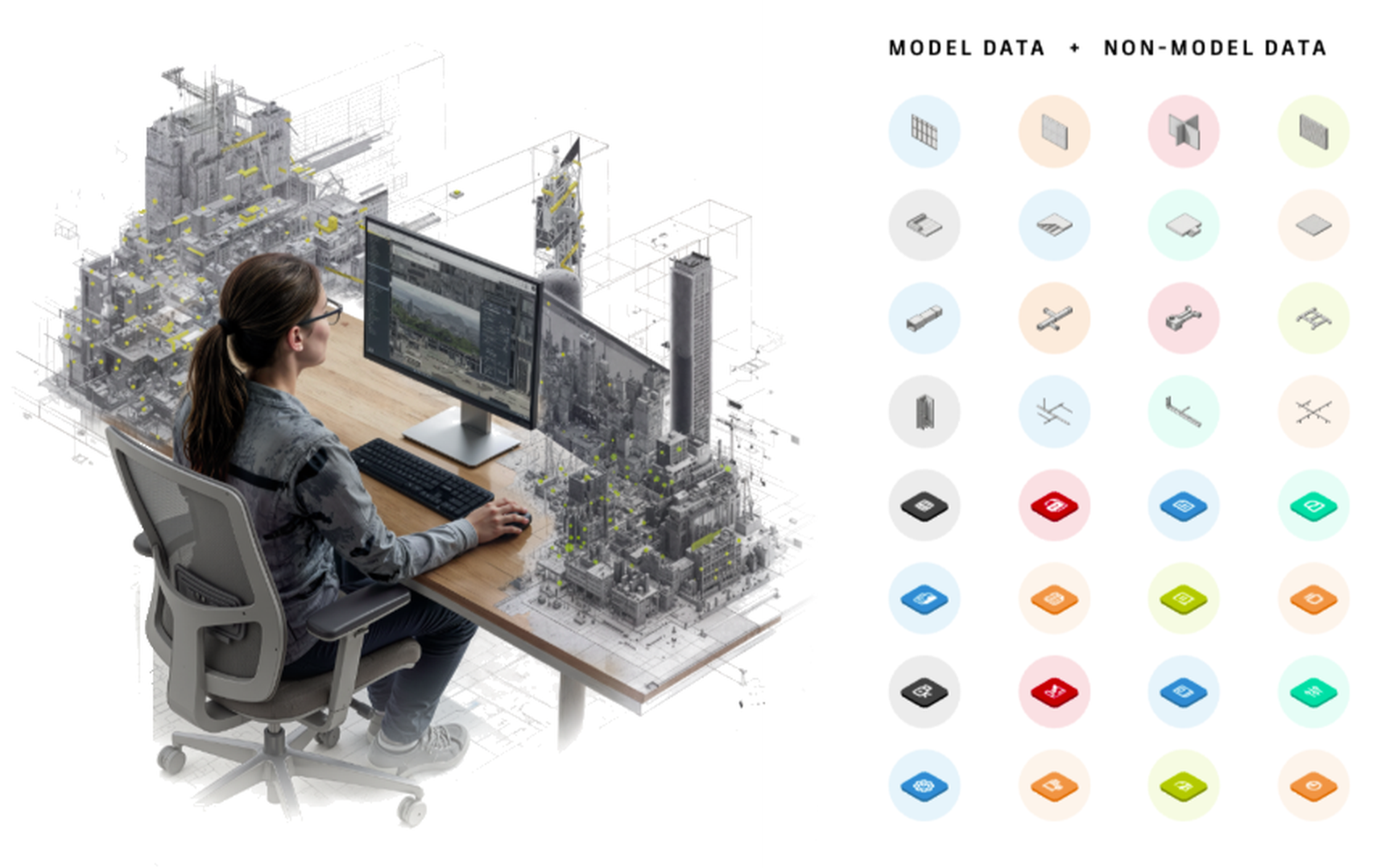
Solving the Everyday Data Problems Holding AEC Teams Back
Every architecture, engineering, construction, and owner team depends on data. It shows up in models, drawings, specifications, asset lists, parameters, submittals, schedules, and handover packages. It helps teams coordinate design intent, manage project delivery, and operate buildings after construction. But for many…
Learning
-
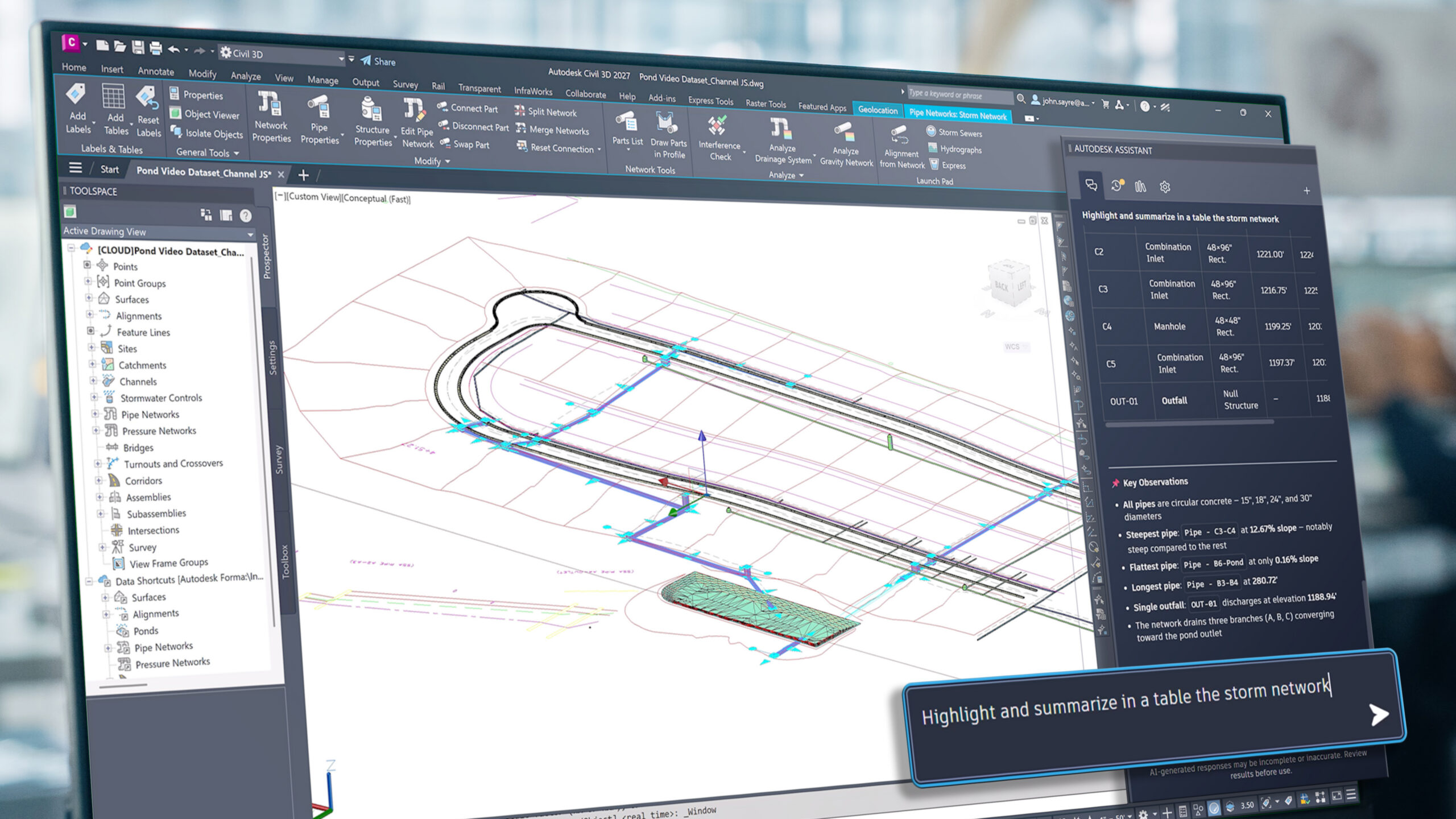
What’s New in Civil 3D 2027.1: Autodesk Assistant, Connected References, and Drainage Analysis
Autodesk Civil 3D 2027.1 introduces new and improved updates designed to help you work more efficiently with your design and project data. This release expands the Autodesk Assistant, extends Connected References for Data Shortcuts for teams using Forma Design Collaboration, adds new…
What’s New
-
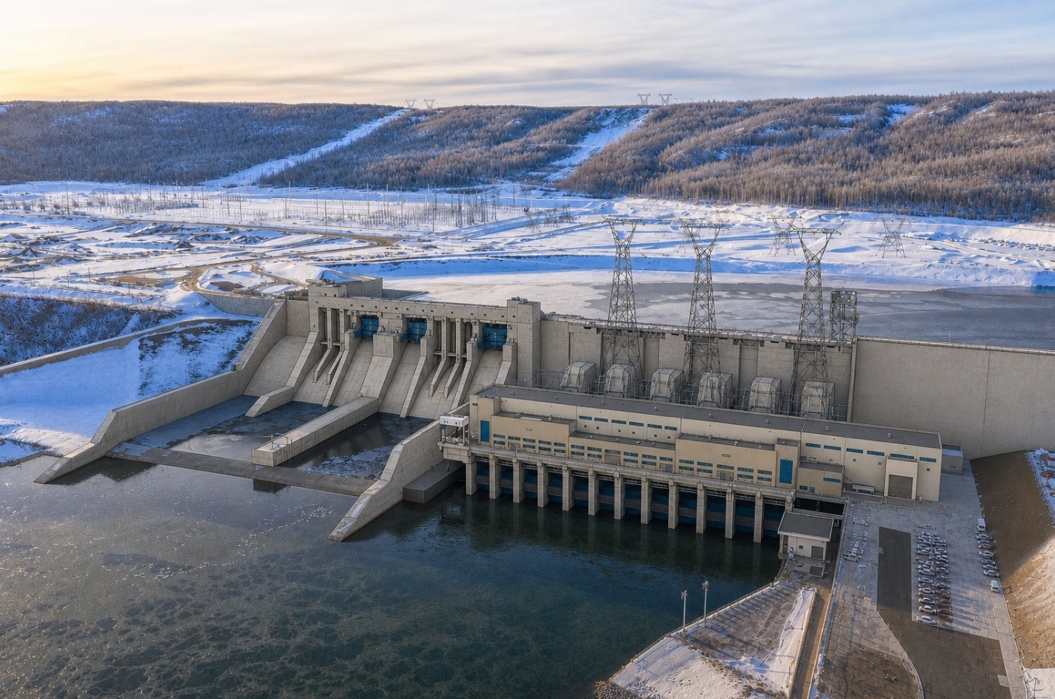
Building the John Horgan Dam and Generating Station with BIM
Previously known as the Site C Clean Energy Project, the new John Horgan Dam and Generating Station demonstrates how BIM, cloud collaboration, and digital project delivery helped bring one of Canada’s largest and most complex infrastructure projects from design to operation. Stretching…
Customer Success
-
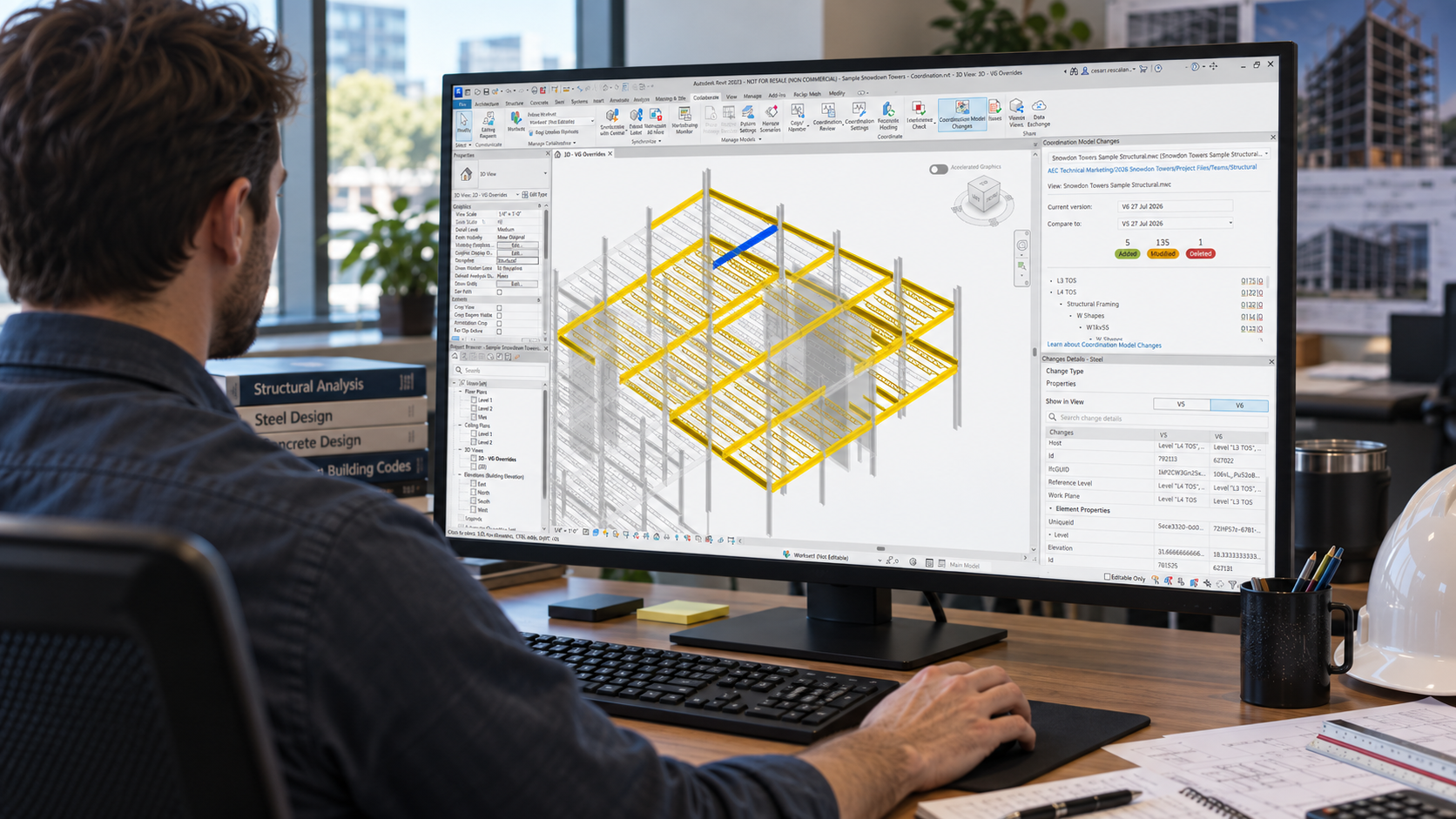
A Lighter Way to Coordinate Models in Revit
On a typical building project, each discipline-specific design team works in its own Revit model. Architects, structural engineers, and MEP teams all need to see each other’s work—but they rarely need to open or edit each other’s files. The hard part is…
Structure
-
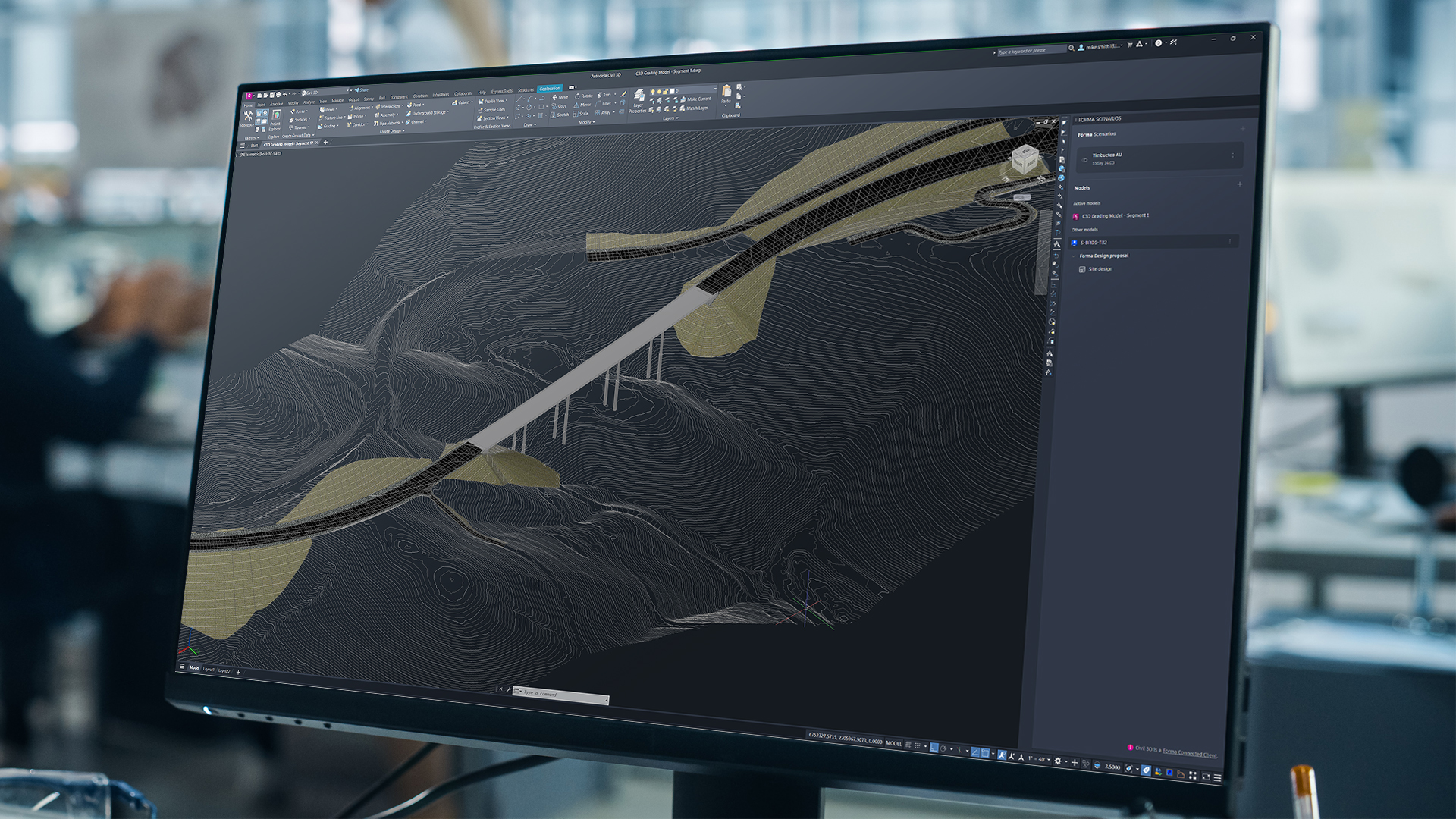
Civil 3D: The Next Forma Connected Client
Civil infrastructure projects are inherently multidisciplinary projects that have the power to shape how people and communities move, connect, and grow. Decisions about the placement of roads, bridges, buildings, stations, and rail corridors span many teams and tools, requiring input across all…
Infrastructure
-
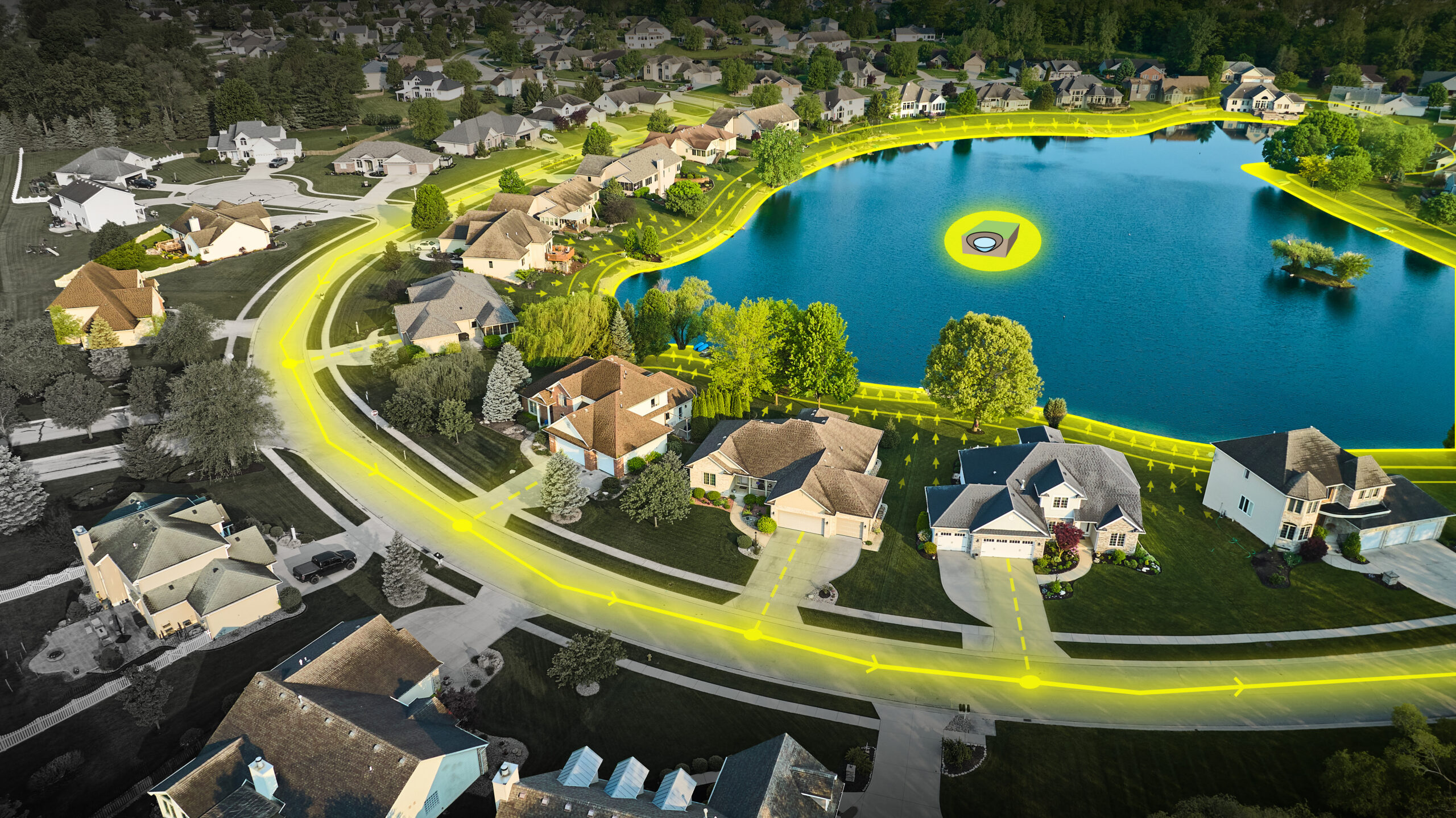
What’s Happening with SSA? The Future of Drainage Design in Civil 3D and InfoDrainage
If you use Storm and Sanitary Analysis (SSA) with Autodesk Civil 3D, you may have heard questions about its future and what that means for your drainage workflows. Here’s what Autodesk is changing and what it means for Civil 3D users. SSA…
Infrastructure