 Heather Miller
ACLA Studio is helping shape the future of aircraft interiors, from seating to new cabin experiences for Boeing and other aviation leaders. Autodesk Fusion gives the team speed and flexibility to move from early ideas to detailed, production-ready designs while also working with partners. As the studio continues to grow, Fusion remains at the center of their collaborative design process.

Elevate your design and manufacturing processes with Autodesk Fusion
When you board a plane and find your seat, you probably don’t think much about it. Just a seat to your destination. But that one seat holds an incredible amount of design and engineering. Every detail—from safety and comfort to how it’s built and installed—is the result of so many decisions coming together.
ACLA Studio not only takes on this complexity for aircraft seating design, but also new interior experiences and products reshaping the future of cabins for The Boeing Company and other aviation leaders. Founded eight years ago, the firm grew from the experience of its co-founders Matt Cleary and Victor Carlioz, who previously worked at aircraft seat manufacturer Zodiac Aerospace before its acquisition by Safran.
That background gave ACLA Studio an advantage with their expertise in a field where specialist knowledge matters and is hard to come by. In addition, they take on many other industrial design projects, including a recent streetlight project for the City of Los Angeles.
From the very beginning, they’ve used Autodesk Fusion to help their design visions to—quite literally—take flight.
“Aircraft interiors are the most expensive real estate in the world,” Carlioz says. “We’re talking square inches, and any you can gain makes a big difference. It’s really a game of inches, and I think we are some of the best at making the most out of that space. Fusion helps us to make that happen.”
Designing Summit
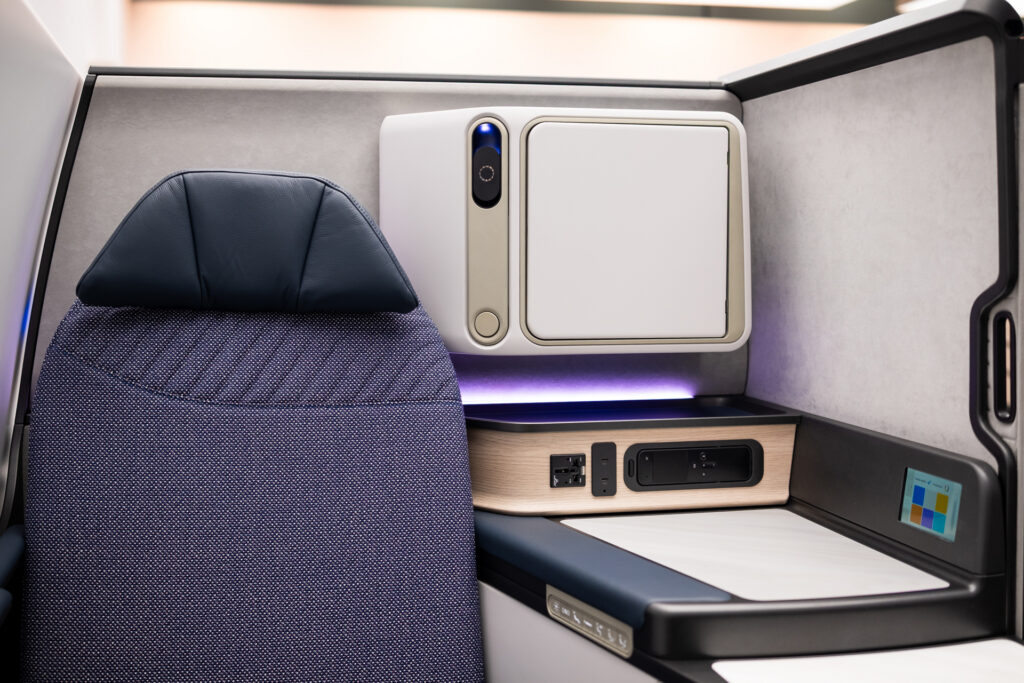
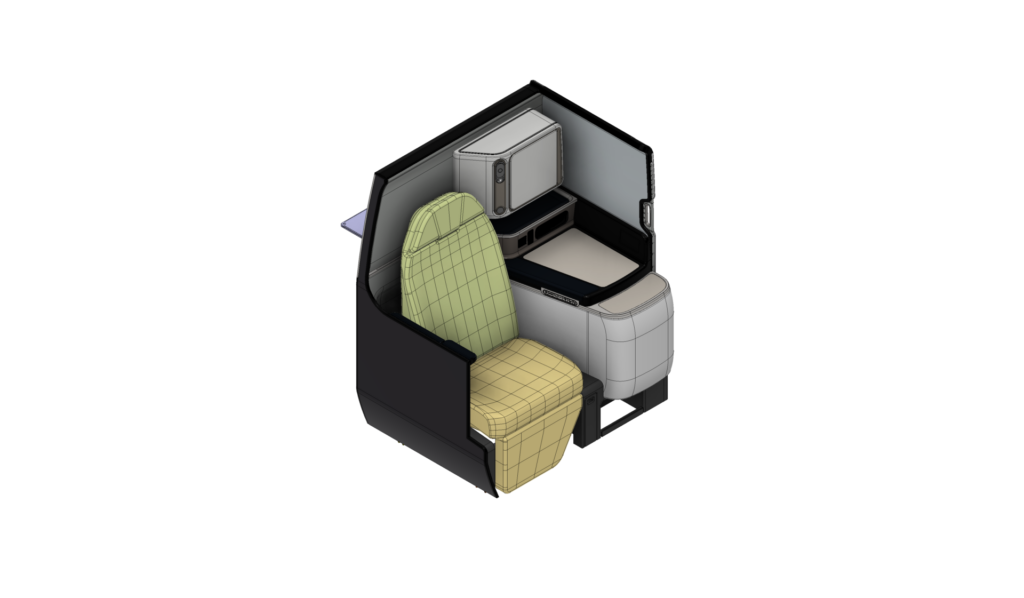
One of ACLA Studio’s latest seating projects is Summit, a wide-body, business-class seat developed for Elevate Aircraft Seating, a subsidiary of Boeing.
“When you’re designing a product like Summit, you’re not just designing a seat,” Cleary says. “You’re designing a sitting space, movie experience, dining experience, a work environment, and even a bedroom. We have to think about all the different ways a passenger will use this space during their flight.”
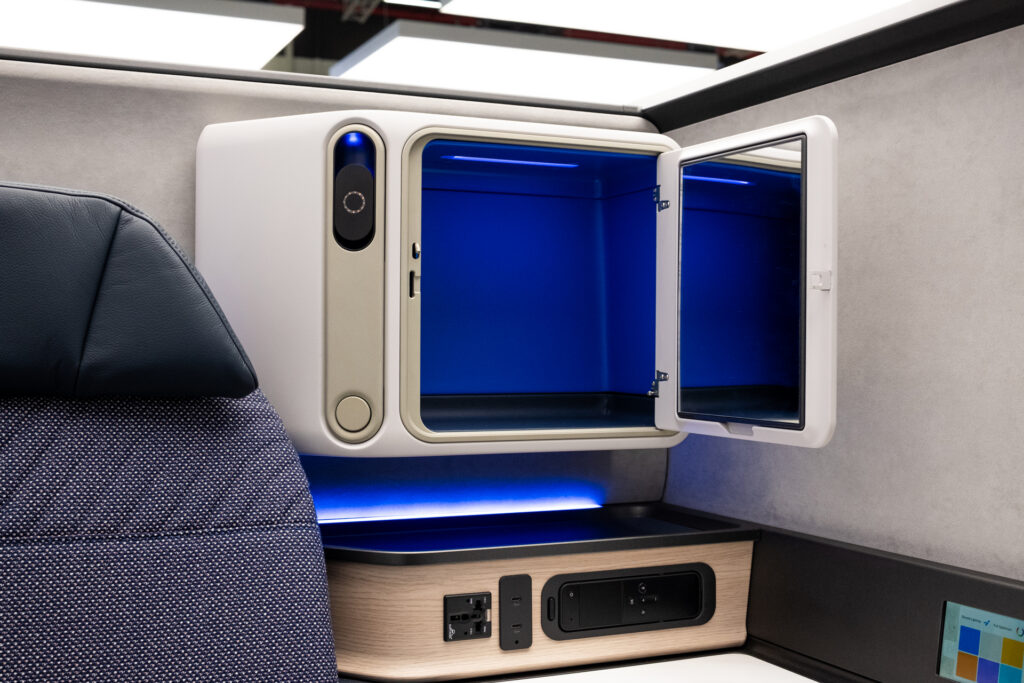
Space optimization was central to Summit’s development. ACLA Studio sought to give each passenger as much usable room as possible while incorporating a large in-flight entertainment screen, a meal table, wireless charging, and more. The seat also includes storage and a privacy panel that forms an enclosed personal space.
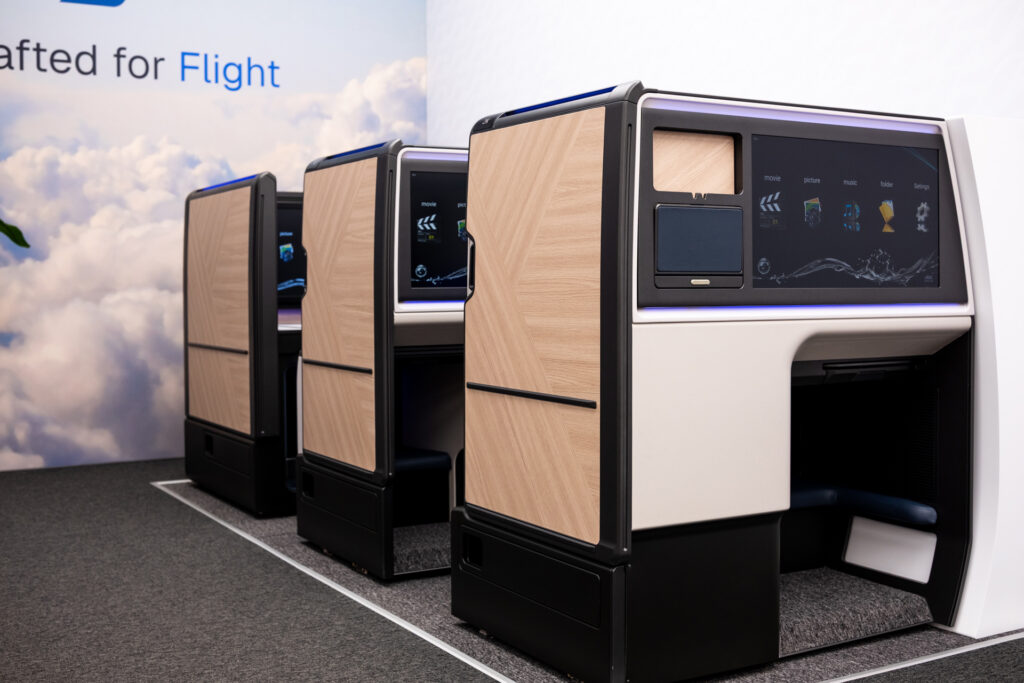
“The full geometry is brand new and is being really well received,” Carlioz says. “A lot of key little features and improvements to Elevate’s existing product make Summit a seat designed with the flexibility, comfort, and connectivity that tomorrow’s passengers expect.”
“With Fusion, the speed of concepting is very good. You can develop an idea quickly during the concept stage, then move into advanced surfacing and detailed design within the same platform. Fusion packs a great deal of capability into one platform.”
– Victor Carlioz, Co-founder, ACLA Studio
Bringing hospitality into the cabin with Perch
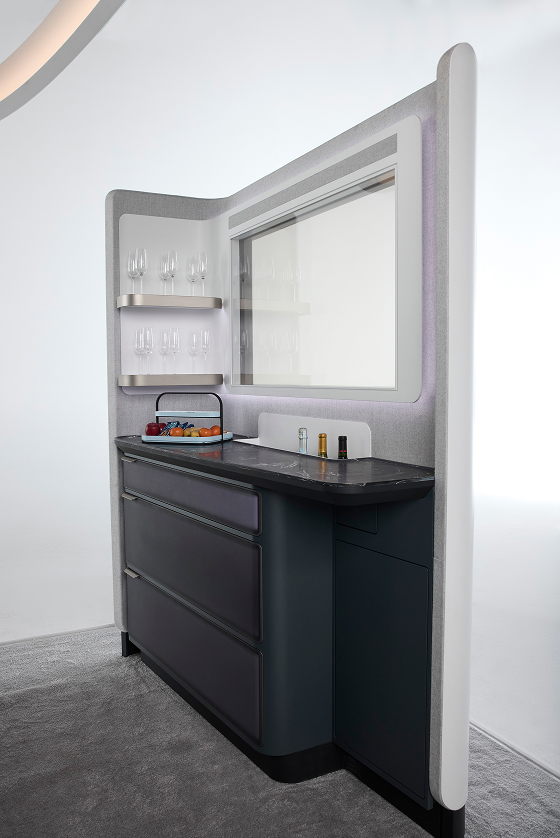
ACLA Studio’s work extends beyond individual passenger seats. The Boeing Perch explores how cabin areas can become destinations, too. The design reflects a broader shift toward self-service and simply giving passengers somewhere to spend time away from seats. The team approached the space with premium hospitality in mind.
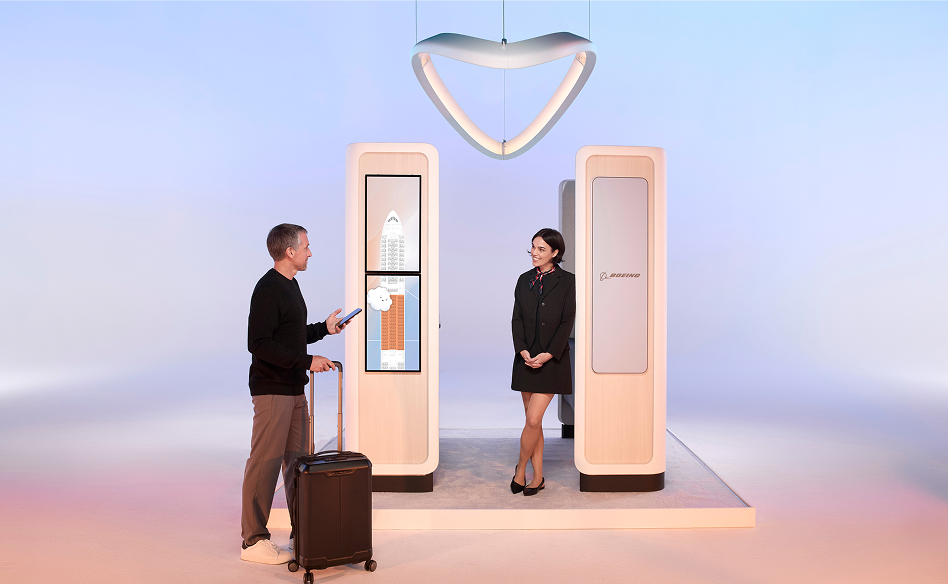
Because Perch may be among the first interior elements a passenger sees when boarding, the team reduced visual clutter and pursued the character of a refined piece of furniture.
“We really tried to find some simplicity and beauty in it,” Carlioz says. “It’s really meant to feel quiet, nice and just a simple, beautiful piece of furniture.”
A private workspace at cruising altitude
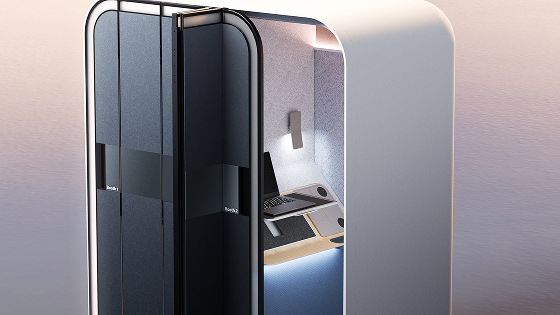
Another Boeing concept developed by ACLA Studio builds on the increasing availability of reliable in-flight connectivity. The team explored the idea of placing private, bookable pods inside an aircraft. The concept addresses a practical question: Where can a passenger hold a conversation or join an online meeting when others in the cabin are sleeping and simply not disturb others?
The fully functional prototype was recently presented at the Aircraft Interiors Expo. Unlike Summit, which is closer to production readiness, the private pod was intended to test interest and help airlines consider how the space might fit in their operations. Although the application is forward-looking, the team deliberately kept the design technically realistic.
“It’s very much grounded in reality,” Carlioz says.
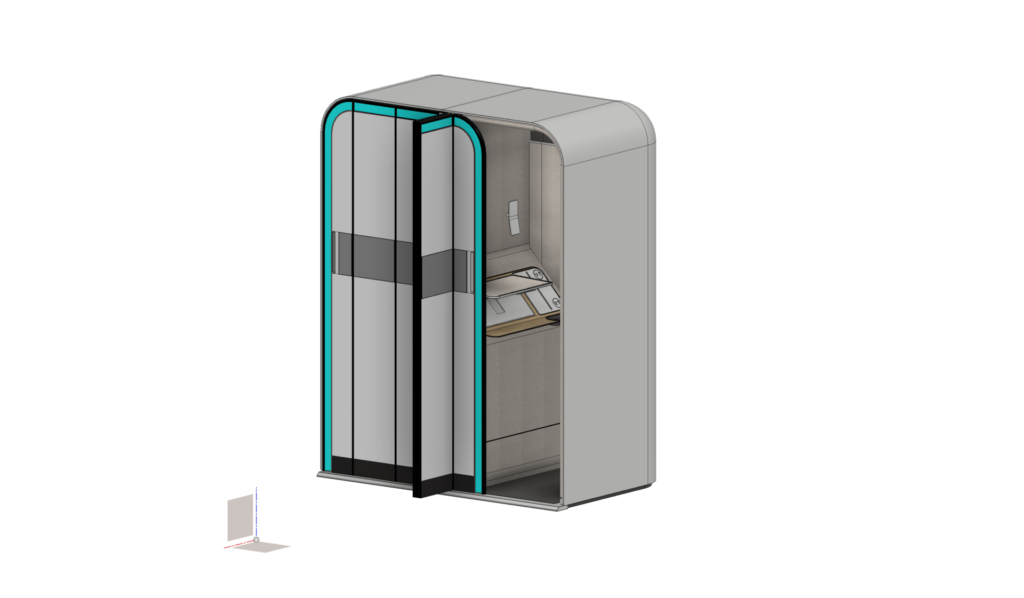
“The ability to import and work with different file types helps us because we’re working with so many different partners that may not be in Fusion. We can handle very large file sizes in Fusion, which is great because sometimes we’re dealing with these seat assemblies that have hundreds, if not thousands of components. We can still spin around the models, and that’s helpful because we’re not just dealing with two parts coming together.”
– Matt Cleary, Co-founder, ACLA Studio
Fusion at the center of a flexible workflow
Before founding ACLA Studio, both Cleary and Carlioz previously used CATIA.
“From the beginning, we knew CATIA would be too expensive and cumbersome for us as a start-up,” Cleary says. “With Fusion, the ability to collaborate with everyone in one shared space and the same files is a huge benefit for us. It also runs on a Mac, which is a bonus.”
Fusion was critical as the business expanded from two people working on laptops to a studio with approximately six regular Fusion users. Its cloud-based collaboration allows team members to work from a common data environment, while its import and export options help the team exchange information with outside partners using other systems.
ACLA Studio’s workflow often begins with solid modeling before moving into more advanced surfacing as a product matures. The inspection tools support surface evaluation, while the rendering workspace gives the team a fast way to review designs internally.
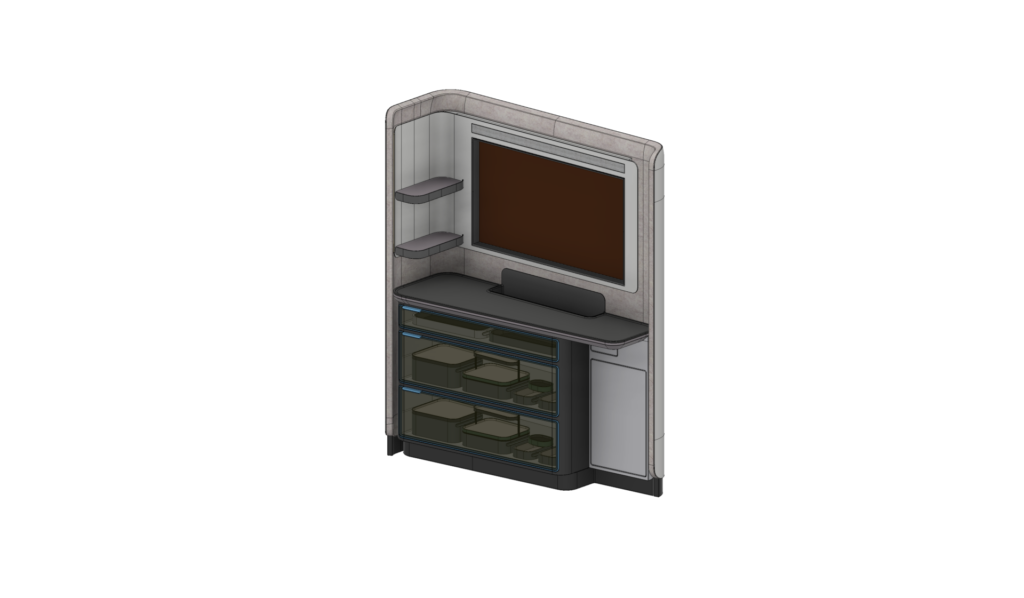
“The rendering tab is useful as a work tool to look at design internally,” Carlioz says. “It’s a tool that we can quickly look at a few ideas and it brings a little bit of depth.”
The team supplements Fusion with other software when a specialized task calls for it. For example, Blender may be used for certain mesh-based modeling with Fusion supporting the import and export of mesh data. This interoperability allows the studio to keep Fusion at the center of its workflow.
ACLA Studio takes flight
Now, ACLA Studio is continuing to expand and taking on new, ambitious projects, including one with Alaska Airlines.
“The fact that we’re able to grow the studio and grow the expertise within the software for eight years definitely speaks to the flexibility of the Fusion platform for our business,” Carlioz says.