 jodom4
Explore how personalization is reshaping furniture design and how Autodesk Fusion for Design helps designers create customizable, production‑ready furniture.

Elevate your design and manufacturing processes with Autodesk Fusion
Personalization has become the defining force in modern furniture design. Customers no longer want one‑size‑fits‑all products. They expect furniture that reflects their space, lifestyle, materials preferences, and aesthetic. From made‑to‑order cabinetry and modular seating to bespoke tables and shelving, furniture designers are being asked to deliver more variety, faster turnaround, and higher quality. This all needs to happen without increasing cost or complexity.
This shift is fundamentally changing how furniture is designed, engineered, and brought to market.
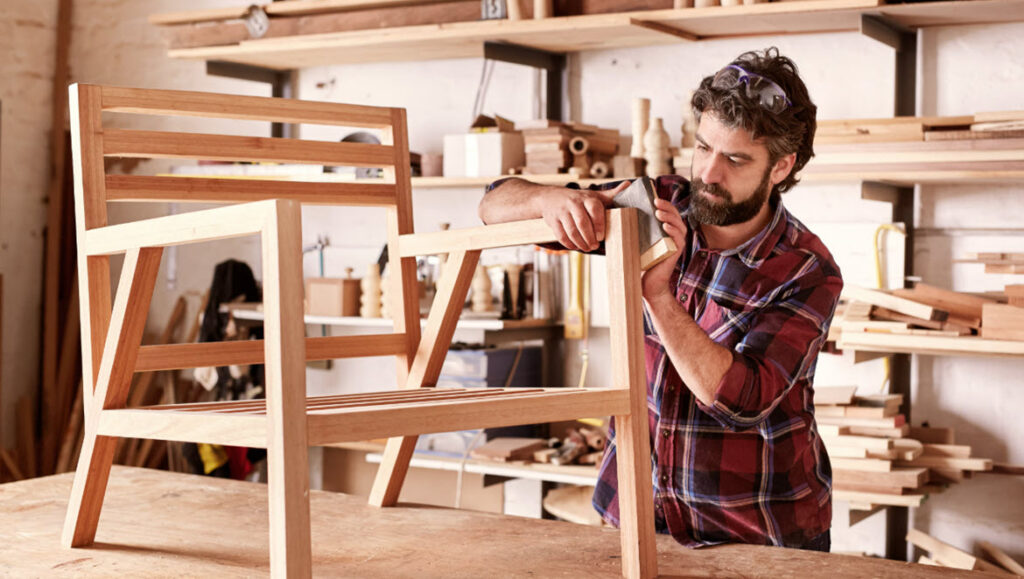
Why personalization is reshaping furniture design
Historically, furniture design balanced creativity with manufacturability. Today, designers must balance creativity, customization, and scalability at the same time. Customers want to adjust dimensions, finishes, materials, and configurations—often late in the buying process—while expecting accurate pricing, fast delivery, and flawless fit.
That creates real challenges:
- Design changes cascade through drawings, BOMs, and production plans
- Manual updates increase errors and rework
- Designers spend more time revising than designing
- Manufacturing teams struggle to keep up with variation
To succeed, furniture designers need tools that support parametric design, rapid iteration, and seamless handoff to production.
The role of digital design in personalized furniture
Modern furniture design software enables designers to work in 3D, define intent with parameters, and visualize variations before anything is built. Instead of redrawing every version, designers can create flexible models that adapt automatically when dimensions or materials change.
This digital approach helps furniture teams:
- Explore design options without starting over
- Validate fit, proportions, and ergonomics early
- Reduce material waste and prototyping costs
- Prepare production‑ready data for CNC and fabrication
As personalization scales, digital workflows aren’t optional—they’re essential.
From bespoke pieces to configurable product families
One of the biggest shifts in furniture design is the move from purely bespoke projects to configurable product families. Designers create a core design—such as a cabinet system or table—and allow controlled variation within defined rules.
This approach preserves design integrity while enabling customization at scale. But it only works if the design system can:
- Maintain relationships between parts
- Automatically update joinery and clearances
- Keep drawings and documentation in sync
- Support manufacturing constraints
That’s where modern, integrated design tools make the difference.
Fusion for Design: Built for modern furniture designers
Autodesk Fusion for Design brings together industrial design, parametric modeling, visualization, and collaboration in a single environment—making it well‑suited for furniture designers working in the age of personalization.
Instead of juggling disconnected tools, designers can move from concept to production‑ready design without breaking context.
Key ways Fusion supports personalized furniture design
Parametric modeling for controlled customization
Designers can define dimensions, proportions, and relationships once, then generate variations by changing parameters—ideal for cabinets, shelving, tables, and modular systems.
Flexible surface and form creation
Fusion combines precise parametric tools with freeform modeling, allowing designers to create both structured casework and expressive furniture forms in the same model.
Automated drawings and updates
When a design changes, drawings and documentation update automatically—reducing errors and saving time during revision cycles.
Design‑to‑fabrication readiness
Fusion connects design directly to manufacturing workflows, helping ensure personalized designs are still practical to build using CNC or traditional fabrication methods.
Cloud collaboration and version control
Designers, engineers, and fabricators can collaborate from a shared source of truth, making it easier to manage client‑driven changes and approvals.
Designing with confidence as complexity grows
Personalization increases complexity—but it doesn’t have to increase risk. By working in a connected design environment, furniture designers can validate ideas earlier, respond to client requests faster, and reduce downstream surprises.
Fusion for Design helps teams shift from reactive revisions to intent‑driven design, where change is expected, controlled, and manageable.
The future of furniture design
As personalization continues to shape the furniture industry, the most successful designers will be those who combine creativity with systems thinking. The future belongs to teams who can:
- Design once and adapt endlessly
- Balance aesthetics with manufacturability
- Deliver unique products without reinventing the wheel
Fusion for Design supports this future by giving furniture designers the tools they need to scale personalization—without sacrificing quality, creativity, or control.