 Shannon McGarry
Learn how automotive part manufacturers can overcome the challenge of lacking OEM data by using Autodesk Fusion to create accurate digital models, streamline operations, accelerate product launches, and improve collaboration and compliance.
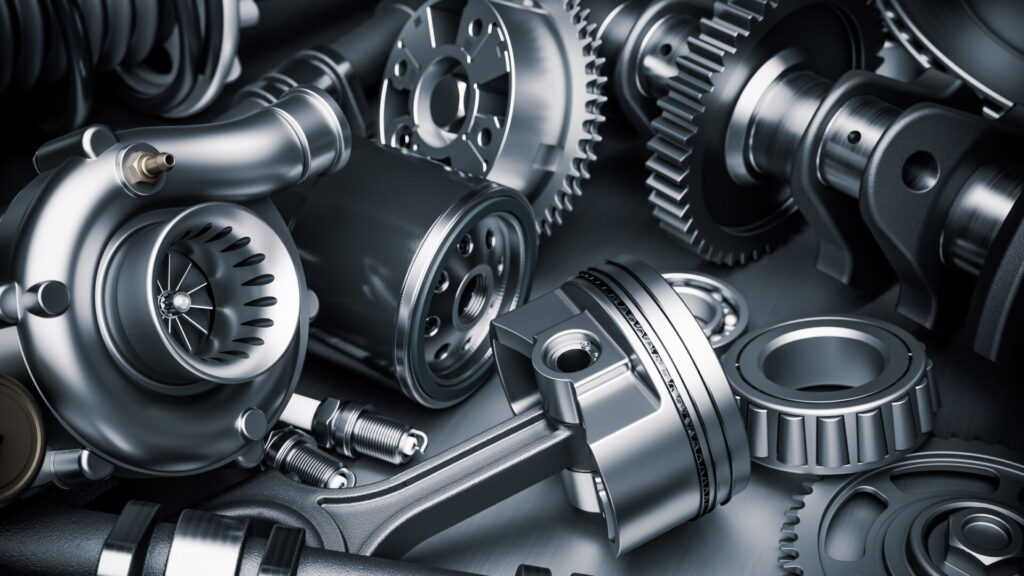
The lack of access to OEM CAD data is one of the most persistent challenges automotive part manufacturers face. This gap creates significant hurdles in designing, producing, and validating high-quality aftermarket and replacement parts. Learn how Autodesk Fusion can help automotive part manufacturers overcome these barriers and accelerate their path to market.

Elevate your design and manufacturing processes with Autodesk Fusion
The dilemma for automotive part manufacturers and why OEM data matters
For automotive part manufacturers, accurate CAD data is the foundation of efficient operations – from precise fitment to rapid prototyping to regulatory compliance. That said, OEMs rarely share their proprietary CAD files. This leaves manufacturers to navigate a maze of manual measurements, legacy drawings, and incomplete information. Key data challenges include:
- Data volume and complexity: Each part comes with a variety of dimensions, materials, compatibility, and regulatory requirements. Managing and updating data across thousands of SKUs can be challenging.
- Lack of standardization: OEMs often use different CAD systems and data standards. This forces custom part manufacturers to juggle multiple formats, leading to the risk of errors and delays.
- Hidden costs: Inefficient CAD data exchange wastes valuable engineering time, leads to expensive rework, and delays product launches. This ultimately hurts profit margins and competitiveness.
- Quality and compliance risks: Poor version control and data corruption can compromise part quality. This leads to fitment issues, customer dissatisfaction, and potential regulatory penalties.
The game changer for automotive part manufacturers – Autodesk Fusion
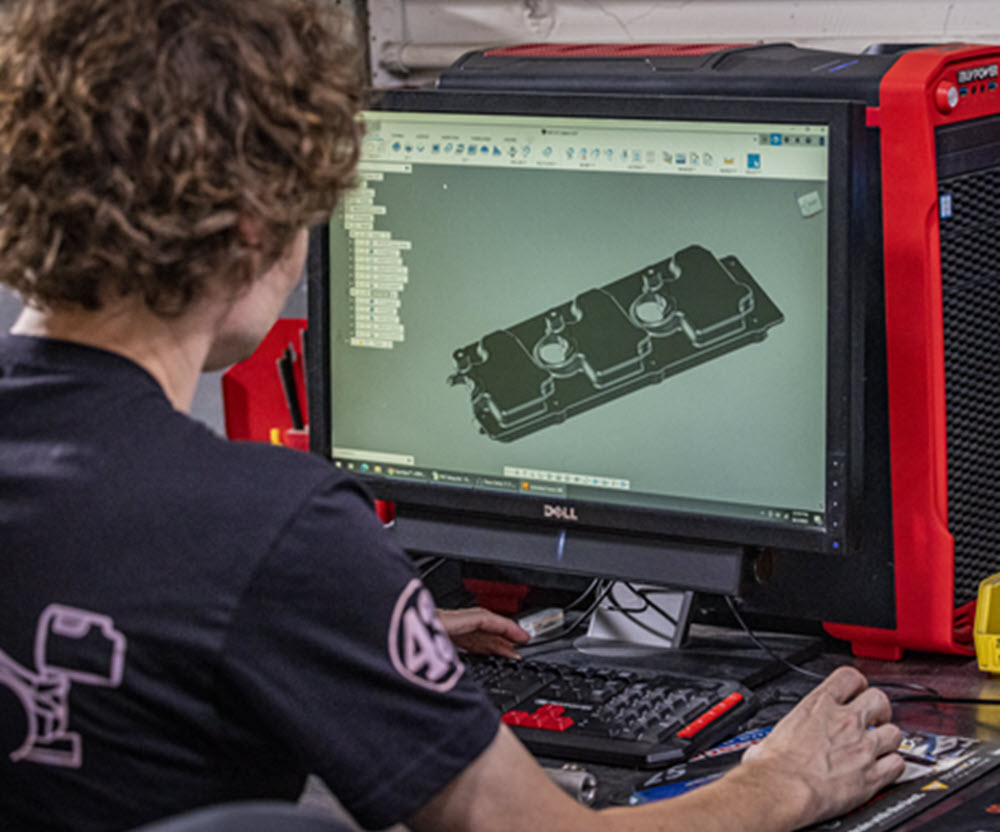
Fusion’s integrated scan-to-CAD workflow is changing the game for automotive part manufacturers by bridging the gap with OEM data. Using advanced scanning, automatic mesh-to-solid conversion, and powerful organic modeling tools, manufacturers can quickly turn physical parts into accurate digital models without needing OEM CAD files. Key benefits include:
- Direct 3D scan import: With Fusion, you can easily import high-resolution 3D scans from devices like peel 3D scanners, capturing every detail of the original part for digital reconstruction.
- Automated mesh-to-solid conversion: The mesh workspace automates the process of turning scanned meshes into solid CAD models, saving time and reducing errors.
- T-spline technology: The T-spline tools in Fusion are great at reconstructing complex, organic shapes found in automotive components, making sure digital models closely match the original physical parts.
Benefits
Th scan-to-CAD workflow in Fusion can cut modeling time by up to 60% compared to traditional manual methods. This allows for faster prototyping and the ability to quickly to market demands. High-fidelity 3D scans ensure digital models are accurate reflections of physical parts, reducing the risk of fitment issues and costly rework. Automated processes also minimize human error, and ensure consistent data quality across product lines.
With precise digital models, automotive part manufacturers can easily modify or enhance parts, fostering innovation for niche markets, custom builds, or vintage vehicle restorations. Rapid iteration and prototyping allows automotive part manufacturers to stay ahead of ever-changing customer needs. By automating much of the reverse engineering process, Fusion allows skilled engineers to focus on value-added design and innovation rather than repetitive modeling tasks. This reduces the need for multiple CAD software licenses and specialized staff to manage various OEM data formats.
Standardized digital models make collaboration with suppliers and customers easier, while improving data exchange and reducing the risk of miscommunication. Further, efficient CAD workflows support compliance with industry standards and regulatory requirements, minimizing the risk of costly errors.
By adopting advanced digital tools like Fusion, automotive part manufacturers can:
- Accelerate product launches and reduce time-to-market
- Improve the quality and reliability of their parts
- Create stronger, more transparent relationships with OEMs and other supply chain partners
For automotive part manufacturers, the lack of OEM CAD data has long been a costly and frustrating barrier. The advanced scan-to-CAD workflow in Fusion, featuring direct 3D scan import, automated mesh-to-solid conversion, and powerful T-Spline modelin offers a transformative solution.
Take the next step with Fusion to to overcome data challenges, streamline operations, and drive the next wave of automotive innovation within your organization.