-

Forecasting water system performance by connecting SCADA and hydraulic models
Utilities are increasingly expected to move faster – from reacting to system conditions to anticipating what comes next. In a recent Autodesk Water Drop walkthrough video, Tim Medearis walks you through how utilities can compare real-time SCADA data with hydraulic model results and forecast future system behavior by connecting Info360 Insight and InfoWater Pro. These…
Hydraulic modeling
-

Is the InfoDrainage ML Deluge tool ‘the future in drainage AI?’
Autodesk AI inside InfoDrainage represents a leap forward in drainage design technology, bringing Machine Learning capabilities directly into the workflows that engineers use daily. This artificial intelligence integration, powered by the InfoDrainage Machine Learning Deluge tool, may transform how professionals approach overland flow analysis and stormwater control placement. That is the set-up for Civil Tech…
Drainage design
-
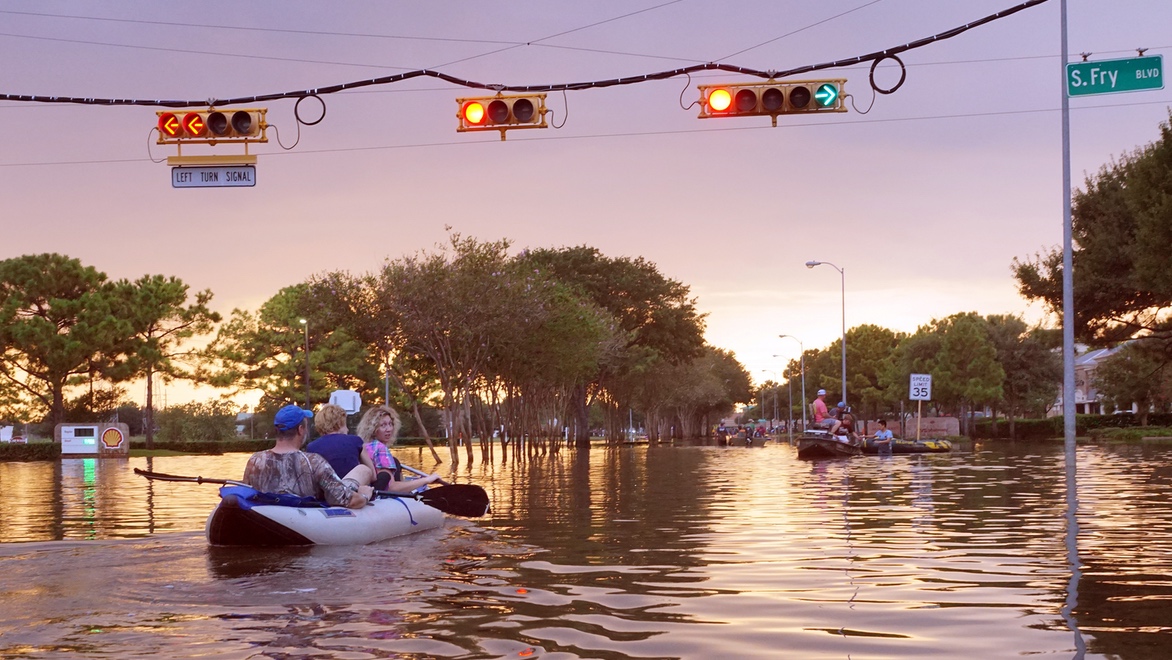
Houston’s Stormwater Master Plan: a modern approach to citywide modeling
Houston’s relationship with water has always been complex. Sometimes called the “Bayou City”, Houston has been flooding since it was founded in 1836. Flat terrain, lots of concrete, expansive development, its position near the coast, and increasingly intense rainfall events have made stormwater management one of the city’s most critical infrastructure challenges. But they’ve been…
Storm, sewer, flood
-
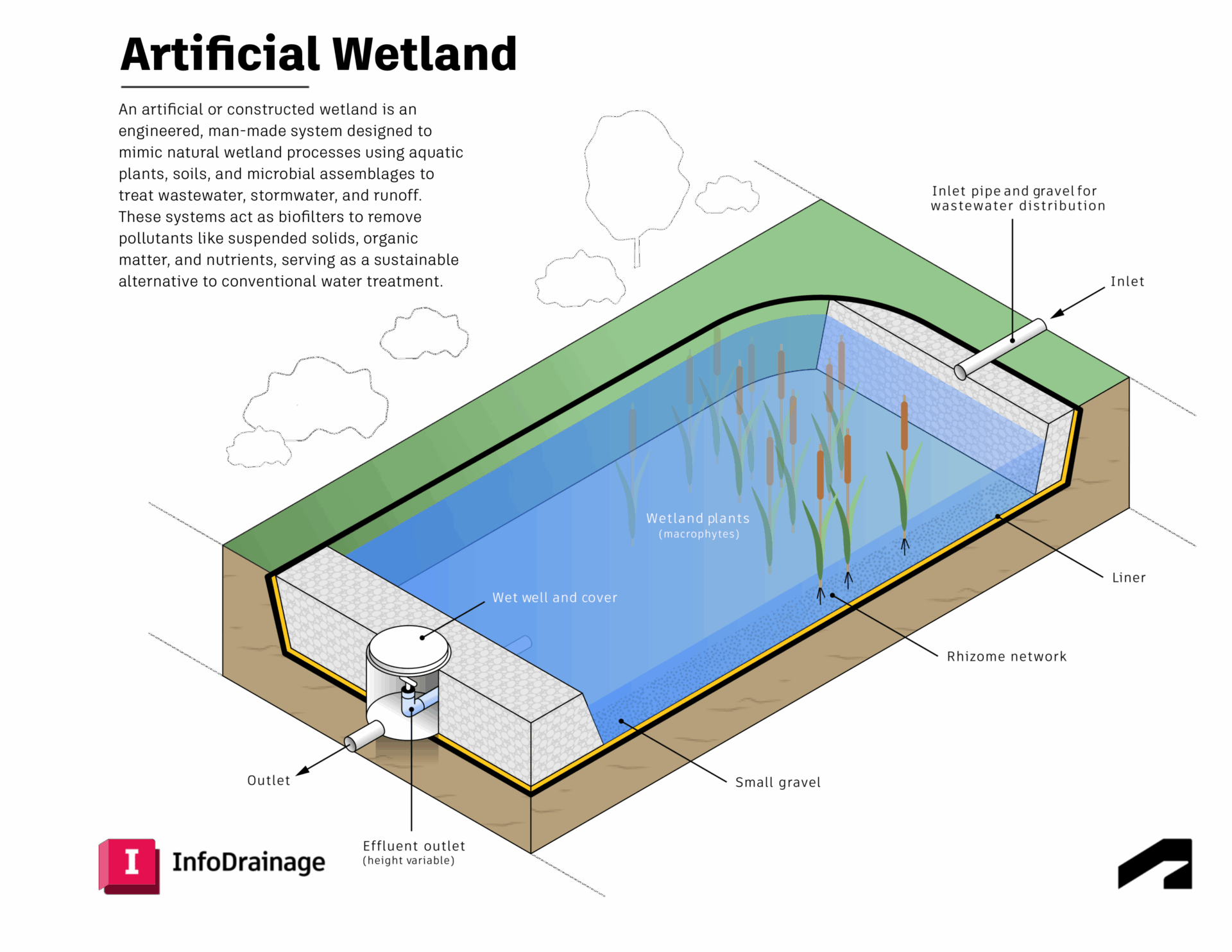
Artificial and constructed wetlands: sustainable drainage superstars
Artificial wetlands are a common feature of Sustainable Drainage Systems (SuDS) and are widely used in urban drainage design to manage stormwater and rainwater runoff, as well as promote sustainable drainage practices. An artificial wetland is a constructed ecosystem designed to manage water and pollution through engineered processes that are designed to mimic natural processes…
Sustainability
-
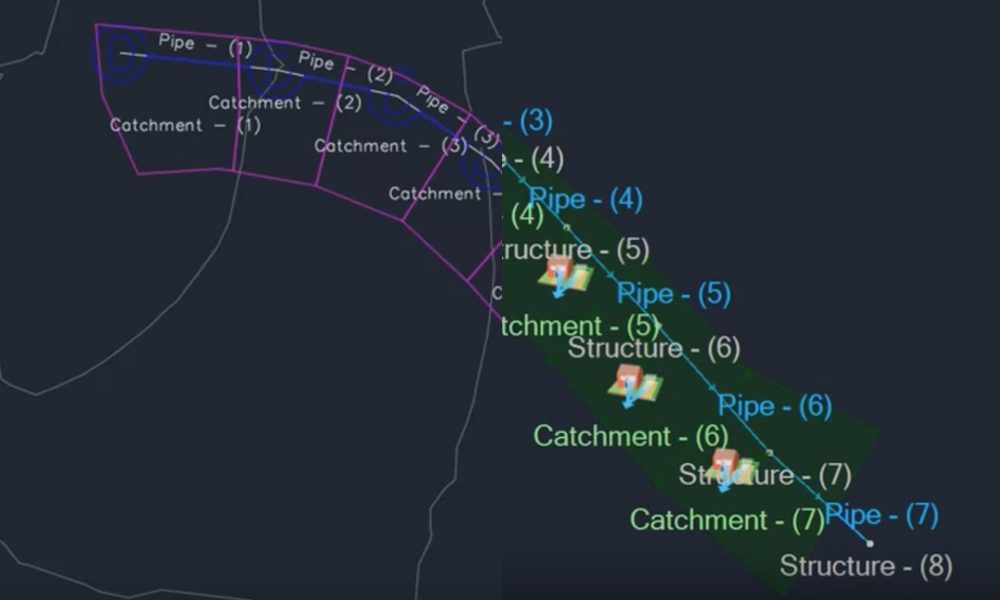
‘Transforming Drainage Design with AECOM’ using InfoDrainage + Civil 3D
As climate volatility and urban growth intensify, drainage systems are becoming a frontline resilience challenge. Across the UK and globally, heavier storms and expanding impermeable surfaces are overwhelming legacy sewer networks and increasing flood risk. These are a few reasons why regulation has been shifting toward more sustainable outcomes – and that’s why SuDS (Sustainable…
Drainage design
-
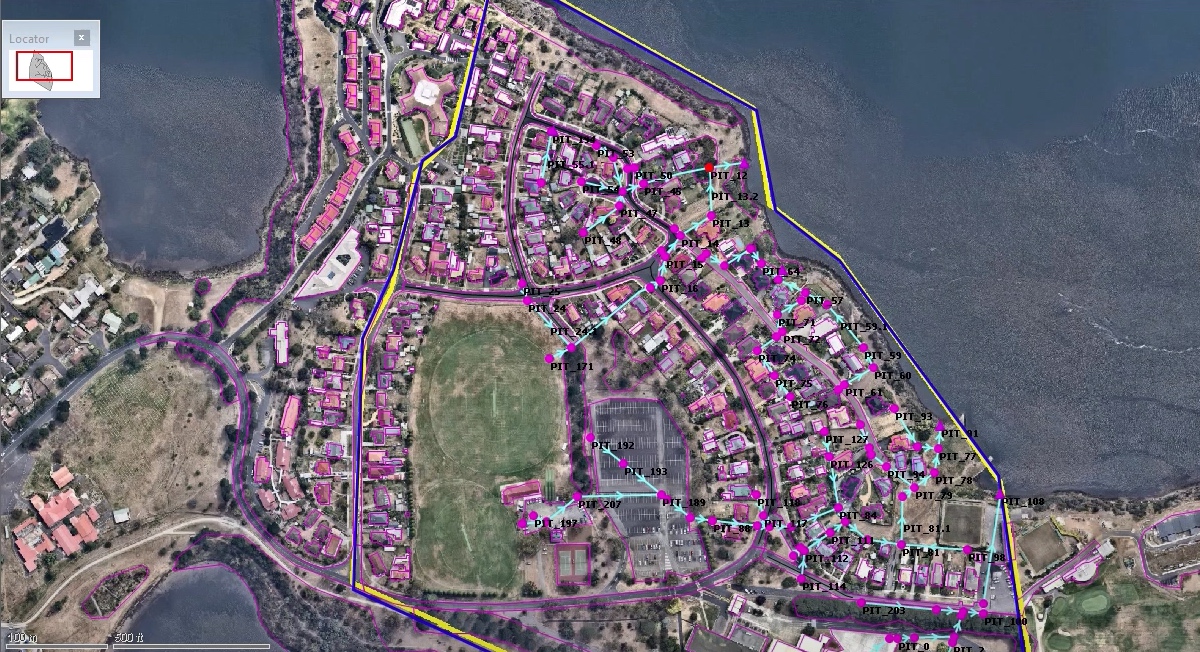
InfoWorks ICM 2026.3: Raster workflows, expanded subgrid meshing, 2D boundaries, and a more polished interface
As urban drainage and flood modeling challenges continue to grow in complexity, modelers need tools that can scale with larger datasets, richer terrain detail, and increasingly global data sources, without adding friction to everyday workflows. In InfoWorks ICM 2026.3, we’ve focused on strengthening some of the most heavily used parts of the platform: raster-based workflows,…
Product news
-
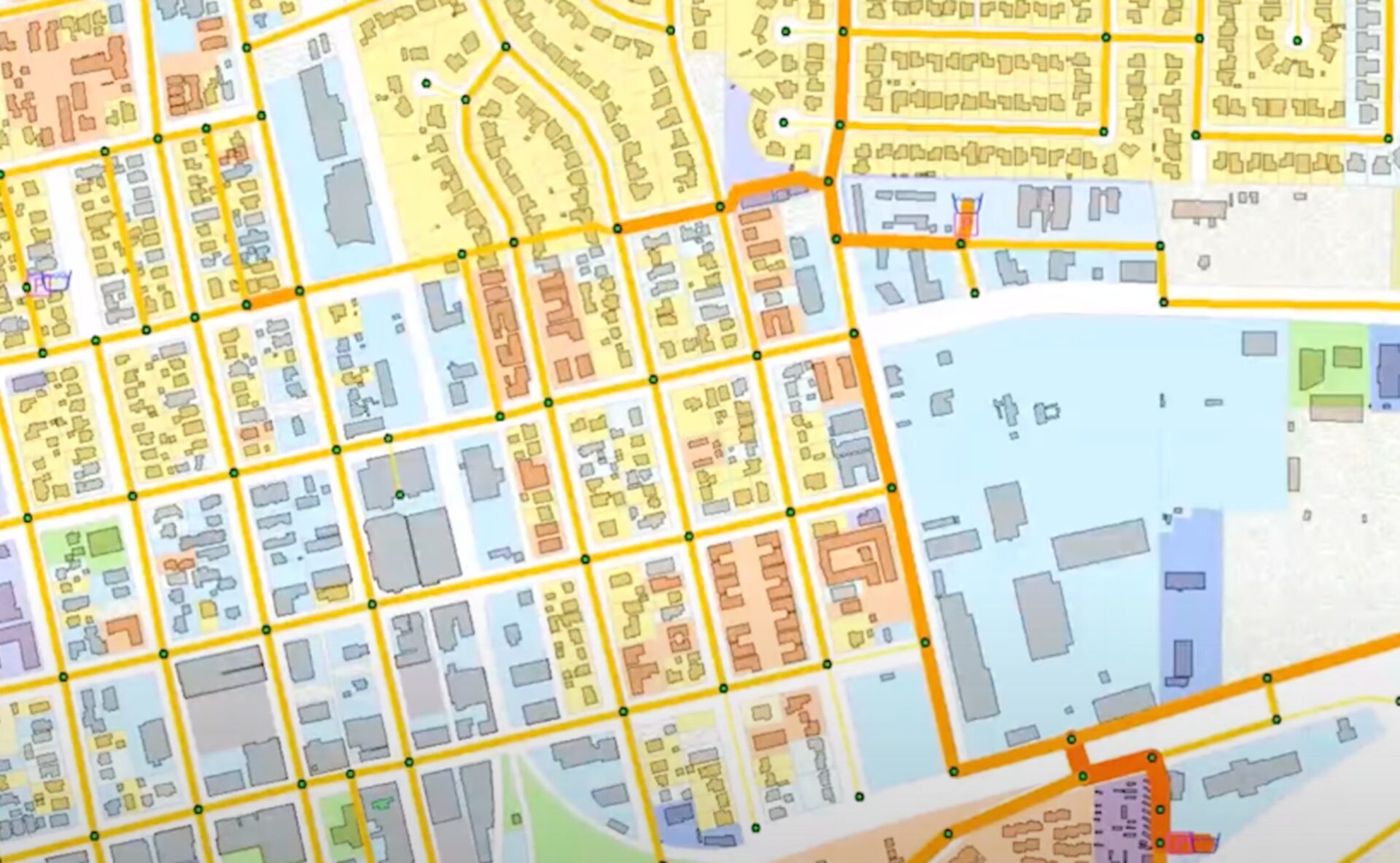
Make smarter asset decisions and get better fire flow insights in InfoWater Pro 2026.2
Water utilities are under increasing pressure to do more with limited resources by prioritizing the right assets, validating system capacity, and delivering reliable results they can trust. Hydraulic models play a critical role in these decisions, but only when insights are easy to generate, easy to explain, and grounded in real-world system behavior. In InfoWater…
Product news
-
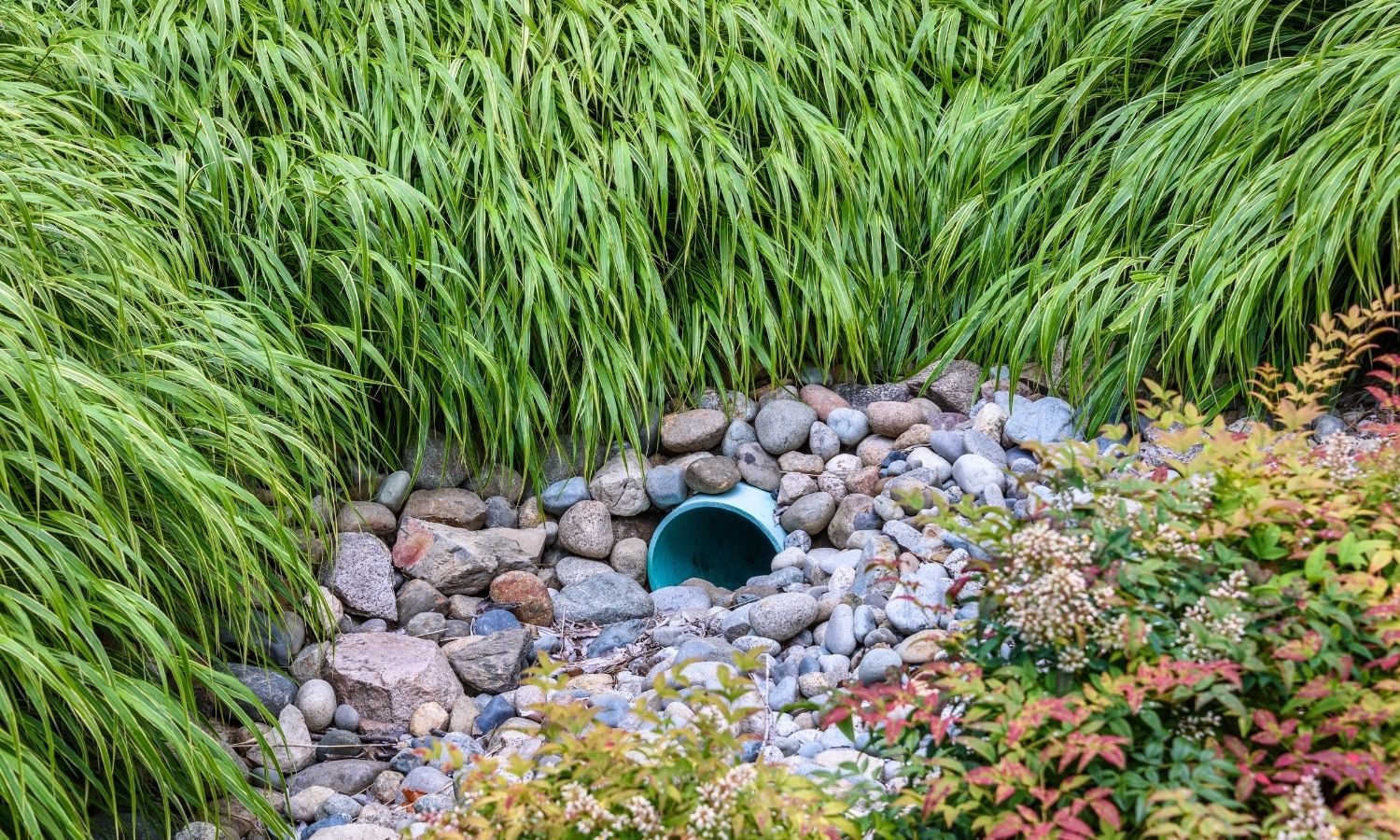
Best practice in sustainable drainage design: what’s holding SuDS approaches back — and what to do about it
As urban areas densify and climate-driven flood risk increases, Sustainable Drainage Systems (SuDS) have shifted from “nice to have” to essential — and in many places, effectively planning-required. Yet many organisations still struggle to deliver SuDS consistently due to fragmented processes, inconsistent requirements, skills shortages, and slow approvals. In our latest webinar, which was hosted…
Sustainability
-
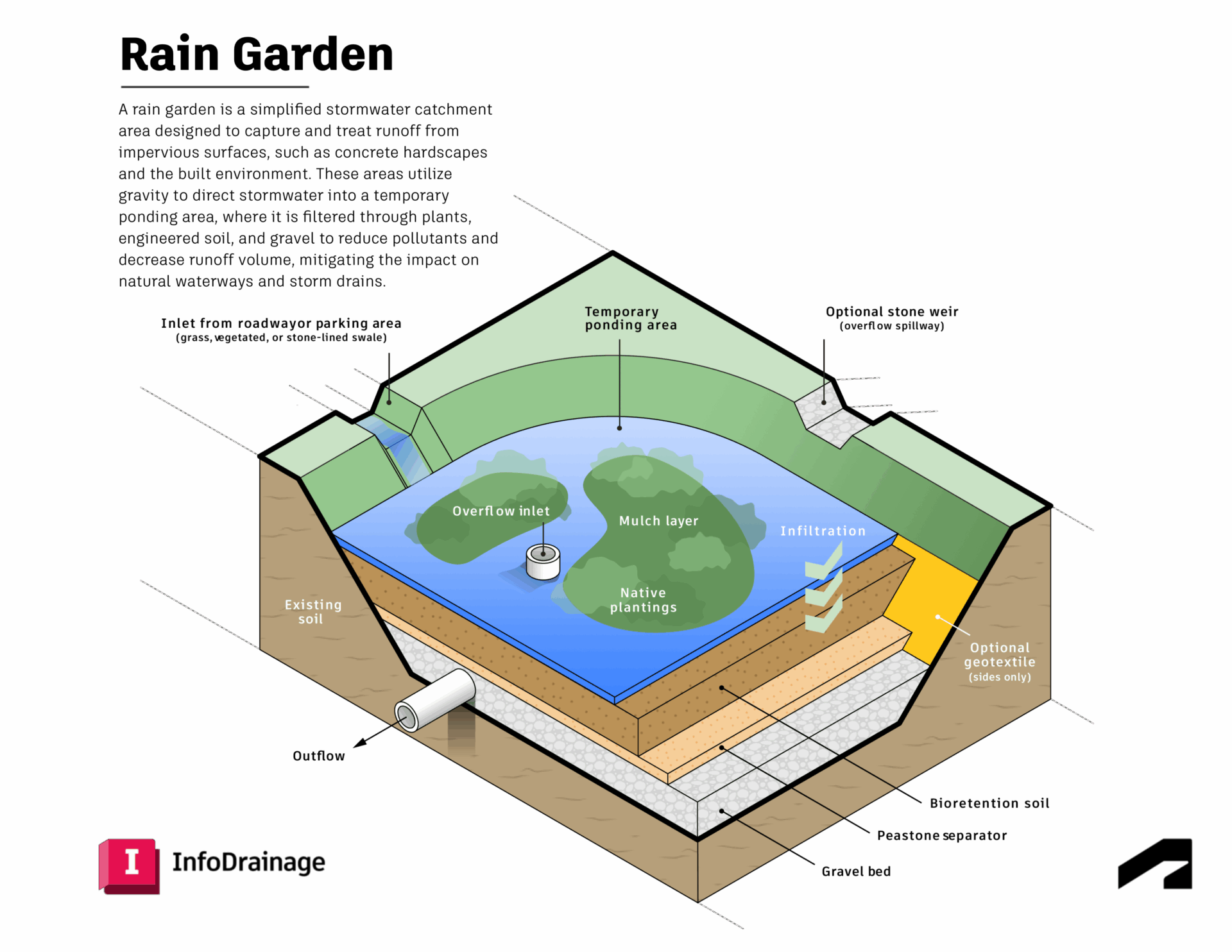
How professionals design rain gardens to effectively control stormwater runoff
Rain gardens are a common feature of Sustainable Drainage Systems (SuDS) and are widely used in urban drainage design to manage stormwater and rainwater runoff, as well as promote sustainable drainage practices. In the urban environment, hard or impervious surfaces often block the natural process of infiltration, which means rainwater can’t soak into the ground.…
Drainage design
-
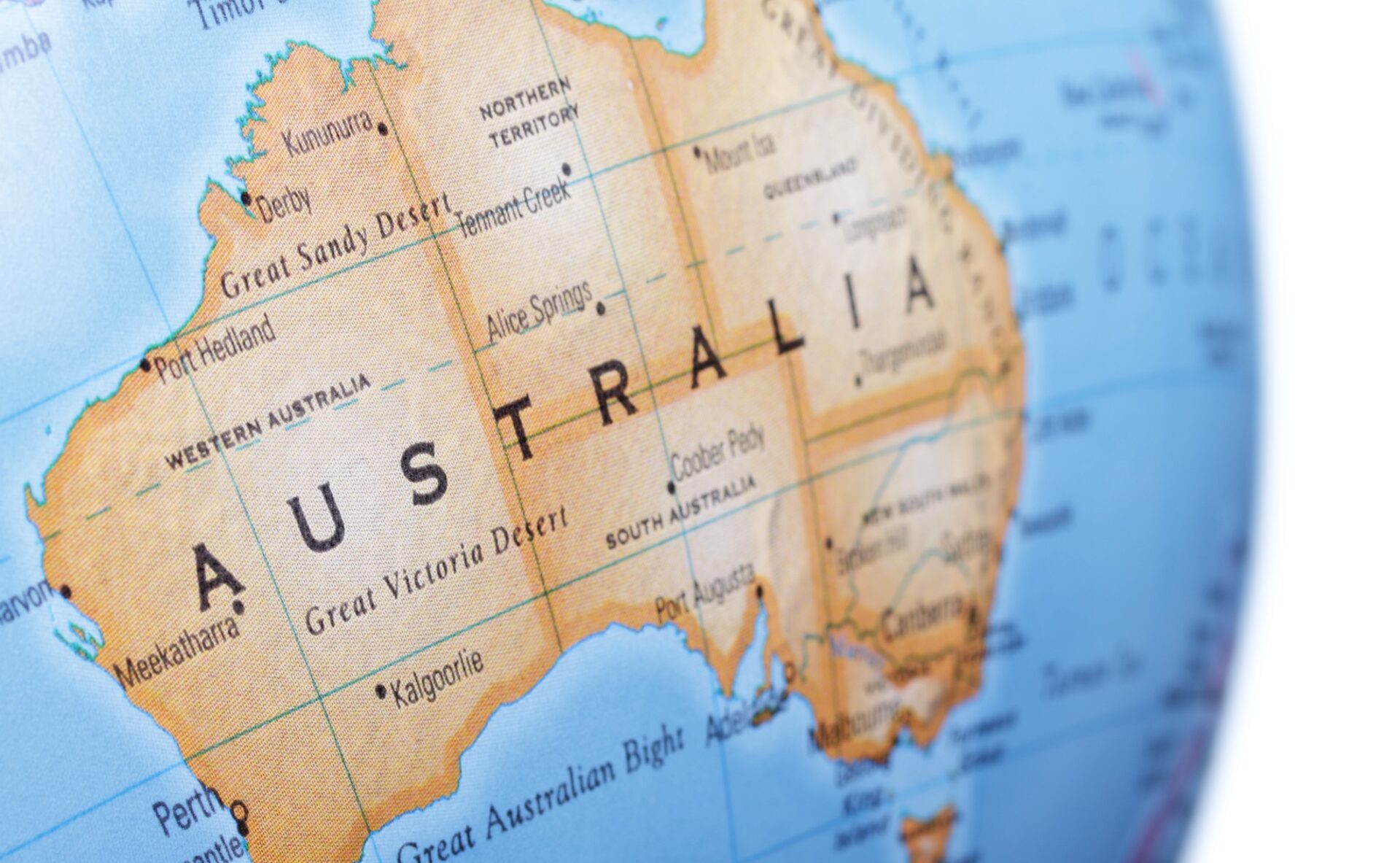
Implementing the updated Australian Rainfall and Runoff guidelines to account for climate change
With heavy short-term rainfall events becoming more intense, it’s critical that Australia’s flood maps are dynamically altered to include the most up-to-date ARR guidelines. Because our software offers customizable rainfall calculations, you can adjust equations to go beyond standard calculations – to account for climate change or to apply specific details that affect your location. Australia is…
Storm, sewer, flood