-

From Civil 3D to preliminary stormwater design: 5 InfoDrainage workflows
This tutorial series demonstrates an integrated Civil 3D and InfoDrainage workflow for preliminary stormwater design—from the initial site plan and pipe network through hydrologic analysis, hydraulic modeling, detention pond sizing, and design reporting. Want to follow along with the tutorials? We’ve put together a demo dataset containing the files used throughout all five workflows. The…
Drainage design
-
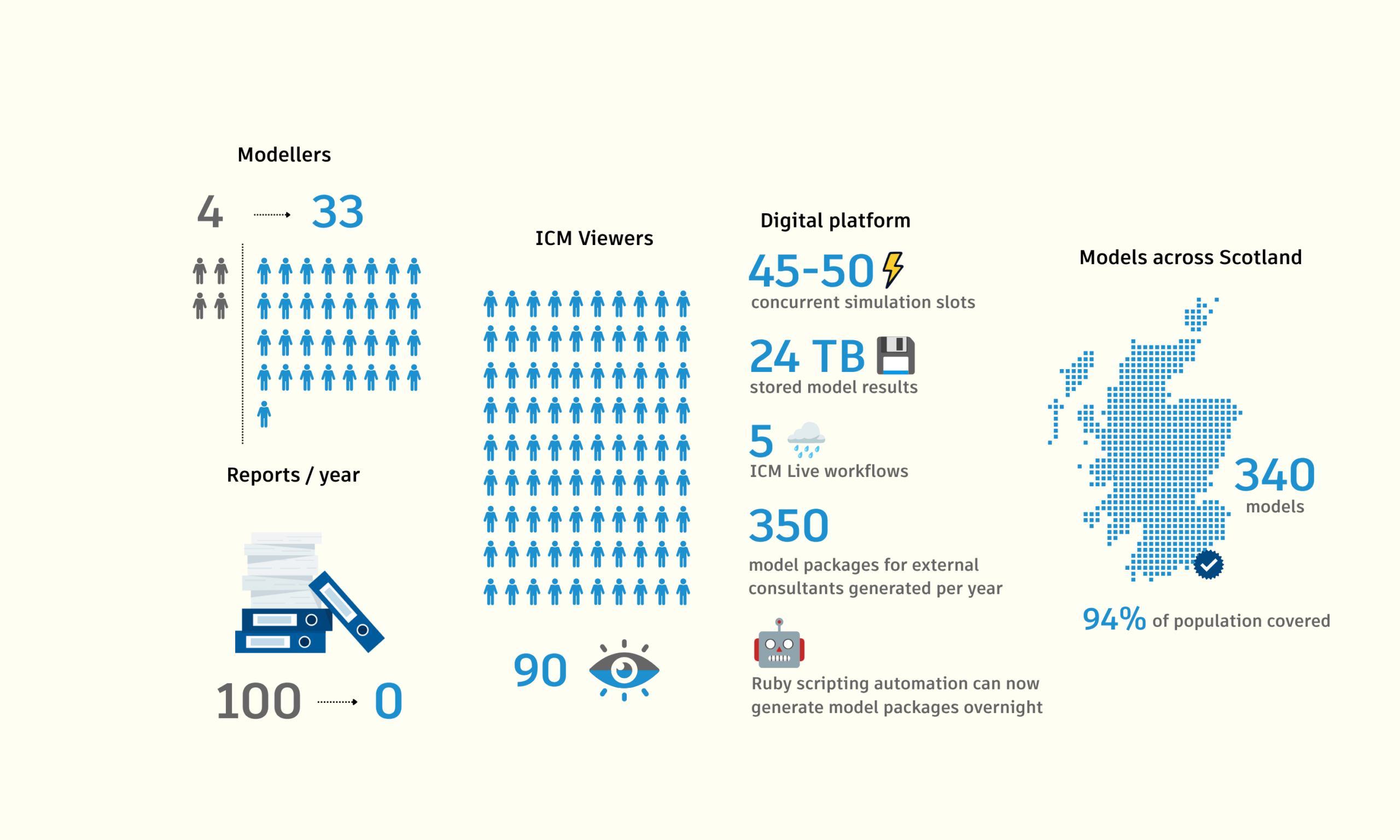
How Scottish Water transformed their hydraulic modelling – and stopped writing 100 reports per year
Digital transformation is often associated with adopting new technology, but for Scottish Water, it began with a much simpler question: How can we free engineers to spend more time engineering? Just over a decade ago, Scottish Water’s hydraulic modellers were producing more than 100 flooding reports every year. Today – remarkably – they produce none.…
Hydraulic modeling
-

How adaptive management and InfoWorks ICM helped KC Water save millions
Kansas City, Missouri, like many older US cities, has a big sewer challenge hiding beneath its streets. They’ve taken on the challenge of defeating sewer overflows using the power of hydraulic modeling. KC Water serves a growing metropolitan area with thousands of miles of sewer pipe, 40 sewer pump stations, 27 satellite communities, and one…
Customer stories
-

How customer feedback helps shape InfoDrainage
Every engineer has had the same thought right after submitting a feature request: “I wonder if anyone will actually read this.” We do. Many of the improvements in InfoDrainage begin with a simple observation: “I really wish it could do this:” Here are three examples of customer ideas from InfoDrainage customers that became reality. Customer…
Product news
-
InfoWorks ICM 2027.1: AI-powered assistance, richer Esri mapping, and smarter Network Design
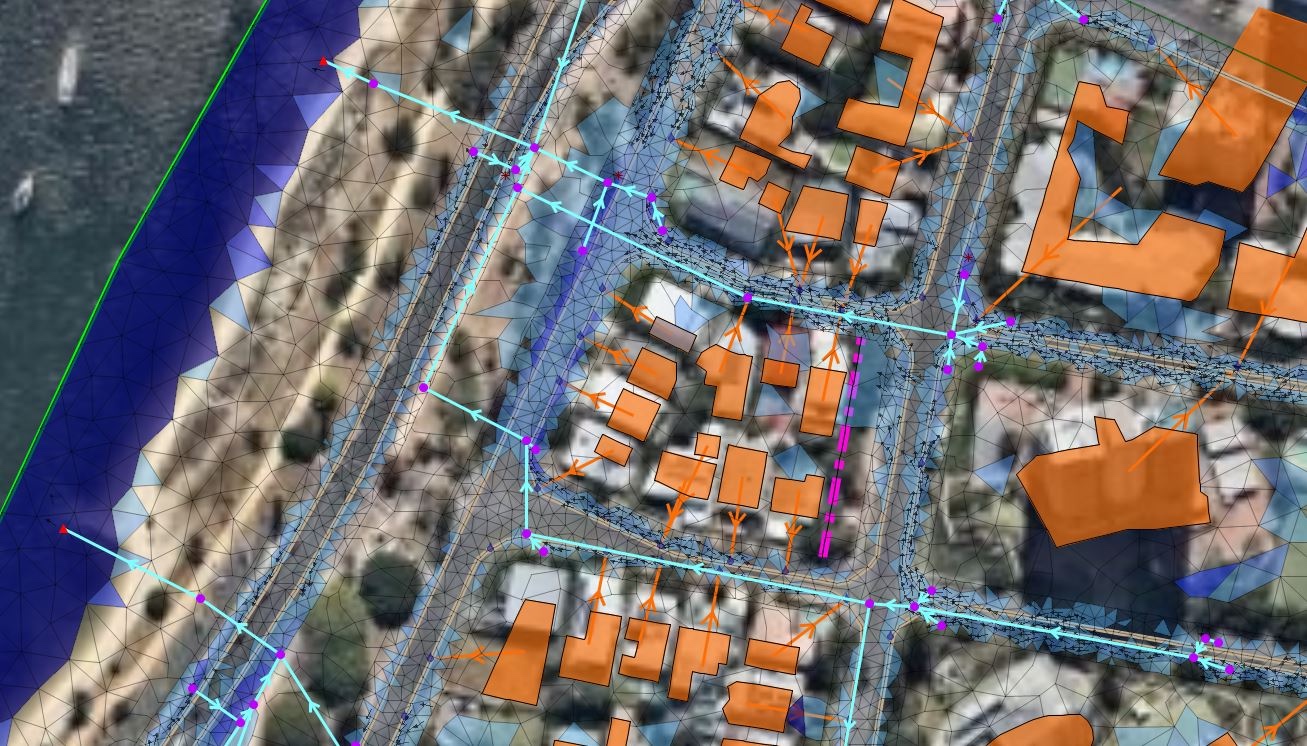
InfoWorks ICM 2027.1 is now available, introducing new capabilities that help water professionals work more efficiently, visualize models with greater context, and streamline network design workflows. The latest InfoWorks ICM release brings Autodesk Assistant directly into InfoWorks ICM, making it easier to access guidance without leaving the modelling environment. We’ve also expanded GIS integration with…
Product news
-

The ‘Big Room’: A community for water infrastructure professionals
Autodesk’s Big Room is an online customer community designed to help AECO professionals connect, learn, and share knowledge. For water industry professionals, it’s becoming a space for collaboration around digital delivery, infrastructure modernization, and practical problem solving. Do you regularly participate in online forums designed for water professionals? Whether the answer is yes or no,…
Industry news
-
InfoWorks WS Pro 2027.1: Richer mapping, smarter support, better workflows
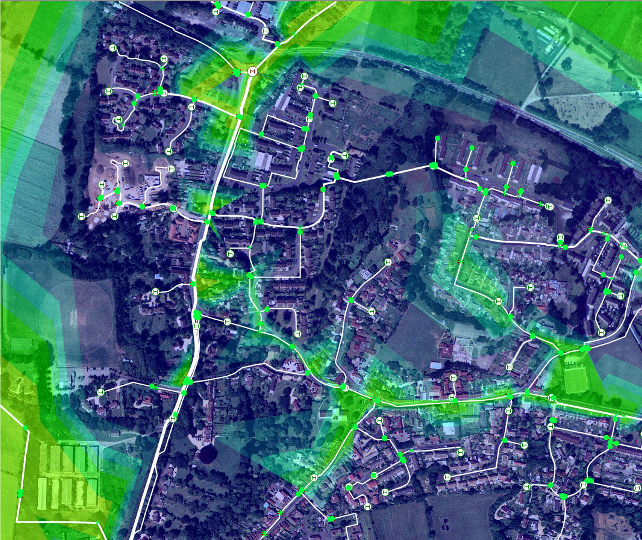
InoWorks WS Pro 2027.1 brings seamless access to Esri basemaps through the ArcGIS Maps Map Control, introduces Autodesk Assistant as a Technical Preview within InfoWorks WS Pro, and includes a range of usability improvements designed to help modelers work more efficiently. Together, these enhancements make it easier to build, analyze, and communicate water network models…
Product news
-

What is a ‘Sponge City’? Examples, benefits, and Kongjian Yu’s vision
Sponge cities are urban areas designed to absorb, store, filter, and reuse rainwater through green infrastructure, wetlands, permeable surfaces, and sustainable drainage systems. Instead of rapidly channeling stormwater away through pipes, sponge cities work with natural water cycles to reduce flooding, improve water quality, recharge groundwater, and increase climate resilience. Cities are facing two contradictory…
Commentary
-

InfoDrainage 2027.1 adds Autodesk Assistant
InfoDrainage 2027.1 is now available, delivering new capabilities designed to help drainage engineers work more efficiently, model real-world conditions more accurately, and gain greater confidence in their results. In this latest version, Autodesk Assistant is now directly available within InfoDrainage, making it easier than ever to access guidance and support without interrupting your workflow. We’ve…
Product news
-

Coming to Esri UC 2026? Stop by or book a time slot.
The Esri User Conference returns to the San Diego Convention Center this July 13–17, bringing together thousands of GIS professionals, infrastructure leaders, technology experts, and innovators. It’s the world’s largest GIS event, focused on the latest advances in ArcGIS and the role of location intelligence in helping organizations solve problems, make decisions, and shape the…
Events