-

Bristol Water’s reverse trace method for finding the source of water quality problems
Bristol Water has provided clean, fresh drinking water to its customers since 1846. Today, Bristol Water serves over 1 million people in the city of Bristol and surrounding areas in the west of England. As part of its business plan, Bristol Water undertook its largest-ever program of customer engagement by inviting customers to participate in…
Customer stories
-

4 new Water Drop videos: templatizing, SQL, water quality workflows
We are back with another edition of Water Drops, wherein we share four new workflow videos. We have been releasing new videos every month since we began releasing them six moons ago. You can find them all on our YouTube channel playlist. Subscribe and turn on notifications and you’ll be alerted whenever a new batch drops. …
Water Talks
-
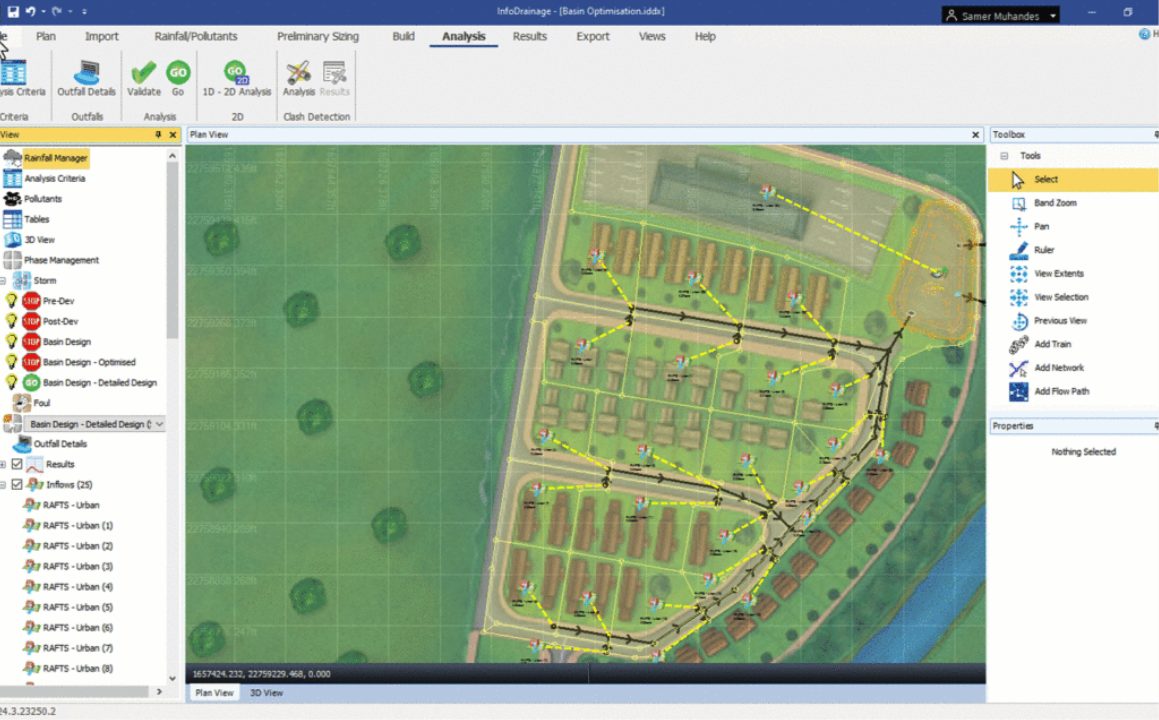
InfoDrainage 2024.3: Cloud Analysis, Clash Detection, HEC22 Advanced Inlet Analysis
The latest update of InfoDrainage is here, with advanced clash detection for stormwater controls, cloud simulation analysis tools, and advanced HEC22 Inlet analysis capability. InfoDrainage 2024.3 builds off the most advanced, user-friendly solution in drainage system design to make it even better. In this post, we’ll walk through what these improvements mean for you, and…
Product news
-

Join Autodesk at WEFTEC 2023: What to expect every day
WEFTEC 2023 is upon us, and many of our water industry experts are headed to Chicago ready to speak about customer needs across the entire water industry. We’ll also have product demonstrations available for anyone who’s interested in adding an Autodesk water industry product to their toolbelt or making the switch to Autodesk’s water solutions…
Events
-
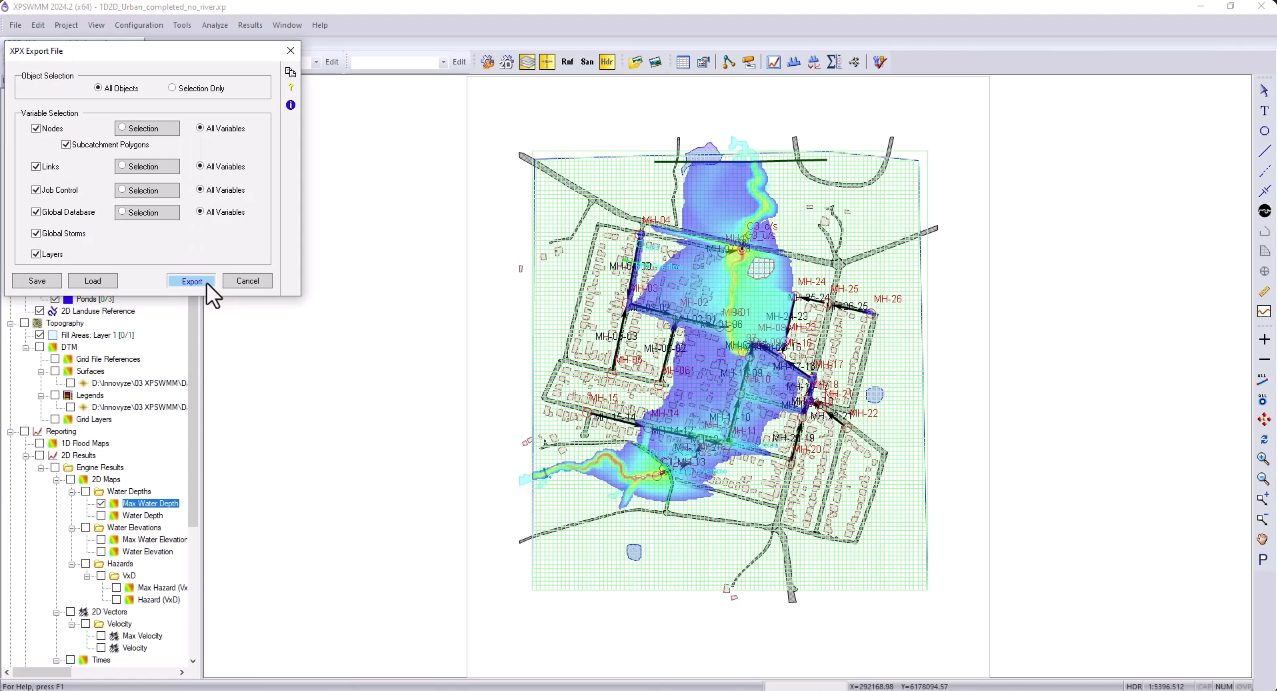
The easiest way to migrate XPSWMM files into InfoWorks ICM: XP Importer
Twenty years on from the first release of XPSWMM, the water industry has demanded simulation solutions that can efficiently handle large data sets and help modelers understand advanced flow conditions across multiple catchments, and simultaneously model different climate scenarios and mitigation options. It’s this demand for powerful modern modeling tools that drove our team to…
Product news
-
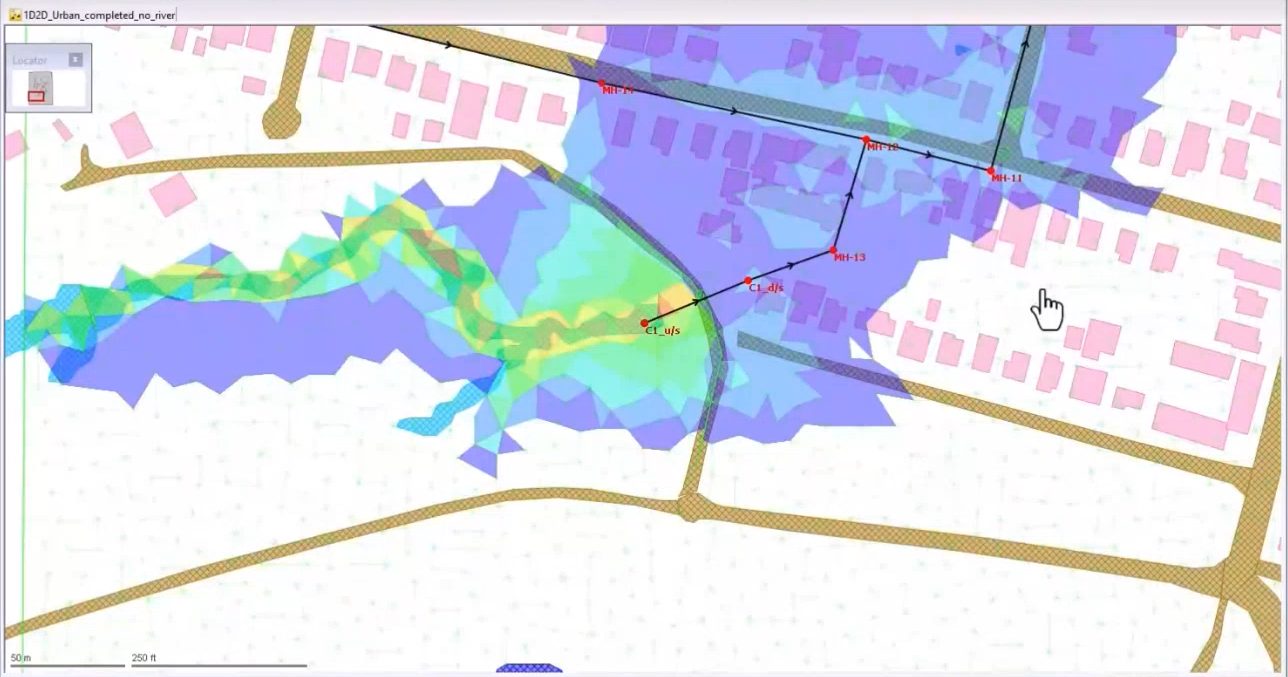
InfoWorks ICM 2024.3: XP Importer, UI simplification, and Grid Layouts
InfoWorks ICM’s most recent version update provides new XP Importer functionality for users migrating from XPSWMM and XPStorm models into InfoWorks ICM, UI simplifications, and additional improvements to grid and shareable property layouts. Our development and QA team have been heavily focused on improving usability and workflows for InfoWorks ICM users throughout our product update process,…
Product news
-

Recap: Autodesk’s presence at the 2023 Water Infrastructure Conference in Philadelphia
This year’s Water Infrastructure Conference started with major flight delays and cancellations as host city Philadelphia and neighboring areas experienced severe thunderstorms, fueled by high heat and gusty winds. I myself experienced a 24-hour flight delay. On the bright side, the rest of the week dried out, with sunshine and low humidity, which made for…
Events
-

4 features that set InfoWater Pro apart as a GIS-based water distribution modeling platform
As engineers, we understand the need for simple modeling interfaces that work as efficiently and autonomously as possible. Our ability to access and leverage GIS data and platforms is a critical component of the model creation process as well as our results analysis. So, as we make our way through the plan, design, build, operate,…
Product news
-

Combining BIM and hydraulic modeling expertise to (re)build a better dam in small-town Brazil
When the Diego Cuê Dam ruptured in the town of Caarapó deep in the southern tip of Brazil, it wasn’t only flooding that the authorities had to manage. The dammed lake, located in the Ayrton Senna Park, is an important recreation space for residents and is perhaps Caarapó’s only tourist attraction. The flooding of the…
Customer stories
-

[Webinar] Creating a city-wide 1D + 2D flood model
Can you create a combined 1D/2D model of an entire city to determine its risk for flooding? Not too long ago, the answer was no. But it’s becoming increasingly possible using GIS platforms, tools like InfoWorks ICM, and by taking advantage of the vast amount of public data that’s increasingly being shared. This openness with…
Storm, sewer, flood