Storm, sewer, flood
-

What is a bioretention system and how does it help control stormwater runoff?
Bioretention is a stormwater management practice that harnesses natural processes to treat and manage stormwater runoff from impervious surfaces such as rooftops, driveways, and parking lots. If you live in a city, you may have seen many of these types of systems. By utilizing a combination of vegetation, soil, and beneficial microorganisms, bioretention systems capture,…
Sustainability
-
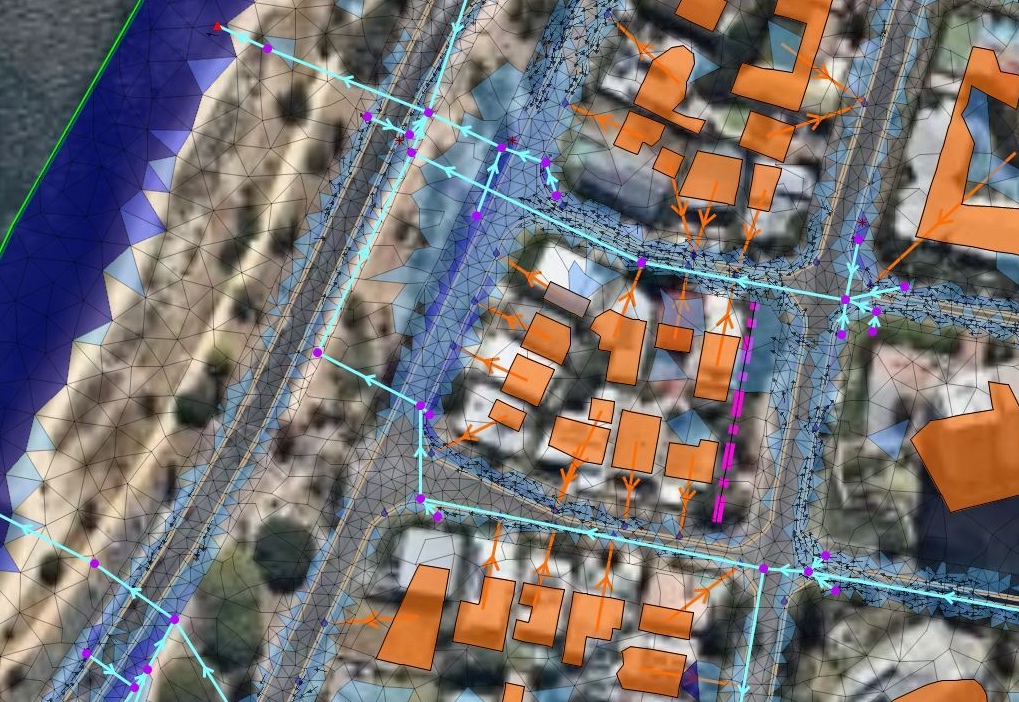
Meet the new, flexible options for InfoWorks ICM: Sewer, Flood, and Ultimate
Here’s what you need to know about our new offerings and how these simple changes will benefit both existing and future customers. Our team of water experts at Autodesk have worked diligently over the last four years, expanding the functionality of InfoWorks ICM to make it as accessible and efficient as possible. Over that time,…
Product news
-
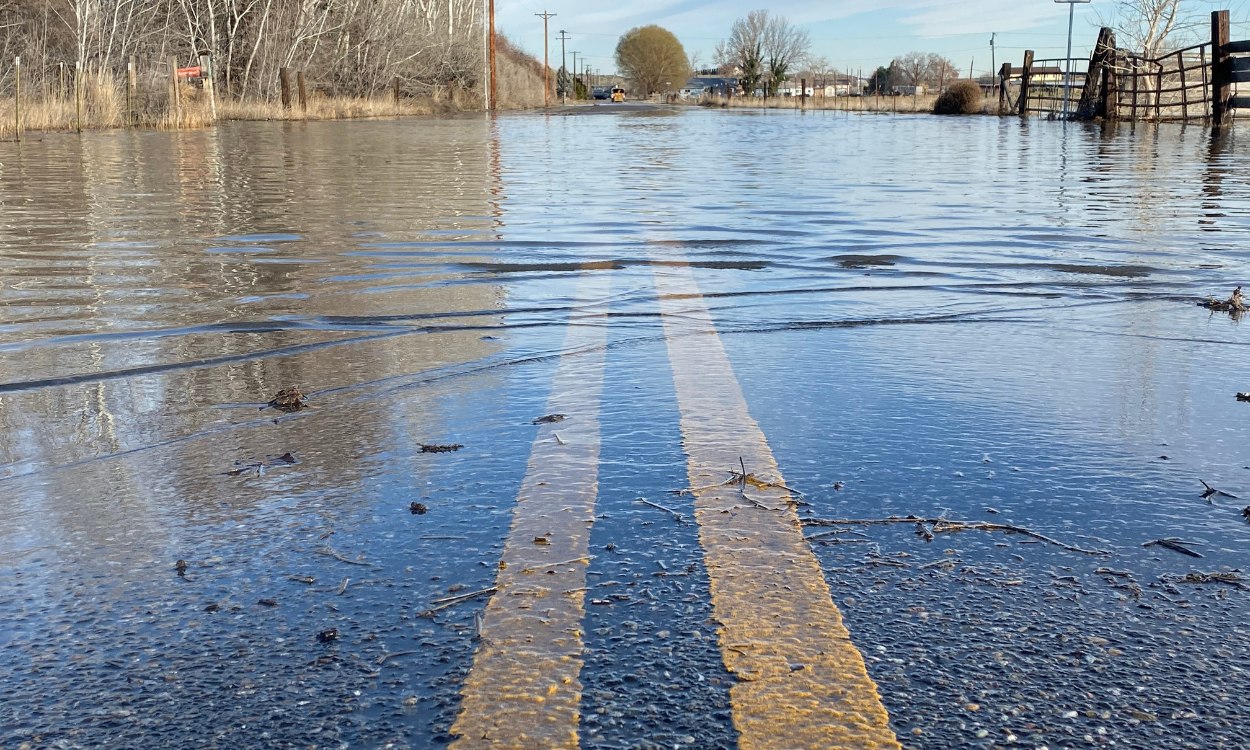
XPSWMM vs. InfoWorks ICM vs. InfoDrainage: Which solution do you need?
First released for Windows in 1997, XPSWMM aided stormwater and flood professionals in taking on the water challenges of its time. It was an incredibly powerful tool that the water industry adopted to solve the challenges it faced. But time and software development always marches on. Over time, most users adopted more powerful solutions like…
Storm, sewer, flood
-

Do you need a Rainwater Management Plan? This Irish manual provides excellent guidance.
Anthony McCloy is the managing director of McCloy Consulting and regularly speaks at conferences and seminars, provides university lectures, delivers national SuDS training workshops and has recently contributed to Ireland’s Rainwater Management Plans: Guidance for Local Authorities. Does your municipality need an RMP – a Rainwater Management Plan? In the UK, there are lots of…
Drainage design
-
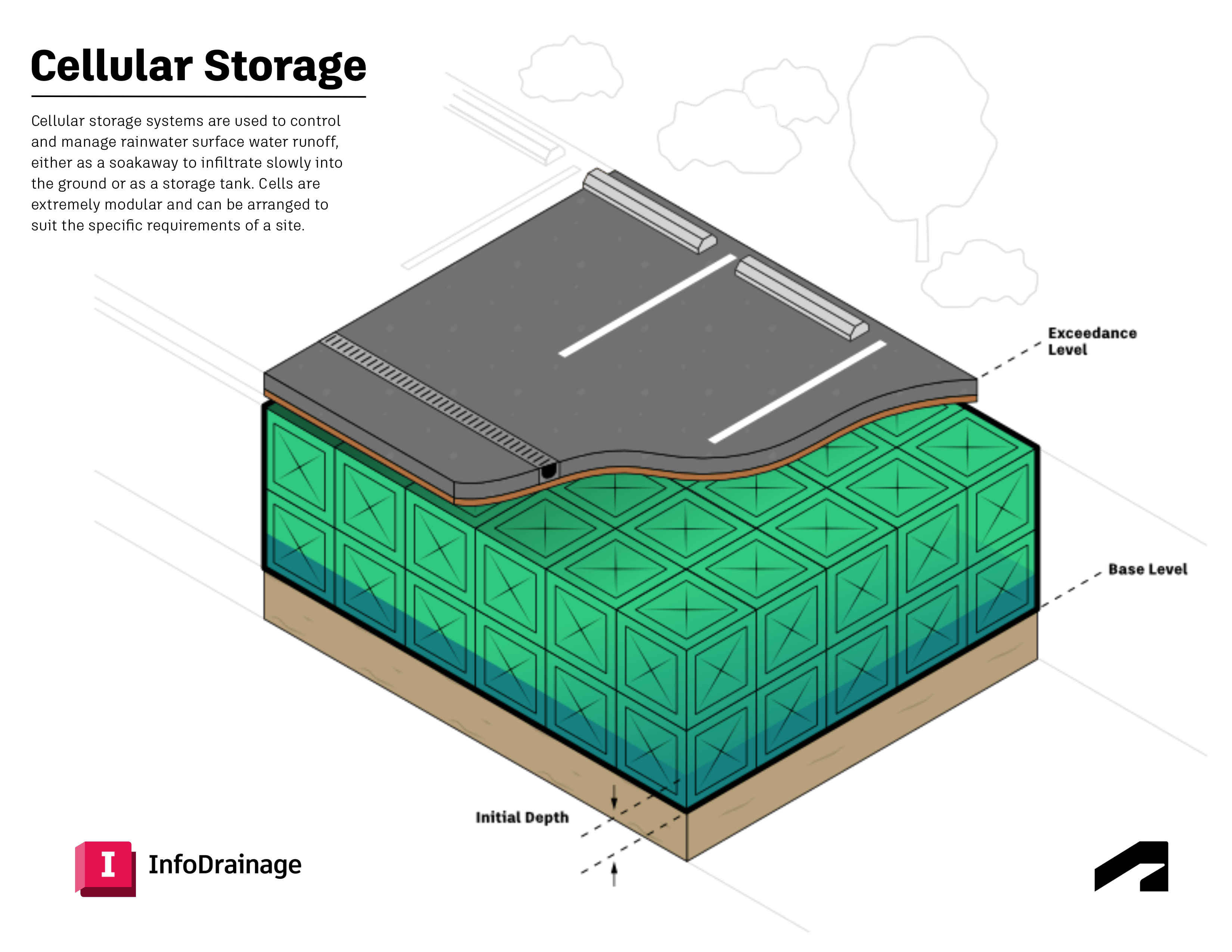
How does cellular storage work for stormwater control?
Certain stormwater controls are designed in ways that effectively divert water away from a site – but not cellular storage systems. Sometimes also called geocellular systems, geocellular attenuation tanks, or soakaway tanks, these Sustainable Drainage Systems (SuDS – aka LIDs/BMPs/WSUDs) capture stormwater in large underground containers that act as a reservoir for stormwater, temporarily storing…
Drainage design
-
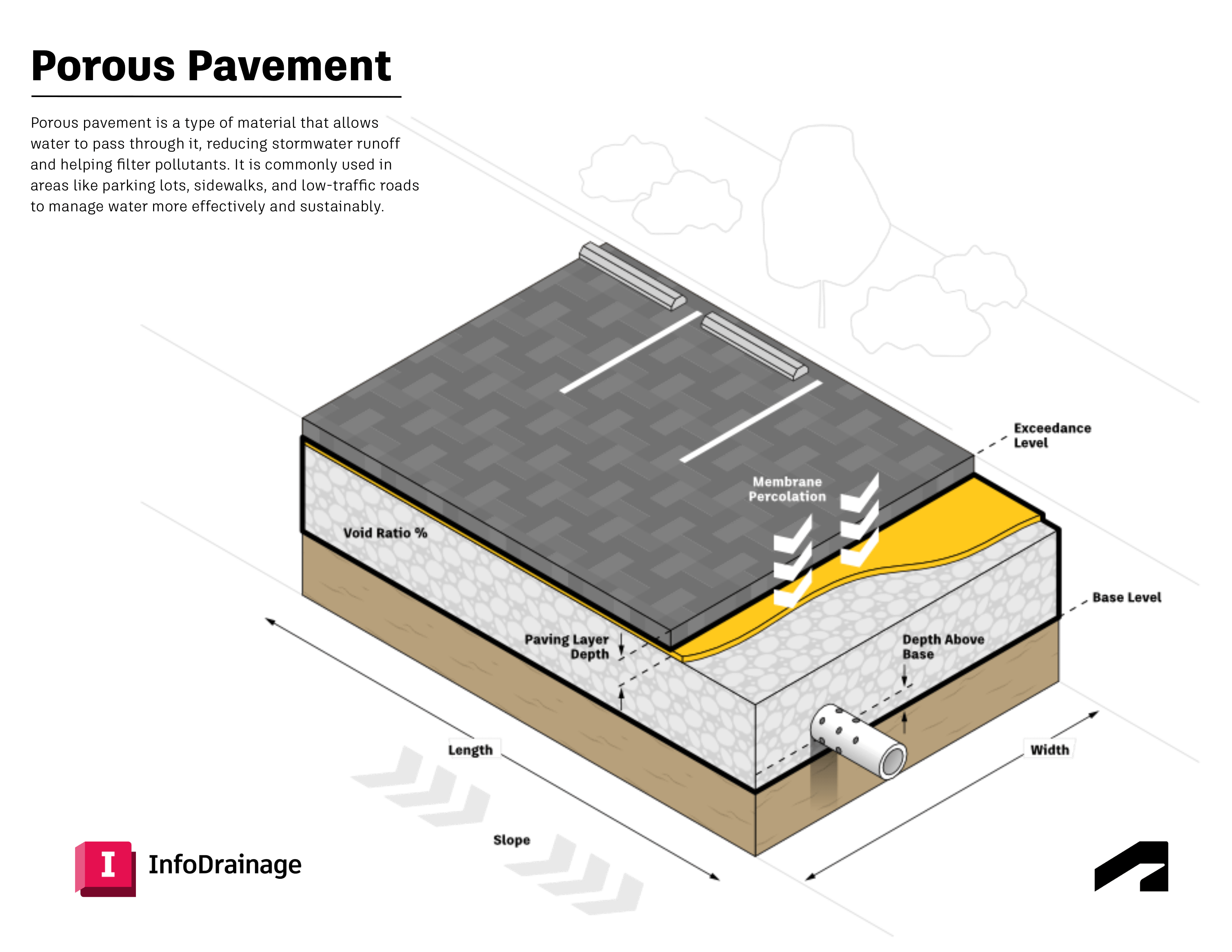
The benefits of porous pavement in drainage design
Sometimes called permeable pavement, porous pavement is an innovative and environmentally friendly approach to managing stormwater runoff in urban areas. As cities have grown, the sheer number of impermeable surfaces like roads, parking lots, and sidewalks has only increased, leaving traditional drainage systems struggling to cope with the volume of runoff. It leads to increased…
Drainage design
-
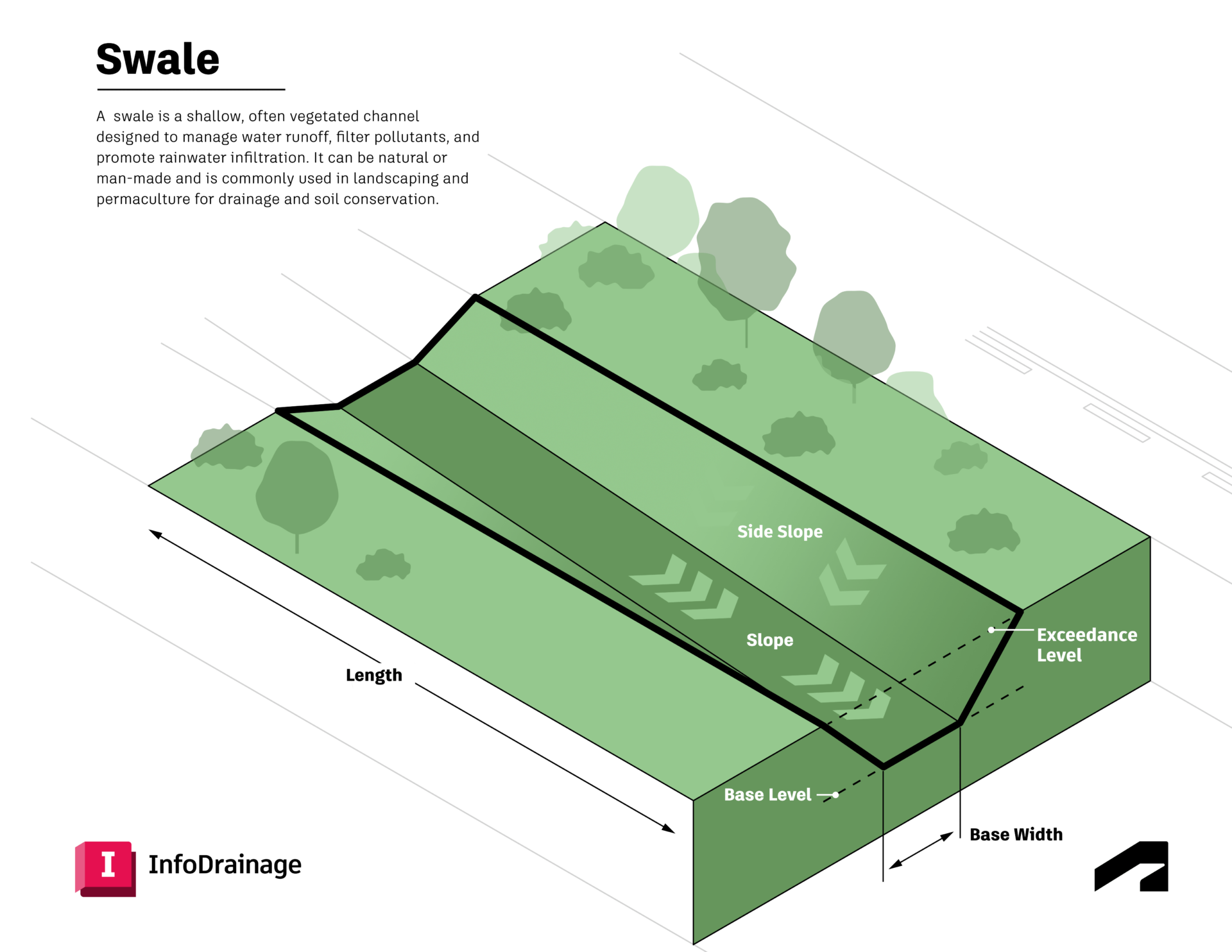
What is a swale – and how do they manage stormwater?
Swales are essential components in modern drainage design and play a significant role in managing stormwater runoff, rainwater runoff, and promoting sustainable drainage practices. These shallow, vegetated channels are designed to slow down, capture, and filter stormwater by controlling the flow of water through the swale, reducing the risk of flooding and improving water quality.…
Drainage design
-
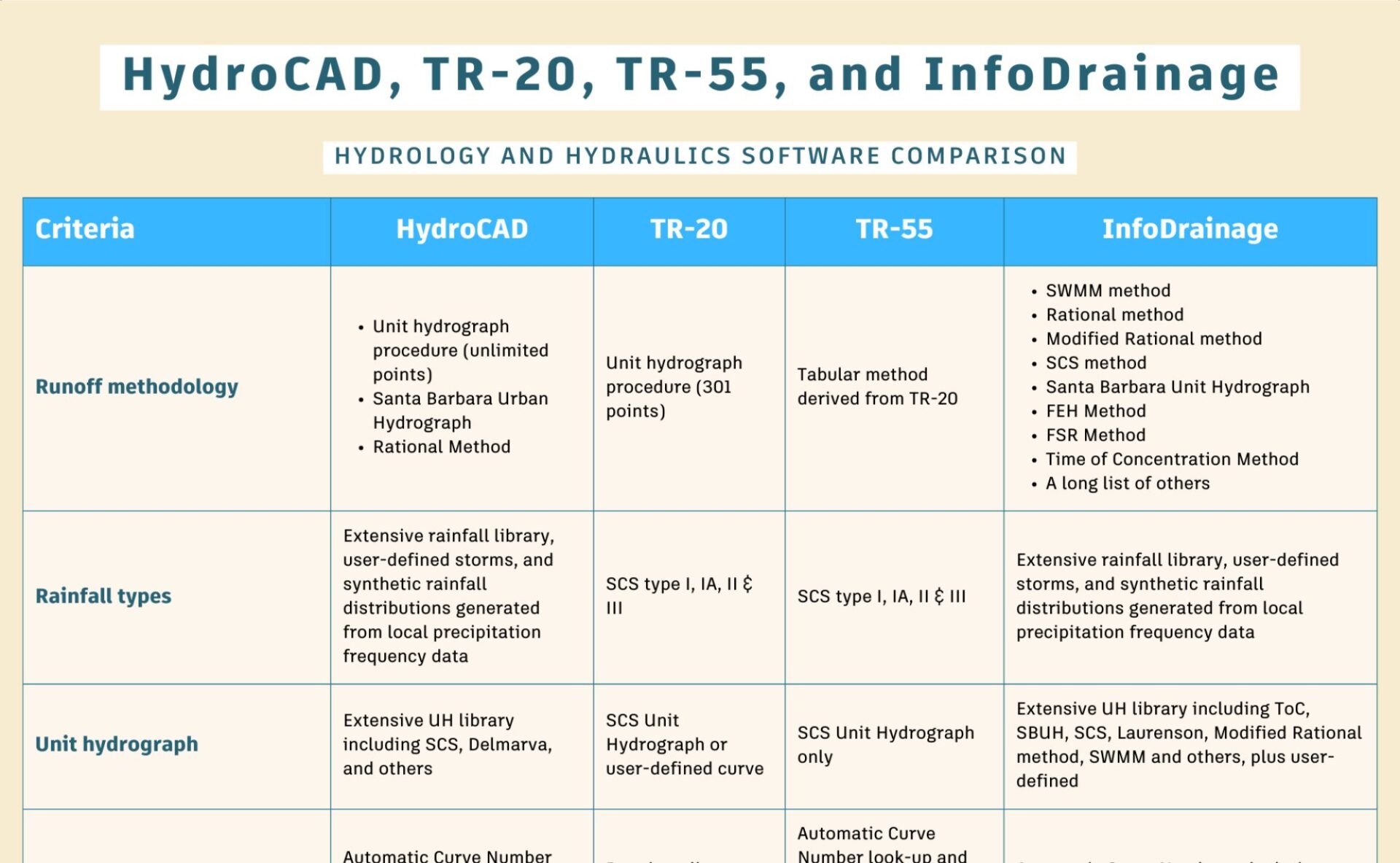
How does InfoDrainage compare to HydroCAD, TR-20 & TR-55?
In stormwater management and drainage design, selecting the right software is not just about features. It’s about how well a tool fits the way engineers actually work. Tools like HydroCAD, TR-20, and TR-55 have long been used for runoff calculations based on established hydrology methods. At the same time, newer tools like InfoDrainage are expanding…
Storm, sewer, flood
-

What is an infiltration trench and how does it work?
As the world’s drainage challenges grow, designers are constantly looking for new ways to handle stormwater. Commonly known as stormwater controls (SWCs), a subset of sustainable drainage systems, known as SuDS (LIDs/BMPs/WSUDs), have grown popular globally. SuDS work with nature, rather than against, and can be seen as more sustainable means of handling stormwater inflow…
Storm, sewer, flood
-
How ISG got their InfoWorks ICM software models FEMA approved
The City of Brookings in South Dakota, like many other inland US cities, is struggling with increased amounts and instances of flooding. They enlisted ISG, a nationally recognized, 100% employee-owned, multi-disciplinary architecture, engineering, environmental, and planning firm to help them update the city’s master drainage plan, which hadn’t been revised in 15 years. ISG’s Jacob…
Customer stories