Drainage design
-

Autodesk InfoDrainage integrates AI drainage design feature with Machine Learning Deluge tool
Every built thing in the world has a drainage plan. From housing developments to commercial properties to roads and railways – each of these unique engineering projects requires resilient stormwater infrastructure and sustainable drainage design. For much of human history, engineers and builders took a more rudimentary path towards drainage: dig holes, oversize pipes and canals,…
Product news
-
InfoDrainage 2024.4: Machine Learning, results migration with Civil 3D, speed improvements
The Autodesk InfoDrainage team has built in some fantastic new features into InfoDrainage 2024.4, including intelligent machine learning deluge, results mapping with Civil 3D, and speed and scalability improvements. In this post, we’ll walk through what these improvements mean for you, and how you can stay up to date with our product roadmap, webinars, and drainage…
Product news
-

3 reasons drainage designers choose InfoDrainage
Building sustainable water infrastructure is at the core of our mission here at Autodesk. This is why our development teams have been hard at work building InfoDrainage into the foremost drainage design platform. It represents a single solution for sanitary and storm sewer design, all in an easy-to-use interface, with integrations into Civil 3D and…
Drainage design
-
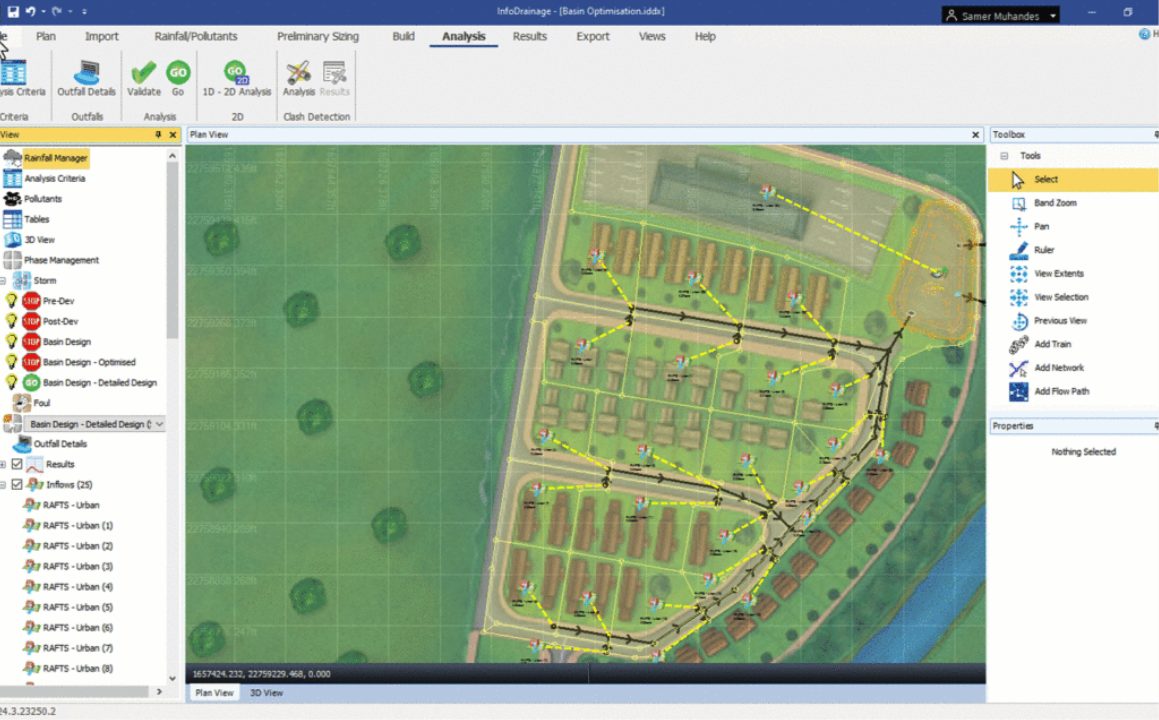
InfoDrainage 2024.3: Cloud Analysis, Clash Detection, HEC22 Advanced Inlet Analysis
The latest update of InfoDrainage is here, with advanced clash detection for stormwater controls, cloud simulation analysis tools, and advanced HEC22 Inlet analysis capability. InfoDrainage 2024.3 builds off the most advanced, user-friendly solution in drainage system design to make it even better. In this post, we’ll walk through what these improvements mean for you, and…
Product news
-

InfoDrainage Standard vs Ultimate: What’s the difference?
Autodesk’s InfoDrainage is a drainage design and analysis solution that designers, developers, landscape architects, engineers, consultants and approval authorities rely on to: Water professionals who are completely new to InfoDrainage sometimes ask us which version they need to get started. For many years, we offered two versions of InfoDrainage, but as of August 7, 2024,…
Drainage design
-
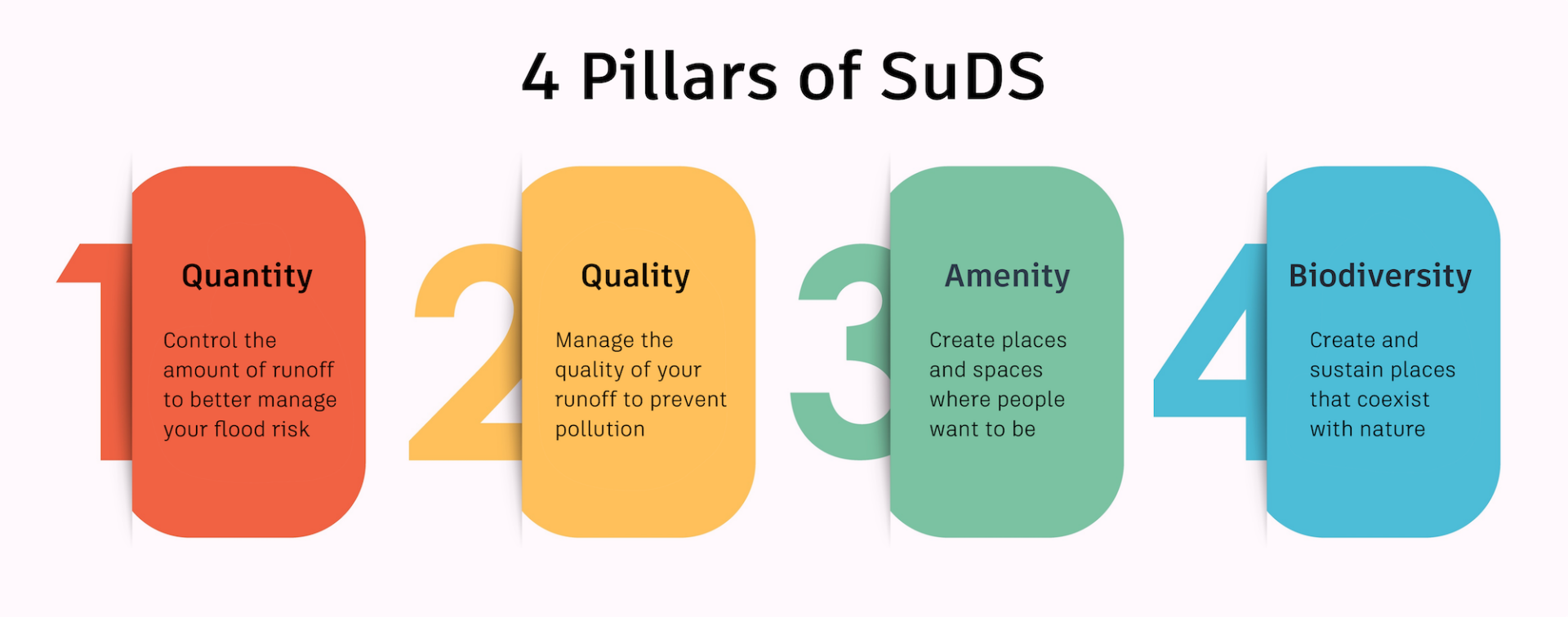
How InfoDrainage supports Sustainable Drainage Design (SuDS) workflows
How do engineers ensure cities don’t flood when it rains too hard? Sustainable Drainage Systems (SuDS) are widely used in urban drainage design to manage stormwater and rainwater runoff, as well as promote sustainable drainage practices. When storms cause flooding, we often want to make water flow as quickly as possible away from the problem. But…
Drainage design
-
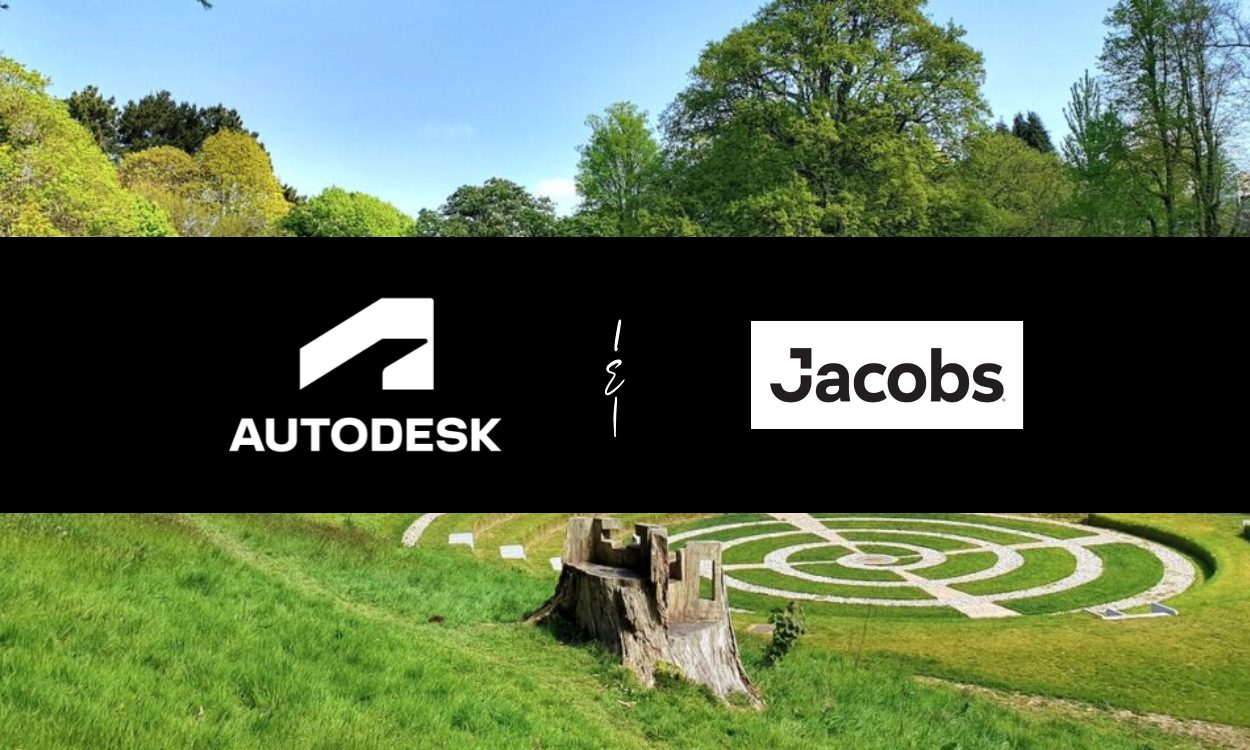
Jacobs designed an innovative, flood-resistant amphitheatre that stores 150,000 gallons of water underground
In the town of Sidmouth on the South West coast of England, Jacobs, a leading technical water consultancy, not only designed a flood alleviation scheme that protects residents and properties but created an innovative, unique, impeccably sustainable, dual-use amenity for residents. It’s a strikingly beautiful example of blue-green infrastructure. The Sidmouth area has a long…
Drainage design
-

Rogers-O’Brien combined a drone with InfoDrainage to solve a problem quickly – and very accurately
“We need you to come back to the site. There’s been some flooding.” No general contractor wants to find a message like that in their inbox half a decade after wrapping up a construction project. But a representative from Magnolia Montessori was indeed coming back to Rogers-O’Brien (RO). They were concerned because water was ponding…
Drainage design
-

InfoWorks ICM basics video tutorial series
If you’re looking to get started with InfoWorks ICM, we have some good news. We designed a series of videos for stormwater experts that is completely free and open to everyone. 👇 This is a great way to quickly learn the details of InfoWorks ICM from someone who knows the app inside and out –…
Drainage design
-

How to use Australian Rainfall and Runoff Guidelines (ARR19) in the latest InfoDrainage 2023.2 release
The Australian Rainfall and Runoff Guidelines (ARR19) are critical in providing reliable flood risk estimates to ensure infrastructure is designed well to keep communities safe and environments protected. The addition of ARR19 in the latest release of InfoDrainage means Australian designers, engineers, and planners can streamline their drainage design processes for land development, major infrastructure,…
Drainage design