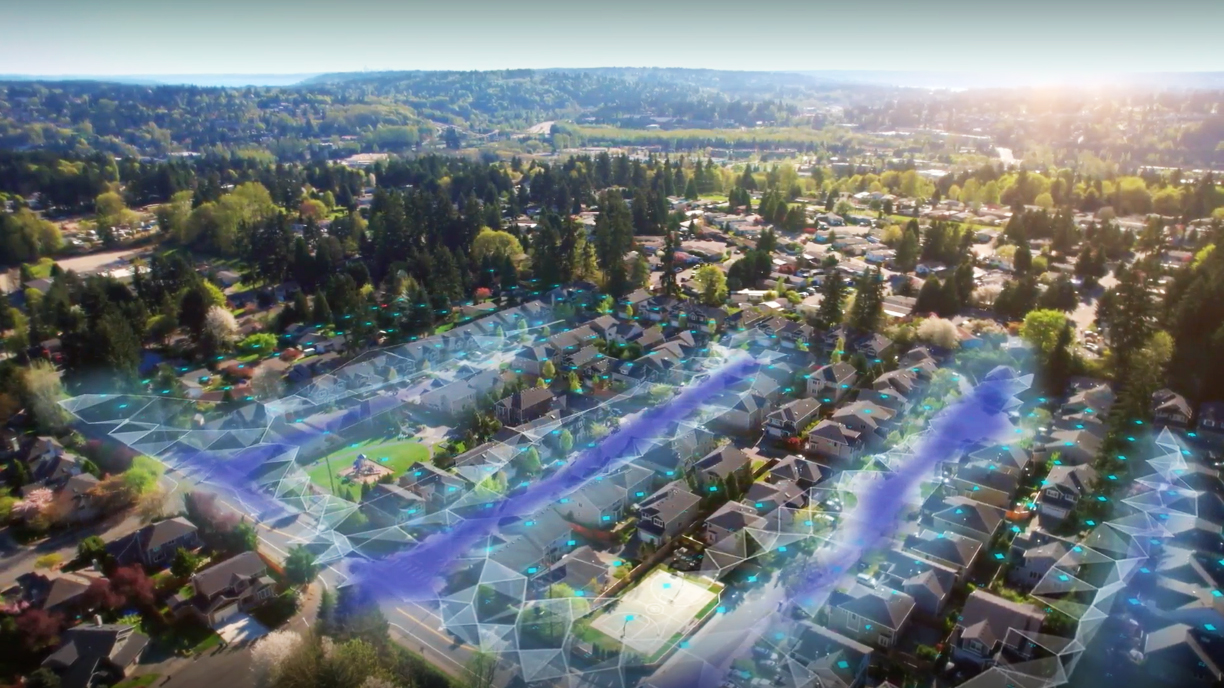
• InfoWater Pro 2024.4: Water quality in the cloud, MSX 2.0, and new shortcuts

    InfoWater Pro 2024.4 brings new improvements to cloud functionality, MSX 2.0 access, and a few new shortcuts for better product usability.


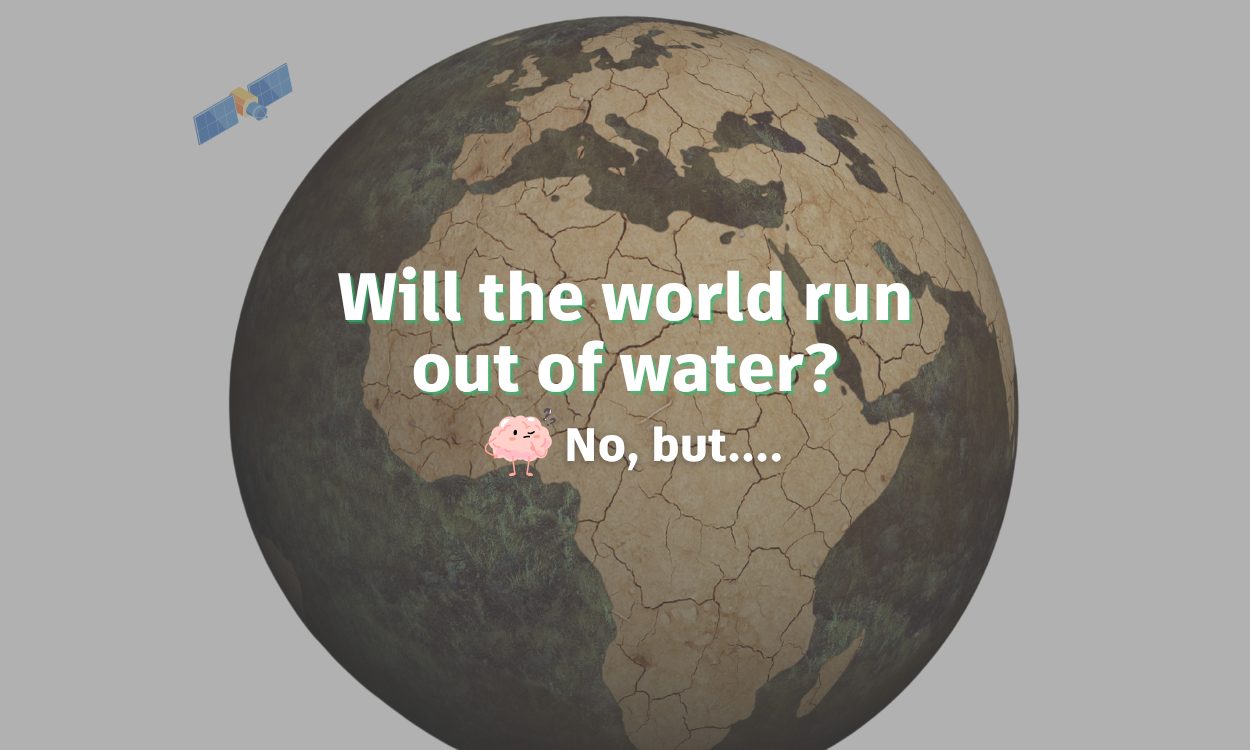
  • Will the world run out of water?

    Water is one of the most abundant natural resources on the planet. However, it’s also one of the scarcest. While paradoxical, and despite the world’s seeming wealth of water spanning the globe, access to clean, drinkable water is dwindling as the world undergoes climate changes and increasing water pollution makes many traditional sources of drinking…


  • InfoWorks ICM 2024.4 and 2024.5: new shortcut keys, speedier results, improved SWMM model results

    The Autodesk Water team is excited to release the latest updates of InfoWorks ICM 2024.4 and 2024.5. In these two milestone releases, the team has been focused on delivering improved features and functionalities directly requested by existing users from the InfoWorks ICM Feedback Portal. The 2024.4 release includes three primary feature improvements, including new shortcut keys to speed…


  • How engineers can help prevent catastrophic flooding 

    Severe weather events are some of the largest looming threats to civilization in the next many decades. The power of water is humbling, something that anyone who has ever been through a flood knows well. Floods can wreak havoc on urban communities, destroying homes, but also destroy environments, damaging wetlands and natural habitats.  However, we aren’t helpless. As a…


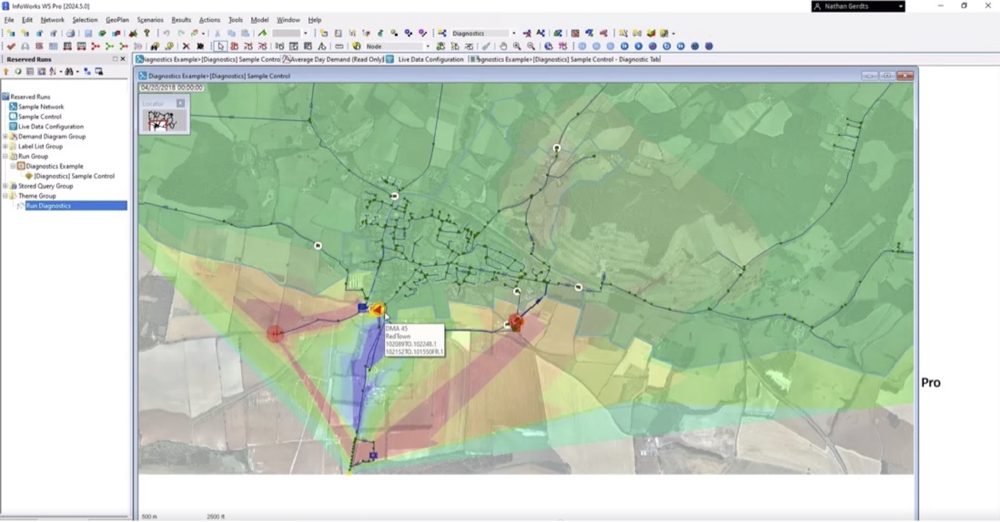
  • InfoWorks WS Pro 2024.5: Model Diagnostic Tables, Demand Area Analysis, and the age of your water

    The latest update to InfoWorks WS Pro is here, with improvements to the platform to make hydraulic modelers’ lives easier. InfoWorks WS Pro 2024.5 introduces Diagnostic Tables to the platform so users can find stability issues within a given hydraulic model with more ease. Additionally, the Demand Area Analysis functionality already in the platform has…


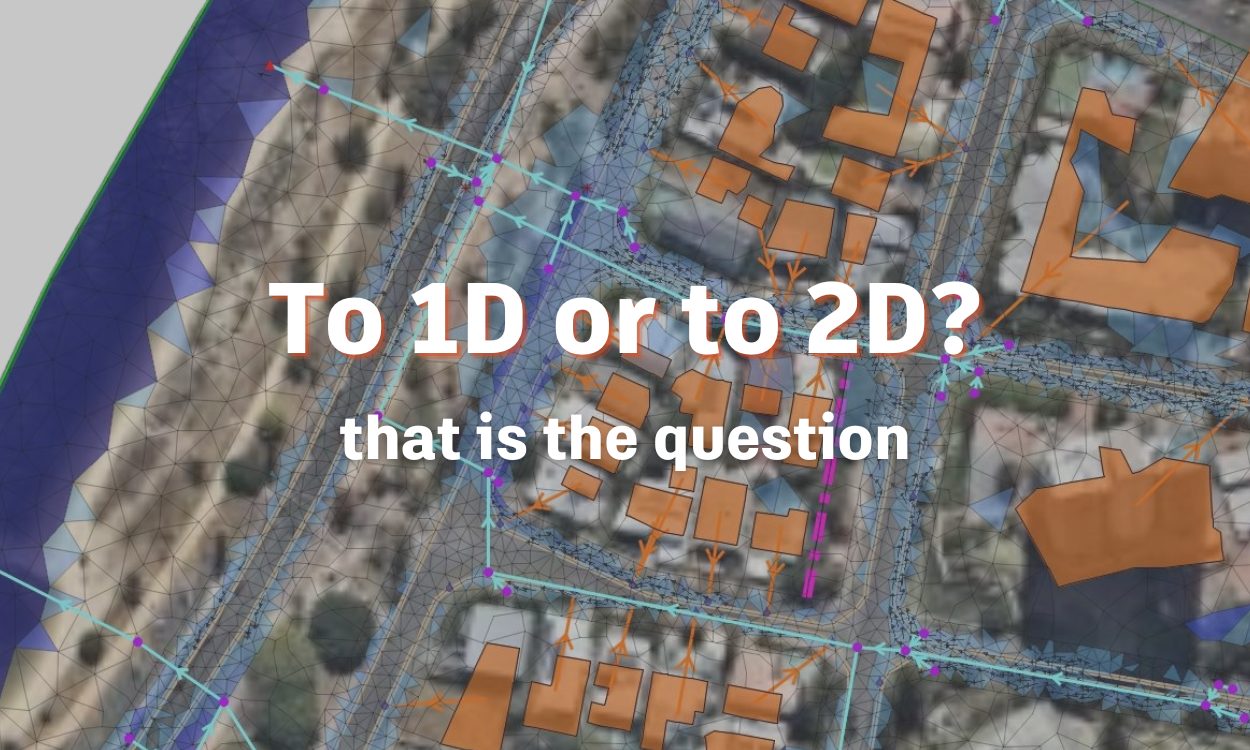
  • 1D vs 2D hydraulic modeling: What’s the difference? Pros and cons? How do you decide?

    Predicting floods and how these flows of water interact with topography and infrastructure has presented a menagerie of challenges for engineers past and present. Floods are dynamic events that encompass a series of interrelated factors that determine the resultant effects. Factors like topographical variance, soil permeability, precipitation intensity, existing stormwater controls, and plenty more need…


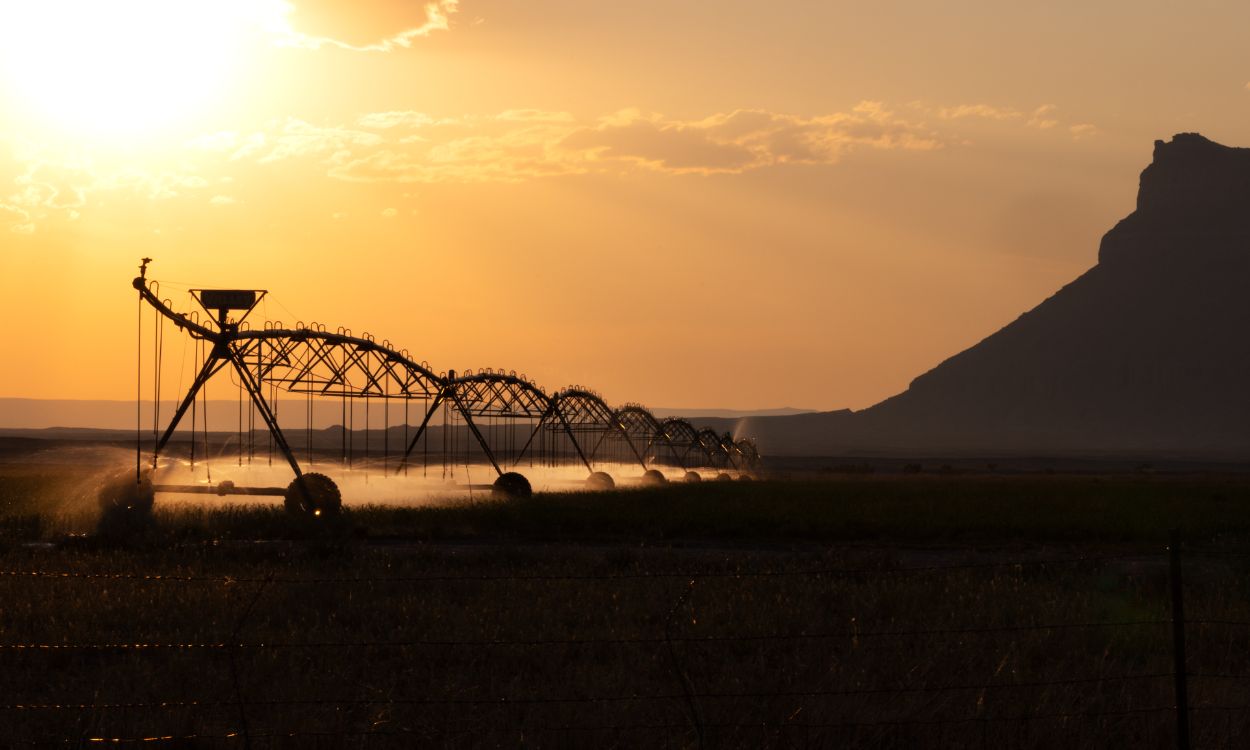
  • Designing sustainable irrigation networks with InfoWorks WS Pro 

    Agriculture accounts for roughly 70% of global water usage annually – a staggering statistic that underscores the world’s need for sustainable and well-managed irrigation systems. In addition, irrigated agriculture accounts for 40% of the world’s food supply, despite taking up only 20% of the world’s cultivated land. With severe weather events, the impacts of climate…


  • Autodesk InfoDrainage integrates AI drainage design feature with Machine Learning Deluge tool 

    Every built thing in the world has a drainage plan. From housing developments to commercial properties to roads and railways – each of these unique engineering projects requires resilient stormwater infrastructure and sustainable drainage design. For much of human history, engineers and builders took a more rudimentary path towards drainage: dig holes, oversize pipes and canals,…


  • InfoDrainage 2024.4: Machine Learning, results migration with Civil 3D, speed improvements

    The Autodesk InfoDrainage team has built in some fantastic new features into InfoDrainage 2024.4, including intelligent machine learning deluge, results mapping with Civil 3D, and speed and scalability improvements. In this post, we’ll walk through what these improvements mean for you, and how you can stay up to date with our product roadmap, webinars, and drainage…


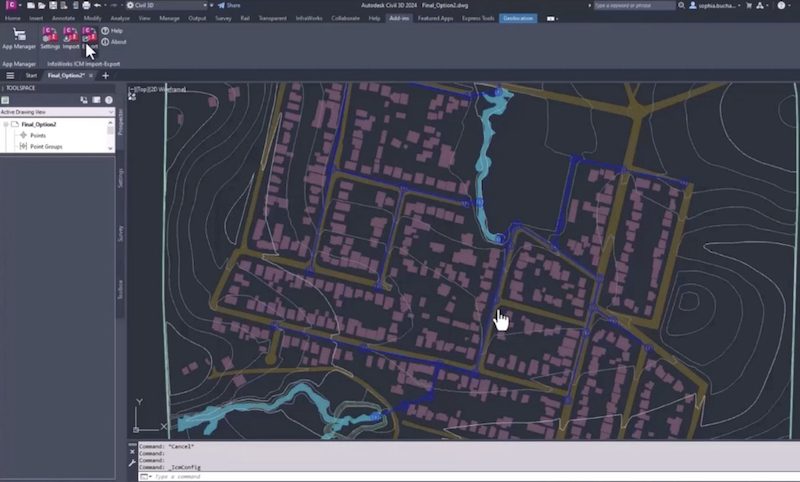
  • InfoWorks ICM now integrates with Civil 3D, uniting designers with hydraulic modelers for flood analysis

    Everything in the built environment progresses through the planning phase and design phase, before eventually being constructed and operated. In the planning phase, sites are scoped, drainage studies are completed, and hydraulic analyses are run to understand where and when capital improvements are needed. Powerful hydrologic modeling tools like InfoWorks ICM are vital to engineers…