
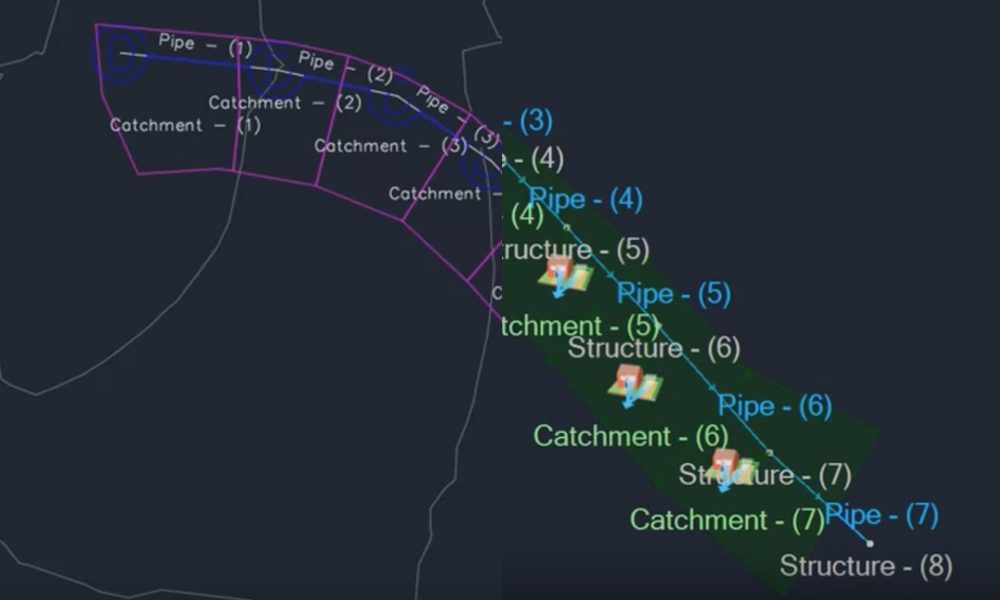
Civil 3D 2026 drainage tools are best for analyzing the drainage system in your drawing (pipes, catchments, ponds), while InfoDrainage is best for design automation, iteration, and flexible reporting.
Drainage design
Utilities collect a lot of CCTV inspection data annually, but inspections by themselves do not improve results. The real challenge is translating that data into clear, defensible capital plans that stand up to regulatory scrutiny, budget constraints, and stakeholder expectations. The integration between Autodesk Info360 Asset and ITpipes SmartVision helps address that challenge by connecting…
Product news

In many urban areas, rainfall doesn’t soak into the ground. It runs off hard surfaces, overwhelms drainage systems, and contributes to flooding and pollution. SuDS (Sustainable Drainage Systems) are designed to change that. SuDS are designed to manage rainfall in a way that mimics natural processes – slowing, storing, and treating water close to where it…
Drainage design
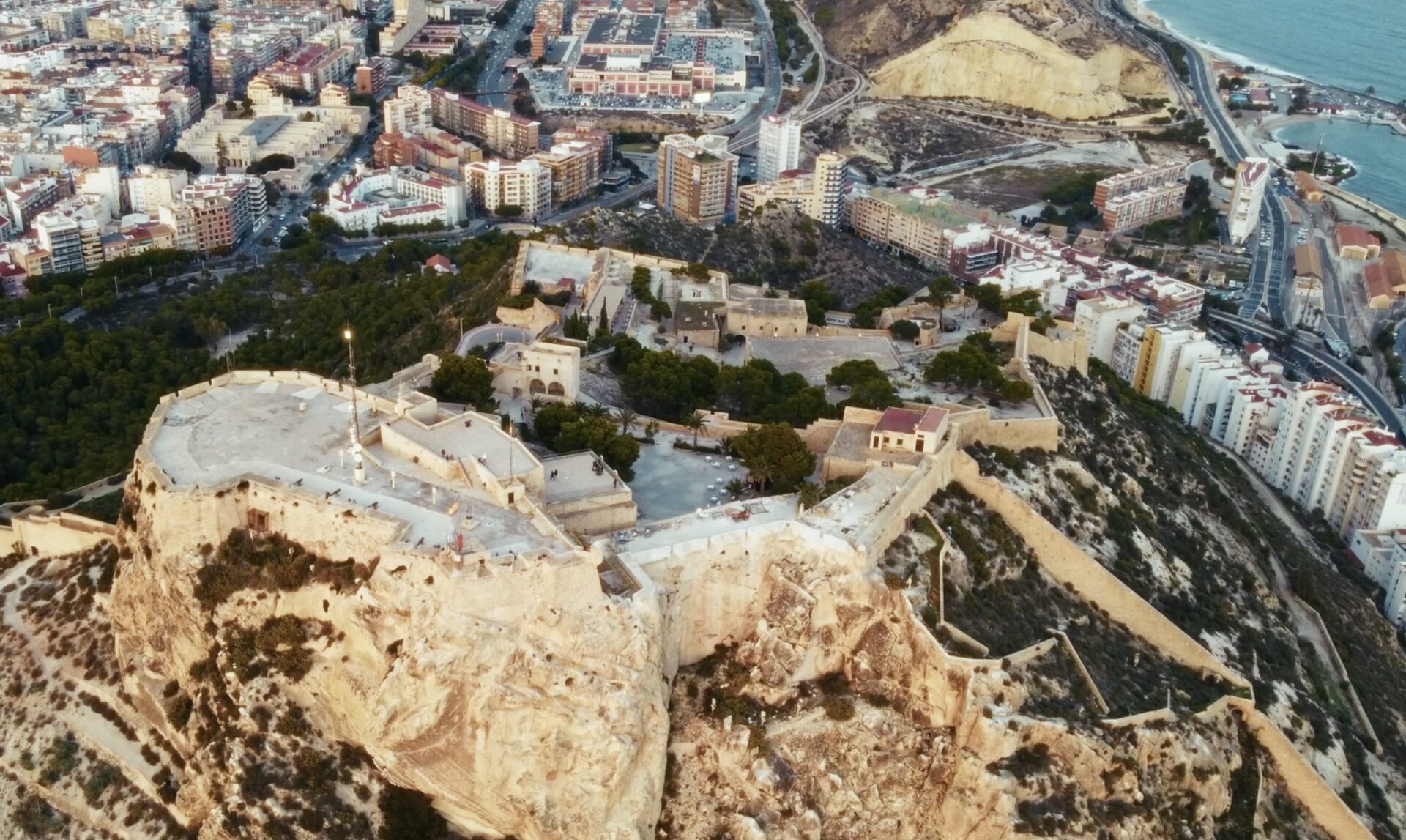
Aguas de Alicante is one of Spain’s oldest water utilities, with roots dating back to 1898 when potable water was first brought to the city of Alicante. It operates under a public-private model and manages the integrated water cycle — including water capture, treatment, distribution, sewerage, and wastewater purification — for Alicante and surrounding municipalities.…
Customer stories

Serving millions of residents across Orange County is no small task. For Orange County Sanitation District (OC San), it means operating and maintaining a vast, complex wastewater system while balancing aging infrastructure and budget constraints – they have a big responsibility to use public funds wisely. “OC San’s mission in serving 2.6 million residents is…
Asset management
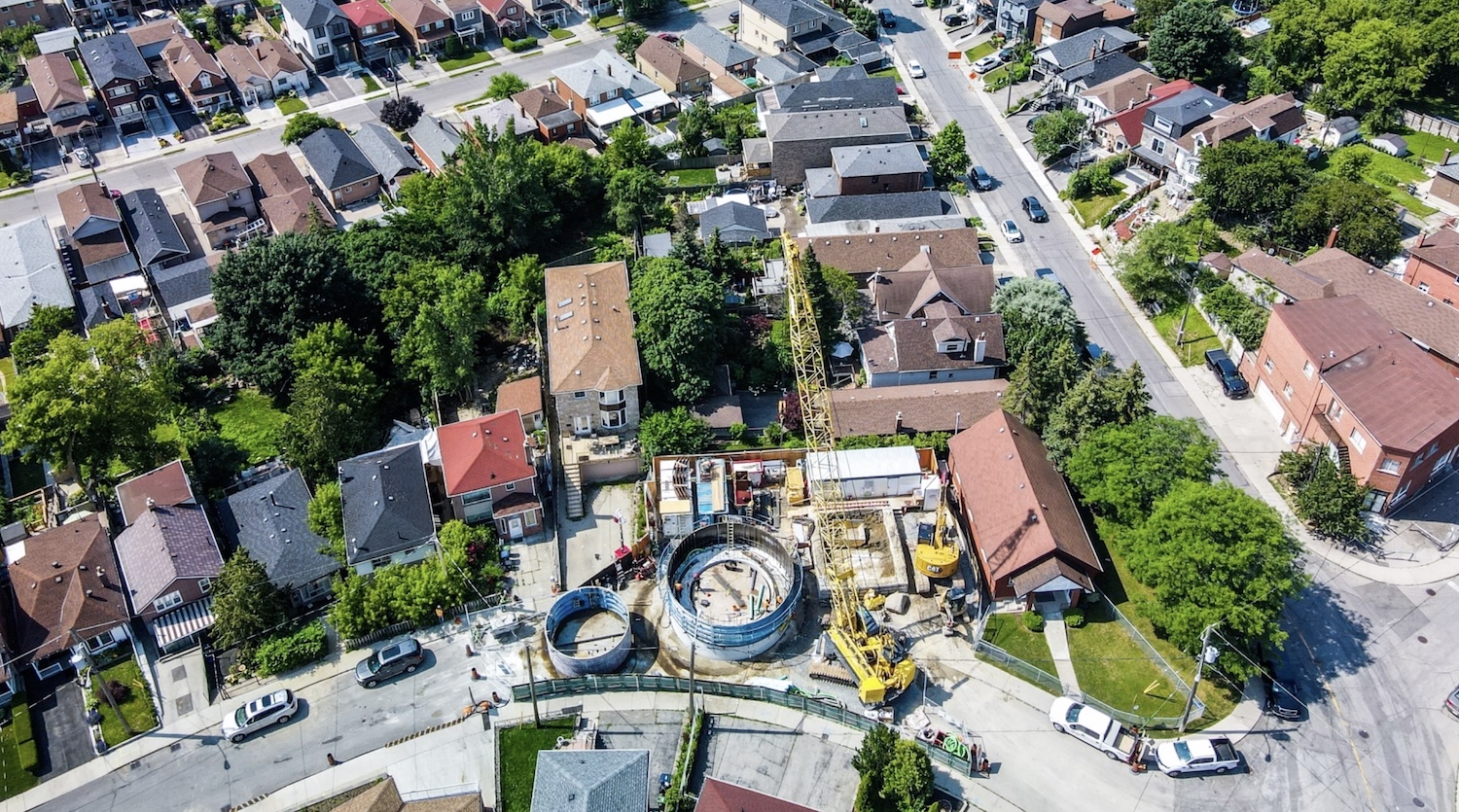
The Woodborough Park neighborhood in Toronto is part of the Fairbank-Silverthorn area, which experiences significant flooding challenges, especially during heavy rainfall events. Their two big problems are a long history of basement flooding and sewer system overloads. Like many North American cities without separate sewer and water systems, they struggle with CSOs (Combined Sewer Overflows),…
Hydraulic modeling

Autodesk AI inside InfoDrainage represents a leap forward in drainage design technology, bringing Machine Learning capabilities directly into the workflows that engineers use daily. This artificial intelligence integration, powered by the InfoDrainage Machine Learning Deluge tool, may transform how professionals approach overland flow analysis and stormwater control placement. That is the set-up for Civil Tech…
Drainage design
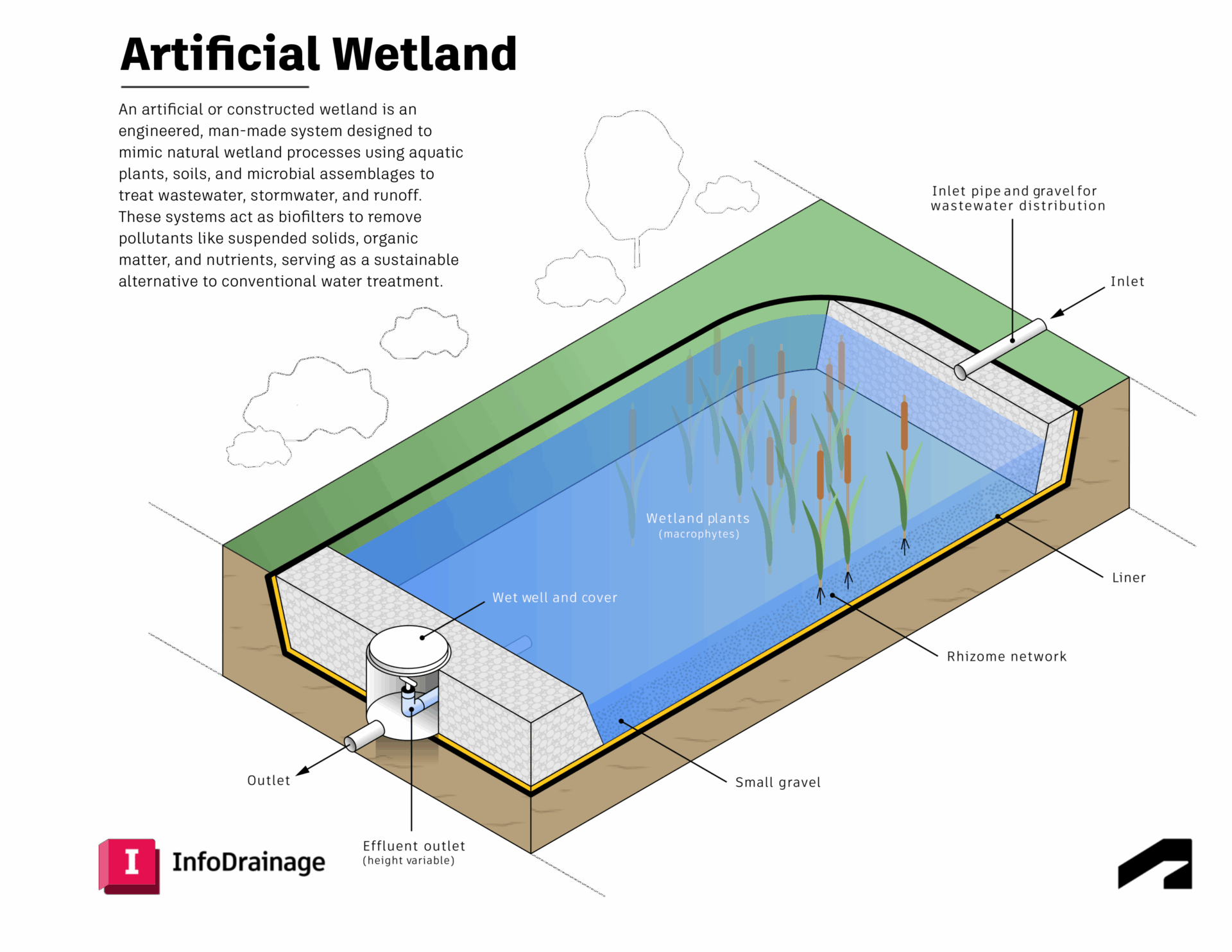
Artificial wetlands are a common feature of Sustainable Drainage Systems (SuDS) and are widely used in urban drainage design to manage stormwater and rainwater runoff, as well as promote sustainable drainage practices. An artificial wetland is a constructed ecosystem designed to manage water and pollution through engineered processes that are designed to mimic natural processes…
Sustainability
As climate volatility and urban growth intensify, drainage systems are becoming a frontline resilience challenge. Across the UK and globally, heavier storms and expanding impermeable surfaces are overwhelming legacy sewer networks and increasing flood risk. These are a few reasons why regulation has been shifting toward more sustainable outcomes – and that’s why SuDS (Sustainable…
Drainage design
As urban areas densify and climate-driven flood risk increases, Sustainable Drainage Systems (SuDS) have shifted from “nice to have” to essential — and in many places, effectively planning-required. Yet many organisations still struggle to deliver SuDS consistently due to fragmented processes, inconsistent requirements, skills shortages, and slow approvals. In our latest webinar, which was hosted…
Sustainability