 Jon den Hartog
Autodesk’s acquisition of select Klietsch technology and intellectual property (IP) adds specialized structural-steel detailing and fabrication capabilities, with the intent of extending Inventor and the Product Design & Manufacturing Collection (PDMC) into more automated design-to-fabrication workflows over time.
Designing complex structural steel assemblies requires more than creating the structure itself. Engineers and designers need to account for a wide variety of specialized connections and then translate those designs into the detailed information needed for fabrication.
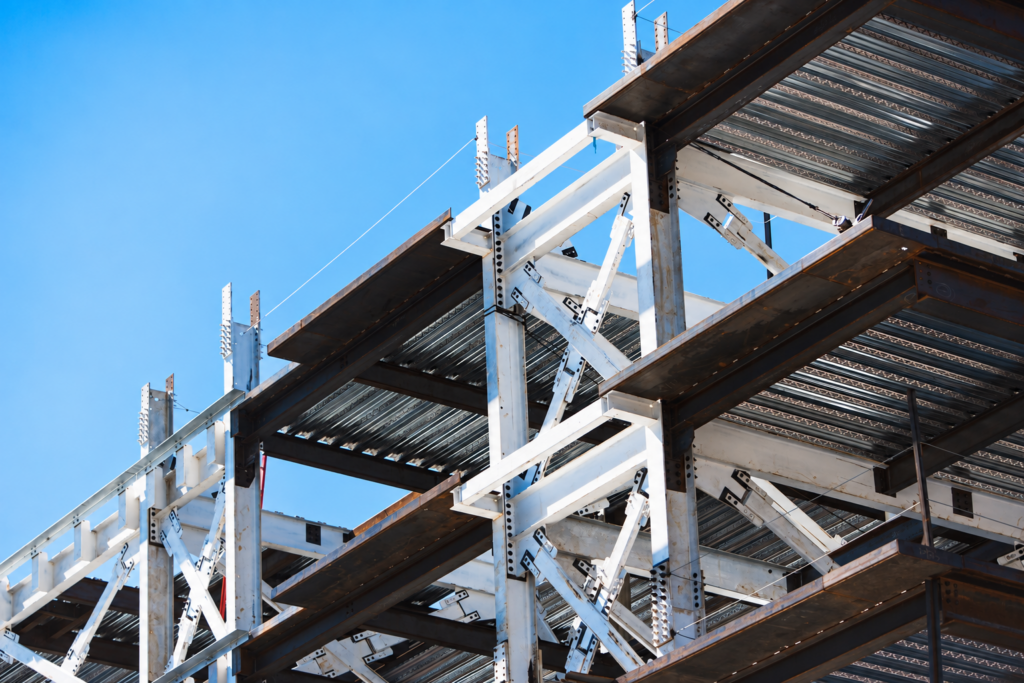
Expanding structural steel automation
At Autodesk, we see an opportunity to make that path from design to fabrication more connected and automated for Inventor customers.
That’s why I’m excited to share that Autodesk has completed its acquisition of select Klietsch technology and intellectual property (IP) associated with SolidSteel parametric for Autodesk Inventor and DSTV Assistant for Autodesk Inventor.
The acquired technology builds on an established history with Inventor, adding structural-steel detailing and fabrication capabilities that complement Inventor’s existing design capabilities. These include specialized tools for steel connections, detailing automation, drawings, bills of materials (BOMs), and machine-ready data for structural steel fabrication workflows.
Building on our investment in Inventor and PDMC
Inventor already supports customers designing complex equipment and structures that incorporate structural steel.
These customers often need to move between structural modeling, detailed connections, production drawings, and the data fabricators that need to manufacture the finished design.
That’s where I see the biggest opportunity. The acquired technology gives us proven capabilities to build on, from more specialized steel detailing and automation to tools that can help carry design information further downstream toward fabrication.
The path forward
Engineers rely on Inventor to design complex equipment and structures, and this technology gives us a proven foundation to expand those capabilities.
Our near-term focus is strengthening Inventor and PDMC automation and making it easier for customers to move from design toward fabrication. Over time, we see an opportunity to connect more of that workflow across Autodesk, including relevant structural steel capabilities in Fusion. This supports our broader mission to help customers bridge design and manufacturing, unlock more value from their workflows, and deliver better products faster.