 Emily Suzuki
Snail Works began, as founder Alex Wu puts it, almost by accident. At Rhode Island School of Design, Wu worked on a senior project modifying a Ford F-150, which sparked his interest in functional automotive design. Around the same time, he bought a Subaru Crosstrek and joined a vibrant online community of enthusiasts modifying their vehicles for rally and off-road use. When the manufacturer of a rear bumper he wanted discontinued production, Wu decided to design his own replacement.
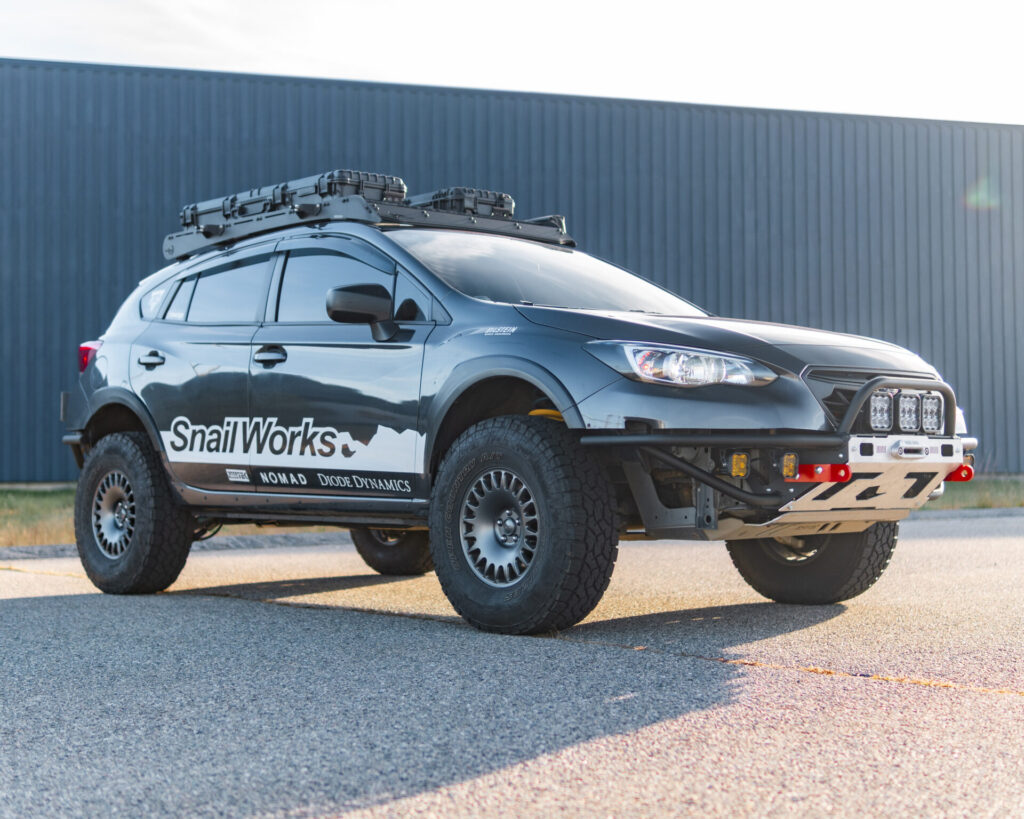
Using his design training, Wu began modeling the part in Rhino. He posted renders online to gauge interest, and the response was immediate. “People were messaging me saying, ‘Can you make this for me?’” he recalled. That validation turned curiosity into commitment, solidifying Snail Works’ potential and encouraging Wu to take the leap from enthusiast to entrepreneur.
Wu built his first prototype with help from a local fabricator—despite having little more than a pipe bender and a cramped backyard workspace. “It was crazy times,” he recalls. Working with limited tools, he improvised with pipe instead of structural tubing. The result exceeded expectations: that first bumper is still on his personal vehicle more than two years later.
Finding the right tools for professional manufacturing
Wu soon realized Rhino lacked the parametric abilities needed for real manufacturing. When exporting files for laser cutting and fabrication, he encountered friction that forced a software rethink.
“Manufacturers would tell me to go home and redo the whole model. It was clear that I couldn’t use Rhino anymore because it didn’t have parametric abilities,” Wu recalls. “I was surprised at how easy it was to switch to Fusion, especially for someone who used SolidWorks in the past. Within two weeks, I was exporting full-blown sheet metal drawings in DXF to my local laser cutter.”
Autodesk Fusion became the new foundation of Snail Works’ workflow. Wu used Fusion to model every assembly, from tubing and brackets to integrated hitches, and to produce manufacturable files that could go straight to local vendors. The built-in sheet metal tools allowed him to iterate quickly without losing dimensional accuracy.
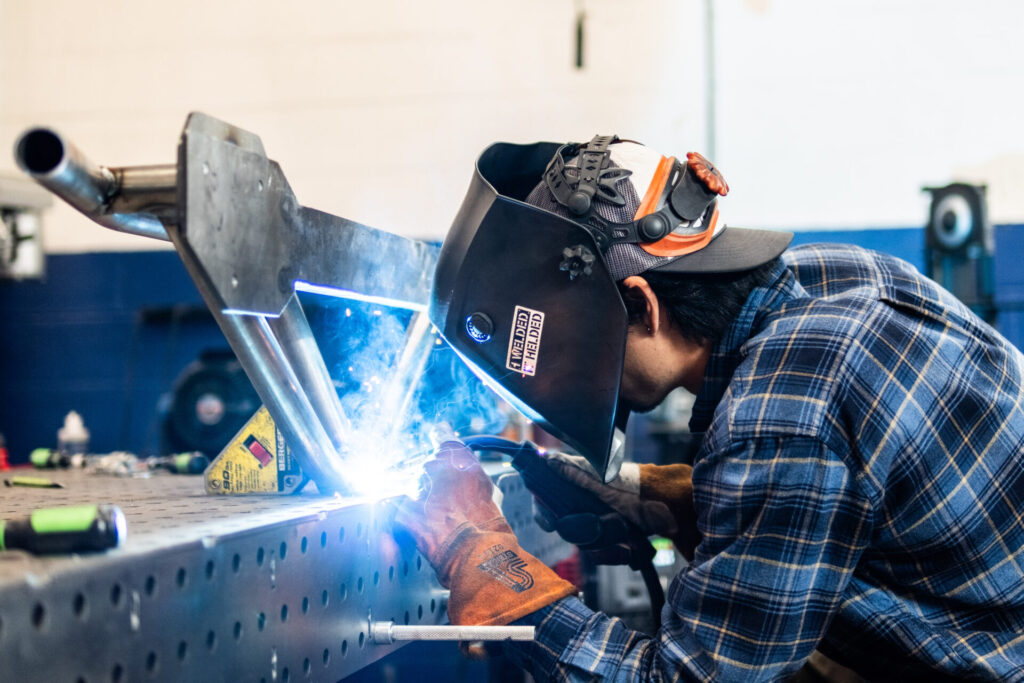
“Seeing how easy it was to do sheet metal in Fusion opened a huge door for me. I know exactly what I need to do in Fusion to get exactly what I want as the final product. When I send it off to the manufacturer, I know it will come back perfectly aligned to spec,” said Wu.
Precision at scale with an integrated workflow
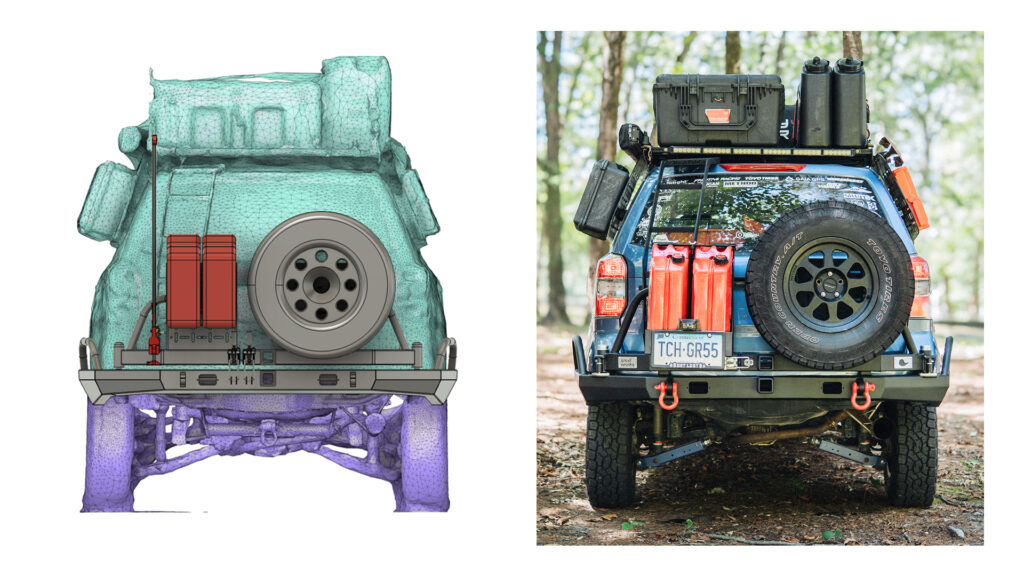
As Snail Works grew, so did its digital workflow. Fusion became central not just for design, but also for integrated workflows with other key tools. Using an Einstar 3D scanner, Wu starts by capturing detailed vehicle geometry to ensure new bumpers and accessories align perfectly before cutting metal.
“It’s very easy to upload the files from our 3D scans to Fusion as mesh files. Thanks to this workflow, I can advertise that I have some of the best fitment in the industry. Customers have confidence that my product will fit their exact vehicle geometries,” adds Wu.
The integrated McMaster-Carr library in Fusion streamlines hardware specification, allowing Wu to drag hardware directly into assemblies. This saves hours of manual rework and guesswork while giving him the ability to toggle between metric and imperial standards effortlessly.
“The McMaster-Carr library makes it easy to confirm everything meets the required strength standards,” he says. “We’re bolting things together to bolt onto something else to then bolt on to a vehicle—so having exact measurements for every single piece of hardware I need becomes critical.”
Custom builds and future vision
Snail Works’ catalog has grown from rally-inspired parts to full off-road and camper builds. Its integrated workflow now supports new product lines like bumpers and storage systems for the Toyota 4Runner.
Wu keeps the product strategy as agile as the design process—inviting custom requests that often evolve into standard offerings. Running nearly every aspect of Snail Works, from design to shipping, is both challenging and rewarding. Thanks to tools like Autodesk Fusion, Wu can operate at a professional level without a large team. “Advancements in software, AI, and cloud platforms have made it feasible for individuals to start and run product-based businesses independently,” he says.