 Emily Suzuki
When Portland-based designer Braden Planz set out to cover the outdoor mini-split air conditioner on his patio, he assumed he’d find a quick fix online. Instead, he discovered a market gap. “Hangar Outdoor was a COVID-19 project,” Planz recalls. “I couldn’t find a good cover for my air conditioner, so I decided to build one.”
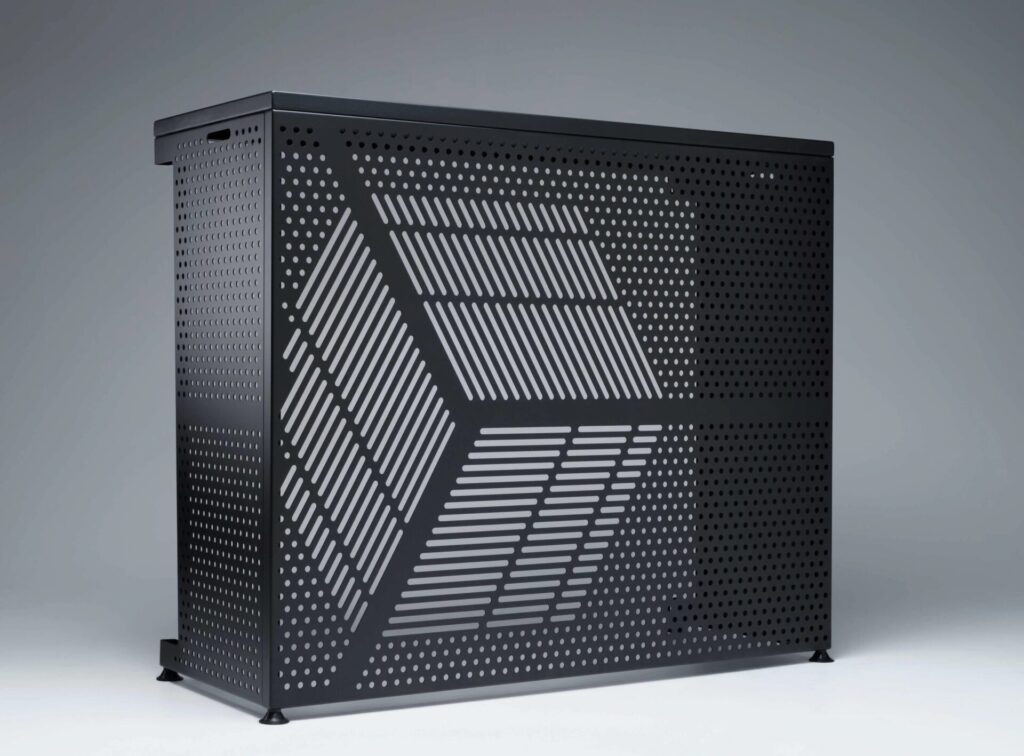
Early prototypes were made locally, but the cost and limitations of one-off fabrication pushed him to look overseas. After contacting about twenty fabricators and testing multiple samples, one manufacturing partner stood out, and the first production run of Hangar’s covers was born.
That first batch revealed an even bigger challenge: the HVAC industry was full of nonstandard sizes and needs. What began as a quest to solve a simple design problem quickly turned into a lesson in manufacturing and scaling production.
Finding simplicity in sheet metal design
In the early stages, Planz relied on SketchUp and Illustrator to draft concepts. Those files were later converted into SolidWorks drawings by a local prototype shop—a costly and time-consuming process. “I would send the design to the shop that did the initial prototype, and they charged me a bunch of money to put it together in SolidWorks,” says Planz.
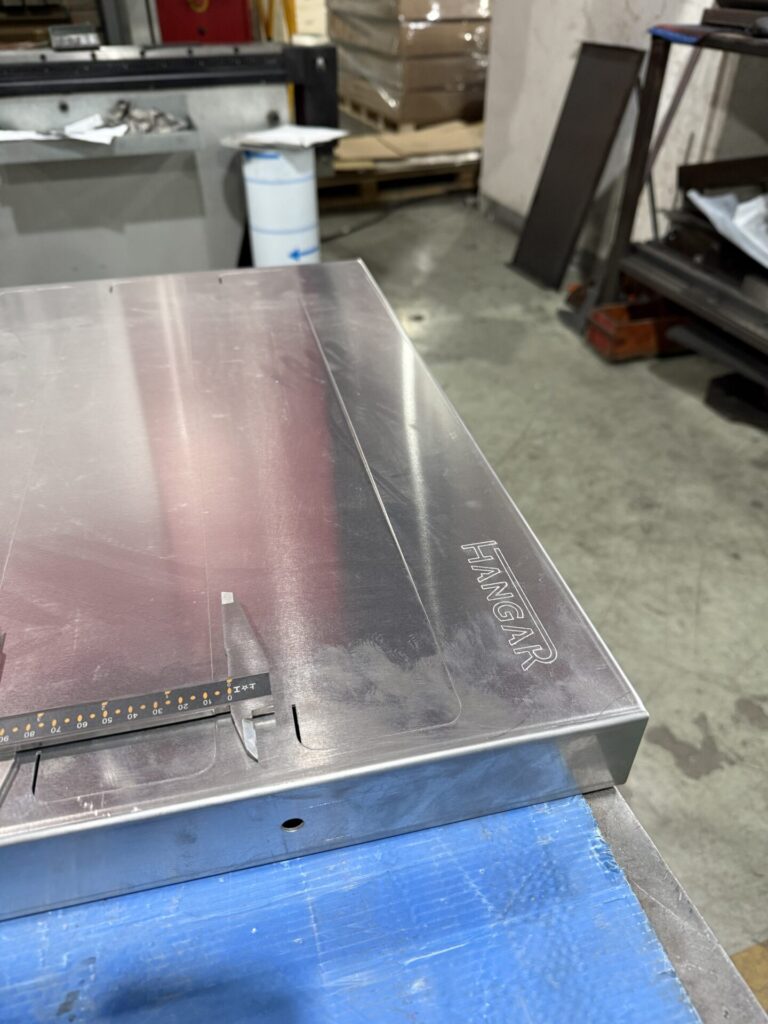
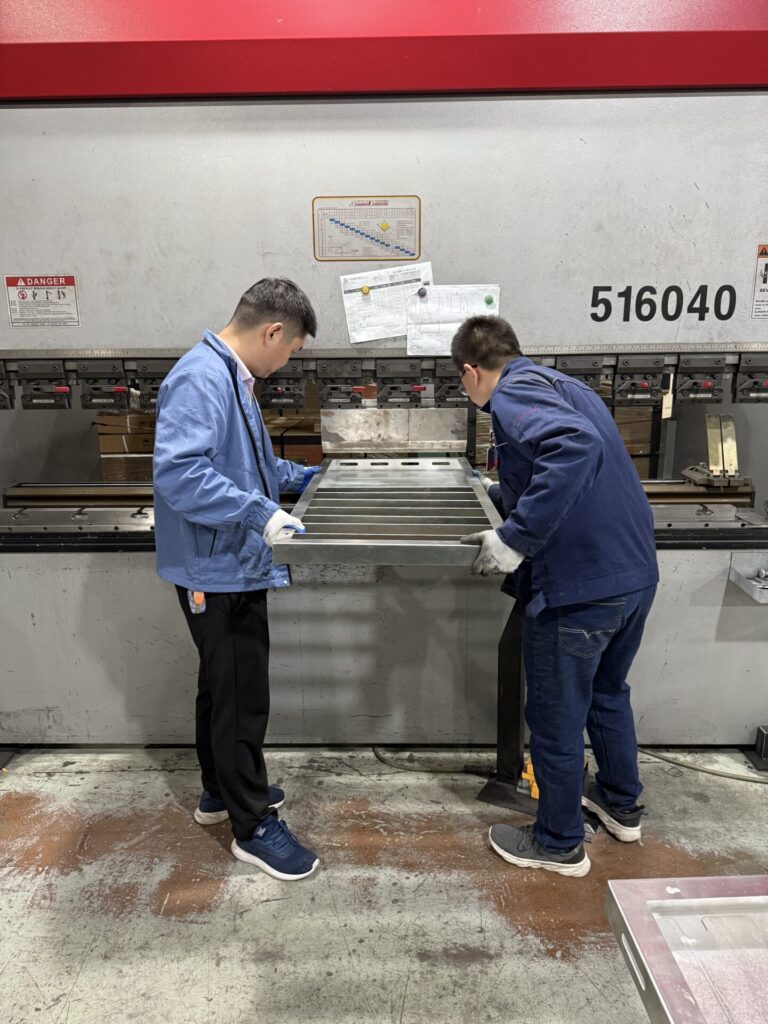
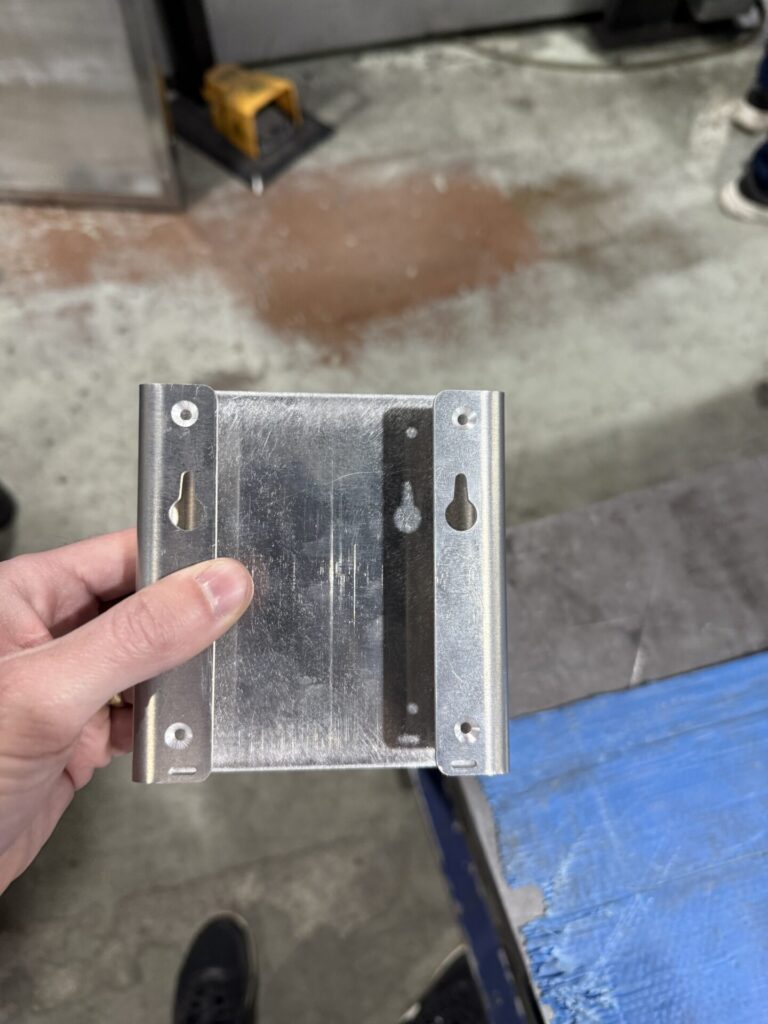
Needing to iterate from there, Planz also tried using SolidWorks to make adjustments to the design. “I started fumbling around in SolidWorks, and that’s when I remembered using Fusion a couple of years ago for another project,” he continues. “I went down the rabbit hole on sheet metal design with Fusion, and it was super easy.”
Autodesk Fusion’s intuitive sheet metal environment gives Hangar direct control over every bend, fastener, and cutout. It replaced a disjointed workflow with a single, cloud-based platform for modeling, testing, and collaborating with overseas partners. “We put in all our components and do our modeling in Fusion. The factory takes that all straight out of the STEP file and knows precisely what we’re trying to do.”
Building a streamlined workflow in the cloud
Hangar’s design process now flows from concept sketches to fully detailed Fusion models. Planz often begins with contractor feedback, then prototypes new versions using Fusion’s modeling and simulation tools. “If a block of ice falls off somebody’s roof, I can quickly calculate what that force is and then put that into Fusion,” he says. “I can then show a customer and confidently say, ‘This is going to be your actual deflection.’ I don’t have an engineering background, but it’s very easy for me to jump into Fusion and do that.”
When working on custom hail guards for a school in Indiana, he applied a design agency approach by creating several design concepts before moving into Fusion to expedite precision modeling. “We designed a handful of concepts, made prototypes, got up on the roof, and tried to install them. It didn’t work perfectly right away, but that’s part of the design process.”
Designing for bigger challenges
When Johnson Controls (JCI) reached out after discovering Hangar online, Planz already had the foundation to take on a much larger challenge: supplying custom hail guards for the Apple campus in Texas.
“[JCI] called us asking for a smaller version of the industrial-scale hail guards, which we didn’t even produce at the time,” he says. “It was pretty easy to say, ‘ok, send us your drawings for the compressor unit.’ We then took those drawings, put them in Fusion to create a concept, and began modelling directly to those specifications.”
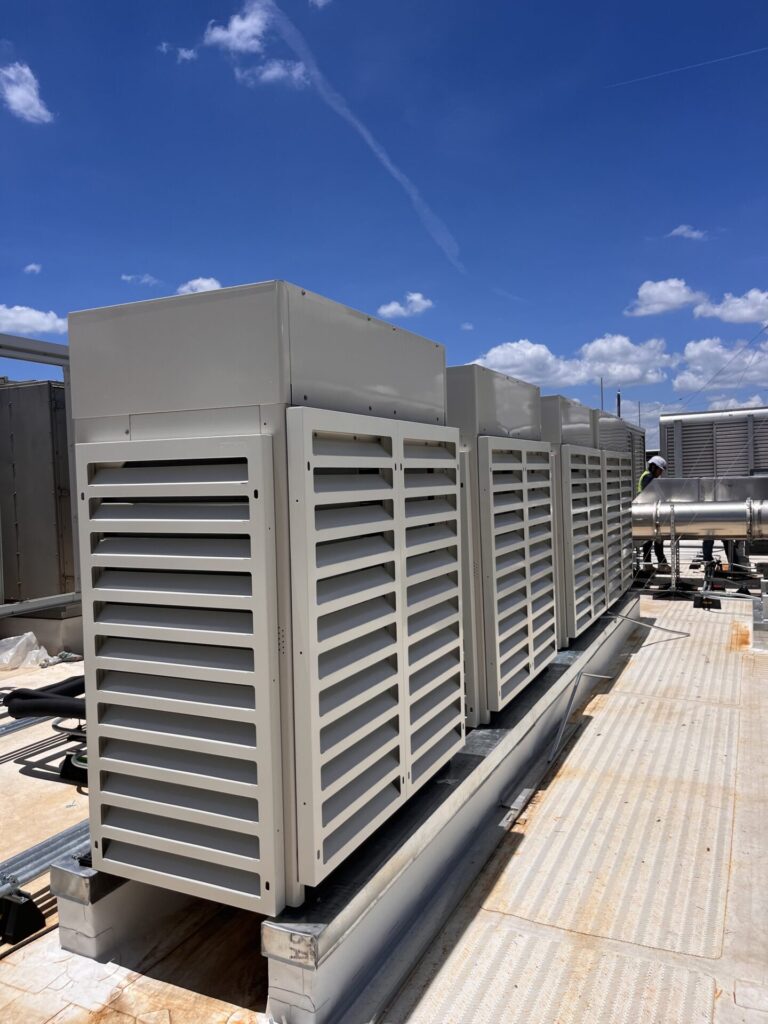
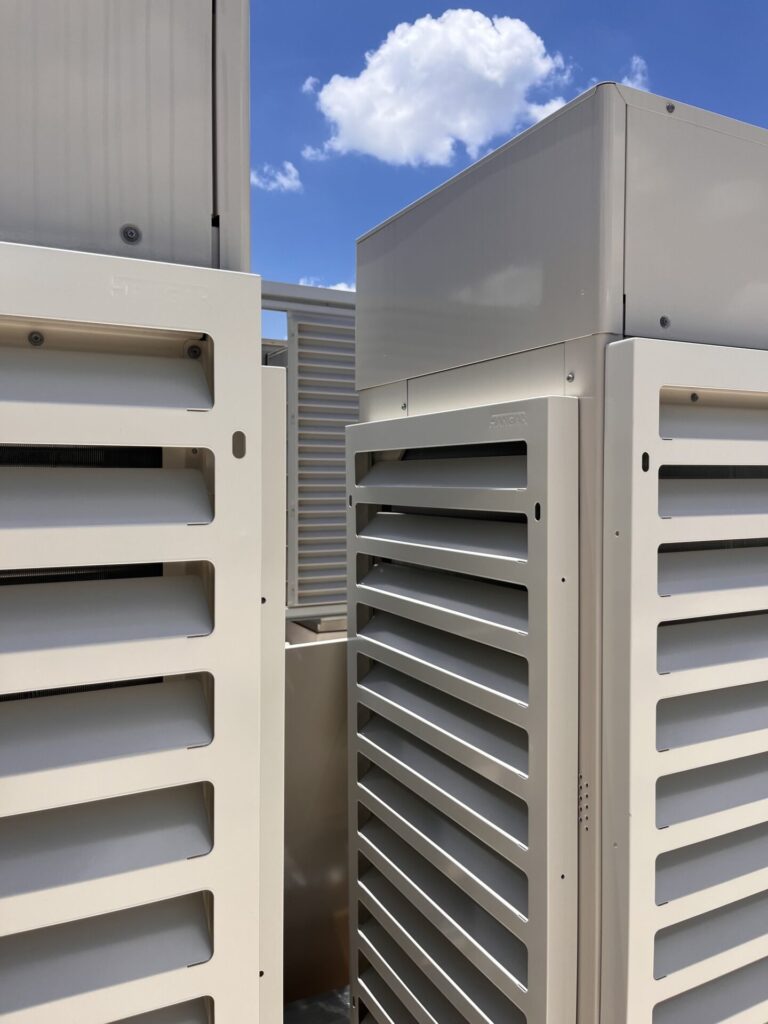
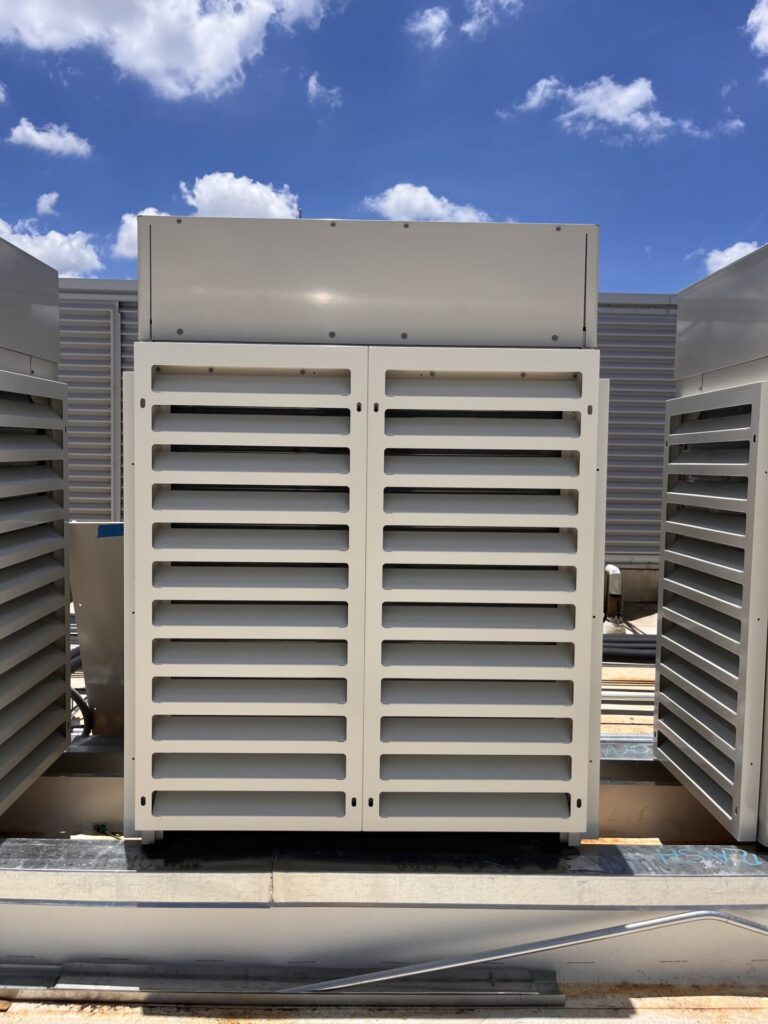
Planz traveled to Texas to verify compressor measurements before finalizing models and sending production files to the factory. Fusion’s simulation tools helped validate the structure’s durability and guided refinements in manufacturing. “With Fusion, I was able to start from sketches, check tolerances, export the file for renders and factory use, and iterate with the factory until a production-ready prototype was achieved.”
The team uses Fusion’s McMaster-Carr integration to specify hardware components like fasteners and share completed STEP files and redlined drawings with the overseas factory. “Fusion lets me create and modify production-ready models quickly and collaborate with our production partners in China efficiently. I can design, test, and send production files directly to the factory—all from one place,” Planz explains. “That used to take weeks; now it’s just days. It’s a huge time saver.”
What began as a single-size air conditioner cover now includes multiple models, including the Snowcap—a wedge-shaped rain and hail cover that has become Hangar’s most profitable product. “Contractors love it,” Planz says. “They order them in bulk and put them on all their projects basically as insurance.”
With Fusion at the core of its design process, Hangar has cut iteration time dramatically and improved communication between design and manufacturing. “Now I have all the tools to start from scratch and design something rather than trying to edit other people’s models. We can go from idea to installation faster without losing creative control.”