 Emily Suzuki
Explore how educators and employers are collaborating to close the engineering skills gap through curriculum innovation, hands-on learning, and industry-integrated workforce development.
Automation, smart manufacturing, and digital transformation are fueling rapid industry growth, but demand for engineering talent continues to outpace supply. The U.S. Bureau of Labor Statistics projects over 200,000 openings annually in industrial and mechanical engineering through 2033, an increase of more than 8%.
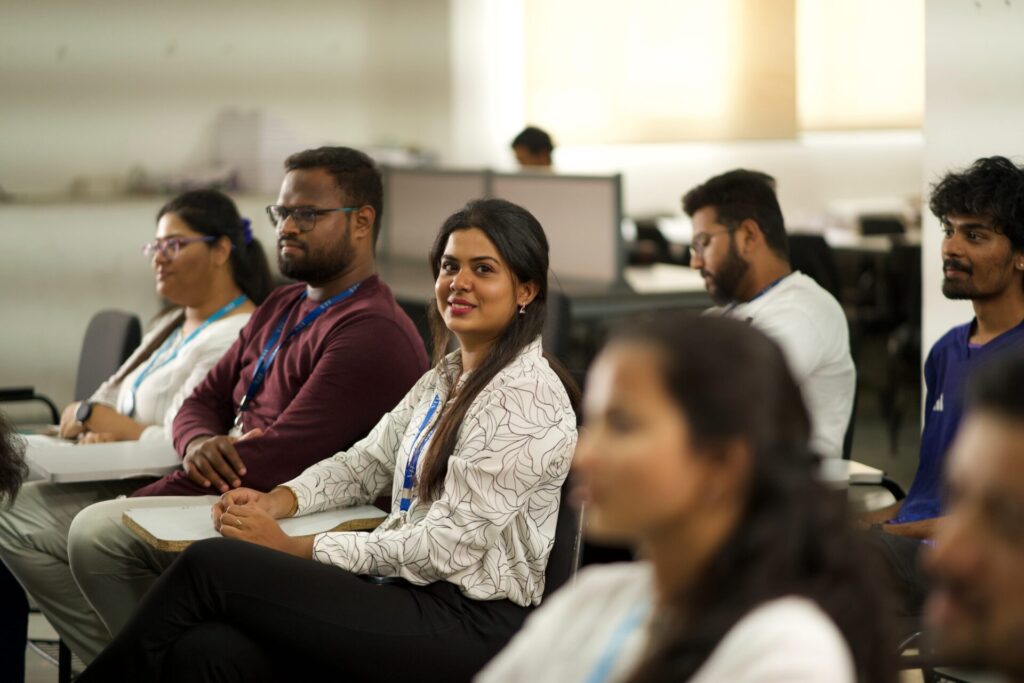
Addressing this widening skills gap has become a shared responsibility between educators and employers. Both are rethinking how engineers learn, work, and grow. They’re creating new pathways that link education, technology, and on-the-job experience to prepare the next generation for a future defined by adaptability and innovation.
Let’s explore how both academia and industry are transforming their approaches to equip engineers with the diverse, interdisciplinary skills needed to thrive in this new era.
Curriculum overhaul: From silos to systems
Higher education institutions are reimagining how engineers learn. Traditional, discipline-siloed curricula are giving way to project-based programs that emphasize systems thinking, AI, robotics, and sustainability. Universities now combine foundational theory with real-world complexity, teaching students to approach design and manufacturing as interconnected ecosystems.
Online labs and modular degree tracks have made learning more agile, allowing students to pivot toward emerging technologies or cross-disciplinary fields as industry needs evolve. The result is an education model that mirrors the dynamic, iterative nature of modern engineering work.
Expanding Flexibility and Access
The pandemic accelerated the adoption of hybrid and virtual formats, embedding flexibility into modern education. Students now expect digital platforms that deliver high-quality, interactive experiences accessible from anywhere. Personalized learning paths—customized by interest, pace, and career goals—are becoming a competitive advantage for institutions.
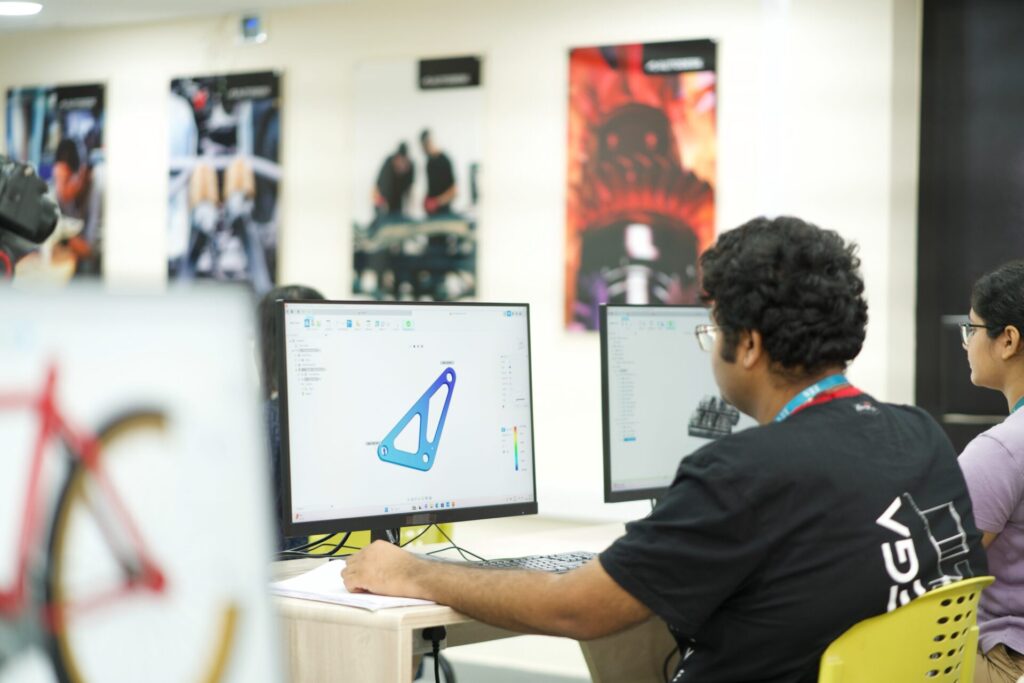
Simultaneously, educators and employers are expanding access and inclusion. Diversity is recognized not just as a moral imperative but as an engine of innovation. Initiatives like open-access courses, industry scholarships, and partnerships with community colleges are helping diversify the engineering pipeline. Leading universities such as MIT, Stanford, and ETH Zurich are pioneering models that prioritize experimentation and equitable opportunity.
Applying knowledge to real-world scenarios
One of the most notable shifts is the integration of authentic industry scenarios into learning. Programs increasingly include prototyping, end-to-end system design, and sustainability-driven projects modeled after real production challenges. Nordic institutions, for example, lead with programs intertwining ethics, collaboration, and environmental awareness, producing engineers capable of thriving in multidisciplinary teams and startup environments.
This focus on tangible application ensures that students not only accumulate knowledge but also develop critical problem-solving and communication skills for complex engineering environments.
Industry as the Learning Lab
Forward-looking companies are redefining how engineering talent develops by bringing education into the workplace. Partnerships with universities have evolved beyond internships, enabling embedded “learning in production” experiences that expose students to smart factories, automation systems, and sustainability projects in real time.
JDD Furniture, for example, runs a hands-on student placement program that gives engineering and design students the chance to learn industry tools like Autodesk Fusion, contribute fresh ideas, and gain real-world experience across the business. The program exposes students to professional design work and helps JDD identify and recruit emerging talent. Several participants have returned to join the company full-time.
Employers are similarly transforming professional development. Project-based onboarding, cross-functional mentorship, and training in systems engineering, cybersecurity, and green technologies help new engineers grow quickly. As hybrid teams become the norm, digital communication and project management are now core professional skills supported by employer-sponsored upskilling initiatives.
The educator-employer partnership
Sustained collaboration between academia and industry has become essential. Joint programs, research consortia, and co-developed curricula ensure that skill development reflects real-world demand. Industry mentors increasingly serve as guest lecturers and project advisors, ensuring students experience both theoretical rigor and practical application.
Graduate programs are evolving in parallel—expanding from technical mastery to include leadership, ethics, and sustainability. This alignment equips new engineers not only to build but also to lead responsibly in a changing global landscape.
Preparing the next generation of engineers
Educators and employers share a mission to cultivate engineers who are interdisciplinary, adaptive, and socially responsible. Achieving this requires continual renewal by updating curricula, investing in learning that supports real-world applications, and fostering diverse, inclusive communities that reflect global society.
As technology, collaboration, and sustainability reshape the profession, the education-to-employment journey must remain fluid. Those investing in adaptability today are building a resilient, innovative engineering workforce for tomorrow.
As the boundaries between academia and industry blur, tools that make advanced engineering more accessible are essential. Autodesk Fusion helps students, educators, and professionals collaborate within a single platform that unites design, simulation, and manufacturing. By giving learners hands-on experience with the same technology used in industry, Fusion bridges classroom theory with real-world practice and supports continuous skill development.
By integrating design and manufacturing in one environment, Fusion empowers the next generation of engineers to solve complex challenges with creativity, agility, and confidence.