Civil 3D
-

From Civil 3D to preliminary stormwater design: 5 InfoDrainage workflows
This tutorial series demonstrates an integrated Civil 3D and InfoDrainage workflow for preliminary stormwater design—from the initial site plan and pipe network through hydrologic analysis, hydraulic modeling, detention pond sizing, and design reporting. Want to follow along with the tutorials? We’ve put together a demo dataset containing the files used throughout all five workflows. The…
Drainage design
-
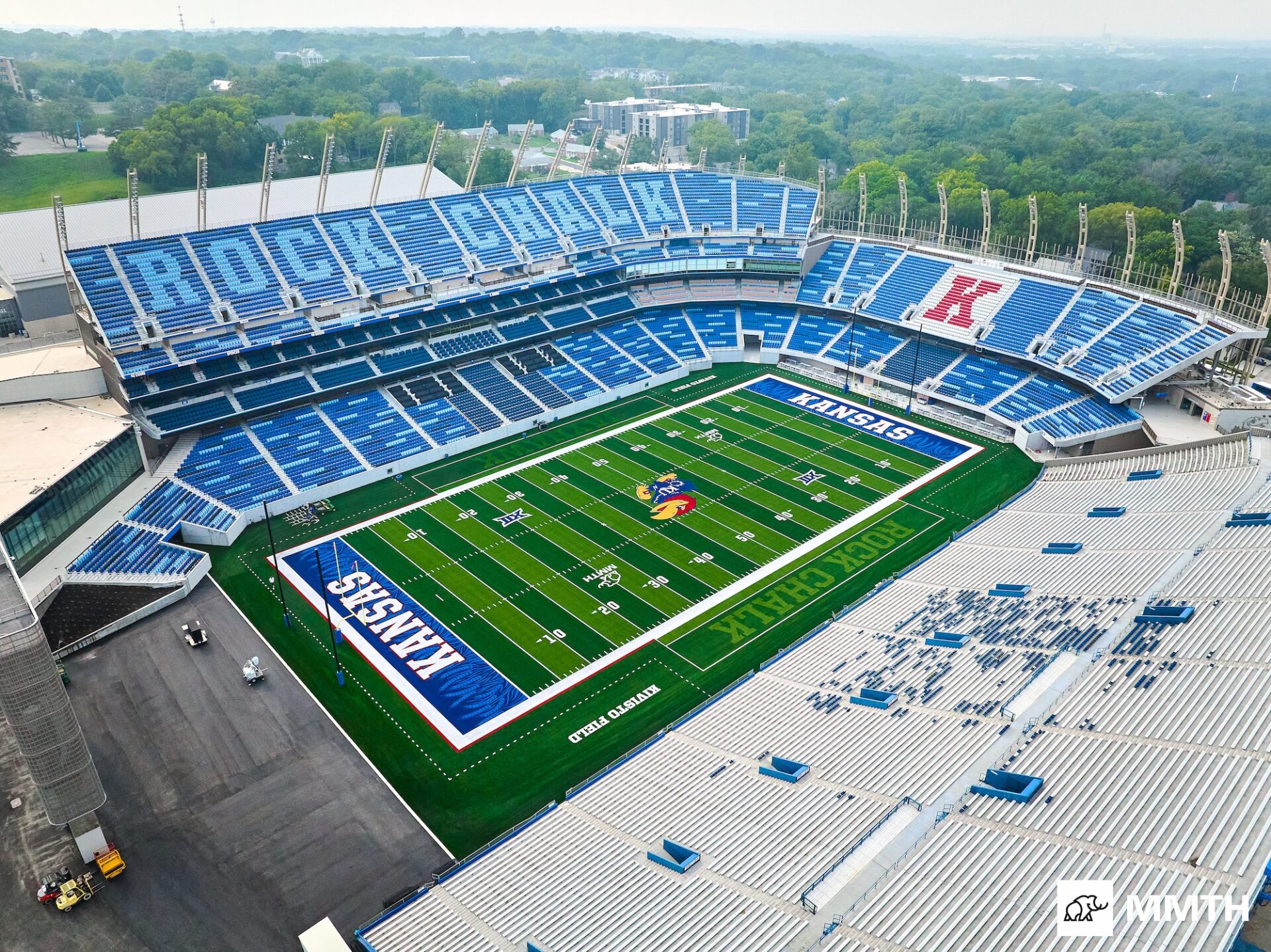
MMTH: Innovative sports stadium design and construction with Autodesk and TopCon Solutions
MMTH, a design firm specializing in sports stadiums, fields, and facilities, has always been driven by a singular vision: to create exceptional sports facilities that bring communities together. Notable projects include Kansas University’s Kivisto Field. On one of their latest projects, Silver Lake High School’s sports complex in Kansas, they showcased their innovation in designing…
Drainage design
-
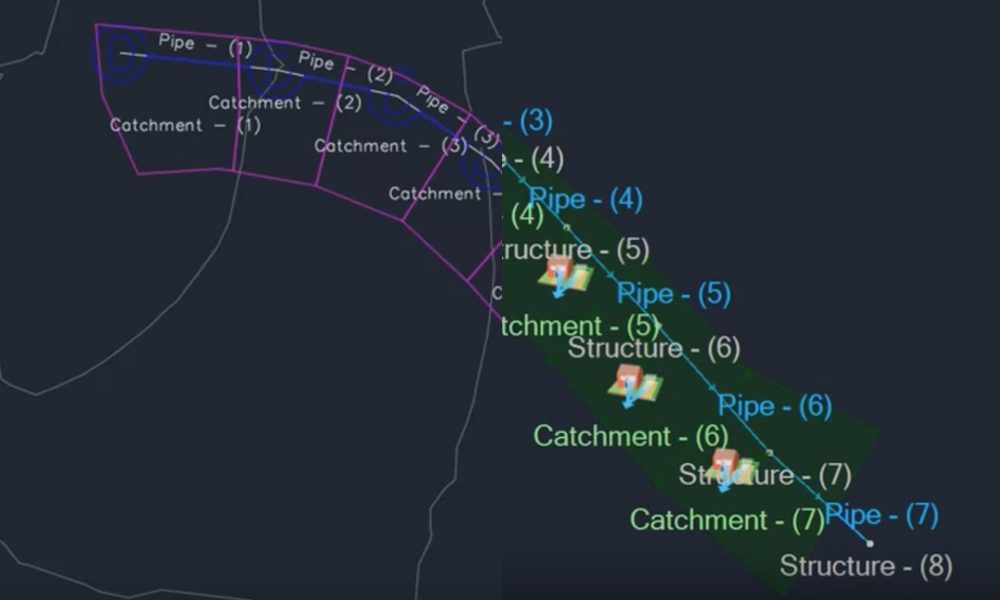
InfoDrainage vs Civil 3D drainage tools: What’s different – and when to use each one
Civil 3D 2026 drainage tools are best for analyzing the drainage system in your drawing (pipes, catchments, ponds), while InfoDrainage is best for design automation, iteration, and flexible reporting.
Drainage design
-
‘Transforming Drainage Design with AECOM’ using InfoDrainage + Civil 3D
As climate volatility and urban growth intensify, drainage systems are becoming a frontline resilience challenge. Across the UK and globally, heavier storms and expanding impermeable surfaces are overwhelming legacy sewer networks and increasing flood risk. These are a few reasons why regulation has been shifting toward more sustainable outcomes – and that’s why SuDS (Sustainable…
Drainage design
-
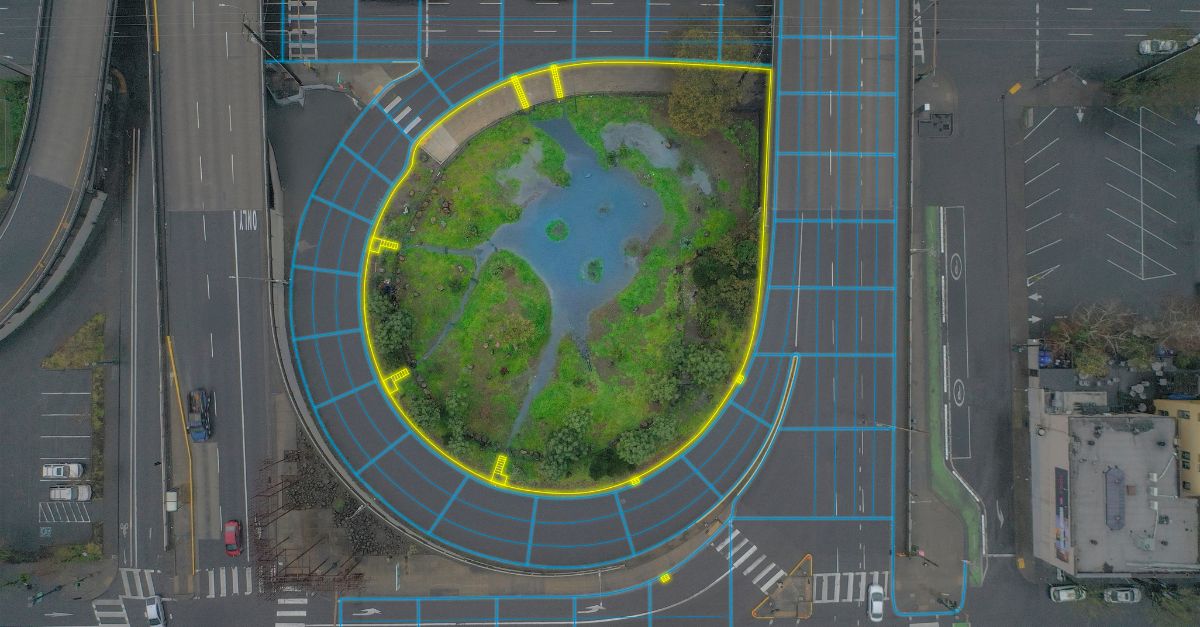
TR-55 Manual (PDF): Download the official USDA guide + an engineer’s guide
Download the latest official USDA TR-55 Manual and learn how the NRCS Curve Number method, Time of Concentration, hydrographs, and detention basin calculations are used in modern stormwater design. Technical Release 55—commonly called TR-55, TR 55, or TR55—is the USDA/NRCS Urban Hydrology for Small Watersheds manual. It is one of the most widely used stormwater…
Drainage design
-
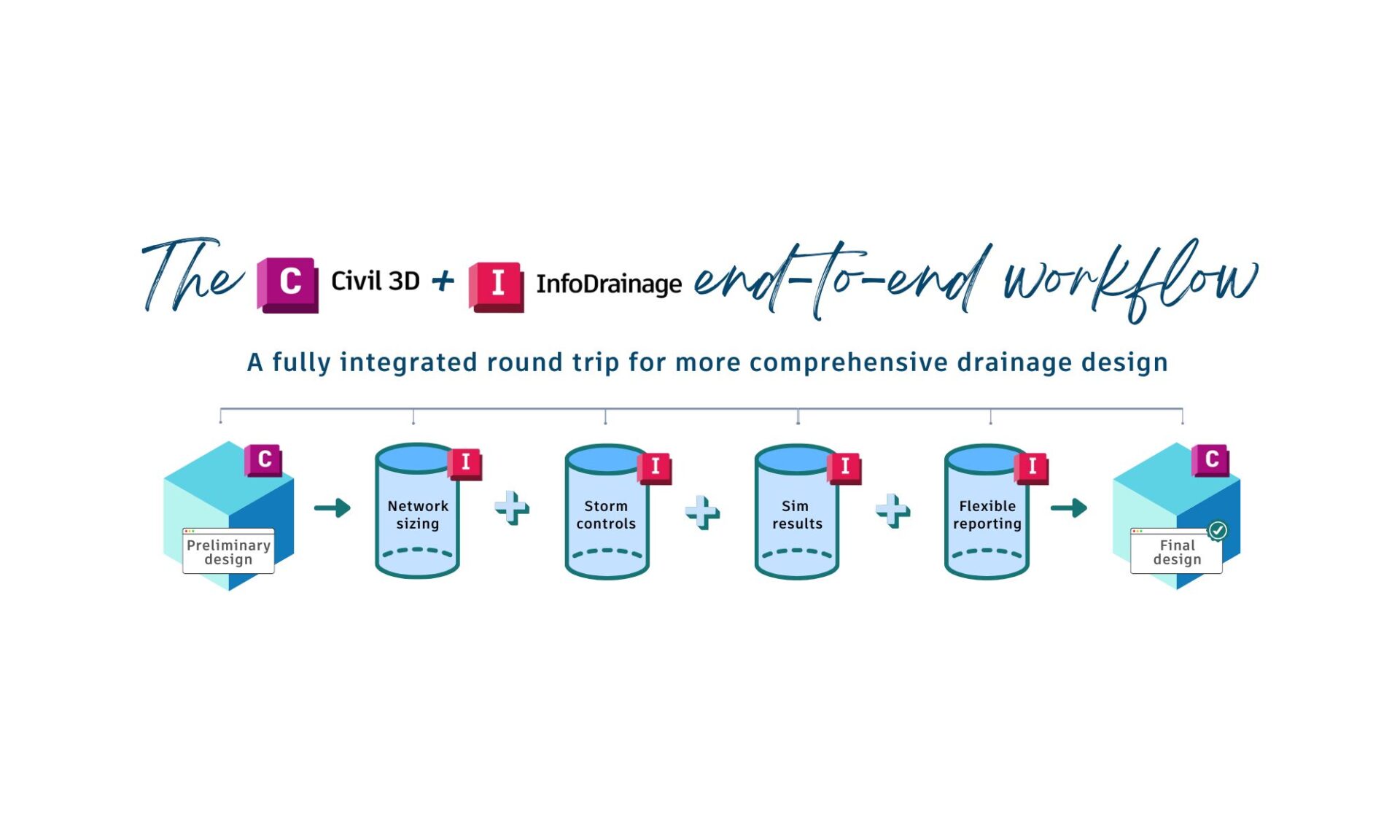
Integrated highway drainage design with the Civil 3D + InfoDrainage end-to-end workflow
Transportation infrastructure like highways and roadways remains a vital component of modern engineering work, but – as any highway designer knows – with it comes a series of rigid guidelines for drainage and regulatory compliance. Autodesk has long been helping engineers and designers build better highways, and part of that mission is delivering drainage design…
Drainage design
-

Predicting water demand by collaborating between InfoWater Pro + Civil 3D, via the Autodesk Connector for ArcGIS
Predicting demand for water isn’t as simple as counting new construction units. It can become more difficult when two different professions do the forecasting, but the ArcGIS Online connection between InfoWater Pro and Civil 3D allows you to share the same data and approach. To show you how it works, we teamed up with Symetri…
Water distribution
-
How InfoDrainage integrates with Civil 3D and how this drainage integration has grown rapidly
Our team of drainage experts and product developers have made it their mission to solve this industry challenge through expanding integrations between InfoDrainage, Autodesk’s drainage design solution, and Civil 3D, the world’s foremost civil design software.
Drainage design
-
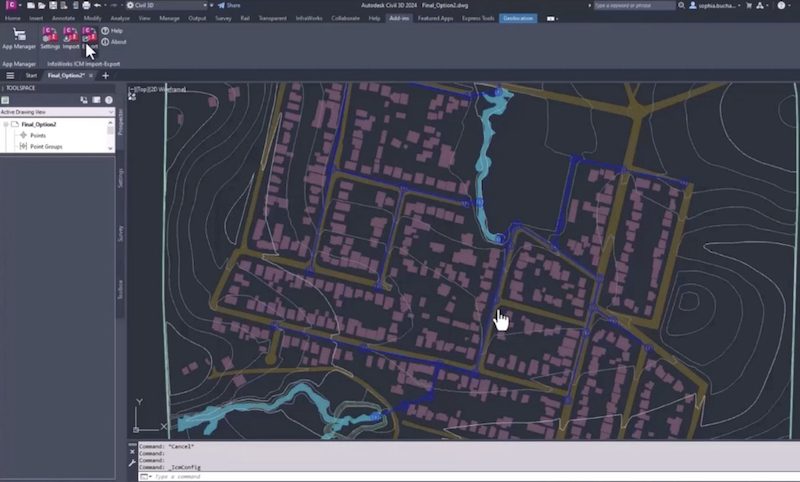
InfoWorks ICM now integrates with Civil 3D, uniting designers with hydraulic modelers for flood analysis
Everything in the built environment progresses through the planning phase and design phase, before eventually being constructed and operated. In the planning phase, sites are scoped, drainage studies are completed, and hydraulic analyses are run to understand where and when capital improvements are needed. Powerful hydrologic modeling tools like InfoWorks ICM are vital to engineers…
Product news