-
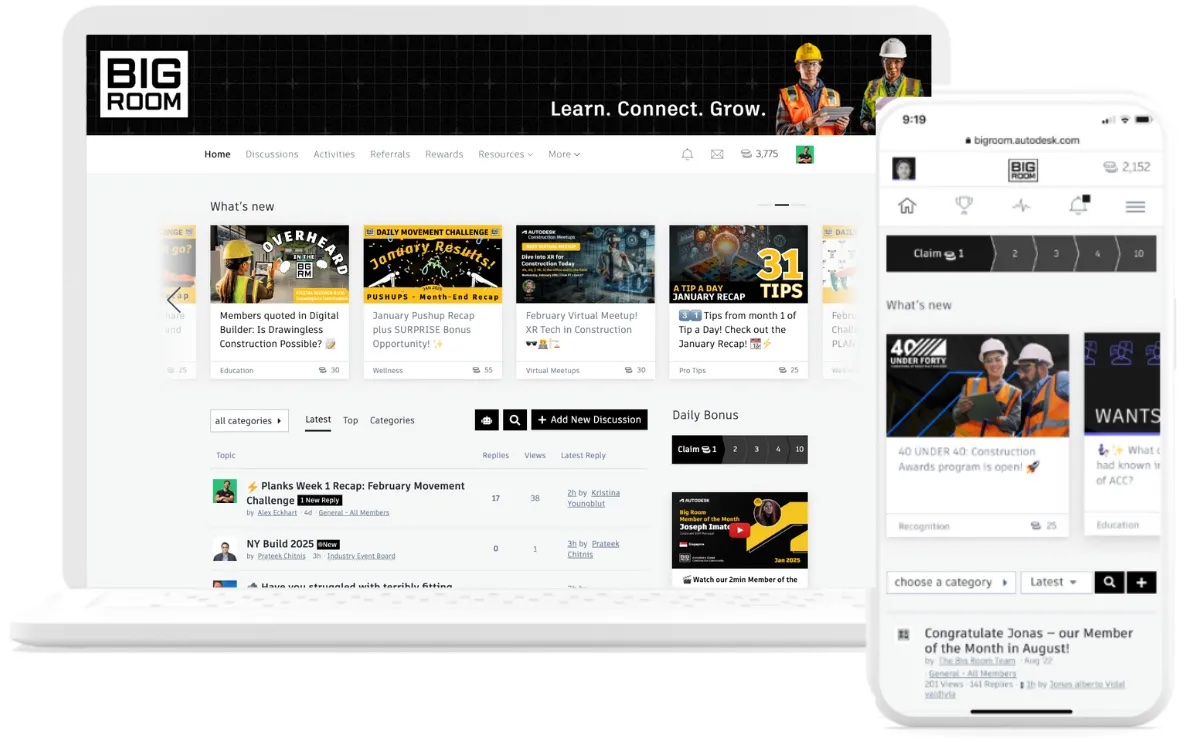
The ‘Big Room’: A community for water infrastructure professionals
Autodesk’s Big Room is an online customer community designed to help AECO professionals connect, learn, and share knowledge. For water industry professionals, it’s becoming a space for collaboration around digital delivery, infrastructure modernization, and practical problem solving. Do you regularly participate in online forums designed for water professionals? Whether the answer is yes or no,…
Industry news
-
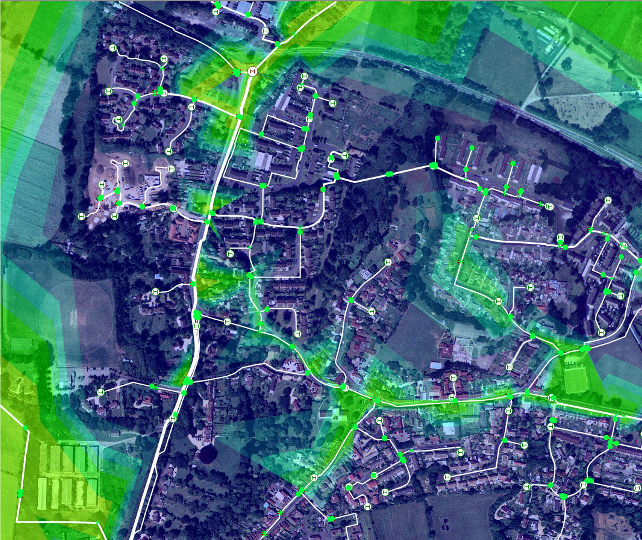
InfoWorks WS Pro 2027.1: Richer mapping, smarter support, better workflows
InoWorks WS Pro 2027.1 brings seamless access to Esri basemaps through the ArcGIS Maps Map Control, introduces Autodesk Assistant as a Technical Preview within InfoWorks WS Pro, and includes a range of usability improvements designed to help modelers work more efficiently. Together, these enhancements make it easier to build, analyze, and communicate water network models…
Product news
-

What is a ‘Sponge City’? Examples, benefits, and Kongjian Yu’s vision
Sponge cities are urban areas designed to absorb, store, filter, and reuse rainwater through green infrastructure, wetlands, permeable surfaces, and sustainable drainage systems. Instead of rapidly channeling stormwater away through pipes, sponge cities work with natural water cycles to reduce flooding, improve water quality, recharge groundwater, and increase climate resilience. Cities are facing two contradictory…
Commentary
-

InfoDrainage 2027.1 adds Autodesk Assistant
InfoDrainage 2027.1 is now available, delivering new capabilities designed to help drainage engineers work more efficiently, model real-world conditions more accurately, and gain greater confidence in their results. In this latest version, Autodesk Assistant is now directly available within InfoDrainage, making it easier than ever to access guidance and support without interrupting your workflow. We’ve…
Product news
-

Coming to Esri UC 2026? Stop by or book a time slot.
The Esri User Conference returns to the San Diego Convention Center this July 13–17, bringing together thousands of GIS professionals, infrastructure leaders, technology experts, and innovators. It’s the world’s largest GIS event, focused on the latest advances in ArcGIS and the role of location intelligence in helping organizations solve problems, make decisions, and shape the…
Events
-

When can you trust a flood model? Accuracy, calibration, and uncertainty explained.
Flood models are used to make important decisions: That’s why one of the most common questions in hydraulic modelling is: How accurate is the model? It’s a reasonable question. Engineers spend significant time calibrating models against observed water levels, flow rates, and flood extents. A model that cannot reproduce reality has limited value for planning,…
Hydraulic modeling
-

Why integrated hydraulic modeling is becoming essential for Middle East water infrastructure
Across the GCC and wider MENA region, utilities, municipalities, and engineering consultancies are accelerating investment in hydraulic modeling, stormwater management, flood resilience, and wastewater infrastructure modernization. From Dubai and Riyadh to Doha and Jeddah, large-scale urban expansion and climate-driven rainfall events are increasing pressure on drainage networks, sewer systems, and water infrastructure. Integrated approaches can…
Commentary
-

Why water professionals can’t miss Autodesk University 2026
Looking to stay ahead of the latest trends in digital water infrastructure? Autodesk University 2026 offers a unique opportunity to learn from industry leaders, connect with peers, influence product direction, and explore the technologies shaping the future of water. Here’s why water professionals won’t want to miss this year’s event in Las Vegas, including a…
Events
-
Why better PRV modeling leads to better pressure management
Some hydraulic modeling software maintains downstream pressure artificially whenever sufficient upstream head exists. While computationally convenient, this can mask valve sizing and operational issues that become apparent under varying flow conditions. Learn how InfoWorks WS Pro improves PRV design using valve headloss curves to give you a more realistic view of what’s happening. Pressure Reducing…
Hydraulic modeling
-

Digital maturity in water utilities: Join Autodesk at AWWA ACE 2026
The water industry is navigating a defining moment. Utilities are being asked to improve reliability, reduce water loss, manage aging infrastructure, respond to climate-driven events, and make smarter capital investments – all while facing workforce constraints and funding uncertainty. At AWWA ACE 2026, Autodesk will join water professionals from across North America to explore how…
Events