Drainage design
-
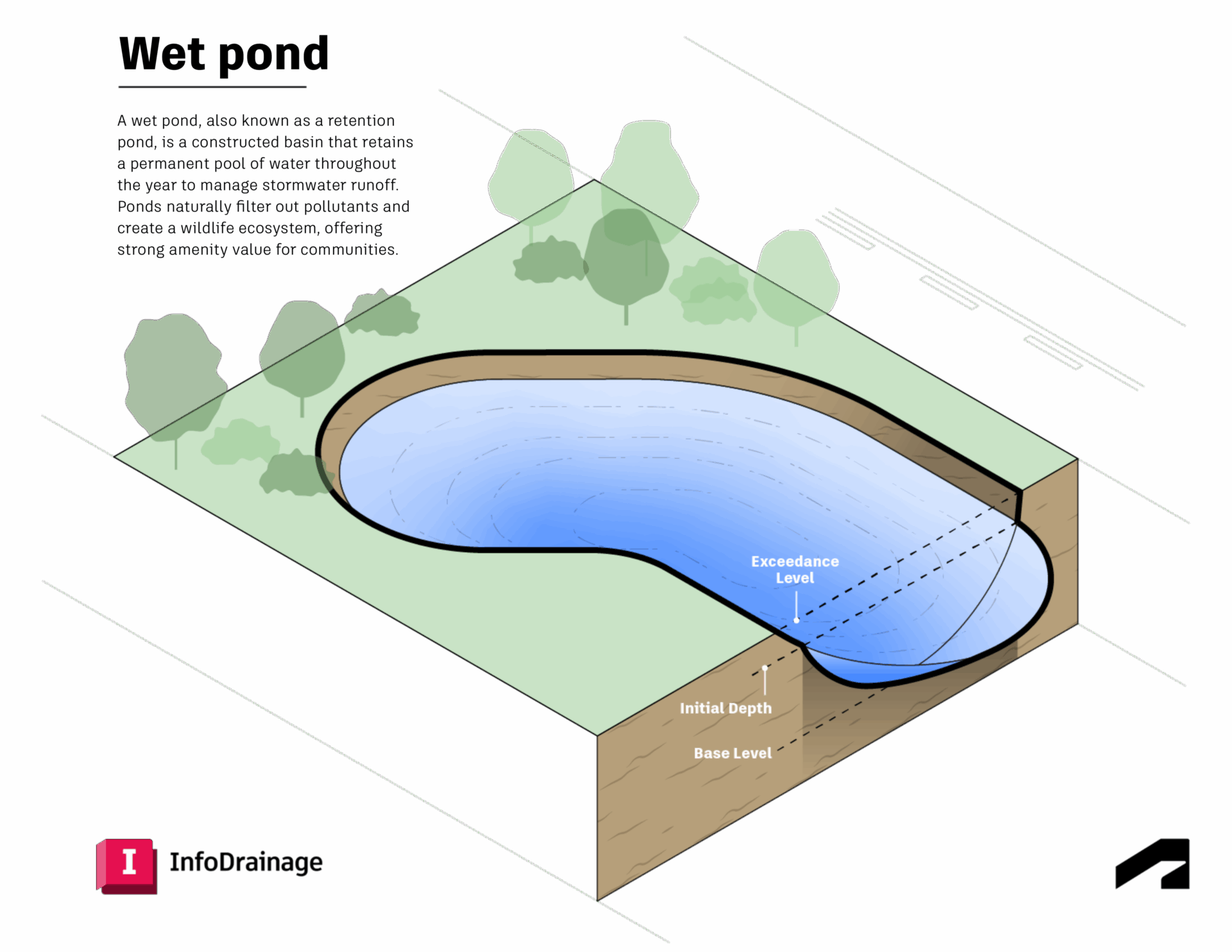
The role of wet ponds and infiltration basins in sustainable drainage design
Wet ponds and infiltration basins are a common feature of Sustainable Drainage Systems (SuDS) and are widely used in urban drainage design to manage stormwater and rainwater runoff, as well as promote sustainable drainage practices. Ponds and infiltration basins are two of the most effective strategies in sustainable drainage design, offering multiple benefits beyond simple…
Storm, sewer, flood
-
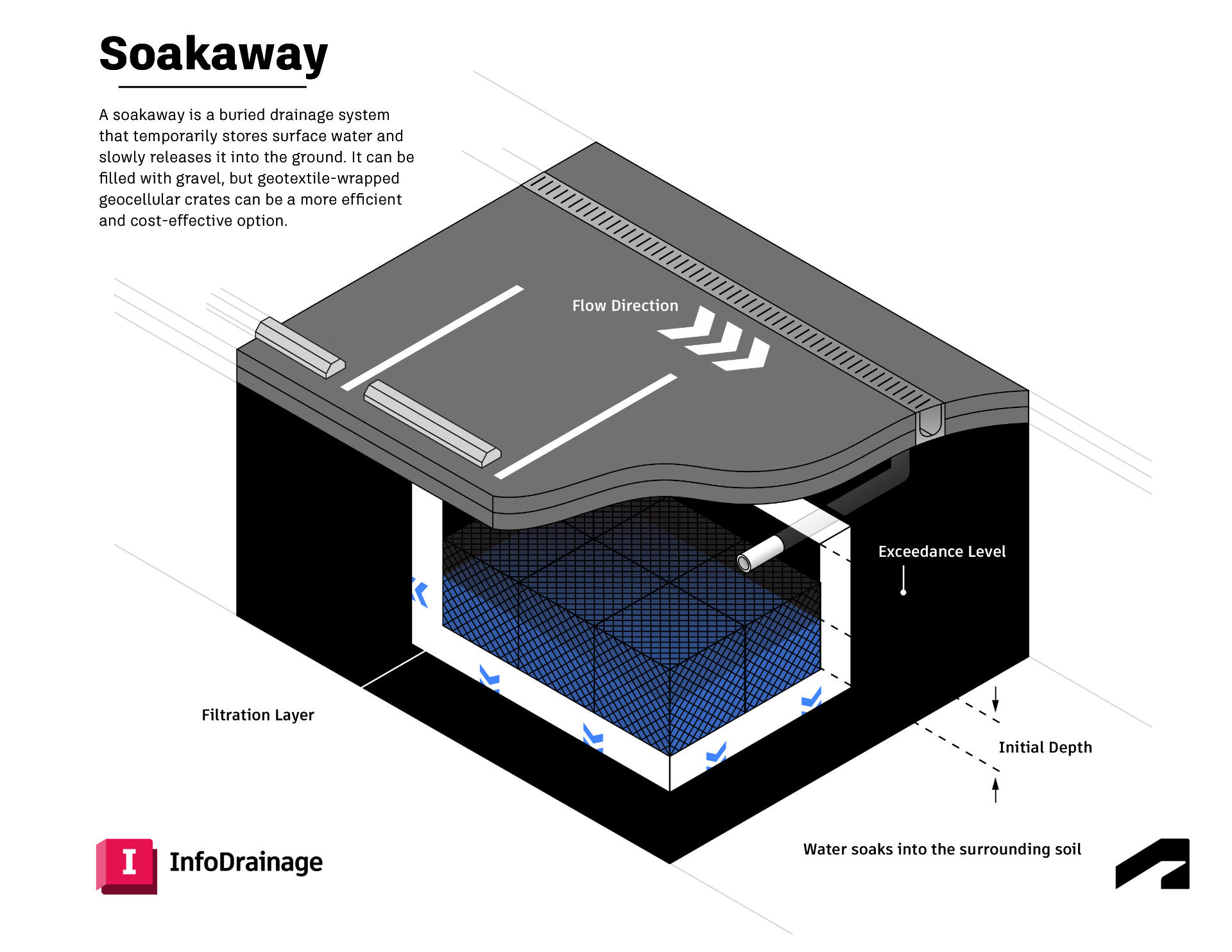
What are soakaways and how should they be designed?
Soakaways are a common feature of Sustainable Drainage Systems (SuDS) and are widely used in urban drainage design to manage stormwater and rainwater runoff, as well as promote sustainable drainage practices. Evolving weather patterns and increasing rainfall lead to water and drainage challenges for homes, businesses, and infrastructure. Developers must incorporate drainage systems in their…
Drainage design
-
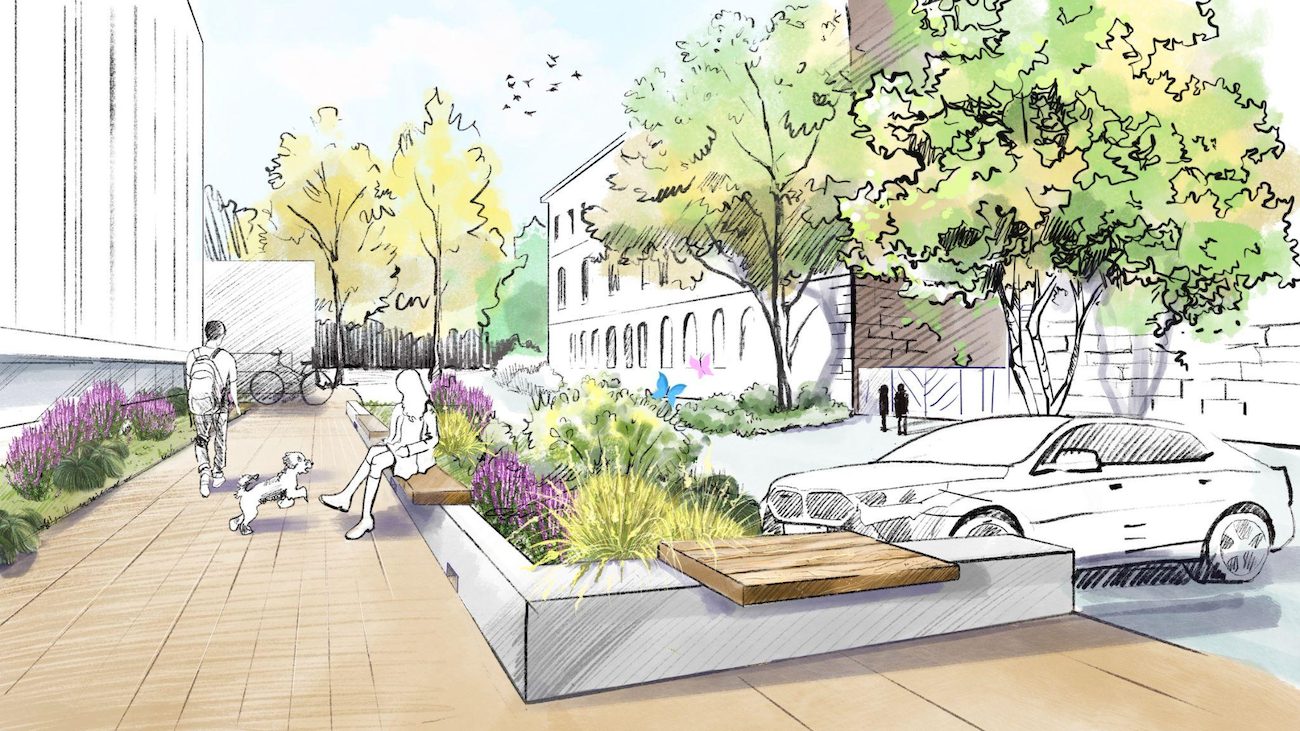
Smart City SuDS: How I built a practical toolbox for evaluating bioswales
We are pleased to spotlight guest author Mariya Bodylevskaya, who discovered InfoDrainage in the course of her studies around sustainable drainage at HFT Stuttgart. She shares her experience building a framework for better understanding and evaluating the performance of bioswales in urban environments. For several years, I have studied the topic of Sustainable Drainage Systems…
Drainage design
-

NZ firm Envelope: Building new communities that connect to the natural and cultural landscape
Envelope is a proudly Pasifika-owned New Zealand-based civil and structural engineering consultancy firm that is overflowing with home-grown personality. Assembled a decade ago, they are growing fast and have already opened their first international outpost in Glasgow. The firm is well-known for its vibrant people-first culture that leans heavily into Maori and Pasifika roots. They…
Drainage design
-

What is a bioretention system and how does it help control stormwater runoff?
Bioretention systems are a common feature of Sustainable Drainage Systems (SuDS) and are widely used in urban drainage design to manage stormwater and rainwater runoff, as well as promote sustainable drainage practices. Bioretention is a stormwater management practice that harnesses natural processes to treat and manage stormwater runoff from impervious surfaces such as rooftops, driveways,…
Sustainability
-
XPSWMM vs. InfoWorks ICM vs. InfoDrainage: Which solution do you need?
First released for Windows in 1997, XPSWMM aided stormwater and flood professionals in taking on the water challenges of its time. It was an incredibly powerful tool that the water industry adopted to solve the challenges it faced. But time and software development always marches on. Over time, most users adopted more powerful solutions like…
Storm, sewer, flood
-
Do you need a Rainwater Management Plan? This Irish manual provides excellent guidance.
Anthony McCloy is the managing director of McCloy Consulting and regularly speaks at conferences and seminars, provides university lectures, delivers national SuDS training workshops and has recently contributed to Ireland’s Rainwater Management Plans: Guidance for Local Authorities. Does your municipality need an RMP – a Rainwater Management Plan? In the UK, there are lots of…
Drainage design
-
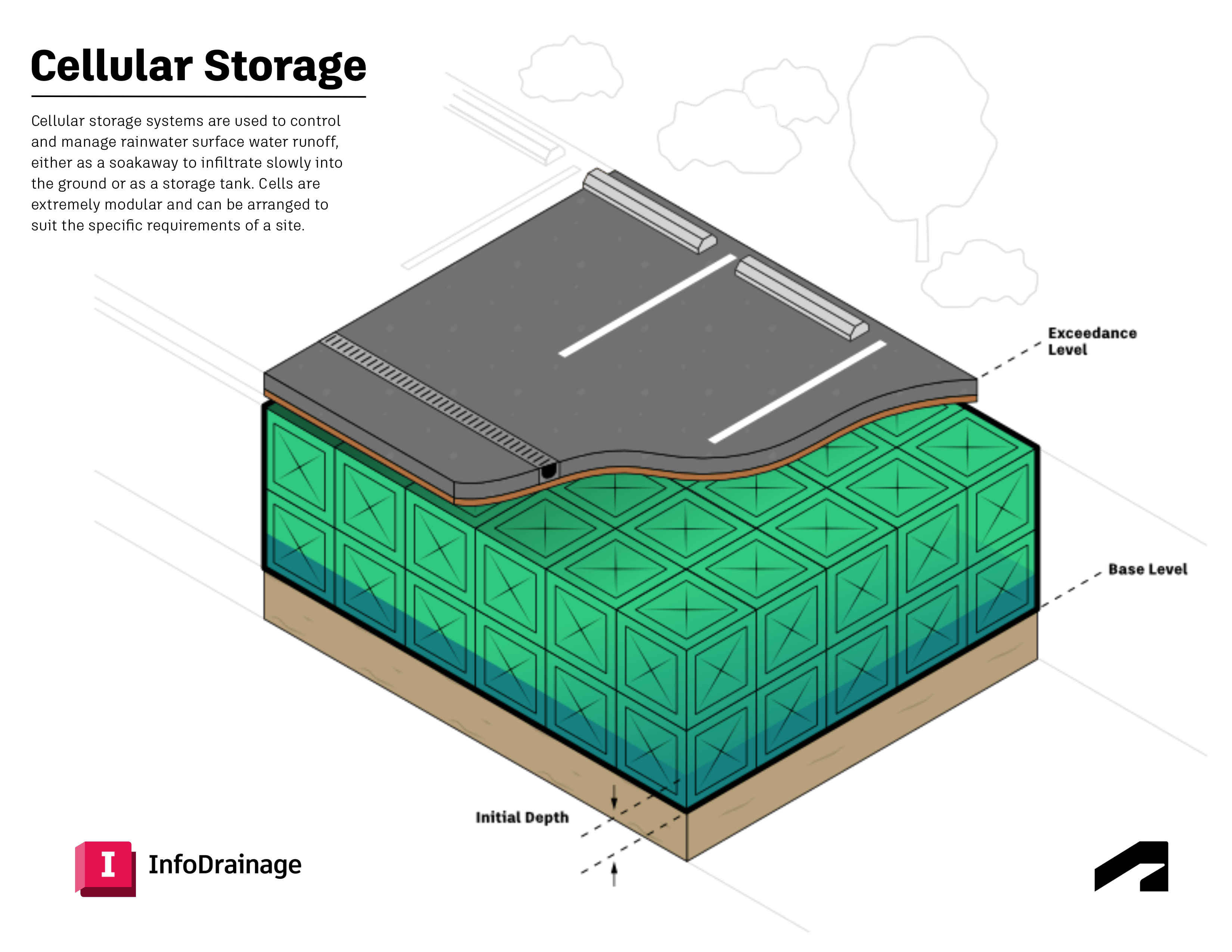
How does cellular storage work for stormwater control?
Cellular storage is a common feature of Sustainable Drainage Systems (SuDS) and are widely used in urban drainage design to manage stormwater and rainwater runoff, as well as promote sustainable drainage practices. Certain stormwater controls are designed in ways that effectively divert water away from a site – but not cellular storage systems. Sometimes also…
Drainage design
-
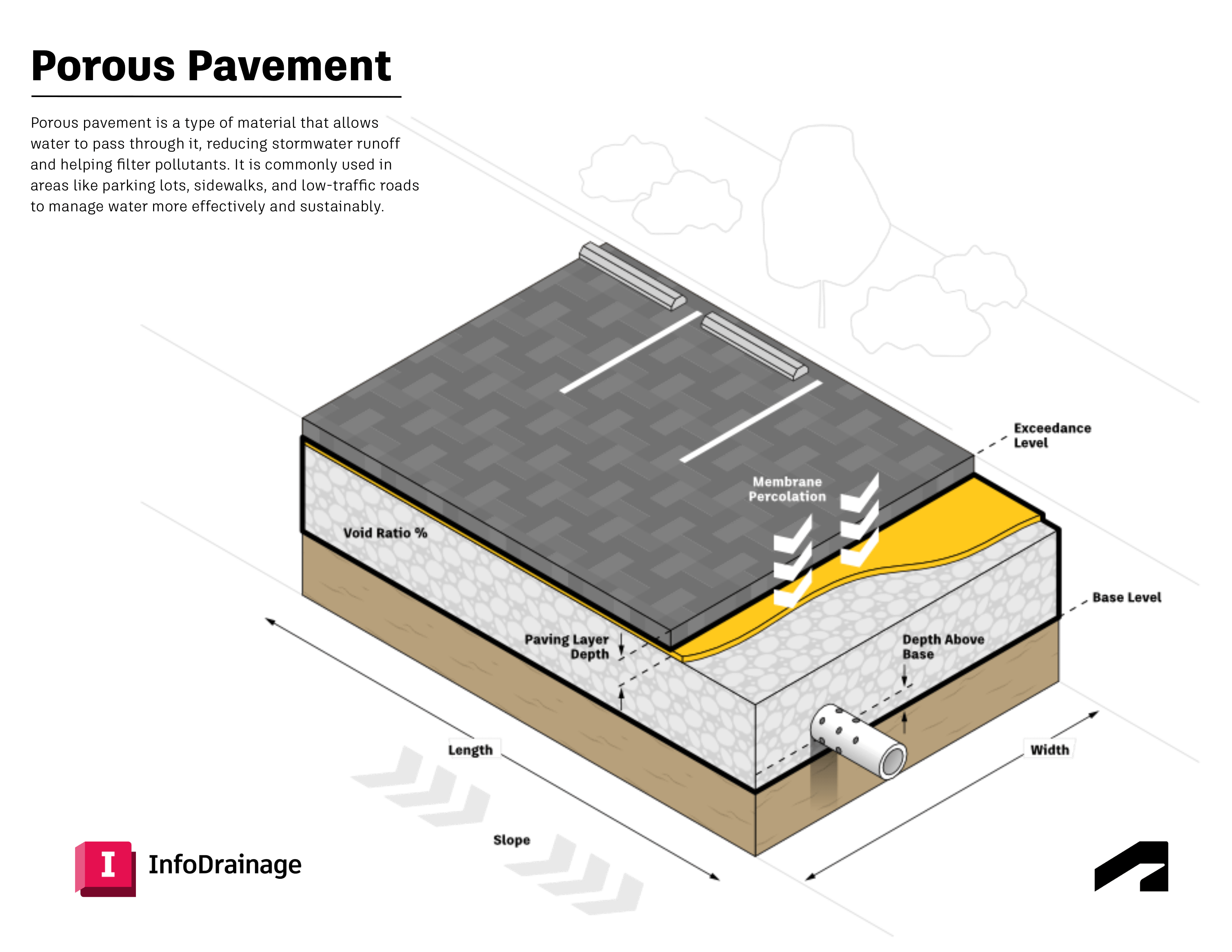
The benefits of porous pavement in drainage design
Porous pavement is a common feature of Sustainable Drainage Systems (SuDS) and are widely used in urban drainage design to manage stormwater and rainwater runoff, as well as promote sustainable drainage practices. Sometimes called permeable pavement, porous pavement is an innovative and environmentally friendly approach to managing stormwater runoff in urban areas. As cities have…
Drainage design
-
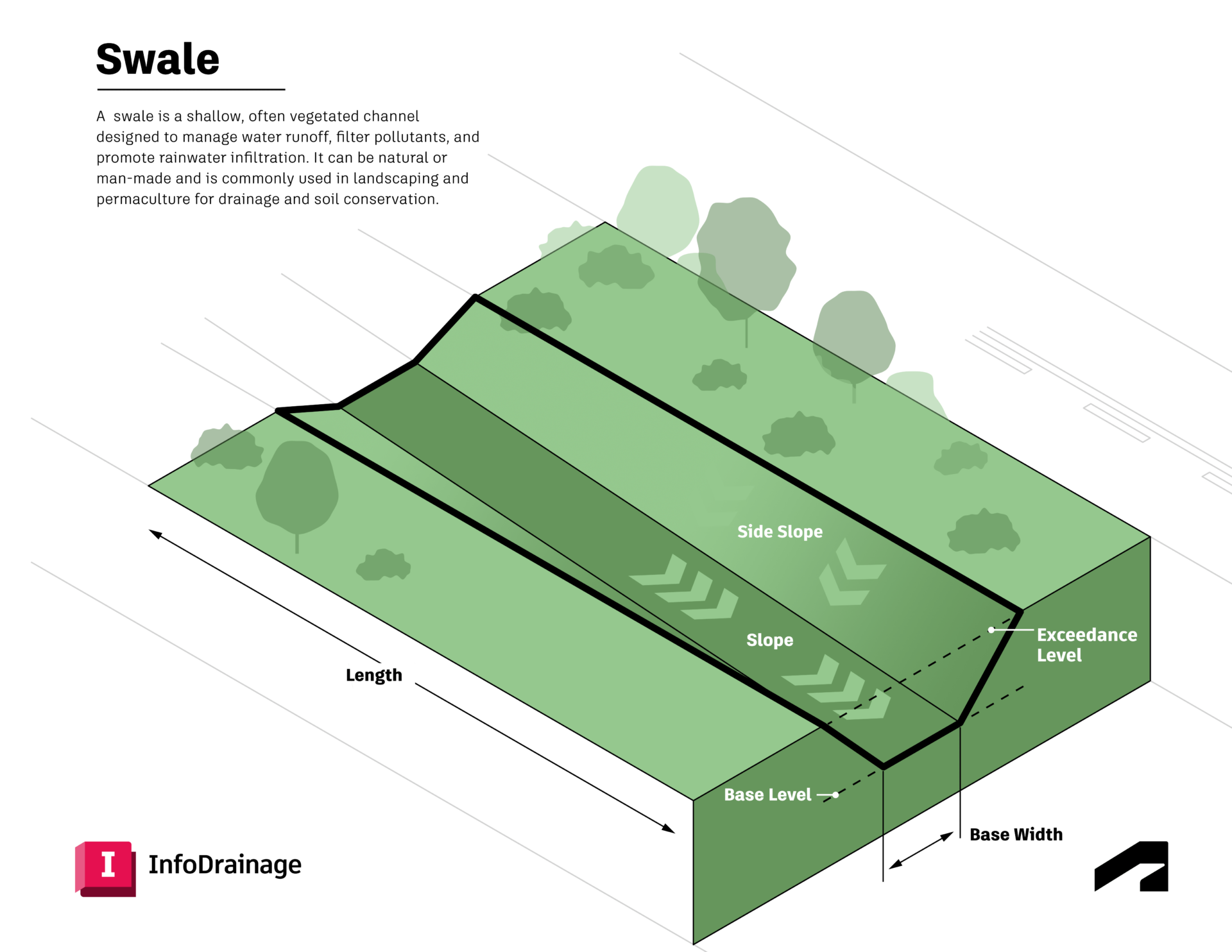
What is a swale – and how do they manage stormwater?
Swales are a common feature of Sustainable Drainage Systems (SuDS) and are widely used in urban drainage design to manage stormwater and rainwater runoff, as well as promote sustainable drainage practices. Swales are shallow, vegetated channels are designed to slow down, capture, and filter stormwater by controlling the flow of water through the swale, reducing…
Drainage design