
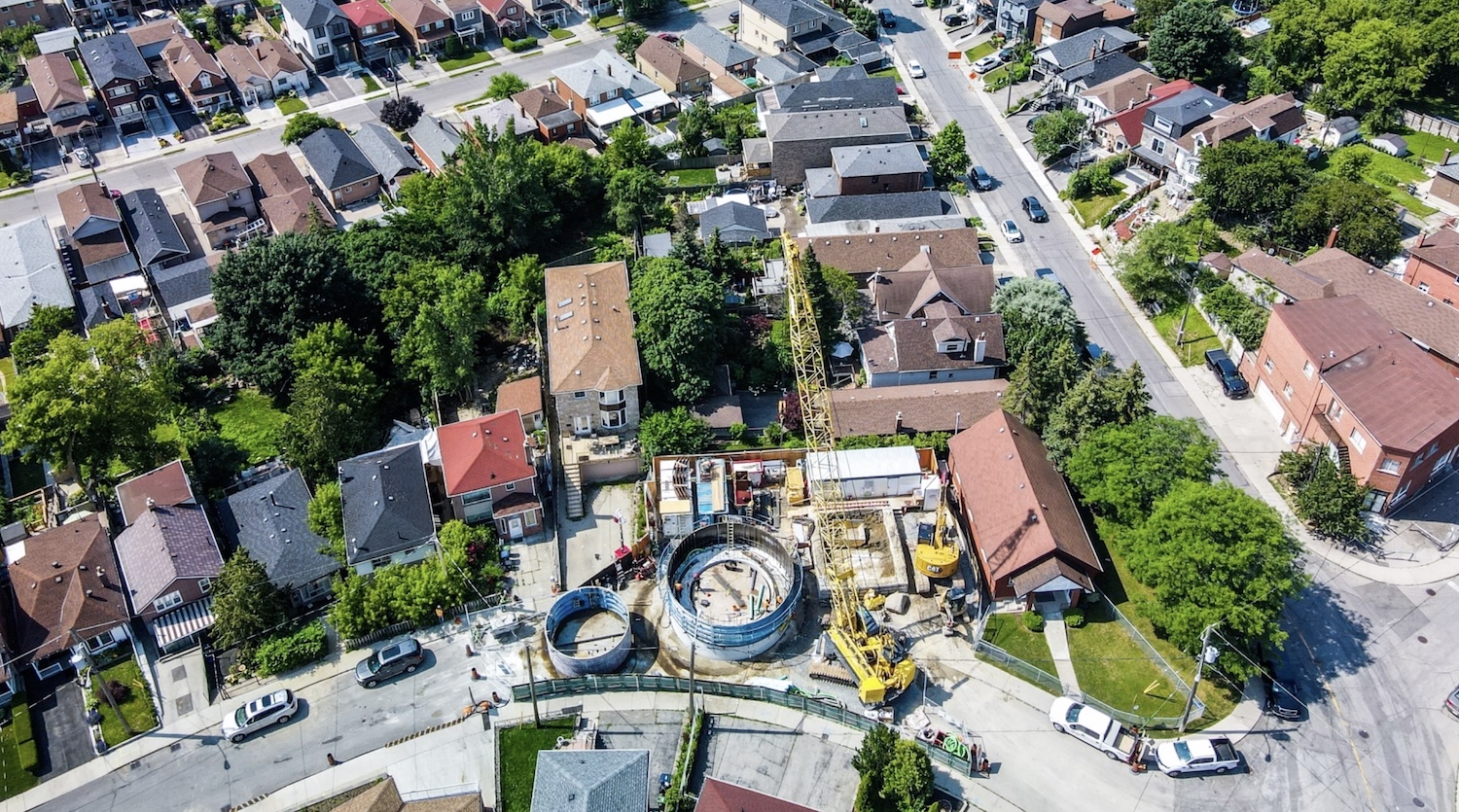
The Woodborough Park neighborhood in Toronto is part of the Fairbank-Silverthorn area, which experiences significant flooding challenges, especially during heavy rainfall events. Their two big problems are a long history of basement flooding and sewer system overloads. Like many North American cities without separate sewer and water systems, they struggle with CSOs (Combined Sewer Overflows),…
Hydraulic modeling
Autodesk AI inside InfoDrainage represents a leap forward in drainage design technology, bringing Machine Learning capabilities directly into the workflows that engineers use daily. This artificial intelligence integration, powered by the InfoDrainage Machine Learning Deluge tool, may transform how professionals approach overland flow analysis and stormwater control placement. That is the set-up for Civil Tech…
Drainage design
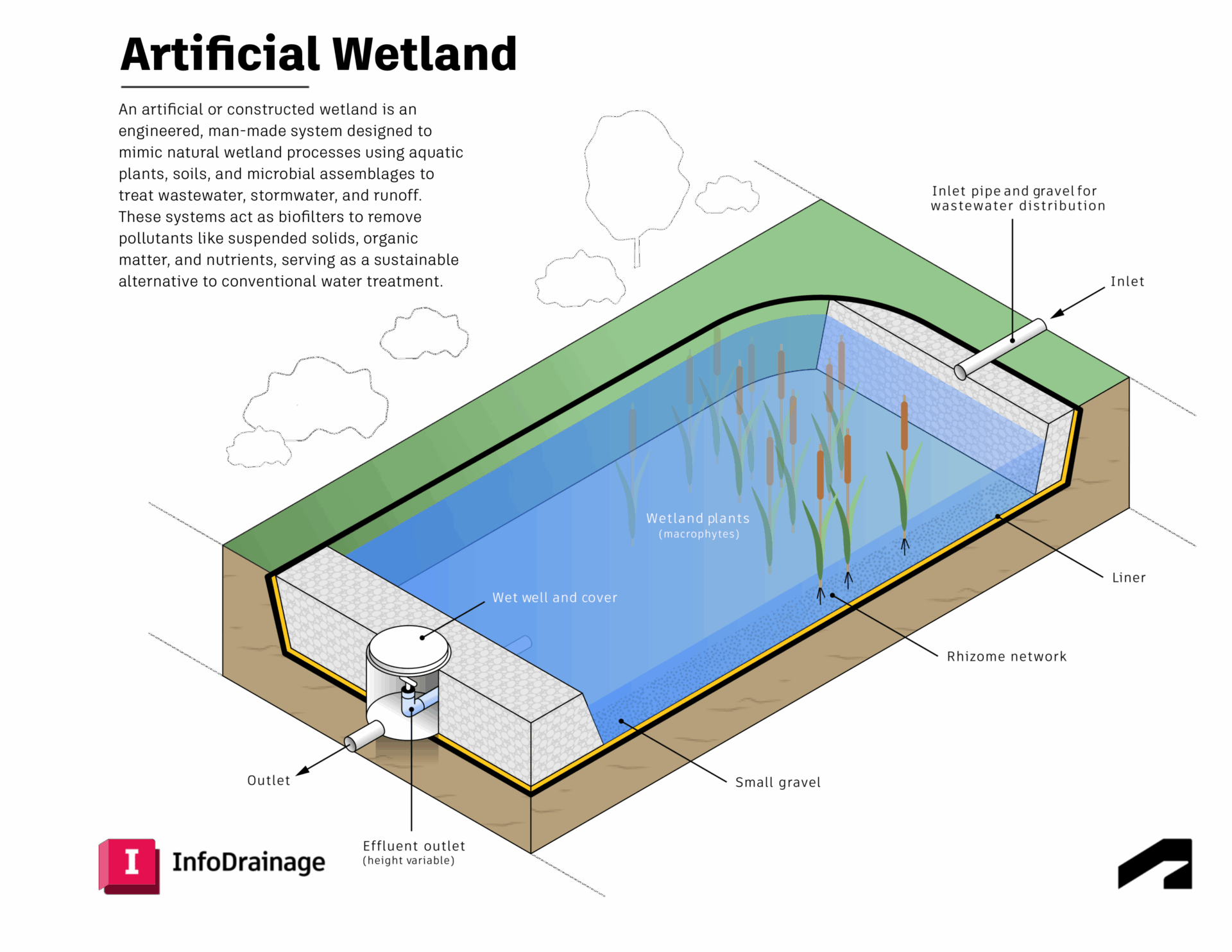
Artificial wetlands are a common feature of Sustainable Drainage Systems (SuDS) and are widely used in urban drainage design to manage stormwater and rainwater runoff, as well as promote sustainable drainage practices. An artificial wetland is a constructed ecosystem designed to manage water and pollution through engineered processes that are designed to mimic natural processes…
Sustainability
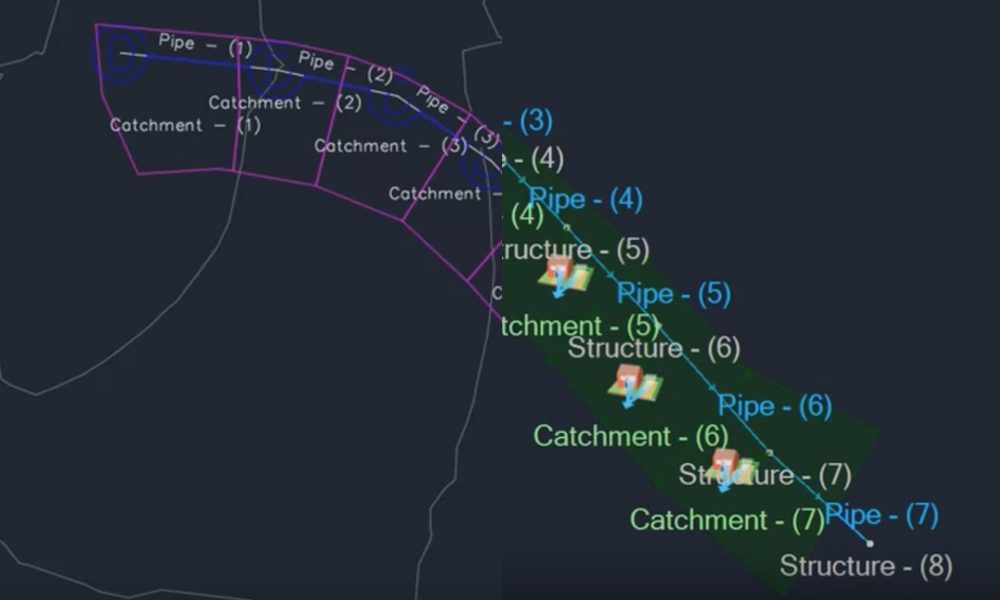
As climate volatility and urban growth intensify, drainage systems are becoming a frontline resilience challenge. Across the UK and globally, heavier storms and expanding impermeable surfaces are overwhelming legacy sewer networks and increasing flood risk. These are a few reasons why regulation has been shifting toward more sustainable outcomes – and that’s why SuDS (Sustainable…
Drainage design

As urban areas densify and climate-driven flood risk increases, Sustainable Drainage Systems (SuDS) have shifted from “nice to have” to essential — and in many places, effectively planning-required. Yet many organisations still struggle to deliver SuDS consistently due to fragmented processes, inconsistent requirements, skills shortages, and slow approvals. In our latest webinar, which was hosted…
Sustainability
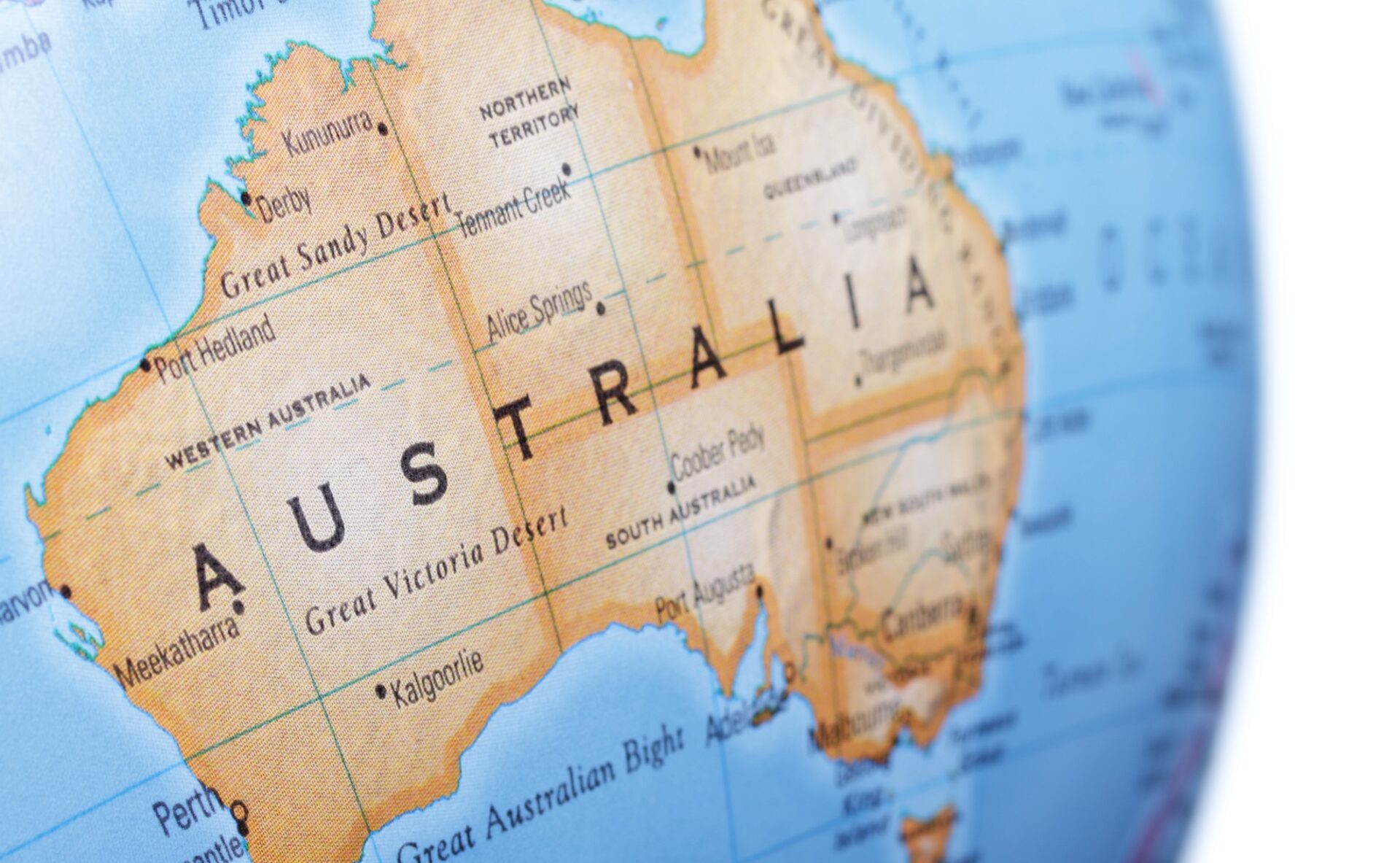
With heavy short-term rainfall events becoming more intense, it’s critical that Australia’s flood maps are dynamically altered to include the most up-to-date ARR guidelines. Because our software offers customizable rainfall calculations, you can adjust equations to go beyond standard calculations – to account for climate change or to apply specific details that affect your location. Australia is…
Storm, sewer, flood

The art of hydraulic modeling straddles the intersection of creative ingenuity and technical prowess. Can AI agents help you be more creative and technically proficient even if you don’t have a background in computer programming? Creating an effective and accurate hydraulic model isn’t just about ingesting all of your data, but also about getting all…
AI and Machine Learning
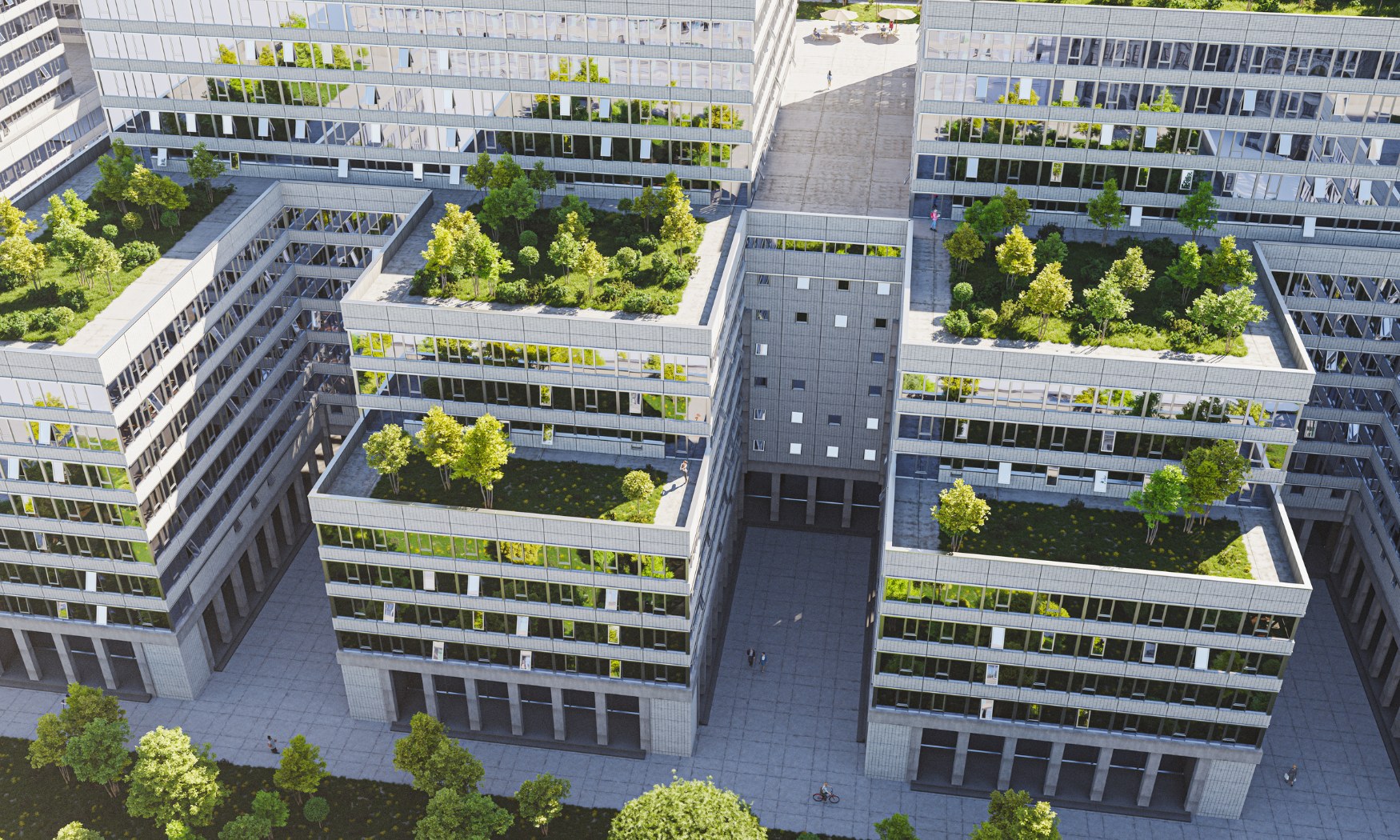
If you’re a drainage designer in the UK, you probably already know about the CIRIA SuDS manual: To help our customers interpret these guidelines, we’ve created “A Guide to Representing SuDS in InfoDrainage”, which explains all of the settings and options in the software that can help you meet the recommendations of the CIRIA manual.…
Drainage design
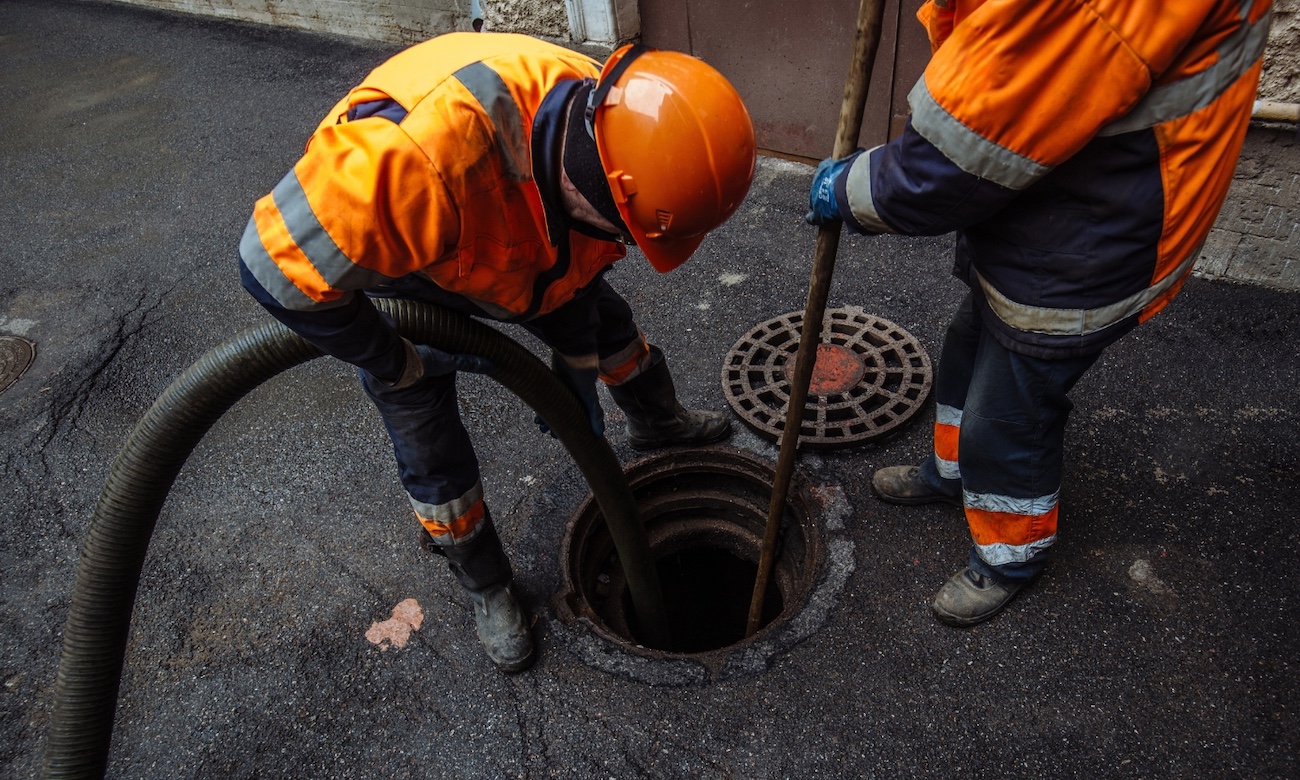
With billions spent annually on sewer assessment and rehabilitation, municipalities and contractors are turning to advanced CCTV sewer inspection software to transform their infrastructure management approach. The right software can help you collect, analyze, and manage inspection data from underground pipeline systems and move you from reactive maintenance to proactive asset management. Getting CCTV sewer…
Asset management
Digital twin technology is revolutionizing water distribution systems by providing dynamic, real-time digital representations of physical water networks. These water digital twins integrate static and dynamic data from sensors and operational systems to enable insights and drive actionable outcomes that improve asset management, operational efficiency, and customer satisfaction. Do you need one? We have a…
AI and Machine Learning