
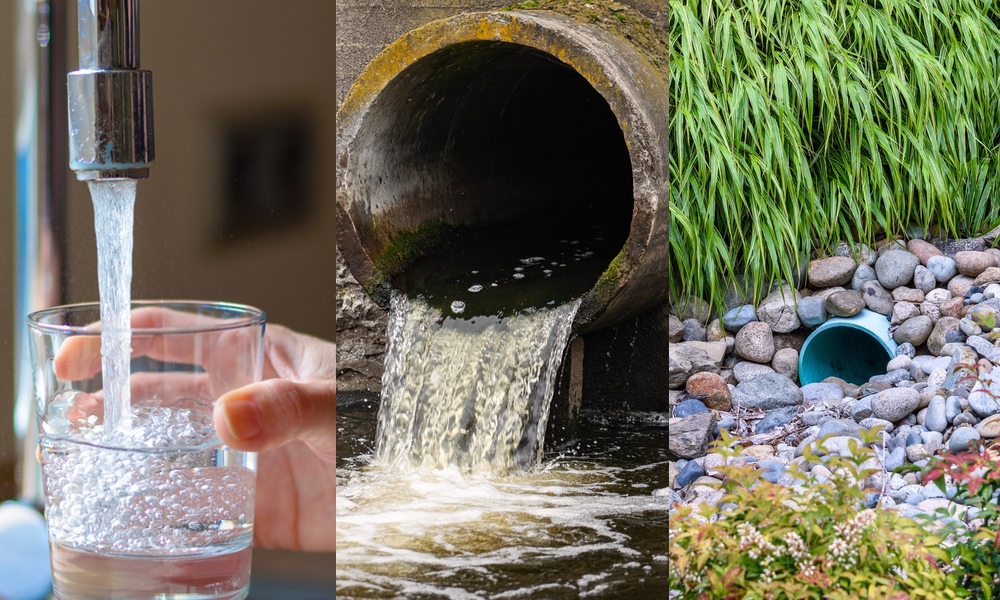
It’s that time of year again at Autodesk: Global Launch. It’s when we release some of our biggest software updates. The Autodesk Water 2027 releases introduce new capabilities across design, modeling, and operations, helping teams work more efficiently through connected workflows, AI-powered tools, and deeper GIS integration. This overview highlights what’s new across InfoWorks ICM,…
Product news
If you’ve spent any time working in water distribution modeling, you’ve probably come across EPANET. EPANET is a software tool used to simulate the hydraulic and water quality behavior of pressurized water distribution systems. Engineers use it to model how water moves through networks of pipes, nodes, pumps, and valves, and to understand how those…
Hydraulic modeling
Water systems don’t always behave gradually. Sometimes, they change in an instant. A pump shuts down, a valve closes, the flow suddenly stops – and a pressure wave travels through the system. Pipes vibrate, pressures spike, and water utility workers shudder inside because they know their infrastructure has been put at risk. They may ask…
Hydraulic modeling
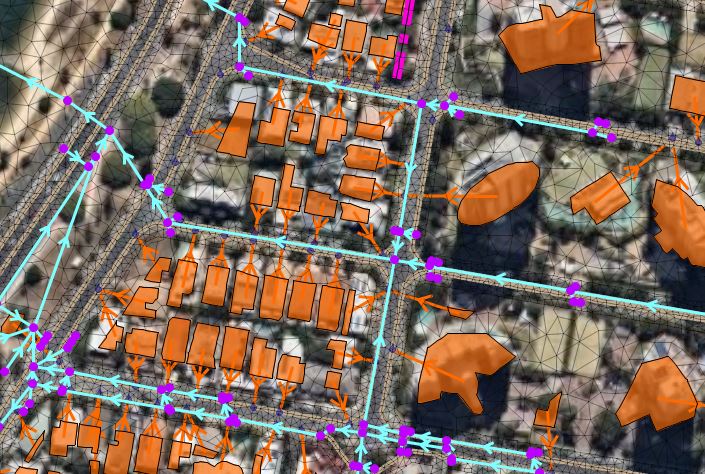
Integrated catchment modeling is the simulation of how water moves across an entire catchment by combining rivers, drainage networks, and surface flow within a single model. It allows engineers to understand how different parts of a water system interact during events such as flooding by performing complex hydraulic modeling. This approach combines 1D and 2D…
Hydraulic modeling
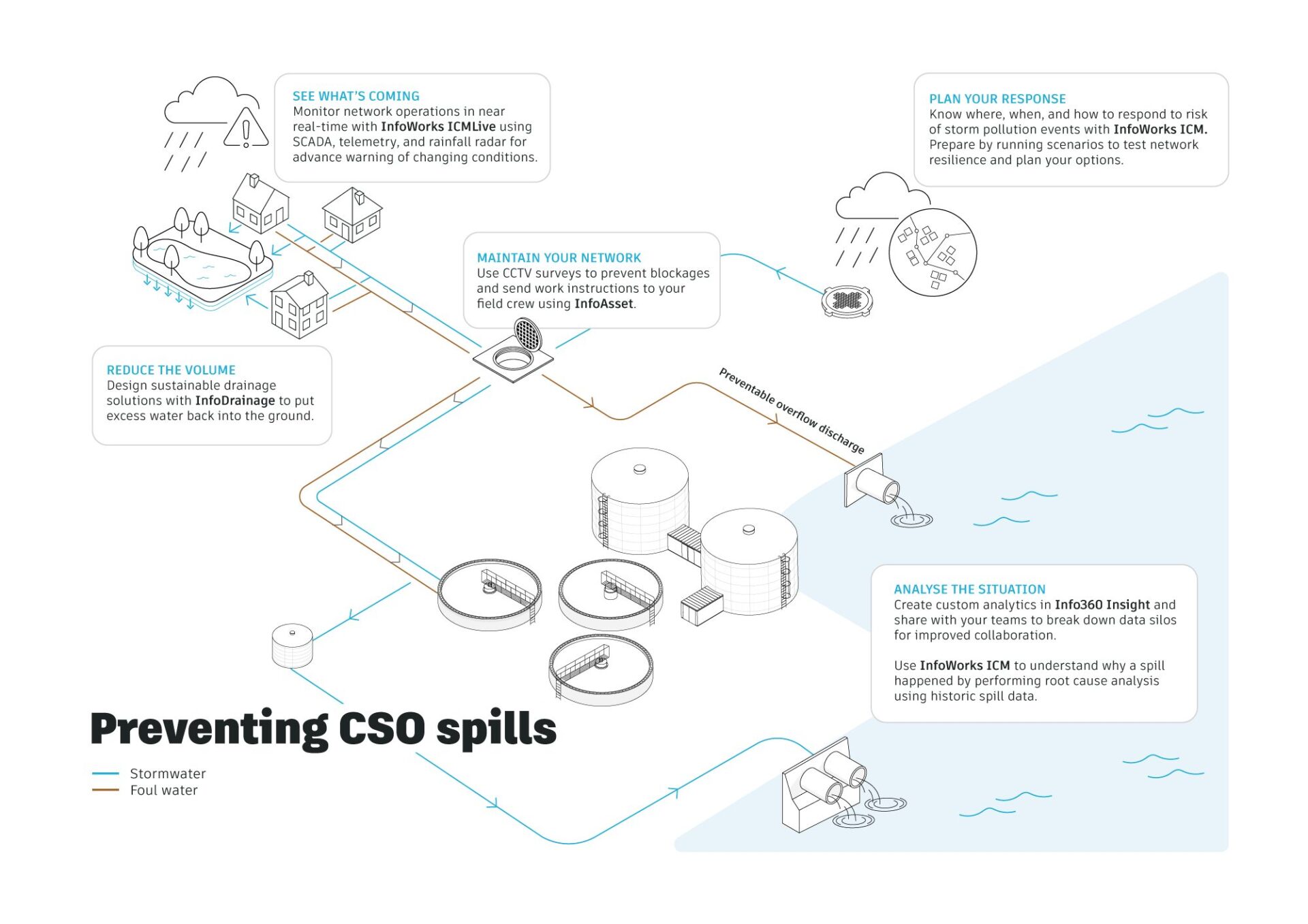
Hydraulic modelling is the simulation of how water flows through systems such as pipes, rivers, and surface floodplains. Engineers use it to predict water levels, flow rates, and flood risk, helping design and manage water infrastructure under different conditions. Hydraulic modeling often combines 1D and 2D approaches to represent both network flows and surface behavior…
Hydraulic modeling
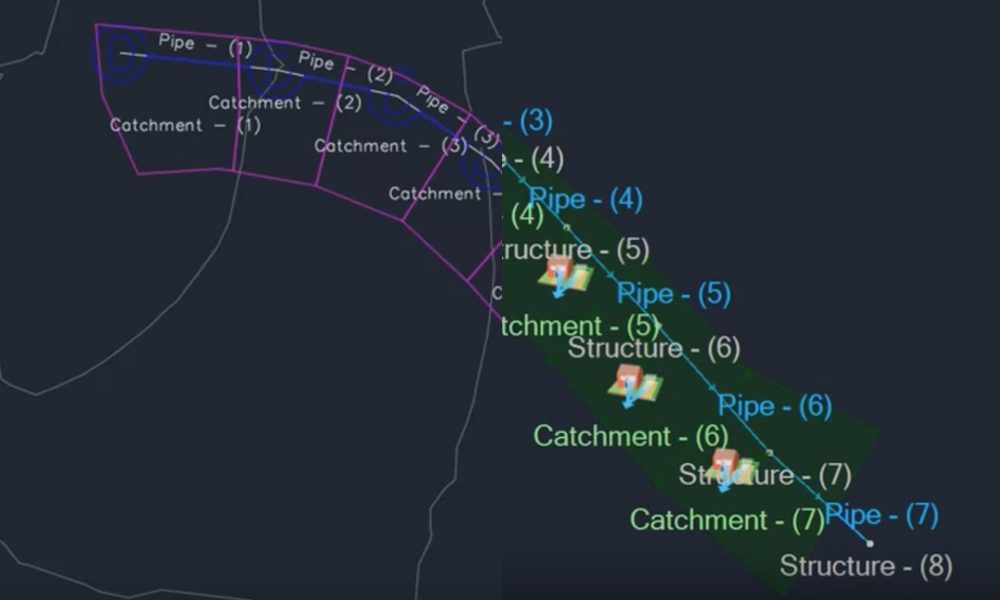
Civil 3D 2026 drainage tools are best for analyzing the drainage system in your drawing (pipes, catchments, ponds), while InfoDrainage is best for design automation, iteration, and flexible reporting.
Drainage design
Utilities collect a lot of CCTV inspection data annually, but inspections by themselves do not improve results. The real challenge is translating that data into clear, defensible capital plans that stand up to regulatory scrutiny, budget constraints, and stakeholder expectations. The integration between Autodesk Info360 Asset and ITpipes SmartVision helps address that challenge by connecting…
Product news

In many urban areas, rainfall doesn’t soak into the ground. It runs off hard surfaces, overwhelms drainage systems, and contributes to flooding and pollution. SuDS (Sustainable Drainage Systems) are designed to change that. SuDS are designed to manage rainfall in a way that mimics natural processes – slowing, storing, and treating water close to where it…
Drainage design
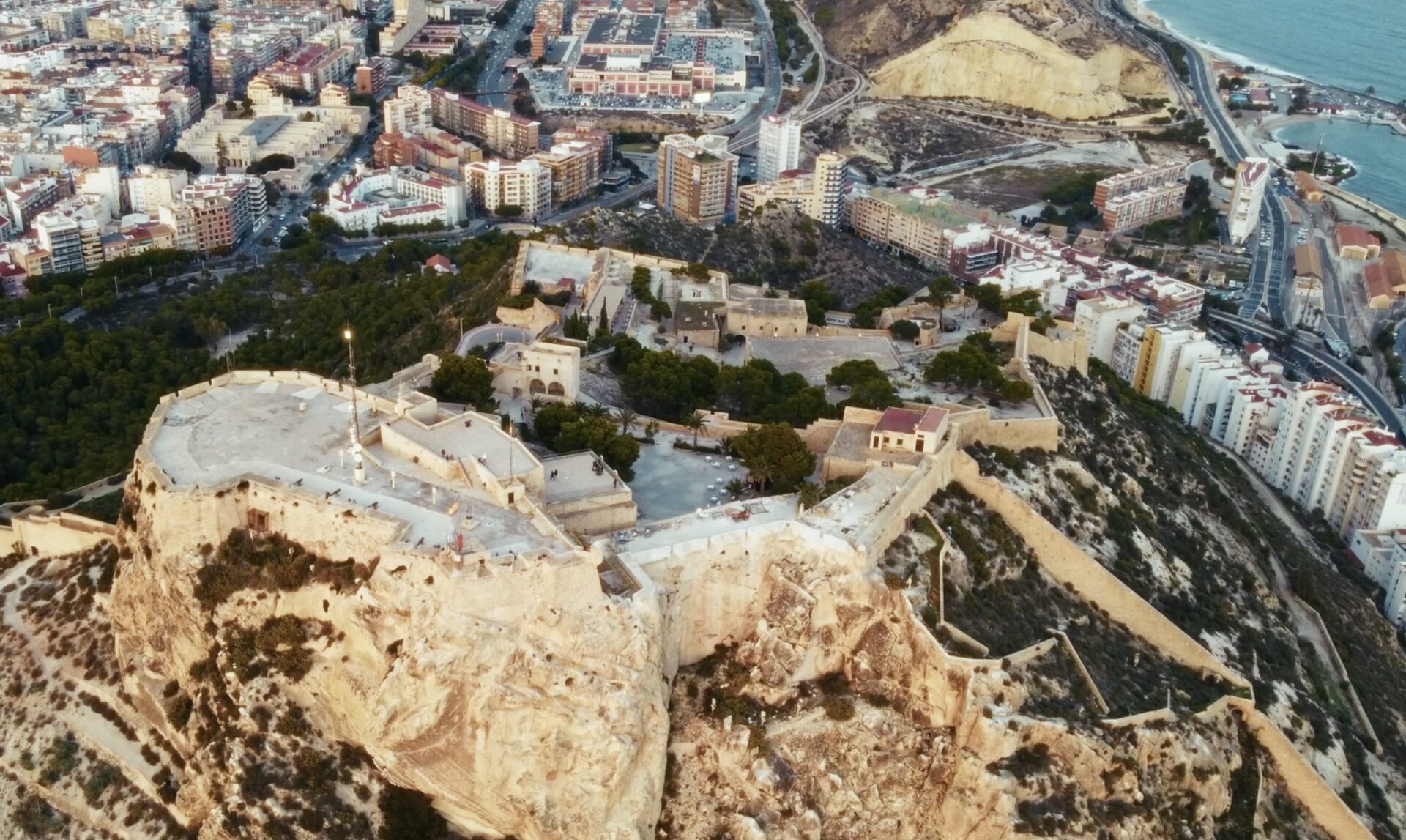
Aguas de Alicante is one of Spain’s oldest water utilities, with roots dating back to 1898 when potable water was first brought to the city of Alicante. It operates under a public-private model and manages the integrated water cycle — including water capture, treatment, distribution, sewerage, and wastewater purification — for Alicante and surrounding municipalities.…
Customer stories

Serving millions of residents across Orange County is no small task. For Orange County Sanitation District (OC San), it means operating and maintaining a vast, complex wastewater system while balancing aging infrastructure and budget constraints – they have a big responsibility to use public funds wisely. “OC San’s mission in serving 2.6 million residents is…
Asset management