 Markus Cueva
Struggling with unreliable production data? Learn why manufacturing data breaks down and how Fusion Operations bring real-time visibility and accuracy to the shop floor.

Fusion Operations: Manufacturing Insights at Your Fingertips
Fusion Operations provides real-time data to optimize scheduling, inventory, and quality.
Production data is supposed to be the foundation of every decision on the shop floor. It’s how teams track progress, measure performance, and identify problems before they escalate.
But in many manufacturing environments, that foundation doesn’t feel as reliable as it should.
Data gets questioned. Reports are double-checked. Teams spend as much time validating numbers as they do acting on them. And over time, confidence starts to erode, not because the data is missing, but because it no longer reflects reality.
Understanding why this happens is the first step toward fixing it.
Why your production data feels unreliable
Most manufacturing teams don’t lose trust in their data overnight.
It usually starts small. A report feels slightly off. A job finishes later than expected, even though the dashboard said everything was on track. A machine shows as idle, but the operator remembers it running. Someone adjusts a number manually, just to make it match what actually happened.
None of these moments feels critical on its own. They’re easy to explain away, easy to fix in the moment. But they repeat. Across shifts, teams, and weeks.
And over time, something changes. You stop trusting the data entirely. Once that happens, the entire system shifts. Instead of relying on reports, teams rely on gut instinct. Instead of dashboards, they rely on conversations. Decisions still get made, but they’re no longer grounded in a shared version of reality.
The problem isn’t the data. It’s how it’s created
At a glance, it’s easy to assume the issue is bad data. In reality, most production data problems come from how the data is captured in the first place.
In many factories, data still depends on a mix of manual and disconnected processes: operators recording production at the end of a shift, paper-based logs on the shop floor, spreadsheets updated after the fact, and systems that don’t communicate with each other.
By the time that information is collected, checked, and shared, it’s already behind. What looks like real-time visibility is often just a delayed reconstruction of what happened earlier.
That creates a gap that’s easy to overlook but hard to operate within: the gap between what’s actually happening on the shop floor and what the business believes is happening.
When “good enough” data becomes a risk
For a while, teams adapt.
They double-check reports. Supervisors walk the floor to confirm status. Operators keep mental notes or side records to stay on top of what’s really going on. The system still works, even if it takes extra effort.
But as production grows more complex, those workarounds start to strain.
Small delays become missed deadlines. Minor discrepancies start to show up as inventory issues. Quality problems take longer to identify, and when they do surface, the cost to fix them is higher.
The challenge isn’t just that the data is imperfect. It’s that it arrives too late to be useful.
And when data can’t surface problems in time to act on them, it stops being a resource and starts becoming a liability.
Why visibility matters more than accuracy alone
It’s tempting to frame this as a data accuracy problem. But accuracy, on its own, isn’t enough. A report can be perfectly accurate and still be useless if it reflects a moment that’s already passed.
What production teams actually need is visibility. Not just a record of what happened, but a clear view of what’s happening right now. Which jobs are moving as planned. Where bottlenecks are forming. Which machines are underperforming. Where quality issues are beginning to emerge.
Without that level of visibility, teams are always reacting. They make adjustments after delays occur instead of preventing them while they’re forming.
The shift to real-time production insight
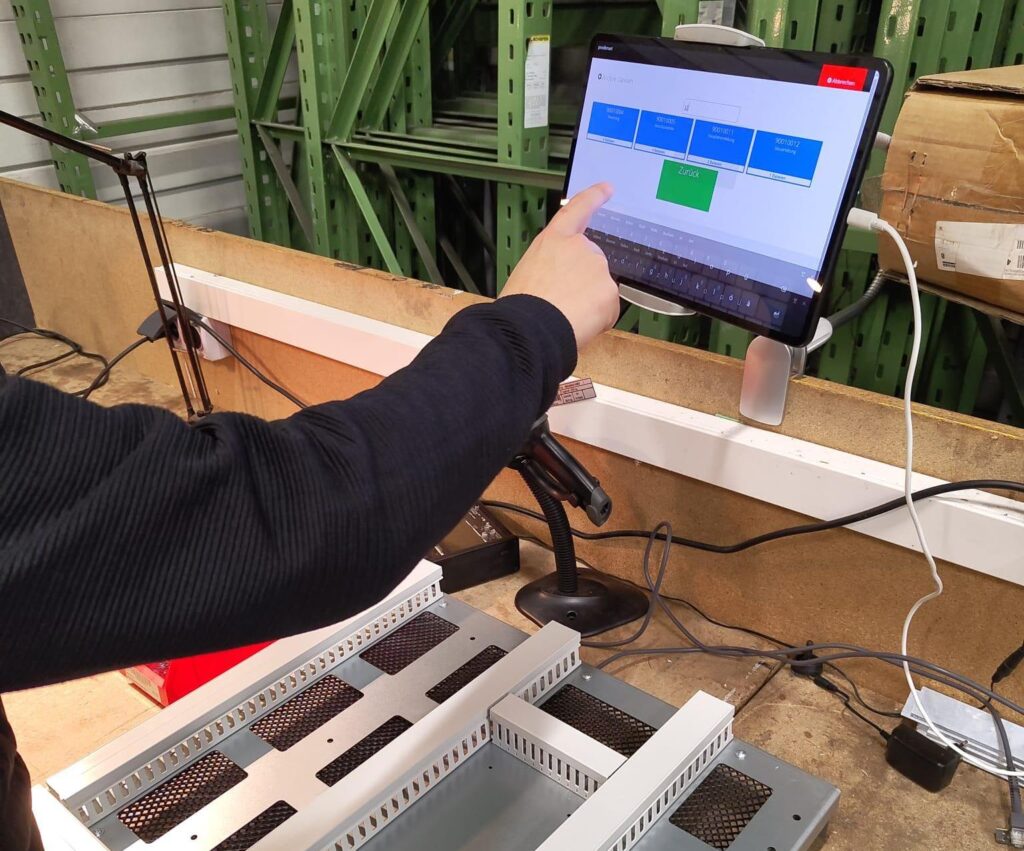
This is where connected, real-time production systems begin to change the dynamic. Instead of collecting data after work is completed, modern manufacturing execution systems capture it as work happens, directly on the shop floor.
With a cloud-based MES like Autodesk Fusion Operations, production data becomes part of the workflow itself. It’s updated continuously, shared across teams, and available the moment it’s needed.
That changes how teams operate in very practical ways. Production status reflects reality, not estimates. Information moves with the work instead of lagging behind it. And decisions can be made while there’s still time to influence the outcome.
What changes when your data becomes reliable
When production data starts to reflect what’s actually happening in real time, something important shifts. Teams stop questioning it. Supervisors no longer need to walk the floor just to confirm what they’re seeing on a screen. Managers don’t hesitate to act on production data. Operators have clarity around priorities and expectations without needing to cross-check information.
Instead of reacting to issues after they’ve already impacted production, teams can identify and address them as they develop. That translates into very real outcomes: production schedules become more predictable, downtime is addressed faster, quality issues are caught earlier, and teams stay better aligned across functions.
But the biggest change is less tangible. Confidence returns. Not just in the data, but in the decisions built on top of it.
Why this shift matters now
Manufacturing today doesn’t allow much margin for delay.
Teams are expected to move faster, operate with fewer resources, and respond quickly to shifting demand. That kind of agility depends on having information that is not only accurate, but immediate.
Disconnected systems, manual inputs, and delayed reporting can’t keep pace with that reality. Connected, real-time production environments can.
Fusion Operations addresses that by connecting the shop floor in real time. It digitizes production tracking, captures data as work happens, and provides a clear, consistent view of operations without relying on manual processes.
The result isn’t just better data. It’s better decisions, made when they can still make a difference.
Frequently asked questions about product data
Production data is often unreliable because it relies on manual entry, delayed reporting, or disconnected systems. These processes introduce errors and prevent data from reflecting what is actually happening on the shop floor in real time.
The most common causes include manual data collection, outdated spreadsheets, lack of system integration, and delayed updates. These factors create inconsistencies between reported data and actual production conditions.
Real-time production data is information captured directly from the shop floor as work happens. It provides up-to-date visibility into job progress, machine performance, and production flow, allowing teams to respond immediately to issues.
Fusion Operations improves visibility by collecting and updating production data in real time. Teams can track work orders, monitor machines, and analyze performance without relying on delayed or manual reporting processes.