 Shannon McGarry
Explore how successful New Product Introduction (NPI) relies on standardized processes, lifecycle tracking, and digital tools like Fusion Manage and Vault PLM to facilitate development and guarantee product success.

NPI manufacturing
Bringing a new product to market requires coordination across engineering, operations, supply chain, and marketing teams, making the New product introduction (NPI) process a critical framework for success. Beyond a great product idea, success hinges on a structured approach to its introduction. The new product introduction process helps organizations manage complexity and minimize risk. This ensures that products reach customers on time, within budget, and as specified.
As products and markets grow more complex, the strategies and systems that support their development must grow too. A notoriously challenging aspect of new product manufacturing is aligning engineering outputs with manufacturing and supply chain inputs, so effective new product introduction ensures clear communication and synchronized timelines.
Tracking the lifecycle of a product beyond launch is equally important, linking NPI manufacturing to continuous improvement and customer feedback loops.
This comprehensive guide explores everything you need to know about New Product Introduction using Autodesk PLM tools—Fusion Manage and Vault—offering insights, best practices, and detailed features that make these platforms ideal for modern manufacturers. Whether you are a product manager, engineer, or executive, understanding how to use PLM for NPI manufacturing will transform your new product initiatives from risky projects into strategic advantages.

What is new product introduction?
New product introduction is the process that moves a product from the concept stage into full production and market availability. NPI manufacturing includes multiple connected phases such as:
- Concept and Ideation
- Product Design and Engineering
- Prototype Development and Testing
- Pilot Production and Validation
- Full-Scale Manufacturing and Ramp-Up
- Market Launch and Post-Launch Support
Throughout these phases, New Product Introduction involves stakeholders from engineering, manufacturing, quality, supply chain, procurement, marketing, and service teams. It requires effective coordination and communication. Delays or mistakes can lead to missed launch dates, increased costs, or compromised quality.
Why is new product introduction important?
Launching a new product successfully directly impacts revenue growth, market competitiveness, and company reputation. However, studies show that more than 70% of new product launches encounter challenges such as delayed timelines, budget overruns, or quality issues. The root causes frequently include:
- Fragmented data and siloed teams
- Inadequate change and configuration management
- Poor visibility into project status and risks
- Difficulty managing complex supplier networks
- Lack of standard processes and automated workflows
To overcome such hurdles, a well-implemented new product introduction process with integrated digital tools is essential. By providing structure, transparency, and control, NPI manufacturing best practices help deliver products faster, at higher quality, and within budget.
Benefits of new product introduction
- Faster time to market: NPI streamlines product development, allowing companies to launch quicker and seize market opportunities ahead of competitors.
- Lower development and production costs: Early issue detection, design validation, and efficient processes minimize costly redesigns and waste, delivering major budget savings during the NPI manufacturing process.
- Higher product quality: Rigorous testing and collaborative design review throughout the process produce reliable, market-ready products with fewer defects during NPI.
- Reduced risk of launch failure: Structured NPI manages complexity, aligns cross-functional teams, and controls risks, leading to more predictable successful launches.
- Enhanced team collaboration: New product introduction brings together engineering, operations, marketing, and supply chain, fostering transparency and effective problem-solving for better outcomes.
- Greater customer satisfaction: By consistently launching products that meet customer needs, new product introduction builds loyalty and drives repeat business
Key challenges in new product introduction
Successful new product introduction is complex because it must reconcile diverse and sometimes conflicting requirements. Here are some core challenges organizations face:
- Misalignment between engineering and manufacturing: Design teams often work in isolation from manufacturing, leading to products difficult or costly to produce. Without early collaboration, changes may cascade late in development, causing NPI manufacturing delays.
- Traceability and change management gaps: Without robust systems to track design revisions, change requests, and approvals, critical updates can be missed or improperly implemented, resulting in defects or regulatory non-compliance.
- Lack of real-time visibility: Managed data fragmentation and outdated project status reports create blind spots for decision-makers, who cannot quickly identify bottlenecks or respond to issues during new product introduction.
- Manual processes and data errors: Relying on spreadsheets, emails, and disconnected documentation leads to human errors, redundant work, and inefficiencies during NPI manufacturing.
- Supplier collaboration complexity: Coordinating design inputs, quality standards, and timelines with multiple suppliers, particularly in global supply chains, is challenging without centralized communication and document management.
The role of product lifecycle management (PLM) in NPI
Product Lifecycle Management (PLM) is a strategic framework and software solution that integrates people, processes, and data to oversee and optimize every stage of a product’s lifecycle—from initial concept and design through manufacturing, maintenance, and eventual end-of-life management. By centralizing critical product information and facilitating collaboration across teams, PLM enables organizations to improve efficiency, enhance quality, and accelerate time-to-market.
By integrating all stakeholders on a single platform, PLM improves coordination and control, making it a perfect fit to address New Product Introduction challenges:
- Centralized Data Repository: PLM stores all product-related information—including CAD files, BOMs, specifications, quality documents—in one secure environment, accessible in real time.
- Streamlined Stage-Gate Process: Through configurable workflows, PLM automates gate reviews, approvals, and task assignments, ensuring projects advance only when criteria are met.
- Change and Configuration Management: PLM tracks all design iterations, engineering changes, and version controls with full audit trails, providing accountability and traceability.
- Enhanced Collaboration: Cross-functional teams—from engineering and manufacturing to procurement and suppliers—can collaborate seamlessly on up-to-date product data.
- Integration with Enterprise Systems: PLM connects to ERP, CRM, and manufacturing execution systems (MES), enabling synchronized data flows and holistic decision-making.
- Real-Time Analytics and Reporting: Dashboards and reports provide visibility into project progress, risks, resource utilization, and quality metrics, empowering proactive management.
PLM transforms New Product Introduction from a risky and fragmented process into a streamlined, agile workflow that fosters innovation and speeds up time-to-market. Its integrated capabilities enable teams to collaborate effectively, manage changes seamlessly, and maintain full visibility throughout the product lifecycle.
How Fusion Manage and Vault PLM optimize New Product Introduction
To support a complex and cross-functional process, teams need digital platforms that provide centralized access to product information and structured workflows. Fusion Manage and Vault PLM offer powerful capabilities to orchestrate every phase of the NPI process.

Autodesk Fusion Manage: Connect People, Processes, and Data
Streamline workflows, enhance collaboration, and gain real-time visibility with PLM.
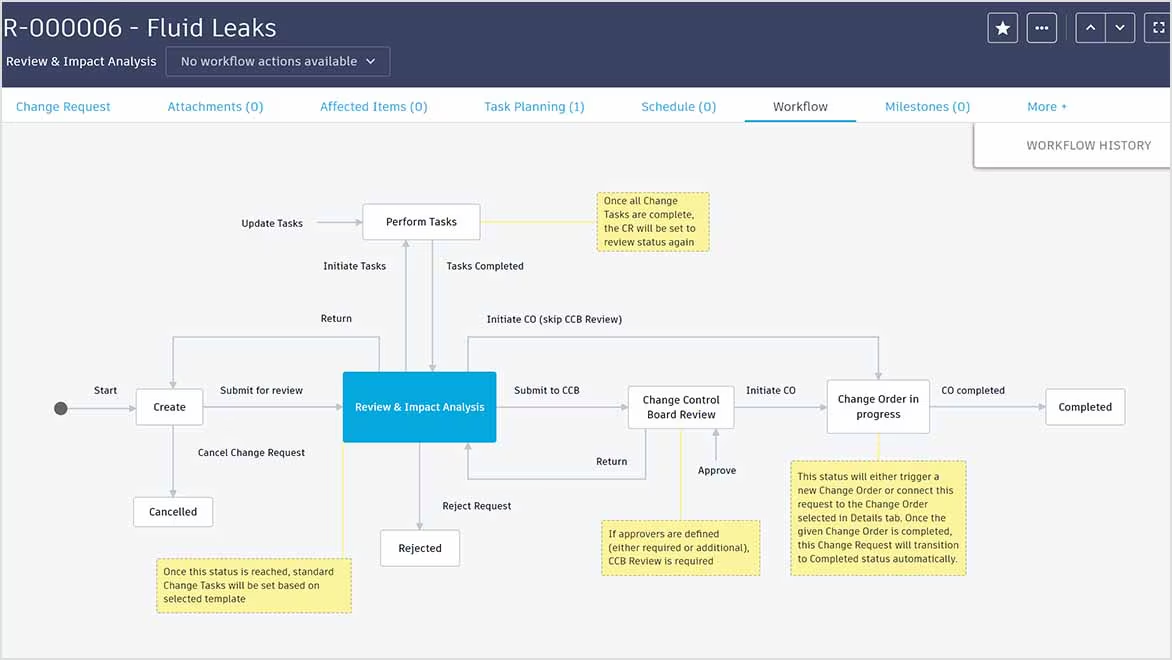
Autodesk Fusion Manage for New Product Introduction
Fusion Manage structures the New Product Introduction workflow by keeping stakeholders aligned on deliverables and timelines, providing cloud-based visibility for NPI manufacturing teams across the globe. With features like configurable process templates, stage-gate approvals, and automated task assignments, it keeps teams in sync and in the know. Plus, since it’s cloud-based, Fusion Manage allows teams to collaborate, track changes, and issue approvals for greater transparency. Customizable dashboards and reporting tools let project leaders monitor progress and act quickly to keep the process on track.
Autodesk Vault for New Product Introduction
Vault PLM enhances workflow by providing a tightly integrated environment for managing engineering data alongside NPI activities. It connects CAD data with product records so that design revisions, bills of materials, and documentation are synchronized and accessible. This eliminates the risk of teams working with outdated information—which causes delays and errors in product development.
Optimize Data Management with Autodesk Vault
Secure, organize, and manage your engineering data efficiently.
Together, Fusion Manage and Vault PLM create a unified ecosystem for New Product Introduction. When a change order is initiated due to a late-stage design issue, the platforms ensure the request follows the proper approval workflows, maintaining full control and accountability. Simultaneously, all related documentation is automatically updated to keep information current and consistent across teams.
By integrating lifecycle tracking capabilities, these tools also extend the New Product Introduction process beyond launch. Field data, customer feedback, and service updates can be linked back to the original product record. This aids in sustaining product performance and improving future iterations.
Best Practices for Implementing NPI with Autodesk PLM
Mastering New Product Introduction demands more than software—it requires clear processes, alignment across teams, and effective use of available tools. Here are proven best practices to maximize the value of Autodesk’s PLM for NPI:
- Define Your Stage-Gate Process Clearly: Establish standardized gates with measurable criteria for moving projects forward, and configure Fusion Manage workflows to enforce these rigorously.
- Centralize All Product Data: Use Vault as the single source of truth for CAD files, BOMs, specifications, quality documentation, and test results, eliminating data silos.
- Automate Routine Workflows: Use Vault and Fusion Manage automation to handle document approvals, change order routing, and notifications, reducing delays and errors.
- Foster Collaborative Culture: Encourage all functions and suppliers to participate in shared digital environments, reducing communication breakdowns.
- Integrate with ERP and Supply Chain Systems: Connect Autodesk PLM with your ERP and procurement tools to automate data synchronization and forecast resource needs accurately.
- Train and Support Users: Ensure teams are well-trained on PLM systems and best practices to drive adoption and proficiency.
- Continuously Monitor KPIs: Use Fusion Manage dashboards to track.
Beyond Launch: Continuous Product Lifecycle Tracking
New Product Introduction doesn’t end at market launch. To remain competitive, manufacturers need to monitor product performance, gather customer feedback, and plan iterative improvements. Autodesk PLM supports this ongoing lifecycle management by:
- Collating service and maintenance data in Vault.
- Tracking warranty and repair activities.
- Managing end-of-life phase including recycling and regulatory documentation.
- Feeding insights back into new product development cycles.
This continuous feedback loop drives innovation and ensures products evolve to meet market needs.
Conclusion: Transform New Product Introduction with Autodesk PLM
New Product Introduction is one of the most critical and challenging processes in manufacturing today. Without a structured, integrated approach, companies risk delays, high costs, and quality failures. Autodesk’s Fusion Manage and Vault PLM solutions provide a powerful foundation to master NPI by connecting design, engineering, manufacturing, and supply chain into a single, collaborative platform.
By embracing these tools and best practices, manufacturers can:
- Reduce time-to-market and accelerate innovation.
- Improve quality and compliance through effective change management.
- Enhance collaboration across global teams and suppliers.
- Increase agility to respond to market dynamics.
- Achieve higher ROI and long-term competitiveness.
Whether you’re launching your first product or managing thousands within complex portfolios, Autodesk PLM solutions empower you to eliminate obstacles and streamline processes. This enables your teams to optimize workflows and confidently deliver successful new products to market.